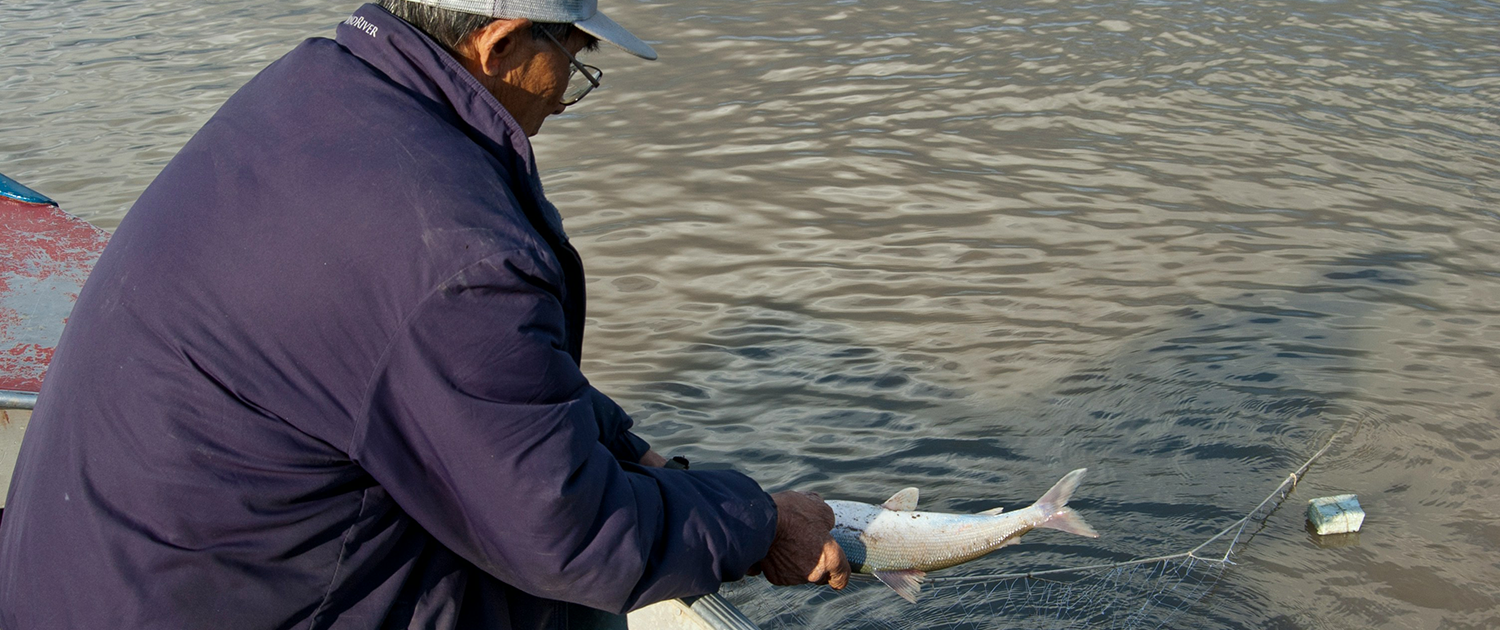
For millennia, Indigenous Peoples across Canada have relied on intimate knowledge of seasonal cycles to guide their hunting, fishing, and gathering practices. This deep connection to the land has sustained communities, shaped cultures, and ensured the sustainable use of resources. However, as climate change alters weather patterns, migration routes, and ecosystem dynamics, many Indigenous communities face unprecedented challenges to their traditional food systems and ways of life.

The Changing Face of Seasons

Climate change is not just about rising temperatures; it’s about the disruption of long-established patterns that Indigenous Peoples have relied upon for generations.

Unpredictable Weather Patterns

Across the country, Indigenous communities are reporting increasingly erratic weather. Winters are becoming shorter and less predictable, springs are arriving earlier, and extreme weather events are more frequent. Warmer weather in northern Manitoba, for example, is causing ice roads that connect remote communities to experience ice melt and deterioration in their winter road networks. “One chief told me that driving their winter road is like driving on a sponge,” said Keewatin Tribal Council Grand Chief Walter Watesicoot.

Shifting Migration Patterns

As temperatures change, so do the movements of animals that many Indigenous communities depend on for sustenance and cultural practices. Wildlife behaviour adaptations present another layer of complexity. Modified migration timing and changed feeding patterns require new hunting strategies, while altered habitat preferences and shifted breeding grounds demand revised approaches. New predator-prey dynamics have emerged, creating unexpected population distributions that challenge traditional hunting knowledge.

These changes have profound community impacts, affecting food security and requiring modified harvest scheduling. Communities face increased resource requirements and changing dynamics in how hunting is organized and conducted. Cultural practices are being altered, and economic implications ripple through communities as hunting becomes more resource-intensive.

(Image Credit: Warren Sammut, Unsplash)

Northern Indigenous hunters observe changes in caribou migration patterns, revealing significant shifts in traditional wildlife behaviour. These observations demonstrate multiple dimensions of environmental change:

Observed Migration Changes:

  • Altered traditional migration routes.
  • Unpredictable timing of seasonal movements.
  • Changes in herd size and composition.
  • Shifts in preferred grazing locations.
  • Modified rest-stop patterns.

Environmental Indicators:

  • Changes in vegetation patterns affecting grazing.
  • Alterations in snow and ice conditions.
  • Variations in seasonal temperature patterns.
  • Modified water availability and access.
  • Shifts in predator-prey relationships.

Impact on Traditional Practices:

  • Extended hunting journey distances.
  • Increased time required for successful hunts.
  • Adaptation of traditional hunting methods.
  • Modifications to food preservation timing.
  • Adjustments to community harvest planning.

Knowledge Application:

  • Integration of traditional tracking methods.
  • Use of generational knowledge of landscapes.
  • Recognition of changing environmental signals.
  • Understanding of wildlife behaviour adaptations.
  • Application of seasonal prediction skills.

Community Implications:

  • Effects on food security.
  • Changes in harvest planning.
  • Impact on traditional knowledge transmission.
  • Adaptation of cultural practices.
  • Resource allocation adjustments.

Adaptive Strategies:

  • Development of new hunting approaches.
  • Integration of modern technology with traditional methods.
  • Enhanced communication networks between communities.
  • Modified food preservation techniques.
  • Flexible harvest scheduling.

Impacts on Traditional Practices

These environmental changes are having profound effects on traditional hunting, fishing, and gathering practices across Canada.

Hunting Challenges

Environmental changes significantly impact traditional hunting practices, creating complex challenges across multiple dimensions. The scale and scope of these changes require comprehensive understanding and adaptive responses.

The fundamental environmental modifications present immediate challenges to hunting practices. Hunters now contend with unpredictable ice formation and breakup patterns, while reduced snow cover duration and depth alter traditional travel routes. Altered freeze-thaw cycles and changes in permafrost conditions create new terrain challenges, while inconsistent seasonal transitions and modified watershed patterns further complicate hunting activities. These environmental shifts have fundamentally changed the landscape within which traditional hunting occurs.

Safety considerations have become increasingly complex and critical. Traditional ice routes now present heightened risks, and terrain stability has become less predictable. Weather conditions that once followed reliable patterns have become more erratic, changing traditional avalanche risk patterns and affecting water crossing safety. Previously reliable emergency shelter locations may no longer provide adequate protection, requiring new safety protocols and risk assessment strategies.

In response, Indigenous communities are developing robust adaptation strategies. These include the integration of technology with traditional methods and the development of new safety protocols. Modified equipment and gear requirements are being established, while enhanced communication systems help hunters adapt to changing conditions. Flexible hunting schedules and alternative transportation methods provide additional adaptive capacity.

Looking toward the future, Indigenous communities are engaging in long-term sustainability planning and developing approaches for intergenerational knowledge adaptation. Environmental monitoring systems are being established, and community support networks are being strengthened. Resource management strategies are evolving, with a strong focus on cultural preservation approaches that maintain the essential connection between hunting practices and community identity.

Fishing Disruptions

(Image Credit: Fredrik Öhlander, Unsplash)

Environmental changes fundamentally alter the Great Lakes ecosystems and traditional Indigenous fishing practices across the region. These changes manifest in various ways, affecting both aquatic life and cultural practices that have existed for generations.

Water temperature fluctuations in the Great Lakes system have significantly impacted fish populations and their habitats. Traditional fish species such as walleye, whitefish, and lake sturgeon show altered spawning patterns and habitat preferences. Warming waters have led to shifts in species distribution, with cold-water species facing increasing pressure as their preferred temperature zones shrink. Changes in nearshore environments particularly affect spawning grounds and juvenile fish survival rates.

Seasonal patterns in the Great Lakes have become increasingly unpredictable. Ice cover duration and extent have diminished significantly, affecting both traditional ice fishing practices and fish habitat. These changes impact the spawning cycles of cold-water species and alter the timing of traditional fishing seasons. Winter fishing activities, once reliable across many Great Lakes communities, now face uncertainty due to unstable ice conditions.

Population dynamics within the Great Lakes show concerning trends. Traditional fishing areas experience shifts in species composition, with some warm-water species becoming more prevalent while cold-water species decline. Invasive species thriving in warmer waters create additional pressure on native fish populations. These changes affect the entire food web, from small prey fish to larger predatory species traditionally harvested by Indigenous communities.

Traditional fishing practices face significant adaptation challenges. Seasonal harvesting calendars, developed over generations of observation, require adjusting for new environmental conditions. Fish preservation methods need modification as traditional weather patterns become less reliable. Communities must adapt their harvesting techniques and equipment while maintaining cultural connections to traditional practices.

Cultural implications extend throughout Great Lakes Indigenous communities. Traditional ceremonies and teachings connected to fishing require careful adaptation to maintain their significance while acknowledging environmental changes. Knowledge transmission between generations becomes more complex as historical indicators of fishing conditions evolve. The role of fishing in community life adapts while striving to preserve essential cultural elements.

Food security concerns grow as traditional fish species become less predictable or abundant. Communities historically dependent on specific species must diversify their harvesting practices. Changes in fish availability affect traditional food systems, while new preservation and storage methods develop to accommodate altered harvesting patterns. These shifts affect communities where fishing provides both sustenance and livelihood.

Today, Great Lakes Indigenous communities demonstrate innovative adaptation approaches. Integrating ecological and traditional knowledge with modern monitoring techniques helps track changing conditions. New fishing methods emerge that respect traditional practices while acknowledging environmental changes. Communities develop enhanced communication networks to share information about fish movements and water conditions across the Great Lakes basin.

Gathering Uncertainties

(Image Credit: Dmitry Bukhantsov, Unsplash)

Climate change is also affecting the availability and timing of traditional plant harvests.

Climate change significantly impacts traditional plant harvesting practices across Indigenous territories, particularly affecting seasonal gathering patterns and cultural practices. These changes manifest in multiple ways, creating complex challenges for communities maintaining traditional plant harvesting practices.

The fundamental shifts in plant life cycles pose immediate challenges for traditional gatherers. Traditional food and medicinal plants exhibit altered flowering and fruiting times, creating uncertainty in harvest planning. Irregular ripening patterns complicate traditional timing knowledge, while the seasonal availability of ceremonial plants has become less predictable. These changes affect not only food security but also the ability to conduct traditional ceremonies at historically appropriate times. Plant abundance and distribution patterns show marked changes, requiring gatherers to adapt their practices and sometimes seek new harvesting locations.

Gathering practices themselves undergo substantial adaptation. Harvesters develop flexible schedules to accommodate unpredictable plant cycles, often travelling to new locations as traditional gathering areas become less productive. Preparation and storage techniques require modification to address changing harvest times and conditions. Transportation requirements change as gathering locations shift, while preservation timing adjusts to new environmental realities.

Food security considerations become increasingly pressing as traditional food sources show greater variability. Communities explore alternative gathering locations and adapt food preservation timing to maintain access to traditional foods. The composition of traditional diets may shift as some plants become less available and others more abundant. Storage practices evolve to accommodate these changes while maintaining food safety and nutritional value.

These adaptation strategies often integrate modern technology with traditional practices. Enhanced monitoring systems help track environmental changes affecting plant communities while alternative harvesting locations are identified and evaluated. Modified gathering techniques emerge that respect traditional practices while acknowledging new environmental realities. Communities develop flexible timing approaches and new preservation methods to maintain access to traditional plants despite changing conditions.

Policy Implications

The impacts of climate change on traditional practices highlight the need for policies that support Indigenous adaptive capacity and sovereignty.

Flexible Wildlife Management

There are growing calls for wildlife management policies and practices that are more responsive to changing environmental conditions and Indigenous needs.

Support for Land-Based Activities

Some jurisdictions are developing programs to support Indigenous land-based activities in the face of climate change.

Resilience in the Face of Change

(Image Credit: Francesco Ungaro, Unsplash)

Indigenous observations and adaptations to environmental change provide crucial insights for broader climate adaptation strategies. Their multi-generational experience and intimate understanding of local ecosystems offer valuable lessons for addressing current environmental challenges and developing resilient responses to climate change.

Indigenous communities function as sophisticated early warning systems for environmental change. Their detailed observations detect subtle shifts in wildlife behaviour patterns and plant life cycles that might otherwise go unnoticed by conventional scientific monitoring. Through generations of careful observation, Indigenous Knowledge Holders recognize nuanced changes in weather patterns and water systems, often identifying emerging environmental trends before they become widely apparent. Their understanding of interconnected ecological impacts provides a comprehensive view of environmental change that bridges multiple ecological systems and processes.

The integration of Indigenous and scientific knowledge creates powerful synergies for environmental understanding. Indigenous communities contribute long-term observational data spanning generations, offering historical perspectives that extend beyond the scope of modern scientific records. Their detailed local ecosystem knowledge provides crucial context for understanding environmental changes, while their recognition of complex species interactions and environmental relationships enriches scientific understanding. This knowledge integration helps identify both historical ecological patterns and effective adaptation strategies.

Indigenous adaptation strategies demonstrate practical approaches to environmental change. Communities have developed flexible resource management systems that respond to changing conditions while maintaining cultural continuity. Diversified harvesting practices and modified timing of traditional activities show how communities can adapt while preserving essential cultural practices. Enhanced community-sharing networks and developing alternative practices demonstrate effective approaches to building climate resilience.

Traditional sustainable management practices offer valuable models for broader society. Indigenous approaches to holistic ecosystem management recognize the importance of maintaining balance in natural systems. Their understanding of carrying capacity and implementing balanced harvest practices provide frameworks for sustainable resource use. Long-term sustainability focus and integrated conservation approaches demonstrate how communities can meet current needs while preserving resources for future generations.

Community resilience in Indigenous societies provides important lessons for climate adaptation. Strong social networks and knowledge-sharing systems facilitate effective responses to environmental changes. Flexible response strategies and collective adaptation approaches strengthen community capacity to address challenges. The maintenance of cultural continuity through intergenerational learning practices ensures the preservation and evolution of environmental knowledge.

These lessons have significant applications for wider society. Indigenous approaches to resource management offer alternative models for sustainable practice, while their community-based adaptation strategies demonstrate effective ways to build local resilience. Examples of successful knowledge integration show how different ways of understanding can complement each other. Their frameworks for sustainable practices and methods for maintaining cultural continuity while adapting to change provide valuable guidance for other communities facing similar challenges.

Looking toward the future, Indigenous knowledge systems suggest important priorities for environmental management and community adaptation. The importance of long-term ecological monitoring and integrating different knowledge systems becomes increasingly apparent. Community-based adaptation strategies and balanced resource management approaches offer models for sustainable development. These approaches emphasize the importance of maintaining cultural connections while adapting to environmental change, providing valuable insights for communities worldwide facing similar challenges.


Blog by Rye Karonhiowanen Barberstock


(Header Image Credit: LaDawn Preuninger, Unsplash)

In the face of accelerating climate change, policymakers and scientists are increasingly recognizing the value of Indigenous knowledge in developing effective climate strategies. This intersection of traditional wisdom and modern science represents a powerful approach to understanding and addressing environmental challenges. However, bridging these two knowledge systems is not without its complexities and challenges.

Understanding Indigenous Knowledge

Indigenous Traditional Knowledge (ITK) represents a sophisticated understanding of specific territories and ecosystems deeply rooted in regional relationships and experiences. This place-based knowledge system encompasses comprehensive environmental understanding, characterized by detailed comprehension of local ecosystems, biodiversity patterns, and seasonal cycles. Knowledge holders maintain intimate awareness of habitat characteristics and local climate variations, which have developed through generations of observation and interaction.

The spatial dimension of this knowledge reflects profound connections to specific landscapes, incorporating a detailed understanding of geographical features within traditional territories. This includes recognition of sacred and cultural sites, alongside thorough knowledge of historical land use patterns that have shaped the environment over time.

Within these knowledge systems, complex ecological interactions are carefully documented and understood in oral histories. Knowledge holders recognize intricate species relationships and environmental indicators that signal changes or warnings within the ecosystem. Traditional resource management practices reflect a deep understanding of wildlife behaviour patterns and plant-habitat associations, enabling sustainable stewardship of the land.

The cultural context of this knowledge adds another vital dimension, expressed through language-specific ecological terms that capture a nuanced understanding of environmental relationships. Traditional stories and teachings serve as vehicles for transmitting this knowledge, while ceremonial connections to land reinforce cultural protocols for responsible stewardship. This knowledge continues to evolve through careful intergenerational transfer, ensuring its relevance and application for future generations.

The Strengths of Western Science

Integrating Indigenous Traditional Knowledge (ITK) and Western science offers significant opportunities for enhanced environmental understanding and management. This complementary relationship manifests in several key areas:

Knowledge Integration Benefits:

  • Long-term Observational Data: Indigenous knowledge provides generations of detailed environmental observations that complement scientific data collection. These observations offer valuable historical baselines and document changes over extended periods, particularly in regions where scientific monitoring is recent or limited.
  • Holistic Understanding: While Western science often focuses on specific components or isolated systems, Indigenous knowledge typically approaches environmental understanding through interconnected relationships. This holistic perspective helps identify complex ecological patterns and relationships that might be overlooked in more narrowly focused studies.
  • Local Expertise: Indigenous knowledge holders possess a detailed understanding of local variations and subtle environmental changes that can inform and enhance scientific research methodologies. Their intimate knowledge of specific ecosystems provides a crucial context for scientific investigations.

Methodological Enhancements:

  • Improved Research Design: Incorporating Indigenous perspectives in research design can lead to more comprehensive and culturally appropriate studies. This includes considering traditional seasonal timing, cultural protocols, and local environmental factors.
  • Enhanced Data Collection: Traditional knowledge can guide where and when to conduct scientific studies, identifying critical areas for investigation and optimal timing for data collection based on generations of observation.
  • Validation of Findings: Indigenous knowledge often provides independent verification of scientific findings while offering additional contextual information that enriches scientific understanding.

Practical Applications:

  • Resource Management: Traditional management practices offer tested approaches for sustainable resource use, often demonstrating effectiveness over centuries or millennia.
  • Climate Change Adaptation: Indigenous observations of environmental changes provide valuable insights for developing climate adaptation strategies, particularly in rapidly changing northern environments.
  • Biodiversity Conservation: Traditional knowledge of species interactions and habitat requirements can inform more effective conservation strategies.

Learning Opportunities:

  • Alternative Perspectives: Western science benefits from exposure to different ways of knowing and understanding environmental relationships.
  • Cultural Context: Understanding the cultural context of environmental knowledge enriches scientific interpretation and application.
  • Ethical Frameworks: Indigenous approaches to environmental stewardship offer valuable ethical perspectives for scientific research and application.

Future Directions:

  • Collaborative Research Models: Development of new research frameworks that respectfully integrate both knowledge systems.
  • Policy Integration: Creation of environmental policies that recognize and incorporate both traditional and scientific knowledge.
  • Educational Programs: Development of educational approaches that teach students to work effectively with both knowledge systems.

This integration requires:

  • Mutual respect and recognition of different ways of knowing.
  • Commitment to genuine collaboration and knowledge sharing.
  • Development of appropriate protocols for knowledge integration.
  • Recognition of Indigenous intellectual property rights.
  • Long-term relationship building between communities and institutions.

Challenges in Integration

While the benefits of integrating Indigenous knowledge and Western science are clear, significant challenges remain, requiring careful consideration and sustained effort to address. These challenges manifest across multiple dimensions:

Structural and Institutional Barriers:

  • Embedded systemic biases in academic and research institutions.
  • Limited recognition of Indigenous knowledge systems in funding mechanisms.
  • Restrictive academic publication and peer review processes.
  • Inadequate representation of Indigenous perspectives in decision-making bodies.
  • Resource inequities in research partnerships.

Knowledge System Tensions:

  • Differing approaches to knowledge validation and verification.
  • Contrasting views on the relationship between humans and nature.
  • Various interpretations of time, causality, and evidence.
  • Distinct approaches to knowledge transmission.
  • Different understandings of what constitutes expertise.

Ethical and Cultural Considerations:

  • Protection of sacred or sensitive cultural knowledge.
  • Appropriate protocols for knowledge sharing and use.
  • Recognition and protection of Indigenous intellectual property rights.
  • Preservation of cultural context in knowledge translation.
  • Fair compensation for Indigenous knowledge contributions.

Methodological Challenges:

  • Reconciling different research approaches and methodologies.
  • Balancing quantitative and qualitative data requirements.
  • Addressing issues of scale and generalizability.
  • Integrating oral traditions with written documentation.
  • Maintaining cultural integrity in research processes.

Implementation Barriers:

  • Limited institutional capacity for cross-cultural engagement.
  • Inadequate funding for long-term relationship building.
  • Time constraints in academic and research contexts.
  • Language barriers and translation challenges.
  • Different expectations regarding research outcomes.

Required Actions for Progress:

  • Development of Indigenous-led research protocols.
  • Creation of appropriate knowledge-sharing frameworks.
  • Establishment of equitable partnership models.
  • Implementation of cultural safety training.
  • Recognition of Indigenous research methodologies.
  • Formation of Indigenous ethics review processes.
  • Creation of Indigenous knowledge protection mechanisms.

Overcoming Barriers: Towards True Collaboration

To address these challenges and foster genuine integration, several approaches are being developed:

Ethical Frameworks for Collaboration

(Image Credit: Getty Images, Licensed from Unsplash+)

Many institutions are developing ethical guidelines for working with Indigenous knowledge. The First Nations Information Governance Centre’s OCAP® principles (Ownership, Control, Access, and Possession) provide a framework for how Indigenous data should be collected, protected, used, or shared.

Co-development of Research

Increasingly, climate research projects are being co-developed with Indigenous communities from the outset. This ensures that Indigenous perspectives and priorities are centred in the research process.

Research institutions increasingly recognize that meaningful collaboration extends beyond consulting First Nations communities. Effective partnerships require true co-creation of knowledge and Indigenous research ethics, ensuring Indigenous Peoples fully participate in all aspects of the research process.

Policy Frameworks for Knowledge Integration

Some jurisdictions are developing policy frameworks that mandate the inclusion of Indigenous knowledge in environmental decision-making. In Canada, the Impact Assessment Act of 2019 requires the consideration of Indigenous knowledge in federal impact assessments.

Indigenous Knowledge in International Climate Policy

The integration of Indigenous knowledge is gaining recognition at the international level. The Intergovernmental Panel on Climate Change (IPCC) has increasingly incorporated Indigenous knowledge in its assessment reports, acknowledging its value in understanding climate impacts and developing adaptation strategies.

International policy think-tanks and experts emphasize that the incorporation of Indigenous knowledge in global climate policies extends beyond improving environmental management. This inclusion represents both the acknowledgment of Indigenous peoples’ rights and the validation of their essential contributions to protecting biodiversity and mitigating climate change.

The Way Forward: Co-existence and Mutual Respect

True integration of Indigenous knowledge and Western science in climate policy requires more than just incorporating traditional practices into existing frameworks. It calls for a fundamental shift in how we view knowledge creation and environmental stewardship.

Indigenous Knowledge Holders promote approaches that recognize and utilize the strengths of both Indigenous and scientific ways of knowing, emphasizing the importance of using these knowledge systems together for enhanced understanding.

A Holistic Approach to Climate Change

As we face the unprecedented challenge of climate change, the integration of Indigenous knowledge and Western science offers a path towards more comprehensive, effective, and just climate policies. This approach not only enhances our understanding of environmental changes but also promotes more sustainable and equitable ways of relating to the natural world.

The journey of integrating these knowledge systems is ongoing, requiring patience, respect, and a willingness to challenge long-held assumptions. However, the potential rewards – in terms of more effective climate strategies, preservation of cultural wisdom, and a more holistic approach to environmental stewardship – are immense.

As we move forward in our fight against climate change, this integration of  Indigenous traditional knowledge systems offers not just hope for more effective policies, but a model for how different ways of knowing can come together to address the greatest challenge of our time.


Blog by Rye Karonhiowanen Barberstock


(Header Image Credit: ThisIsEngineering, Licensed from Unsplash)


As climate change intensifies the threat of wildfires, First Nations increasingly incorporate traditional knowledge into stewardship and conservation approaches. Throughout history, Indigenous Peoples have practiced forest stewardship, using sophisticated land management techniques to maintain ecological balance. These time-honoured practices now receive recognition as effective tools for mitigating wildfires and reducing carbon emissions.

The Ancient Wisdom of Fire Management

First Nations developed and implemented advanced forms of forest management, integrating cultural burning techniques to maintain forest health and prevent catastrophic wildfires. These sophisticated management practices included strategic seasonal burns, careful monitoring of environmental conditions, and a detailed understanding of local ecosystems. Through controlled burning, these approaches enhanced biodiversity, improved wildlife habitat, and maintained sustainable forest conditions.

Cultural Burning: A Time-Honoured Tradition

Cultural burning, also known as prescribed or traditional burning, involves deliberately setting small, controlled fires to manage the landscape. This practice, passed down through generations, serves multiple purposes: it reduces fuel loads that could feed larger fires, promotes biodiversity, and maintains the health of ecosystems.

First Nations knowledge keepers emphasize how their ancestors understood fire as a management tool, viewing it as more than a threat. Indigenous ecological and traditional knowledge recognizes that controlled fires help prevent larger wildfires while understanding that certain plants require fire for regeneration and that forest diversity supports ecosystem health.

Traditional Practices in Modern Wildfire Management

Today, many First Nations across Canada are working to revitalize and apply these traditional practices in the context of modern wildfire management. An online Indigenous resource can be found here: Cultural Burning & Prescribed Fire.

The Revitalization of Cultural Burning

(Image Credit: Karsten, Winegeart, Unsplash)

In recent years, there’s been a resurgence of cultural burning practices across Canada. In British Columbia, the First Nations’ Emergency Services Society has been training First Nation firefighters in both modern techniques and traditional burning practices.

First Nations fire professionals emphasize the significance of cultural burning practices in contemporary forest management. These traditional approaches encompass a comprehensive understanding of fire ecology, focusing on prevention through strategic landscape management rather than merely fighting fires. This preventative methodology includes seasonal timing of burns, understanding of wind and weather patterns, and careful consideration of vegetation types and density. When combined with traditional knowledge and modern firefighting techniques, these practices create multiple layers of protection: reducing fuel loads, creating natural firebreaks, and maintaining forest health. This integrated approach has demonstrated success in enhancing community protection while promoting ecosystem resilience.

Traditional Knowledge in Fire Prediction and Response

First Nations’ deep understanding of local ecosystems is proving invaluable in predicting and responding to wildfire risks. In Alberta, the Beaver Lake Cree Nation has developed a wildfire management and risk mitigation plan that incorporates traditional knowledge about weather patterns, vegetation cycles, and wildlife behaviour.

First Nations knowledge holders observe that biodiversity and landscape patterns reveal seasonal cycles and their environmental effects. This understanding enhances modern scientific methods. The integration of traditional and scientific knowledge improves wildfire prediction, prevention, and preparation through:

  • Long-term observational data of environmental changes.
  • Detailed understanding of local ecosystem dynamics.
  • Recognition of subtle environmental indicators.
  • Knowledge of historical fire patterns and behavior.
  • Understanding of seasonal variations and their effects.

Carbon Sequestration Through Traditional Land Management

Beyond wildfire mitigation, First Nations’ forest management practices demonstrate substantial benefits for carbon sequestration and climate change mitigation. These traditional land-based approaches enhance forest health and carbon storage through multiple mechanisms:

Ecosystem Enhancement:

  • Promotion of diverse age-class forest structures.
  • Maintenance of species biodiversity.
  • Protection of soil organic matter.
  • Enhancement of forest regeneration cycles.

Carbon Management:

  • Reduction of catastrophic wildfire risks that release stored carbon.
  • Preservation of old-growth forest systems.
  • Creation of resilient forest ecosystems.
  • Optimization of natural carbon capture processes.

Long-term Benefits:

  • Sustained forest productivity.
  • Enhanced ecosystem resilience.
  • Improved watershed protection.
  • Maintained wildlife habitat diversity.

These management practices, refined over generations, offer proven forest health strategies for both immediate and long-term climate change mitigation while supporting forest ecosystem health.

Promoting Forest Diversity and Resilience

(Image Credit: Jaël Vallée, Unsplash)

Traditional First Nations land management creates diverse, multi-age forests, demonstrating increased resilience to climate change and enhanced carbon sequestration. First Nation communities across regions work to restore mixed-wood forests, integrating traditional knowledge with scientific research on carbon sequestration.

These management approaches yield comprehensive ecological benefits. The resulting forest systems demonstrate remarkable resilience through their enhanced resistance to environmental stresses and improved recovery from disturbances while maintaining ecosystem stability and increased biological diversity. From a carbon management perspective, these forests optimize carbon storage capacity and sustain long-term sequestration while reducing carbon loss from degradation and enhancing soil carbon retention.

Additionally, these diverse forest ecosystems develop robust protection mechanisms, including natural pest resistance and reduced disease vulnerability. This comprehensive approach improves adaptation capacity and strengthens ecological functions, creating forests that effectively respond to environmental challenges while maintaining their vital role in climate change mitigation.

Challenges and Opportunities in Implementing Traditional Practices

While the value of traditional forest management practices is increasingly recognized, challenges remain in their widespread implementation.

Regulatory Hurdles

Contemporary Canadian forestry and fire management regulations evolved without recognizing or incorporating First Nations traditional practices, resulting in systemic barriers to Indigenous land management approaches. First Nations face bureaucratic and regulatory challenges when implementing cultural burning or traditional harvesting methods, including:

  • Complex jurisdictional requirements across multiple government levels.
  • Restrictive permitting processes that conflict with traditional timing.
  • Limited recognition of Indigenous knowledge systems.
  • Inflexible operational protocols that hinder traditional approaches.
  • Resource-intensive compliance requirements.
  • Lengthy approval timelines that impede seasonal activities.

These challenges also present opportunities, and current collaborative efforts between First Nation communities and government agencies show promising developments. These include initiatives to streamline approval processes and develop culturally appropriate safety protocols that respect traditional knowledge. New flexible implementation frameworks are being created alongside establishing First Nation-led monitoring systems. Additionally, there is an increased focus on building capacity within communities to support the implementation of traditional practices while meeting contemporary regulatory requirements.

Knowledge Gaps and Capacity Building

As many communities work to revitalize traditional practices, there’s a need for knowledge transfer between Elders and Knowledge Keepers and younger generations. Additionally, building capacity within First Nations communities to implement these practices on a larger scale is an ongoing process.

Collaborative Approaches: Bridging Traditional and Western Knowledge

Innovative initiatives in forest stewardship emerge through collaboration between First Nations, government agencies, and academic institutions. These partnerships foster transformative approaches across multiple domains.

At the foundation of these collaborations lies effective knowledge integration. Partners work to seamlessly combine Traditional Ecological Knowledge (TEK) with scientific research methodologies, creating robust and comprehensive approaches to forest management. Cross-cultural research methodologies have been developed to respect and incorporate different ways of knowing, while shared monitoring and evaluation systems ensure that all perspectives are valued in assessing outcomes. These efforts are supported by collaborative data collection protocols that bridge traditional and contemporary methods.

Capacity building represents another crucial element of these partnerships. Comprehensive training programs successfully blend traditional and contemporary practices, ensuring the preservation and evolution of forest management techniques. First Nations-led research initiatives are increasingly taking center stage, while structured knowledge transfer between generations maintains cultural continuity. Professional development opportunities in forest management provide pathways for Indigenous practitioners to lead in both traditional and contemporary contexts.

Policy development has evolved significantly through these collaborative efforts. Partners collaborate to create culturally appropriate management frameworks that respect and incorporate Indigenous perspectives in regulatory processes. Flexible implementation guidelines allow adaptation to local conditions and traditional practices while establishing Indigenous-led decision-making processes to ensure appropriate governance and oversight.

On the operational level, these partnerships manifest in practical, day-to-day management activities. Joint management of forest territories enables shared responsibility and decision-making, while collaborative prescribed burning programs integrate traditional knowledge with modern safety protocols. Shared resource allocation strategies ensure equitable distribution of benefits, and combined emergency response protocols leverage the strengths of all partners.

The long-term benefits of these collaborative approaches are substantial and far-reaching. Forests managed under these partnerships show enhanced ecosystem health and improved wildfire management outcomes. Community engagement has strengthened, leading to more effective conservation practices. Perhaps most importantly, these collaborations have fostered sustainable resource management approaches that benefit all stakeholders while protecting forest ecosystems for future generations.

Academic Research Partnerships

Academic institutions collaborate with First Nations to research the effectiveness of traditional forest management practices and develop innovative Indigenous land and forestry programs. These academic partnerships encompass multiple research, education, and knowledge exchange dimensions. An example of this can be found at the University of British Columbia’s Indigenous Land Stewardship Program, “a degree designed to prepare students for careers in land stewardship alongside Indigenous governments …”

Collaborative projects such as the Indigenous Land Stewardship Program  form the foundation of these academic partnerships, with joint research ventures directly responding to First Nations community priorities. These initiatives emphasize shared data collection and analysis methods, ensuring that research outcomes reflect both academic rigor and traditional knowledge systems. Traditional knowledge validation studies particularly demonstrate the effectiveness of Indigenous approaches to forest management.

Knowledge transfer activities complete the partnership framework, creating vital bridges between academic and First Nations communities. These include structured intergenerational learning opportunities and comprehensive professional development programs. Cultural competency training ensures respectful collaboration, while technical skill development programs enable participants to effectively combine traditional and contemporary forest management practices.

Policy Implications: Recognizing Traditional Stewardship

The growing recognition of First Nations’ Forest stewardship practices is beginning to influence policy at various levels of government.

British Columbia’s Cultural and Prescribed Fire Program

In 2020, British Columbia launched a Cultural and Prescribed Fire Program, explicitly recognizing the value of Indigenous burning practices in wildfire management. This program provides funding and support for First Nations to implement cultural burning projects.

Federal Recognition of Indigenous Protected and Conserved Areas

The federal government’s commitment to protecting 30% of Canada’s lands and waters by 2030 includes recognition of Indigenous Protected and Conserved Areas (IPCAs). These areas, managed according to Indigenous values and practices, play a crucial role in both conservation and carbon sequestration.

First Nations Leading the Way in Forest Resilience

As Canada grapples with the dual challenges of increasing wildfire risks and the need to reduce carbon emissions, First Nations’ traditional forest management practices offer a path forward. These time-honoured techniques, refined over millennia, demonstrate that effective forest stewardship is about more than just preventing fires or maximizing timber yield – it’s about maintaining a holistic balance within local and regional ecosystems.

The resurgence of these practices represents not just a return to traditional ways but a sophisticated, forward-thinking approach to forest management in the age of climate change. As First Nations reassert their role as stewards of the land, they’re not only protecting their own communities and territories but offering valuable lessons for forest management across Canada and beyond.

As we face an uncertain climate future, the revival of First Nations’ Forest Stewardship practices offers hope – a reminder that sometimes, the most innovative solutions are rooted in ancient wisdom.


By Rye Karonhiowanen Barberstock


(Header Image Credit: Matt Howard, Unsplash)

The Canadian Arctic is experiencing climate change at a rate two to three times faster than the global average. For Inuit communities who have thrived in this challenging environment for millennia, this rapid transformation presents unprecedented challenges. Yet, drawing on their deep connection to the land, traditional knowledge, and innovative spirit, Inuit are leading the way in climate change adaptation, offering lessons of resilience that resonate far beyond the Arctic Circle.

The Changing Face of the North

The impacts of climate change in the Arctic are stark and far-reaching. Melting sea ice, thawing permafrost, and changing wildlife patterns are not just environmental concerns – they strike at the heart of Inuit culture, livelihoods, and well-being.

Indigenous leaders from northern regions emphasize that Arctic environmental changes have global implications. Northern environmental challenges often forecast broader global impacts. The preservation of Arctic communities and their ways of life represents a crucial indicator for global environmental health.

Sheila Watt-Cloutier, renowned Inuit activist and author, puts it powerfully: “Think about the interconnectedness of the arctic ice. What happens in the arctic doesn’t stay in the arctic. It’s impacting the rest of the planet. The arctic is the air conditioner for the world, and it’s breaking down.

Traditional Knowledge: The Bedrock of Adaptation

At the core of Inuit resilience is Inuit Qaujimajatuqangit (IQ) – traditional knowledge passed down through generations. This holistic understanding of the environment is proving invaluable in navigating the challenges of a changing climate.

Adaptive Hunting and Travel

As sea ice becomes less predictable, Inuit hunters are adapting their practices, combining traditional knowledge with modern technology. In Nunavut, hunters use GPS and satellite imagery alongside traditional navigation methods to safely traverse changing ice conditions.

Inuit knowledge holders in northern communities emphasize how Elders pass down traditional skills for understanding the ice, wind, and currents. Contemporary education combines youth in both these traditional skills and new technologies. This approach represents the evolution of traditions rather than their displacement.

Changing Food Systems

Leopard Seal 

(Image Credit: Getty Images, Licensed from Unsplash)

Climate change is altering the availability of traditional food sources. In response, many communities are revitalizing traditional food preservation techniques while exploring new food sources.

In Nunavik, northern Quebec, community freezers stocked with country food (traditional game and fish) are helping to ensure food security as hunting conditions become more unpredictable. Simultaneously, some communities are experimenting with greenhouse agriculture, adapting southern growing techniques to the Arctic environment.

Community-Led Initiatives

(Image Credit – Dion Tavenier, Unsplash)

Across the Canadian Arctic, Inuit communities are taking the lead in developing and implementing adaptation strategies.

The Nunavut Climate Change Centre

Developed by the Government of Nunavut’s Department of Environment, the Nunavut Climate Change Centre (NC3) serves as an online hub connecting Nunavummiut with vital information about climate change impacts and adaptation. Working alongside Natural Resources Canada, the Nunavut Research Institute, and various Inuit organizations, the centre implements the territory’s Upagiaqtavut: Setting the Course climate change framework document objectives while making climate knowledge more accessible to communities. Through its web-based platform, NC3 helps residents understand, engage with, and adapt to the changing environmental conditions affecting their land.

SmartICE: Bridging Traditional Knowledge and Technology

Blending traditional Inuit knowledge with innovative technology, SmartICE (Sea-ice Monitoring and Real-Time Information for Coastal Environments) enhances Arctic communities’ understanding of changing sea-ice conditions. Led by Memorial University of Newfoundland through a collaborative partnership, this system uses mobile sensors and satellite imagery to complement generations of Inuit expertise in ice safety. Rather than replacing traditional knowledge, SmartICE’s real-time monitoring tools support Inuit decision-making about safe travel routes across sea ice, while ensuring Inuit leadership remains central in the program’s operations and development.

According to Dr. Trevor Bell, SmartICE Founding Director, “By augmenting Indigenous knowledge and supporting ice use, SmartICE is also helping strengthen Indigenous culture and supporting intergenerational teaching and community building.”

Health and Well-being in a Changing North

Climate change poses significant challenges to Inuit health and well-being, from increased risk of accidents on unstable ice to impacts on mental health as traditional ways of life are disrupted.

Mental Health Initiatives

Many communities are developing mental health programs that incorporate traditional Inuit values and practices. For example, the Tungasuvvingat Inuit Ilagiiqatigiitsiarniq Program (formerly Family Well-Being Program) is a community-led, prevention-focused program rooted in Inuit cultural values. The program empowers communities to nurture the health and well-being of their families through preventative care. This initiative delivers culturally grounded, holistic support services that strengthen bonds between children, youth, and families while honouring traditional Inuit approaches to wellness.

Revitalizing Traditional Medicine

As the Arctic ecosystem changes, some traditional medicinal plants are becoming scarcer. In response, initiatives like the Nunavik Inuit Research Centre are working to document traditional medicinal knowledge and explore ways to cultivate important plants locally.

Policy and Advocacy: Inuit Voices on the Global Stage

Inuit leaders are ensuring that Arctic voices are heard in national and international climate policy discussions.

Inuit Tapiriit Kanatami’s National Inuit Climate Change Strategy

The Inuit Tapiriit Kanatami (ITK), the national representational organization for Inuit in Canada, has developed a comprehensive National Inuit Climate Change Strategy. This strategy outlines Inuit-led approaches to climate change adaptation and mitigation, emphasizing the importance of Inuit knowledge in policymaking.

The ITK website, states, “Our climate strategy advances Inuit determined actions to strengthen the sustainability and resilience of our communities in the face of a rapidly changing climate and landscape.

International Advocacy

Inuit leaders are also active on the international stage, bringing Arctic perspectives to global climate negotiations. Their advocacy emphasizes the interconnectedness of Arctic climate change with global systems and the importance of Indigenous leadership in climate solutions.

Challenges and Opportunities

While Inuit communities are demonstrating remarkable resilience, significant challenges remain. Limited infrastructure, high costs of living, and the rapid pace of change all complicate adaptation efforts. However, these challenges are also driving innovation and strengthening community bonds.

The Arctic’s changing climate also presents new economic opportunities, from increased shipping to tourism. However, Inuit leaders stress the importance of approaching these opportunities sustainably and in ways that benefit local communities.

Lessons for the World

The Inuit experience of climate change adaptation offers valuable lessons for communities worldwide. It demonstrates the importance of local knowledge in developing effective adaptation strategies, the power of community-led initiatives, and the need for holistic approaches that consider environmental, cultural, and social factors.

Inuit Leadership in a Changing World

As the Arctic continues to warm, Inuit communities stand as global leaders in climate change adaptation. Their approaches, rooted in traditional knowledge yet open to innovation, offer a model of resilience in the face of unprecedented change.

The story of Arctic adaptation is one of challenge and hope — of a people drawing on ancient wisdom to face a rapidly changing future. As the world grapples with the global impacts of climate change, we would do well to look to the North, where Inuit communities are lighting the way towards a resilient, adaptive future.

Sheila Watt-Cloutier, a prominent Inuit activist, emphasizes that Indigenous Peoples should not be viewed merely as victims of climate change. Instead, she highlights their profound understanding of their environment and their remarkable resilience. Watt-Cloutier argues that the Indigenous experience of thriving in challenging environments has equipped them with unique insights and abilities. These skills and knowledge, she suggests, position Indigenous Peoples to take a leading role in global efforts to address and adapt to climate change.

As we face a future of increasing climate uncertainty, the resilience, knowledge, and leadership of Inuit communities offer not just inspiration but practical lessons in how to adapt, survive, and thrive in a changing world.


Blog by Rye Karonhiowanen Barberstock


(Header Image Credit: Unsplash Community, Licensed by Unsplash)

As climate change reshapes landscapes across Canada, Indigenous communities in treaty territories face unique challenges and opportunities. The intricate relationship between Indigenous Peoples, their ancestral lands, and the Canadian government, as defined by historical and modern treaties, adds a complex dimension to climate change adaptation efforts. This exploration delves into how First Nations are navigating climate challenges while asserting their treaty rights and preserving their cultural heritage.

Understanding Treaty Rights in the Context of Climate Change

Treaties between Indigenous nations and the Crown form the legal and moral bedrock of Canada. These agreements, some dating back to the 18th century and others as recent as the 1990s, define rights to land use, resource management, and cultural practices. However, the framers of these treaties could not have anticipated the profound environmental changes brought by global warming.

Indigenous leaders emphasize how historic treaties were established to protect traditional ways of life for future generations. Environmental changes now affect the territories that these treaties were meant to preserve. This creates a need to interpret Indigenous rights in response to these new environmental realities.

This sentiment echoes across treaty territories, from the numbered treaties of the Prairies to the modern agreements in the Yukon. Indigenous leaders and legal experts are increasingly arguing that the right to a healthy environment and the ability to adapt to climate change are inherent in treaty agreements.

Climate Impacts on Treaty Territories

The impacts of climate change in treaty territories are as diverse as the landscapes they encompass. In the Prairies, covered by Treaties 1 through 7, First Nations are grappling with increased drought conditions that threaten traditional agriculture and wildlife habitats.

Indigenous knowledge keepers observe significant environmental transformations in their territories. Elders note historical changes in wetland conditions. These areas experience increasing dryness. Traditional food sources such as moose and caribou have altered their migration patterns. These shifts impact traditional practices, including hunting, traditional medicine gathering, and other cultural activities.

In the boreal forest regions, encompassed by Treaties 8, 9, and 11, increased fire risks pose significant challenges. The 2016 Fort McMurray wildfire, which forced the evacuation of several First Nations communities, serves as a stark reminder of these growing threats.

Coastal areas, including those covered by the Douglas Treaties in British Columbia and modern treaties in the Atlantic provinces, face rising sea levels and increased erosion. These changes threaten not only infrastructure but also culturally significant sites and traditional harvesting areas.

Indigenous-Led Adaptation Strategies

In response to these challenges, Indigenous communities are developing innovative adaptation strategies that honour treaty relationships while addressing climate realities.

(Image Credit: Jordan Gonzalez, Unsplash)

Land-Use Planning and Management

First Nations actively exercise their treaty rights through comprehensive land-use planning that incorporates climate change considerations. Indigenous communities have developed climate-ready land-use plans.

These forward-looking plans assess how climate change will affect Indigenous territories over extended timeframes. They identify areas requiring protection, regions suitable for sustainable development, and methods for adapting traditional practices to changing conditions.

Wildlife and Habitat Conservation

(Image Credit: Joe Eitzen, Unsplash)

Treaty rights to hunt and fish are central to many Indigenous cultures. As climate change alters wildlife habitats and migration patterns, First Nations are leading conservation efforts to protect these rights for future generations.


Blog by Rye Karonhiowanen


(Header Image Credit: Getty Images, Licensed, Unsplash)

Across Canada, Indigenous communities are taking a stand as guardians of the nation’s waterways. Rooted in a sacred relationship with water that spans millennia, these “Water Protectors” are leading innovative initiatives to safeguard rivers, lakes, and oceans in the face of climate change. Their efforts not only address immediate environmental concerns but also assert Indigenous rights and revitalize cultural practices tied to water.

The Sacred Relationship with Water

For many Indigenous cultures, water represents more than just a resource, being viewed as a living entity deserving of respect and protection. Traditional knowledge keepers continue to emphasize the urgent need to protect and restore water systems. This understanding resonates throughout many Indigenous cultures, inspiring ongoing movements for water protection.

Climate change poses threats to waterways, affecting changing precipitation patterns, causing increased flooding, and leading to rising water temperatures and altered ecosystems. These changes impact both ecological systems and the cultural practices and livelihoods of Indigenous communities who maintain profound connections to these water bodies.

Traditional Water Governance

(Image credit: Arno Ryser, Unsplash)

Traditional Indigenous water protection efforts center on traditional water governance – systems of stewardship that have sustained healthy waterways for generations. These governance models, historically overlooked by colonial systems, increasingly receive recognition for their effectiveness in promoting sustainable water use.

Indigenous water governance principles emphasize the concept of living in balance with nature. This holistic approach recognizes the interconnectedness of all living things and emphasizes responsibility to future generations. Indigenous knowledge systems maintain that communities hold a sacred responsibility to protect water, not only for present needs, but for all of creation and future generations.

According to Grand Chief Stewart Phillip of the Union of BC Indian Chiefs, “Water is the lifeblood of Mother Earth. It’s everything to us. Water is sacred, and it’s a symbol of our sovereignty.

Indigenous-Led Water Protection Initiatives

Across the country, Indigenous communities are launching grassroots initiatives to monitor, protect, and restore their waterways.

Community-Based Monitoring Programs

Indigenous communities across various regions have developed comprehensive water monitoring programs. Community members, trained in both traditional knowledge and scientific methods, conduct water quality assessments and track changes in their local watersheds. These initiatives provide crucial data on water health while empowering communities to take an active role in water stewardship.

Restoration of Traditional Water Systems

Indigenous communities are leading efforts to restore traditional fish habitats damaged by development and exacerbated by climate change. Through the integration of traditional knowledge with modern conservation techniques, these initiatives have successfully restored fish populations to waterways where they had been absent for generations.

These restoration efforts extend beyond matters of food security and environmental health. They represent cultural revitalization and reinforce Indigenous peoples’ role as stewards of these ecosystems.

Legal and Policy Advocacy

Indigenous communities continue to advance water rights through legal and policy frameworks. First Nations, Inuit, and Métis peoples increasingly assert their inherent rights to water governance, challenging water laws that have marginalized Indigenous perspectives.

Contemporary Indigenous treaties include provisions for water management and protection. These approaches establish Indigenous water rights within legally binding agreements, creating frameworks for shared responsibility and stewardship.

Combining Traditional Knowledge and Western Science

A key strength of Indigenous water protection initiatives lies in their ability to bridge traditional knowledge and scientific approaches. This integration creates more comprehensive and effective water management strategies.

Collaborative research initiatives unite Indigenous knowledge holders and researchers to study watershed systems. These partnerships generate valuable insights into environmental changes through the combination of generational knowledge and scientific analysis.

Indigenous knowledge keepers provide crucial historical perspectives on environmental changes, offering detailed observations of ecosystem transformations across generations. The integration of this long-term observational knowledge with scientific data creates a more complete understanding of environmental changes and necessary actions.

Water Ceremonies and Cultural Revitalization

Water protection encompasses environmental conservation and cultural revitalization. Indigenous-led initiatives incorporate traditional ceremonies and cultural practices, recognizing the inseparable link between water health and community wellbeing.

Traditional ceremonial practices have inspired Indigenous and non-Indigenous people to reconnect with waterways. These ceremonies raise awareness about water issues while strengthening cultural traditions.

Indigenous perspectives view water as sacred, emphasizing its living essence rather than treating it as a resource. This understanding shapes the approach to environmental stewardship, positioning Indigenous Peoples as protectors rather than protestors.

Anishinaabe water activist and Anishinabek Nation Chief Water Commissioner Autumn Peltier emphasizes, “My job has been to give water a voice, because we need to protect water for our future and futures to come.

Challenges and Successes

Despite their crucial work, Indigenous communities engaged in water protection face significant challenges. Industrial activities, including pipeline projects and mining operations, continue to threaten water sources in Indigenous territories. The complexity of jurisdictional issues between Indigenous, provincial, and federal governments presents ongoing barriers.

These efforts have achieved notable successes. Indigenous water protection movements have successfully raised awareness and gathered support for protecting crucial waterways from industrial development. These actions continue to demonstrate the role of Indigenous peoples as environmental stewards.

The Future of Indigenous Water Protection

As environmental challenges increase, the role of Indigenous environmental stewardship grows increasingly crucial. A new generation of leaders integrates traditional knowledge with new technologies, implementing drones, AI, and social media to monitor and protect waterways.

The movement continues to evolve as young Indigenous leaders embrace water protection, combining ancestral knowledge alongside modern tools and technologies. This integration of traditional wisdom and contemporary approaches shapes the future of environmental stewardship.

Indigenous Water Protection as a Model for Climate Resilience

(Image credit: Getty Images, Licensed, Unsplash)

Indigenous approaches to environmental stewardship offer an effective model for climate change adaptation and mitigation. This holistic approach, which recognizes water health as inseparable from community and cultural well-being, demonstrates successful frameworks for sustainable water management in a changing climate.

As regions experience increasing water-related impacts of climate change, from flooding to droughts, traditional wisdom and practices become increasingly valuable. These approaches protect vital ecosystems while establishing a more equitable and sustainable approach to water governance.

Supporting Indigenous water rights and protection efforts represents both an environmental imperative and a step towards reconciliation with Indigenous Peoples. In addressing the growing challenges of climate change, Indigenous leadership and knowledge provide crucial guidance toward a future ensuring clean, healthy waters for future generations.


Blog by Rye Karonhiowanen Barberstock


(Header Image Credit: Ries Bosch, Unsplash)

As climate challenges intensify, Indigenous communities across the country are increasingly consulting their knowledge keepers and Elders. These traditional leaders, equipped with their deep understanding of the land and generations of accumulated wisdom, play a crucial role in guiding their communities through environmental and climatic changes. Their insights, developed through centuries of observation and connection to the land, continue to offer valuable perspectives on climate change mitigation and adaptation.

Traditional Knowledge and Climate Observations

Indigenous Elders make vital contributions to climate change mitigation through their guidance on sustainable practices. Drawing on traditional ecological knowledge, Elders pass down wisdom to younger generations about living in harmony with the land, which has become increasingly crucial in addressing climate challenges.

In British Columbia, Indigenous Elders have been instrumental in guiding sustainable forestry practices. Their traditional laws emphasize taking only what is needed while considering future generations. This ancestral wisdom now guides forest management approaches that both honour cultural values and address climate concerns.

These sustainable practices extend beyond forestry. Across many Indigenous communities, Elders are reviving traditional agricultural methods that demonstrate remarkable resilience to changing climate conditions. For instance, Indigenous Elders in British Columbia’s interior share knowledge about drought-resistant plants and water conservation techniques refined and preserved through generations.

Guiding Sustainable Practices

(Image Credit: Rafael Albornoz, Unsplash)

One of the most significant contributions of Elders in climate change mitigation is their guidance on sustainable practices. Drawing on traditional ecological knowledge, Elders teach younger generations how to live in harmony with the land, a principle that’s becoming increasingly crucial in the fight against climate change.

Indigenous Elders in coastal regions have been instrumental in guiding sustainable forestry practices. Their traditional laws emphasize the importance of taking only what is needed while considering future generations. This ancestral wisdom continues to guide forest management strategies that both honour cultural values and address climate concerns.

These sustainable practices extend beyond forestry. Throughout various regions, Elders are reviving traditional agricultural methods that have demonstrated resilience to changing climate conditions. Indigenous communities across the country share ancestral knowledge about drought-resistant plants and water conservation techniques that have sustained their people for generations.

Cultural Continuity in the Face of Climate Change

As the climate changes, communities adapt some cultural practices. Elders play a vital role in ensuring cultural continuity by guiding the evolution of traditional practices to align with new environmental realities while maintaining their core spiritual and cultural significance.

Language preservation remains a crucial part of this effort. Indigenous languages contain specific terms related to weather patterns, ice conditions, and animal behaviours that capture unique environmental knowledge. The preservation of these languages safeguards a wealth of climate-related knowledge and understanding.

Indigenous knowledge keepers emphasize that language creates a connection to the land. They recognize that the loss of traditional words represents a diminishment in understanding the environment. Language preservation thus becomes an integral part of climate action and environmental stewardship.

Elders in Climate Policy and Decision-Making

(Image Credit: Alan Emery, Unsplash)

Both Indigenous communities and government bodies have come to recognize the importance of including Elders in climate policy and decision-making processes. Their involvement ensures that traditional knowledge works in partnership alongside scientific data in developing comprehensive climate strategies.

In northern regions, Indigenous Elders play a significant role in regional climate initiatives. Their observations of changing sea ice conditions, wildlife migrations, and weather patterns help shape policy decisions and adaptation strategies. Traditional knowledge, developed through millennia of land-based experience, strengthens and enhances scientific understanding, creating more effective solutions.

Environmental assessment processes routinely include consultations with Elders, recognizing that their deep understanding of local ecosystems provides essential insight for accurately predicting and mitigating the impacts of development projects in a changing climate.

Intergenerational Knowledge Transfer

Among the most important roles Elders play is their work in transferring knowledge to younger generations. This intergenerational learning proves vital for building long-term community resilience to climate change.

Throughout various regions, communities have developed programs that bring Elders and youth together on the land. Indigenous Elders share vital land-based skills with young people, including traditional safety techniques, while adapting ancestral knowledge to respond to unpredictable environmental conditions amid climate change.

Indigenous youth recognize that knowledge shared by Elders connects the past with the future. This wisdom encompasses how to read the land, respect it, and protect it. This knowledge remains crucial as communities face climate change challenges.

Challenges and Opportunities

While the role of Elders in climate change mitigation gains broader recognition, challenges remain. Documenting and preserving traditional knowledge, especially regarding changing environmental conditions, requires ongoing dedication. Indigenous communities utilize digital technologies to preserve Elders’ observations, creating living archives of environmental knowledge.

Integrating traditional knowledge with scientific climate data presents both challenges and opportunities. Indigenous knowledge platforms that combine traditional observations with modern technology to track environmental changes demonstrate the potential of blending traditional and modern approaches to climate monitoring.

The Wisdom of the Elders, A Guiding Light in Climate Action

As Canada grapples with the realities of climate change, the wisdom of Indigenous Elders shines as a beacon of hope and guidance. Their deep connection to the land, their long-term perspective, and their holistic understanding of ecosystems offer invaluable insights for climate change mitigation and adaptation.

The involvement of Elders in climate initiatives does more than just inform strategies – it strengthens cultural resilience, empowers communities, and ensures that climate actions are rooted in respect for the land and future generations.

As we move forward in our collective fight against climate change, amplifying the voices of Indigenous Elders and heeding their wisdom will be crucial. Their teachings remind us that effective climate action is not just about technological solutions but about fostering a deeper, more respectful relationship with the Earth – a lesson that all Canadians, and indeed the world, would do well to embrace.


Blog by Rye Karonhiowanen Barberstock


(Header Image Credit: Getty Images, licensed under Unsplash)

Canada’s vast landscape, stretching from the Pacific to the Atlantic and reaching into the Arctic, is home to a rich tapestry of Indigenous cultures. As climate change increasingly impacts these diverse regions, Indigenous communities are stepping up with innovative solutions. From the coastal rainforests of British Columbia to the icy shores of Nunavut, Indigenous-led initiatives are setting a new standard for climate action.

Pacific Coast: Coastal First Nations’ Marine Conservation

Along the rugged Pacific coastline, First Nations communities are leading groundbreaking conservation efforts that not only protect vital ecosystems but also mitigate climate change impacts.

(Image Credit: Getty Images [licenced], Unsplash)

The Great Bear Rainforest Agreement

One of the most significant achievements is the Great Bear Rainforest Agreement. This landmark conservation deal, led by Coastal First Nations, protects 6.4 million hectares of temperate rainforest. By preserving this vast carbon sink, the agreement plays a crucial role in climate change mitigation while also safeguarding biodiversity and Indigenous cultural practices.

Indigenous Guardian Programs

Coastal First Nations have established Indigenous Guardian programs, where community members act as the “eyes and ears” on their traditional territories. These Guardians monitor environmental changes, protect sensitive areas, and gather data that informs both traditional and scientific understanding of climate impacts.

For example, the Gitga’at Nation’s Guardians in northern British Columbia use a combination of traditional knowledge and modern technology to monitor marine ecosystems, track whale populations, and assess the health of important species like cedar trees.

Kelp Forest Restoration

In an innovative approach to both climate mitigation and adaptation, several Coastal First Nations are engaged in kelp forest restoration projects. Kelp forests sequester carbon, provide habitat for marine life, and help buffer coastlines against storm surges – an increasing threat due to climate change.

The Haida Nation, in partnership with Ocean Wise, has been cultivating kelp farms that not only capture carbon but also provide sustainable economic opportunities for the community.

Northwest Territories: Dehcho First Nations’ Carbon Offset Projects

In the Northwest Territories, the Dehcho First Nations are pioneering innovative methods to carbon management and land conservation.

Edéhzhíe Protected Area

The Dehcho First Nations worked with the Canadian government to establish the Edéhzhíe Protected Area, a vast 14,218 square kilometer region. This Indigenous Protected Area not only preserves crucial wildlife habitat but also serves as a significant carbon sink, contributing to Canada’s climate mitigation efforts.

Traditional Land-Use Planning

The Dehcho have developed a comprehensive land-use plan that incorporates traditional knowledge with scientific data. This plan guides sustainable development, protects critical habitats, and ensures that the land continues to support both ecological and cultural needs in the face of climate change.

Community-Based Monitoring Programs

Dehcho communities have implemented sophisticated monitoring programs that track environmental changes. By combining elder knowledge with scientific methods, these programs provide invaluable data on shifting wildlife patterns, changing ice conditions, and other climate-related impacts.

Prairies: First Nations’ Renewable Energy Initiatives

Across the Prairie provinces, First Nations are leading the charge in renewable energy development, demonstrating that economic development and climate action can go hand in hand.

(Photo Credit: American Jael, Unsplash)

Louis Bull Tribe’s Solar Projects

In Alberta, the Louis Bull Tribe has installed solar panels on virtually every community building. This initiative not only reduces the community’s carbon footprint but also provides energy security and economic benefits.

Fisher River Cree Nation’s Solar Farm

Manitoba’s Fisher River Cree Nation has developed the largest solar farm in the province. This 1-megawatt installation generates clean energy for the provincial grid, creating revenue for the community while contributing to climate change mitigation.

Skills Training and Green Job Creation

These renewable energy projects are doing more than just generating clean power – they’re also creating opportunities for Indigenous youth. Many communities are offering training programs in solar installation and maintenance, preparing the next generation for careers in the green economy.

Ontario: Anishinaabe Climate Action in the Great Lakes Region

In Ontario, Anishinaabe communities around the Great Lakes are taking such as the Michi Saagiig Nishnaabeg to climate adaptation and mitigation.

(Image Credit: Mark Ashford)

Traditional Rice Harvesting and Restoration

Climate change and water pollution have threatened wild rice (manomin) harvests, a staple food and cultural touchstone for many Anishinaabe communities. In response, nations like Curve Lake First Nation are leading restoration efforts, reviving traditional harvesting practices while also adapting to changing environmental conditions.

Water Protection Initiatives

Recognizing the fundamental importance of water, many Anishinaabe communities are spearheading water protection initiatives. The Saugeen Ojibway Nation, for instance, has developed a comprehensive water management strategy that combines traditional knowledge with scientific monitoring to protect the waters of Lake Huron and Georgian Bay.

Arctic: Inuit-Led Climate Resilience Strategies

In Canada’s Arctic, where climate change impacts are most pronounced, Inuit communities are at the forefront of adaptation efforts.

National Inuit Climate Change Strategy

The Inuit Tapiriit Kanatami, representing Inuit across Canada, has developed a comprehensive National Inuit Climate Change Strategy. This pioneering document outlines Inuit-led approaches to issues like food security, infrastructure, and health in the context of rapid Arctic warming.

Community-Based Sea Ice Monitoring

In Nunavut, Inuit hunters are collaborating with scientists on community-based sea ice monitoring projects. By combining traditional knowledge of ice conditions with satellite imagery and other scientific data, these initiatives are improving safety for hunters and providing crucial information on changing Arctic environments.

(Image Credit: Annie Spratt, Unsplash)

Adaptation of Traditional Hunting Practices

As warming temperatures alter animal migration patterns and sea ice conditions, Inuit hunters are adapting their traditional practices. This includes adjusting hunting seasons, diversifying food sources, and developing new safety protocols for traveling on increasingly unpredictable ice.

Cross-Country Initiatives

While many climate initiatives are locally focused, Indigenous organizations are also driving nation-wide efforts to address climate change.

Indigenous Clean Energy Network

The Indigenous Clean Energy Network connects and supports clean energy projects in Indigenous communities across Canada. By facilitating knowledge sharing and providing technical support, this initiative is accelerating the transition to clean energy in Indigenous territories nationwide.

Assembly of First Nations’ National Climate Strategy

The Assembly of First Nations has developed a National Climate Strategy that provides a framework for First Nations’ engagement in climate policy at all levels of government. This strategy emphasizes the importance of Indigenous knowledge in developing effective climate solutions.

Conclusion: The Power of Indigenous-Led Climate Action

From coast-to-coast-to-coast, Indigenous communities are demonstrating the power of place-based climate action. These initiatives not only address the immediate impacts of climate change but also promote sustainable livelihoods, preserve cultural practices, and assert Indigenous sovereignty.

As Canada grapples with the challenges of climate change, there is much to learn from these Indigenous-led approaches. By supporting and amplifying these efforts, and by creating more opportunities for Indigenous leadership in climate policy, we can build a more resilient, sustainable future for all Canadians.

The path forward is clear: effective climate action must respect Indigenous rights, incorporate traditional knowledge, and support Indigenous-led initiatives. As we face the growing climate crisis, the leadership of Indigenous communities across Canada offers not just hope, but a practical roadmap for creating a more sustainable, just, and resilient future.


– By Rye Karonhiowanen Barberstock

In the face of rapidly changing climate conditions, Canada’s Indigenous Peoples are drawing upon millennia of wisdom to adapt and thrive. This ancient knowledge, known as Traditional Ecological Knowledge (TEK), is proving to be an invaluable resource in the fight against climate change. But what exactly is TEK, and how is it shaping climate adaptation strategies across the country?

Understanding Traditional Ecological Knowledge

Traditional Ecological Knowledge is a cumulative body of knowledge, practices, and beliefs about the relationship between living beings and their environment. Passed down through generations via oral traditions, TEK is deeply rooted in the cultural and spiritual practices of Indigenous communities.

Unlike Western scientific approaches, which often compartmentalize knowledge, TEK embraces a holistic worldview. It recognizes the interconnectedness of all living things and emphasizes the importance of maintaining balance in nature. This perspective is particularly valuable in addressing the complex, interconnected challenges posed by climate change.

TEK in Practice: Climate Change Adaptation Strategies

Across Canada, Indigenous communities are applying TEK to develop effective climate adaptation strategies. These approaches often blend traditional practices with modern technologies, resulting in innovative solutions tailored to local environments.

Water Management and Conservation

In many Indigenous communities, water is seen as a sacred resource that must be protected and used wisely. Traditional water management techniques, such as the construction of small-scale dams and the use of natural filtration systems, are being revived and adapted to address changing precipitation patterns and increased flood risks.

For instance, the Okanagan Nation in British Columbia has been using traditional knowledge to inform their watershed management strategies. By combining TEK with modern scientific data, they’ve developed a comprehensive approach to water conservation that respects both ecological and cultural needs.

(Photo Credit: Zarif Ali, Unsplash)

Sustainable Hunting and Fishing Practices

As climate change alters animal migration patterns and affects fish populations, Indigenous hunters and fishers are adapting their practices to ensure sustainable harvests. This often involves adjusting hunting seasons, diversifying catch methods, and implementing stricter conservation measures.

In Nunavut, Inuit hunters are using their intimate knowledge of sea ice conditions to adapt to rapidly changing Arctic environments. By closely observing ice formation patterns and animal behaviours, they’re able to adjust their hunting strategies while ensuring the long-term sustainability of wildlife populations.

(Photo Credit: Byron Johnson, Unsplash)

Traditional Agriculture and Food Preservation

Indigenous agricultural practices, developed over centuries to withstand environmental fluctuations, are proving remarkably resilient in the face of climate change. Many communities are reviving traditional crop varieties that are better adapted to changing conditions.

In Ontario, Anishinaabe communities are reintroducing traditional “three sisters” agriculture – interplanting corn, beans, and squash. This method not only improves soil health and increases crop yield but also enhances the resilience of food systems to climate impacts.

Case Studies: TEK in Action Across Canada

Coastal First Nations’ Ocean Management in British Columbia

The Coastal First Nations of British Columbia have been at the forefront of integrating TEK into ocean management strategies. Their Guardian Watchmen program combines traditional stewardship practices with modern conservation techniques to monitor and protect marine ecosystems.

Through this program, Indigenous communities are able to track changes in ocean temperatures, monitor fish populations, and implement sustainable harvesting practices. This approach not only helps in adapting to climate change but also ensures the preservation of cultural practices tied to the ocean.

(Image Credit: Getty Images [licenced photo], Unsplash)

Cree Communities’ Fire Management in the Boreal Forest

In the boreal forests of northern Canada, Cree communities are reviving traditional fire management practices to reduce the risk of catastrophic wildfires. These controlled burning techniques, passed down through generations, help maintain forest health and biodiversity while reducing fuel loads that contribute to larger, more destructive fires.

By integrating these traditional practices with modern firefighting techniques, Cree communities are creating more resilient forests better equipped to withstand the increased fire risks associated with climate change.

(Photo Credit: Izzy Edey, Unsplash)

Inuit Weather Prediction in Nunavut

In Nunavut, Inuit elders are sharing their traditional methods of weather prediction with younger generations and climate scientists. These methods, based on careful observation of cloud patterns, wind directions, and animal behaviors, are proving remarkably accurate in predicting short-term weather changes in the rapidly changing Arctic environment.

By combining this traditional knowledge with modern meteorological data, communities are better able to prepare for extreme weather events and adapt to changing seasonal patterns.

Challenges and Opportunities

While the value of TEK in climate adaptation is increasingly recognized, challenges remain in fully integrating this knowledge with Western scientific approaches. Issues of intellectual property rights, cultural appropriation, and skepticism from some in the scientific community can create barriers to collaboration.

However, there are growing efforts to bridge these gaps. Many universities and research institutions are now partnering with Indigenous communities to conduct collaborative research that respects and incorporates TEK. Government agencies, too, are beginning to recognize the importance of TEK in policymaking, particularly in areas related to environmental management and climate adaptation.

The Future of TEK in Climate Adaptation

As the impacts of climate change intensify, the role of TEK in developing effective adaptation strategies is likely to grow. Indigenous communities across Canada are leading the way in demonstrating how ancient wisdom can be applied to modern challenges.

For non-Indigenous Canadians, there is much to learn from these approaches. By respecting and integrating TEK into broader climate adaptation efforts, we can develop more holistic, effective strategies for facing the challenges ahead.

As we move forward, it’s crucial that we continue to support Indigenous-led climate initiatives and create more opportunities for knowledge sharing between Indigenous and non-Indigenous communities. Only by working together and respecting diverse knowledge systems can we hope to build a more resilient, sustainable future for all Canadians.


– By Rye Karonhiowanen Barberstock

In my quieter moments, often while leafing through the latest research and reports, I ponder the gradual degradation of our natural world. Human interaction, mainly through industrial and technological advancements, has left indelible marks on the Earth, and climate change remains a critical concern. This has led me to wonder about the state of the world for the next seven generations. If we consider a generation to span 25 years, this places the seventh generation in the year 2199. But what if we viewed generational shifts as cyclical, akin to the Earth’s revolutions around the sun? This perspective implies that every year is pivotal in shaping the future of our planet.

Today, the signs of climate change, though not yet disrupting our daily lives with immediate urgency, are undeniably present. From a broader environmental perspective, the consequences of a warming planet are profound, especially for our flora and fauna. Are they adapting to these changing conditions? History shows they have adapted before, but at what cost and to what extent can they continue to do so under the accelerating pace of human activity?

Reflecting on the past year alone, the increase in severe weather events, such as thunderstorms and tornado warnings, starkly contrasts with the isolated incidents of my childhood. This trend towards more extreme weather is problematic to ignore and has heightened my sense of preparedness as we approach another unpredictable season.

Looking ahead to 2199, I often wonder whether our future generations will be equipped to handle and adapt to these challenges. How will they fare against the potential storms of change and uncertainty? The decisions we make today will shape their reality.

As I observe the world around us, it becomes increasingly clear that we need a deeper understanding of our role within our ecosystem. Our survival and the preservation of life systems depend on our ability to sustain our ecological homeland. Without nurturing our natural resources—our water, air, and biodiversity—we risk not just hardship but possible extinction.

This realization brings an acute responsibility to act, not just for ourselves but for the entire planet. It requires acknowledging that humanity is not the center of existence but a part of a larger ecological equation. Each of us has a role to play in caring for our planet, preserving the systems that support all life forms.

The path forward involves embracing ecological knowledge to become effective stewards of our environment. This stewardship must be ingrained in our collective consciousness, influencing actions and policies that not only address the immediate environmental issues but also consider the long-term impact on the Earth and its inhabitants.

By fostering this ecological awareness and responsibility through generational education, I hope that by 2199, humanity will have cultivated a profound respect for our planet. This respect must translate into actions that support sustainable living and consider the welfare of the countless generations to follow.

As we continue on this journey, let us strive to leave a legacy that the seventh generation and beyond can look back on with gratitude—one where they inherit a world not only habitable but flourishing. A world where they, too, can thrive and continue the cycle of stewardship and respect for the richness of our shared Earth.


– By Rye Karonhiowanen Barberstock


(Image Source: Casey Horner, Unsplash)