
Bridging Two Worlds: Integrating Indigenous Knowledge and Western Science in Climate Policy
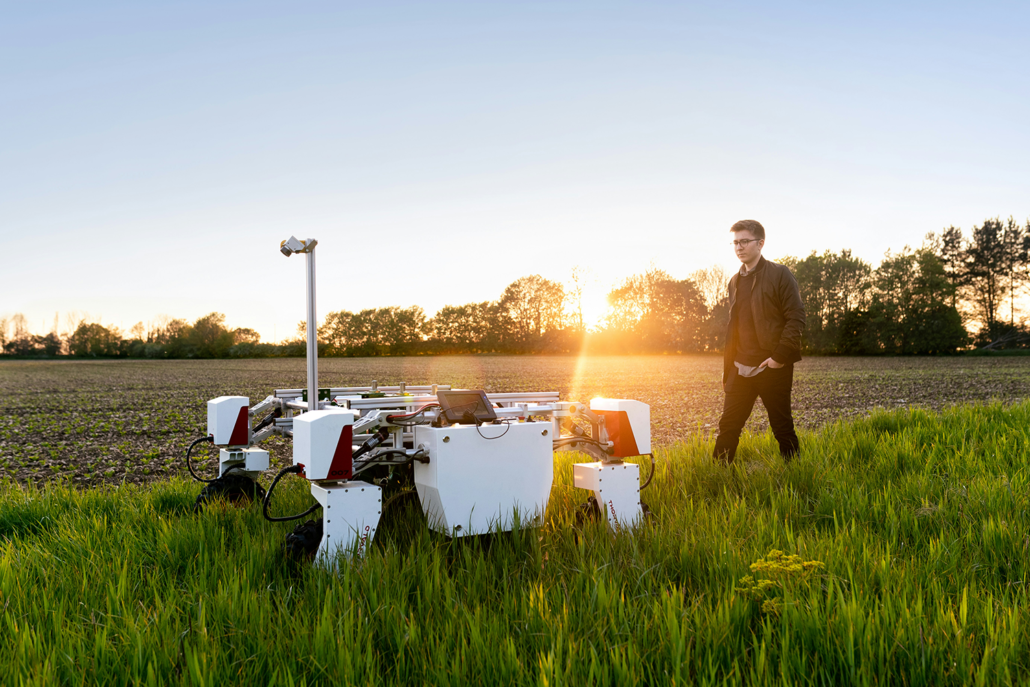 ThisisEngineering, Licensed from Unsplash
In the face of accelerating climate change, policymakers and scientists are increasingly recognizing the value of Indigenous knowledge in developing effective climate strategies. This intersection of traditional wisdom and modern science represents a powerful approach to understanding and addressing environmental challenges. However, bridging these two knowledge systems is not without its complexities and challenges.
Understanding Indigenous Knowledge
Indigenous Traditional Knowledge (ITK) represents a sophisticated understanding of specific territories and ecosystems deeply rooted in regional relationships and experiences. This place-based knowledge system encompasses comprehensive environmental understanding, characterized by detailed comprehension of local ecosystems, biodiversity patterns, and seasonal cycles. Knowledge holders maintain intimate awareness of habitat characteristics and local climate variations, which have developed through generations of observation and interaction.
The spatial dimension of this knowledge reflects profound connections to specific landscapes, incorporating a detailed understanding of geographical features within traditional territories. This includes recognition of sacred and cultural sites, alongside thorough knowledge of historical land use patterns that have shaped the environment over time.
Within these knowledge systems, complex ecological interactions are carefully documented and understood in oral histories. Knowledge holders recognize intricate species relationships and environmental indicators that signal changes or warnings within the ecosystem. Traditional resource management practices reflect a deep understanding of wildlife behaviour patterns and plant-habitat associations, enabling sustainable stewardship of the land.
The cultural context of this knowledge adds another vital dimension, expressed through language-specific ecological terms that capture a nuanced understanding of environmental relationships. Traditional stories and teachings serve as vehicles for transmitting this knowledge, while ceremonial connections to land reinforce cultural protocols for responsible stewardship. This knowledge continues to evolve through careful intergenerational transfer, ensuring its relevance and application for future generations.
The Strengths of Western Science
Integrating Indigenous Traditional Knowledge (ITK) and Western science offers significant opportunities for enhanced environmental understanding and management. This complementary relationship manifests in several key areas:
Knowledge Integration Benefits:
- Long-term Observational Data: Indigenous knowledge provides generations of detailed environmental observations that complement scientific data collection. These observations offer valuable historical baselines and document changes over extended periods, particularly in regions where scientific monitoring is recent or limited.
- Holistic Understanding: While Western science often focuses on specific components or isolated systems, Indigenous knowledge typically approaches environmental understanding through interconnected relationships. This holistic perspective helps identify complex ecological patterns and relationships that might be overlooked in more narrowly focused studies.
- Local Expertise: Indigenous knowledge holders possess a detailed understanding of local variations and subtle environmental changes that can inform and enhance scientific research methodologies. Their intimate knowledge of specific ecosystems provides a crucial context for scientific investigations.
Methodological Enhancements:
- Improved Research Design: Incorporating Indigenous perspectives in research design can lead to more comprehensive and culturally appropriate studies. This includes considering traditional seasonal timing, cultural protocols, and local environmental factors.
- Enhanced Data Collection: Traditional knowledge can guide where and when to conduct scientific studies, identifying critical areas for investigation and optimal timing for data collection based on generations of observation.
- Validation of Findings: Indigenous knowledge often provides independent verification of scientific findings while offering additional contextual information that enriches scientific understanding.
Practical Applications:
- Resource Management: Traditional management practices offer tested approaches for sustainable resource use, often demonstrating effectiveness over centuries or millennia.
- Climate Change Adaptation: Indigenous observations of environmental changes provide valuable insights for developing climate adaptation strategies, particularly in rapidly changing northern environments.
- Biodiversity Conservation: Traditional knowledge of species interactions and habitat requirements can inform more effective conservation strategies.
Learning Opportunities:
- Alternative Perspectives: Western science benefits from exposure to different ways of knowing and understanding environmental relationships.
- Cultural Context: Understanding the cultural context of environmental knowledge enriches scientific interpretation and application.
- Ethical Frameworks: Indigenous approaches to environmental stewardship offer valuable ethical perspectives for scientific research and application.
Future Directions:
- Collaborative Research Models: Development of new research frameworks that respectfully integrate both knowledge systems.
- Policy Integration: Creation of environmental policies that recognize and incorporate both traditional and scientific knowledge.
- Educational Programs: Development of educational approaches that teach students to work effectively with both knowledge systems.
This integration requires:
- Mutual respect and recognition of different ways of knowing.
- Commitment to genuine collaboration and knowledge sharing.
- Development of appropriate protocols for knowledge integration.
- Recognition of Indigenous intellectual property rights.
- Long-term relationship building between communities and institutions.
Challenges in Integration
While the benefits of integrating Indigenous knowledge and Western science are clear, significant challenges remain, requiring careful consideration and sustained effort to address. These challenges manifest across multiple dimensions:
Structural and Institutional Barriers:
- Embedded systemic biases in academic and research institutions.
- Limited recognition of Indigenous knowledge systems in funding mechanisms.
- Restrictive academic publication and peer review processes.
- Inadequate representation of Indigenous perspectives in decision-making bodies.
- Resource inequities in research partnerships.
Knowledge System Tensions:
- Differing approaches to knowledge validation and verification.
- Contrasting views on the relationship between humans and nature.
- Various interpretations of time, causality, and evidence.
- Distinct approaches to knowledge transmission.
- Different understandings of what constitutes expertise.
Ethical and Cultural Considerations:
- Protection of sacred or sensitive cultural knowledge.
- Appropriate protocols for knowledge sharing and use.
- Recognition and protection of Indigenous intellectual property rights.
- Preservation of cultural context in knowledge translation.
- Fair compensation for Indigenous knowledge contributions.
Methodological Challenges:
- Reconciling different research approaches and methodologies.
- Balancing quantitative and qualitative data requirements.
- Addressing issues of scale and generalizability.
- Integrating oral traditions with written documentation.
- Maintaining cultural integrity in research processes.
Implementation Barriers:
- Limited institutional capacity for cross-cultural engagement.
- Inadequate funding for long-term relationship building.
- Time constraints in academic and research contexts.
- Language barriers and translation challenges.
- Different expectations regarding research outcomes.
Required Actions for Progress:
- Development of Indigenous-led research protocols.
- Creation of appropriate knowledge-sharing frameworks.
- Establishment of equitable partnership models.
- Implementation of cultural safety training.
- Recognition of Indigenous research methodologies.
- Formation of Indigenous ethics review processes.
- Creation of Indigenous knowledge protection mechanisms.
Overcoming Barriers: Towards True Collaboration
To address these challenges and foster genuine integration, several approaches are being developed:
Ethical Frameworks for Collaboration
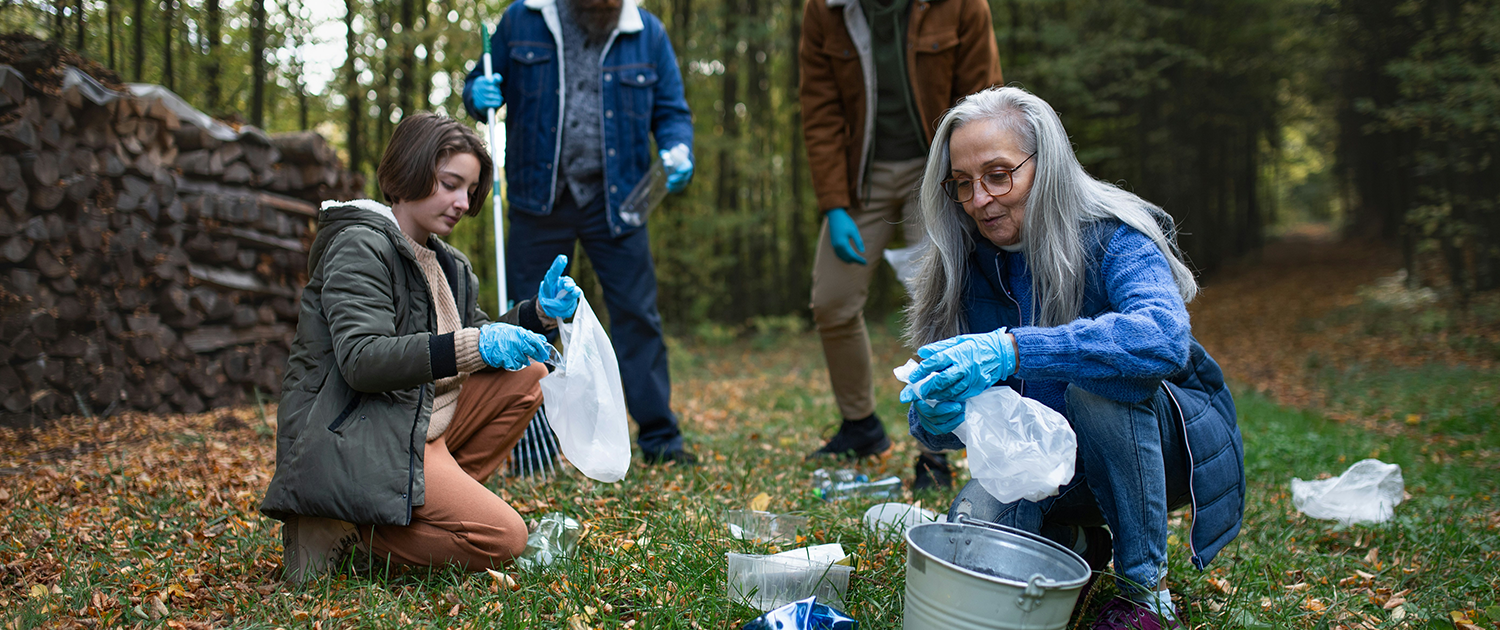
(Image Credit: Getty Images, Licensed from Unsplash+)
Many institutions are developing ethical guidelines for working with Indigenous knowledge. The First Nations Information Governance Centre’s OCAP® principles (Ownership, Control, Access, and Possession) provide a framework for how Indigenous data should be collected, protected, used, or shared.
Co-development of Research
Increasingly, climate research projects are being co-developed with Indigenous communities from the outset. This ensures that Indigenous perspectives and priorities are centred in the research process.
Research institutions increasingly recognize that meaningful collaboration extends beyond consulting First Nations communities. Effective partnerships require true co-creation of knowledge and Indigenous research ethics, ensuring Indigenous Peoples fully participate in all aspects of the research process.
Policy Frameworks for Knowledge Integration
Some jurisdictions are developing policy frameworks that mandate the inclusion of Indigenous knowledge in environmental decision-making. In Canada, the Impact Assessment Act of 2019 requires the consideration of Indigenous knowledge in federal impact assessments.
Indigenous Knowledge in International Climate Policy
The integration of Indigenous knowledge is gaining recognition at the international level. The Intergovernmental Panel on Climate Change (IPCC) has increasingly incorporated Indigenous knowledge in its assessment reports, acknowledging its value in understanding climate impacts and developing adaptation strategies.
International policy think-tanks and experts emphasize that the incorporation of Indigenous knowledge in global climate policies extends beyond improving environmental management. This inclusion represents both the acknowledgment of Indigenous peoples’ rights and the validation of their essential contributions to protecting biodiversity and mitigating climate change.
The Way Forward: Co-existence and Mutual Respect
True integration of Indigenous knowledge and Western science in climate policy requires more than just incorporating traditional practices into existing frameworks. It calls for a fundamental shift in how we view knowledge creation and environmental stewardship.
Indigenous Knowledge Holders promote approaches that recognize and utilize the strengths of both Indigenous and scientific ways of knowing, emphasizing the importance of using these knowledge systems together for enhanced understanding.
A Holistic Approach to Climate Change
As we face the unprecedented challenge of climate change, the integration of Indigenous knowledge and Western science offers a path towards more comprehensive, effective, and just climate policies. This approach not only enhances our understanding of environmental changes but also promotes more sustainable and equitable ways of relating to the natural world.
The journey of integrating these knowledge systems is ongoing, requiring patience, respect, and a willingness to challenge long-held assumptions. However, the potential rewards – in terms of more effective climate strategies, preservation of cultural wisdom, and a more holistic approach to environmental stewardship – are immense.
As we move forward in our fight against climate change, this integration of Indigenous traditional knowledge systems offers not just hope for more effective policies, but a model for how different ways of knowing can come together to address the greatest challenge of our time.
Blog by Rye Karonhiowanen Barberstock
(Header Image Credit: ThisIsEngineering, Licensed from Unsplash)
 Image Credit Philip Davis-Unspalsh

 Image Credit: Dustin Bowdige, Unsplash
 Matt Howard, Unsplash
 LaDawn Preuninger, Unsplash