
Water Protectors: Indigenous-Led Initiatives Safeguarding Canada’s Waterways in a Changing Climate
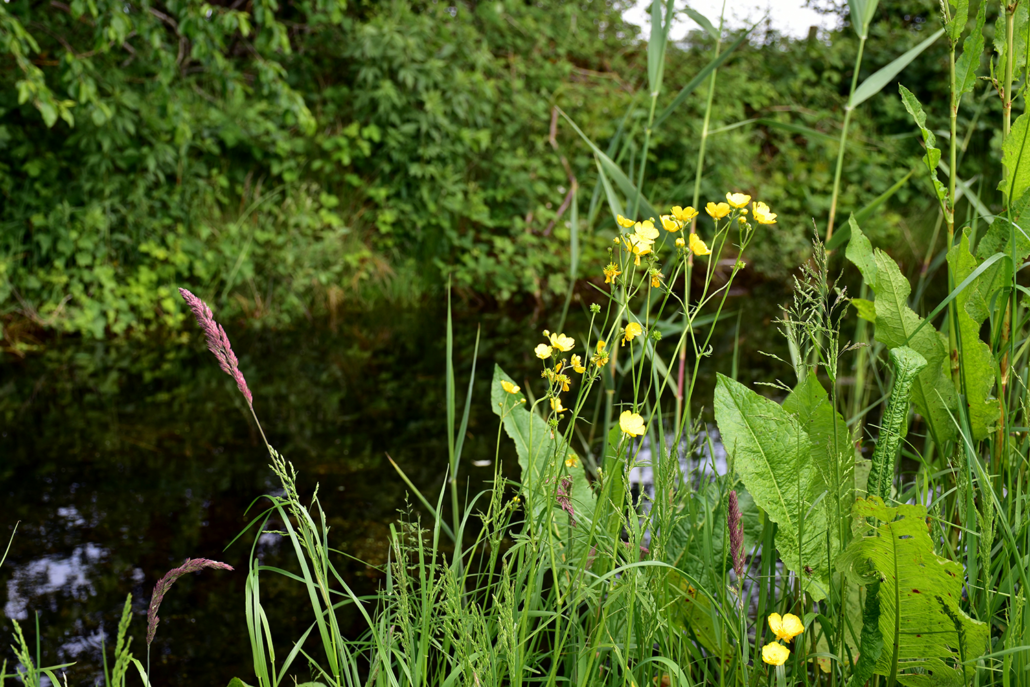 Ries Bosch, Unsplash
Across Canada, Indigenous communities are taking a stand as guardians of the nation’s waterways. Rooted in a sacred relationship with water that spans millennia, these “Water Protectors” are leading innovative initiatives to safeguard rivers, lakes, and oceans in the face of climate change. Their efforts not only address immediate environmental concerns but also assert Indigenous rights and revitalize cultural practices tied to water.
The Sacred Relationship with Water
For many Indigenous cultures, water represents more than just a resource, being viewed as a living entity deserving of respect and protection. Traditional knowledge keepers continue to emphasize the urgent need to protect and restore water systems. This understanding resonates throughout many Indigenous cultures, inspiring ongoing movements for water protection.
Climate change poses threats to waterways, affecting changing precipitation patterns, causing increased flooding, and leading to rising water temperatures and altered ecosystems. These changes impact both ecological systems and the cultural practices and livelihoods of Indigenous communities who maintain profound connections to these water bodies.
Traditional Water Governance

(Image credit: Arno Ryser, Unsplash)
Traditional Indigenous water protection efforts center on traditional water governance – systems of stewardship that have sustained healthy waterways for generations. These governance models, historically overlooked by colonial systems, increasingly receive recognition for their effectiveness in promoting sustainable water use.
Indigenous water governance principles emphasize the concept of living in balance with nature. This holistic approach recognizes the interconnectedness of all living things and emphasizes responsibility to future generations. Indigenous knowledge systems maintain that communities hold a sacred responsibility to protect water, not only for present needs, but for all of creation and future generations.
According to Grand Chief Stewart Phillip of the Union of BC Indian Chiefs, “Water is the lifeblood of Mother Earth. It’s everything to us. Water is sacred, and it’s a symbol of our sovereignty.”
Indigenous-Led Water Protection Initiatives
Across the country, Indigenous communities are launching grassroots initiatives to monitor, protect, and restore their waterways.
Community-Based Monitoring Programs
Indigenous communities across various regions have developed comprehensive water monitoring programs. Community members, trained in both traditional knowledge and scientific methods, conduct water quality assessments and track changes in their local watersheds. These initiatives provide crucial data on water health while empowering communities to take an active role in water stewardship.
Restoration of Traditional Water Systems
Indigenous communities are leading efforts to restore traditional fish habitats damaged by development and exacerbated by climate change. Through the integration of traditional knowledge with modern conservation techniques, these initiatives have successfully restored fish populations to waterways where they had been absent for generations.
These restoration efforts extend beyond matters of food security and environmental health. They represent cultural revitalization and reinforce Indigenous peoples’ role as stewards of these ecosystems.
Legal and Policy Advocacy
Indigenous communities continue to advance water rights through legal and policy frameworks. First Nations, Inuit, and Métis peoples increasingly assert their inherent rights to water governance, challenging water laws that have marginalized Indigenous perspectives.
Contemporary Indigenous treaties include provisions for water management and protection. These approaches establish Indigenous water rights within legally binding agreements, creating frameworks for shared responsibility and stewardship.
Combining Traditional Knowledge and Western Science
A key strength of Indigenous water protection initiatives lies in their ability to bridge traditional knowledge and scientific approaches. This integration creates more comprehensive and effective water management strategies.
Collaborative research initiatives unite Indigenous knowledge holders and researchers to study watershed systems. These partnerships generate valuable insights into environmental changes through the combination of generational knowledge and scientific analysis.
Indigenous knowledge keepers provide crucial historical perspectives on environmental changes, offering detailed observations of ecosystem transformations across generations. The integration of this long-term observational knowledge with scientific data creates a more complete understanding of environmental changes and necessary actions.
Water Ceremonies and Cultural Revitalization
Water protection encompasses environmental conservation and cultural revitalization. Indigenous-led initiatives incorporate traditional ceremonies and cultural practices, recognizing the inseparable link between water health and community wellbeing.
Traditional ceremonial practices have inspired Indigenous and non-Indigenous people to reconnect with waterways. These ceremonies raise awareness about water issues while strengthening cultural traditions.
Indigenous perspectives view water as sacred, emphasizing its living essence rather than treating it as a resource. This understanding shapes the approach to environmental stewardship, positioning Indigenous Peoples as protectors rather than protestors.
Anishinaabe water activist and Anishinabek Nation Chief Water Commissioner Autumn Peltier emphasizes, “My job has been to give water a voice, because we need to protect water for our future and futures to come.”
Challenges and Successes
Despite their crucial work, Indigenous communities engaged in water protection face significant challenges. Industrial activities, including pipeline projects and mining operations, continue to threaten water sources in Indigenous territories. The complexity of jurisdictional issues between Indigenous, provincial, and federal governments presents ongoing barriers.
These efforts have achieved notable successes. Indigenous water protection movements have successfully raised awareness and gathered support for protecting crucial waterways from industrial development. These actions continue to demonstrate the role of Indigenous peoples as environmental stewards.
The Future of Indigenous Water Protection
As environmental challenges increase, the role of Indigenous environmental stewardship grows increasingly crucial. A new generation of leaders integrates traditional knowledge with new technologies, implementing drones, AI, and social media to monitor and protect waterways.
The movement continues to evolve as young Indigenous leaders embrace water protection, combining ancestral knowledge alongside modern tools and technologies. This integration of traditional wisdom and contemporary approaches shapes the future of environmental stewardship.
Indigenous Water Protection as a Model for Climate Resilience

(Image credit: Getty Images, Licensed, Unsplash)
Indigenous approaches to environmental stewardship offer an effective model for climate change adaptation and mitigation. This holistic approach, which recognizes water health as inseparable from community and cultural well-being, demonstrates successful frameworks for sustainable water management in a changing climate.
As regions experience increasing water-related impacts of climate change, from flooding to droughts, traditional wisdom and practices become increasingly valuable. These approaches protect vital ecosystems while establishing a more equitable and sustainable approach to water governance.
Supporting Indigenous water rights and protection efforts represents both an environmental imperative and a step towards reconciliation with Indigenous Peoples. In addressing the growing challenges of climate change, Indigenous leadership and knowledge provide crucial guidance toward a future ensuring clean, healthy waters for future generations.
Blog by Rye Karonhiowanen Barberstock
(Header Image Credit: Ries Bosch, Unsplash)
 Bonnie Kittle (Unsplash)
 Shutterstock, Licensed
 LaDawn Preuninger, Unsplash
 Unsplash Community, Licensed

 Getty Images, Licensed, Unsplash