
The Role of Elders in Guiding Climate Change Mitigation: Wisdom from Canada’s First Nations
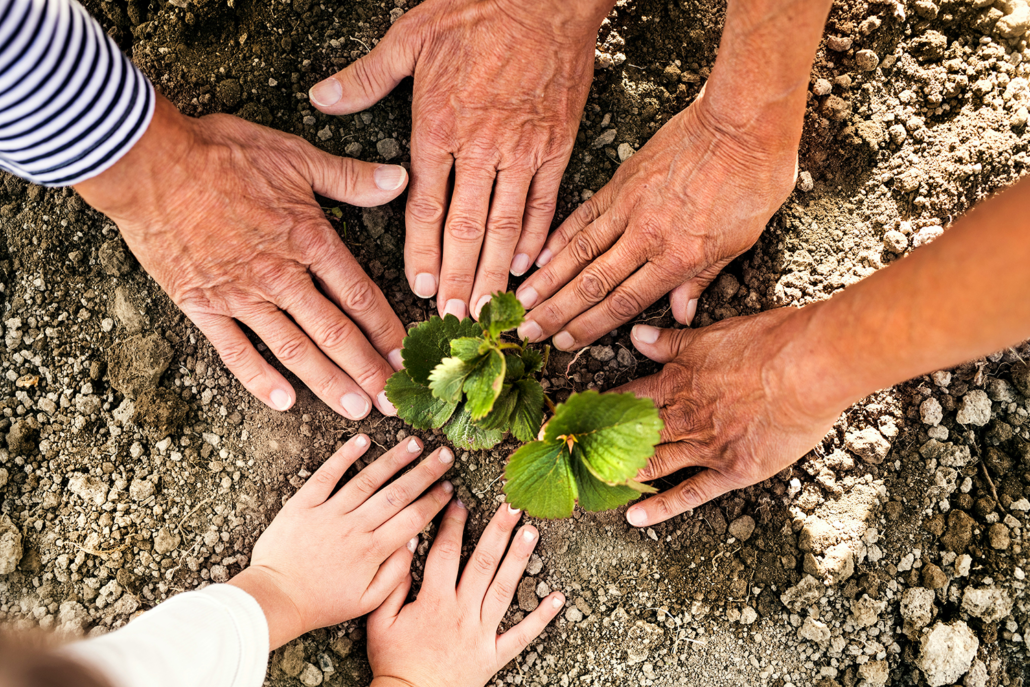
As climate challenges intensify, Indigenous communities across the country are increasingly consulting their knowledge keepers and Elders. These traditional leaders, equipped with their deep understanding of the land and generations of accumulated wisdom, play a crucial role in guiding their communities through environmental and climatic changes. Their insights, developed through centuries of observation and connection to the land, continue to offer valuable perspectives on climate change mitigation and adaptation.
Traditional Knowledge and Climate Observations
Indigenous Elders make vital contributions to climate change mitigation through their guidance on sustainable practices. Drawing on traditional ecological knowledge, Elders pass down wisdom to younger generations about living in harmony with the land, which has become increasingly crucial in addressing climate challenges.
In British Columbia, Indigenous Elders have been instrumental in guiding sustainable forestry practices. Their traditional laws emphasize taking only what is needed while considering future generations. This ancestral wisdom now guides forest management approaches that both honour cultural values and address climate concerns.
These sustainable practices extend beyond forestry. Across many Indigenous communities, Elders are reviving traditional agricultural methods that demonstrate remarkable resilience to changing climate conditions. For instance, Indigenous Elders in British Columbia’s interior share knowledge about drought-resistant plants and water conservation techniques refined and preserved through generations.
Guiding Sustainable Practices

(Image Credit: Rafael Albornoz, Unsplash)
One of the most significant contributions of Elders in climate change mitigation is their guidance on sustainable practices. Drawing on traditional ecological knowledge, Elders teach younger generations how to live in harmony with the land, a principle that’s becoming increasingly crucial in the fight against climate change.
Indigenous Elders in coastal regions have been instrumental in guiding sustainable forestry practices. Their traditional laws emphasize the importance of taking only what is needed while considering future generations. This ancestral wisdom continues to guide forest management strategies that both honour cultural values and address climate concerns.
These sustainable practices extend beyond forestry. Throughout various regions, Elders are reviving traditional agricultural methods that have demonstrated resilience to changing climate conditions. Indigenous communities across the country share ancestral knowledge about drought-resistant plants and water conservation techniques that have sustained their people for generations.
Cultural Continuity in the Face of Climate Change
As the climate changes, communities adapt some cultural practices. Elders play a vital role in ensuring cultural continuity by guiding the evolution of traditional practices to align with new environmental realities while maintaining their core spiritual and cultural significance.
Language preservation remains a crucial part of this effort. Indigenous languages contain specific terms related to weather patterns, ice conditions, and animal behaviours that capture unique environmental knowledge. The preservation of these languages safeguards a wealth of climate-related knowledge and understanding.
Indigenous knowledge keepers emphasize that language creates a connection to the land. They recognize that the loss of traditional words represents a diminishment in understanding the environment. Language preservation thus becomes an integral part of climate action and environmental stewardship.
Elders in Climate Policy and Decision-Making
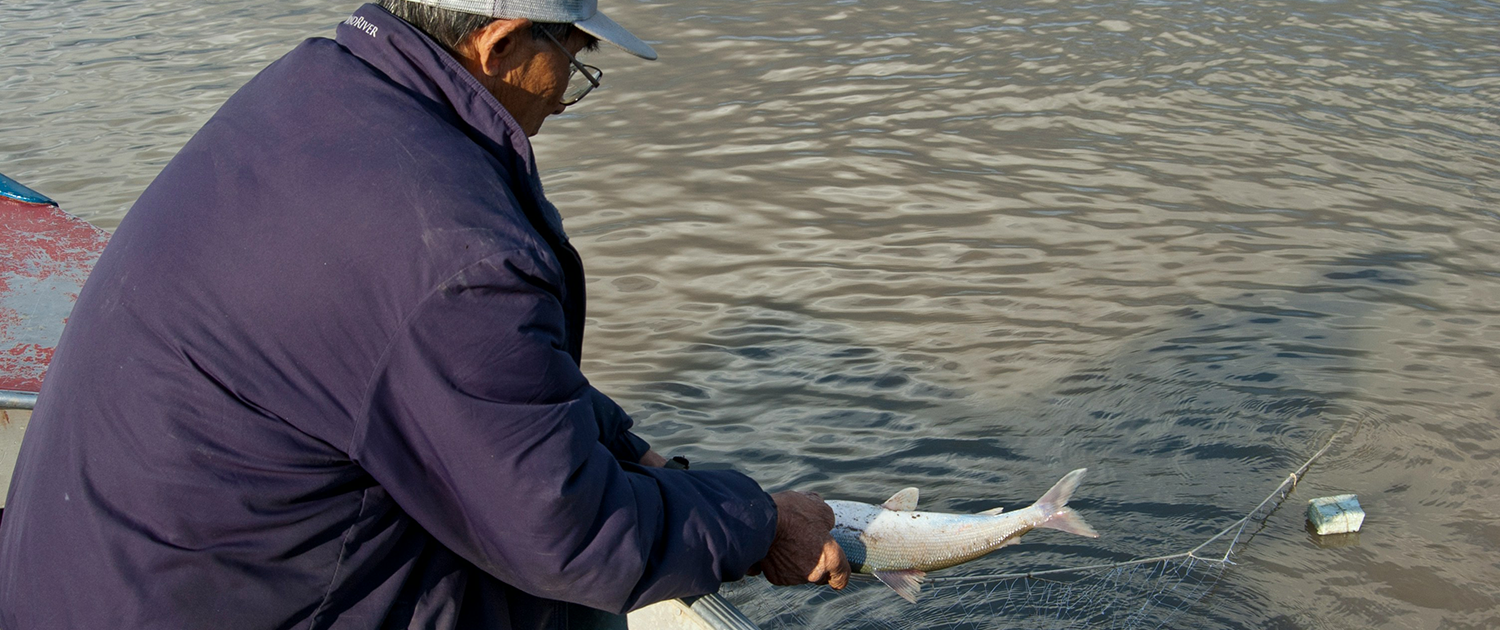
(Image Credit: Alan Emery, Unsplash)
Both Indigenous communities and government bodies have come to recognize the importance of including Elders in climate policy and decision-making processes. Their involvement ensures that traditional knowledge works in partnership alongside scientific data in developing comprehensive climate strategies.
In northern regions, Indigenous Elders play a significant role in regional climate initiatives. Their observations of changing sea ice conditions, wildlife migrations, and weather patterns help shape policy decisions and adaptation strategies. Traditional knowledge, developed through millennia of land-based experience, strengthens and enhances scientific understanding, creating more effective solutions.
Environmental assessment processes routinely include consultations with Elders, recognizing that their deep understanding of local ecosystems provides essential insight for accurately predicting and mitigating the impacts of development projects in a changing climate.
Intergenerational Knowledge Transfer
Among the most important roles Elders play is their work in transferring knowledge to younger generations. This intergenerational learning proves vital for building long-term community resilience to climate change.
Throughout various regions, communities have developed programs that bring Elders and youth together on the land. Indigenous Elders share vital land-based skills with young people, including traditional safety techniques, while adapting ancestral knowledge to respond to unpredictable environmental conditions amid climate change.
Indigenous youth recognize that knowledge shared by Elders connects the past with the future. This wisdom encompasses how to read the land, respect it, and protect it. This knowledge remains crucial as communities face climate change challenges.
Challenges and Opportunities
While the role of Elders in climate change mitigation gains broader recognition, challenges remain. Documenting and preserving traditional knowledge, especially regarding changing environmental conditions, requires ongoing dedication. Indigenous communities utilize digital technologies to preserve Elders’ observations, creating living archives of environmental knowledge.
Integrating traditional knowledge with scientific climate data presents both challenges and opportunities. Indigenous knowledge platforms that combine traditional observations with modern technology to track environmental changes demonstrate the potential of blending traditional and modern approaches to climate monitoring.
The Wisdom of the Elders, A Guiding Light in Climate Action
As Canada grapples with the realities of climate change, the wisdom of Indigenous Elders shines as a beacon of hope and guidance. Their deep connection to the land, their long-term perspective, and their holistic understanding of ecosystems offer invaluable insights for climate change mitigation and adaptation.
The involvement of Elders in climate initiatives does more than just inform strategies – it strengthens cultural resilience, empowers communities, and ensures that climate actions are rooted in respect for the land and future generations.
As we move forward in our collective fight against climate change, amplifying the voices of Indigenous Elders and heeding their wisdom will be crucial. Their teachings remind us that effective climate action is not just about technological solutions but about fostering a deeper, more respectful relationship with the Earth – a lesson that all Canadians, and indeed the world, would do well to embrace.
Blog by Rye Karonhiowanen Barberstock
(Header Image Credit: Getty Images, licensed under Unsplash)
 Arnaud Measureur, Unsplash
 Saddle Lake Cree Nation
 Li-An Lim, Unsplash
 Matt Bango, Unsplash
 Getty Images, Unsplash
 Ries Bosch, Unsplash