
The Healing Land: Indigenous-Led Conservation Efforts as Climate Change Mitigation
 Nathan Anderson, Unsplash
Indigenous-led conservation efforts demonstrate effective approaches to environmental stewardship and climate change mitigation. These initiatives, grounded in millennia-old traditions of sustainable land management, achieve multiple objectives: protecting biodiversity, enhancing carbon sequestration, revitalizing cultural practices, and strengthening Indigenous sovereignty.
These conservation approaches represent sophisticated environmental management systems that integrate multiple layers of knowledge and practice. Traditional Ecological Knowledge (TEK) forms the foundation, providing deep understanding of local ecosystems and their interconnections. This knowledge, developed and refined over generations, guides holistic ecosystem management practices that consider the complex relationships between all elements of the natural world.
The long-term sustainability focus of these initiatives reflects Indigenous perspectives on local environmental stewardship. Rather than pursuing short-term gains, these approaches emphasize maintenance of ecological balance for future generations. This perspective naturally aligns with current climate change mitigation goals, demonstrating how traditional practices can address modern environmental challenges.
Strong community engagement characterizes these conservation efforts, ensuring broad participation and support. This collective approach strengthens project outcomes while reinforcing cultural connections to the land. Communities actively participate in decision-making, implementation, and monitoring, creating robust and sustainable management systems.
Enhanced environmental protection emerges through the combination of traditional knowledge and contemporary conservation practices. These approaches often achieve superior results in biodiversity preservation and ecosystem health compared to conventional conservation methods. The intimate understanding of local ecosystems allows for more nuanced and effective protection strategies.
Cultural preservation methods are seamlessly integrated into these conservation initiatives, recognizing that environmental and cultural sustainability are intrinsically linked. Traditional practices and ceremonies continue alongside conservation activities, ensuring that cultural knowledge and connections to the land remain vital and relevant.
Effective carbon management strategies demonstrate another crucial benefit of Indigenous-led conservation. Traditional land management practices often result in enhanced carbon sequestration while maintaining biodiversity and ecosystem health. These approaches provide proven models for addressing climate change while supporting multiple environmental and cultural objectives.
Indigenous Protected and Conserved Areas (IPCAs)
Indigenous Protected and Conserved Areas (IPCAs) represent a transformative approach to environmental stewardship, combining traditional governance with contemporary conservation objectives. These designated areas embody Indigenous rights and responsibilities to the land, while demonstrating effective ecosystem management through traditional knowledge systems. IPCAs operate under unique governance frameworks that prioritize Indigenous decision-making and cultural values, moving beyond conventional protected area models to create more holistic and culturally appropriate conservation approaches.
The establishment of IPCAs reflects a fundamental shift in conservation paradigms, acknowledging Indigenous Peoples’ role as primary stewards of their traditional and treaty-protected territories. These areas serve multiple functions: protecting biodiversity, maintaining cultural practices, supporting traditional economies, and strengthening Indigenous governance systems. Through IPCAs, communities implement sophisticated environmental management strategies that draw upon generations of ecological knowledge while incorporating contemporary conservation science.
The governance structure of IPCAs demonstrates Indigenous self-determination in action. Indigenous communities develop and implement management plans that reflect their cultural values, traditional laws, and environmental priorities. This approach ensures that conservation efforts align with Indigenous worldviews while meeting contemporary environmental challenges. Management decisions consider not only ecological factors but also cultural, spiritual, and economic aspects of land stewardship.
These protected areas also serve as living laboratories for climate change adaptation. Through IPCAs, Indigenous communities monitor environmental changes, document ecological responses, and implement adaptive management strategies. This combination of traditional knowledge and contemporary conservation creates resilient systems capable of responding to environmental challenges while maintaining cultural continuity.
The establishment of IPCAs strengthens intergenerational knowledge transmission. These areas provide spaces where Elders and Knowledge Keepers can teach younger generations traditional practices, ecological knowledge, and cultural protocols. This knowledge transfer ensures the continuation of sustainable management practices while maintaining cultural connections to the land. Youth engagement in IPCA management creates opportunities for combining traditional knowledge with modern conservation techniques.
IPCAs also demonstrate the effectiveness of Indigenous-led conservation in achieving national and international conservation objectives. These areas contribute significantly to biodiversity protection, carbon sequestration, and ecosystem resilience. Their success provides models for expanding Indigenous-led conservation initiatives and incorporating Indigenous approaches into broader environmental protection strategies.
Guardian Programs: Indigenous-Led Monitoring and Management
Indigenous Guardian programs represent a vital approach to environmental stewardship, empowering communities to actively manage and protect their traditional territories through direct monitoring and conservation activities. These programs combine traditional knowledge with contemporary conservation techniques, creating effective systems for environmental protection and cultural preservation.
Guardians serve as the eyes and ears on the land, conducting essential monitoring activities that support ecosystem health. Their work encompasses multiple responsibilities: tracking wildlife populations, monitoring water quality, assessing habitat conditions, documenting environmental changes, and maintaining cultural sites. This comprehensive approach to environmental monitoring provides crucial data for understanding ecosystem dynamics and identifying emerging environmental challenges.
The professional role of Guardians extends beyond basic monitoring to include active land management. They implement conservation strategies, maintain traditional harvesting sites, manage access to sensitive areas, and conduct ecological restoration projects. Guardians also play a crucial role in emergency response, participating in search and rescue operations, wildfire management, and environmental emergency responses within their territories.
Guardian programs strengthen community connections to traditional territories while providing meaningful employment opportunities. These positions combine cultural knowledge with technical skills, creating professional paths that allow community members to work on their lands while maintaining cultural practices. The programs often include training in both traditional practices and modern conservation techniques, as well as building capacity within communities for long-term environmental management.
The data collected through Guardian programs supports evidence-based decision-making in land management. Guardians document environmental changes, track the effectiveness of conservation measures, and identify areas requiring additional protection. This information guides community leadership in making informed decisions about resource management, conservation priorities, and adaptation strategies.
The success of Guardian programs demonstrates the effectiveness of Indigenous-led approaches to environmental protection. These programs provide models for expanding Indigenous leadership in conservation while creating opportunities for meaningful employment and cultural continuity. Their achievements in combining traditional knowledge with contemporary conservation practices offer valuable lessons for broader environmental management efforts.
Challenges and Opportunities
While Indigenous-led conservation efforts have shown remarkable success, they also face significant challenges.
Funding and Capacity Building
Securing long-term, stable funding for Indigenous Protected and Conserved Areas (IPCAs) and Guardian programs remains challenging. However, initiatives like the federal government’s Target 1 Challenge and the Indigenous Guardians Pilot Program provide crucial support. Additional support is required for these land stewardship initiatives’ potential to be fully realized. Expanding IPCAs and Guardian Programs across Canada would provide immediate and long-term benefits for observation, adaptation, and mitigation efforts in protecting precious natural resources. To learn more about IPCAs, please visit: https://www.ilinationhood.ca/publications/backgrounderipcasguardians.
Reconciling Legal Frameworks
The implementation of Indigenous-led conservation within existing colonial legal frameworks presents both challenges and opportunities as two distinct systems of law and governance intersect. While Canadian law operates through hierarchical structures and property-based frameworks, Indigenous governance systems embrace holistic, relationship-based approaches to environmental stewardship. This fundamental difference creates both tension and potential for innovative conservation solutions.
The complexity of integration stems from deeply rooted philosophical differences in how these systems approach authority and environmental management. Indigenous governance systems view authority as emerging from responsibilities to the land, emphasizing stewardship obligations and reciprocal relationships with the environment. This contrasts with Canadian legal frameworks that primarily approach conservation through regulatory mechanisms and property rights. These different worldviews often lead to challenges in establishing mutually acceptable conservation approaches.
Despite these challenges, progress emerges through various collaborative mechanisms. New conservation frameworks increasingly recognize the validity and importance of Indigenous laws and traditional governance systems. This evolution manifests in several ways:
Co-Management Arrangements
Modern conservation initiatives increasingly incorporate co-management structures that respect both Indigenous and Canadian legal systems. These arrangements recognize Indigenous decision-making authority while working within existing legal frameworks. Such approaches allow for integrating traditional knowledge and practices into conservation planning while maintaining legal certainty within the Canadian system.
Recognition of Traditional Authority
Conservation efforts now more frequently acknowledge Indigenous Peoples’ inherent right to manage their traditional territories. This recognition extends to traditional decision-making processes, cultural practices, and knowledge systems. Implementation often includes:
- Incorporation of traditional ecological knowledge in management planning.
- Recognition of Indigenous guardianship programs.
- Support for Indigenous-led monitoring and enforcement.
- Integration of cultural practices in conservation strategies.
Adaptive Governance Models
New governance models emerge that bridge Indigenous and Canadian legal systems. These hybrid approaches maintain Indigenous authority within colonial legal frameworks. Such models often feature:
- Consensus-based decision-making processes.
- Long-term, multi-generational planning perspectives.
- Integration of spiritual and cultural values.
- Recognition of traditional land management practices.
Legal Innovation
Progressive legal frameworks are developed to accommodate Indigenous governance systems within conservation initiatives. These innovations include:
- New protected area designations that recognize Indigenous authority.
- Flexible management arrangements that respect traditional practices.
- Modified consultation requirements that align with Indigenous protocols.
- Legal recognition of traditional stewardship rights.
Capacity Building
Successful implementation often requires building capacity within both Indigenous communities and government institutions. This includes:
- Training in cross-cultural understanding.
- Development of Indigenous Guardianship programs.
- Support for traditional knowledge documentation.
- Enhancement of community-based monitoring capabilities.
Future Directions
The evolution of Indigenous-led conservation and colonial legal frameworks continues to develop through:
- Expanded recognition of Indigenous legal orders.
- Enhanced support for Indigenous self-determination.
- Development of new cooperative management models.
- Integration of traditional knowledge in decision-making.
- Creation of space for cultural practices within conservation frameworks.
These developments represent significant progress in reconciling different legal and governance systems while advancing effective conservation outcomes. The recognition and practice of Indigenous laws and governance systems in conservation efforts not only enhance environmental protection but also support cultural revitalization and Indigenous sovereignty. This evolving relationship between Indigenous and Canadian legal systems provides models for future conservation initiatives that respect and incorporate both traditional and contemporary approaches to environmental stewardship.
Policy Implications: Supporting Indigenous-Led Conservation
The success of Indigenous-led conservation efforts has important implications for climate policy at both national and international levels. These initiatives demonstrate effective approaches to environmental stewardship by integrating traditional knowledge with contemporary conservation methods. Their success provides valuable models for climate adaptation and mitigation strategies, particularly in areas of biodiversity protection, sustainable resource management, and ecosystem restoration. Furthermore, these achievements strengthen the case for expanding Indigenous leadership roles in environmental decision-making processes and policy development.
Healing the Land, Healing the Climate
Indigenous-led conservation efforts represent a powerful approach to climate change mitigation, one that recognizes the intrinsic link between environmental health, cultural well-being, and Indigenous rights. By protecting and restoring regional ecosystems, these initiatives not only sequester carbon and preserve biodiversity but also revitalize cultural practices and assert Indigenous sovereignty.
As the world searches for effective climate solutions, Indigenous-led conservation offers a model of stewardship that is both ancient and innovatively relevant to our current crisis. These efforts demonstrate that healing the land and addressing climate change are deeply intertwined processes rooted in respect for Indigenous knowledge and rights.
As we progress in our global efforts to mitigate climate change, supporting and learning from Indigenous-led conservation initiatives will be crucial. These efforts offer not just hope for a more sustainable future but a practical pathway to achieving it – one that honours the deep connections between land, culture, and climate that have sustained Indigenous Peoples for millennia.
Blog by Rye Karonhiowanen Barberstock
(Image Credit: Nathan Anderson, Licensed from Unsplash+)
 Erik Kartis, Unsplash

 Zarif Ali, Unsplash
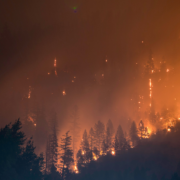 Matt Howard, Unsplash
 Li-An Lim, Unsplash
 LaDawn Preuninger, Unsplash
 Li-An Lim, Unsplash