
Arctic Resilience: Inuit Communities at the Forefront of Climate Change Adaptation
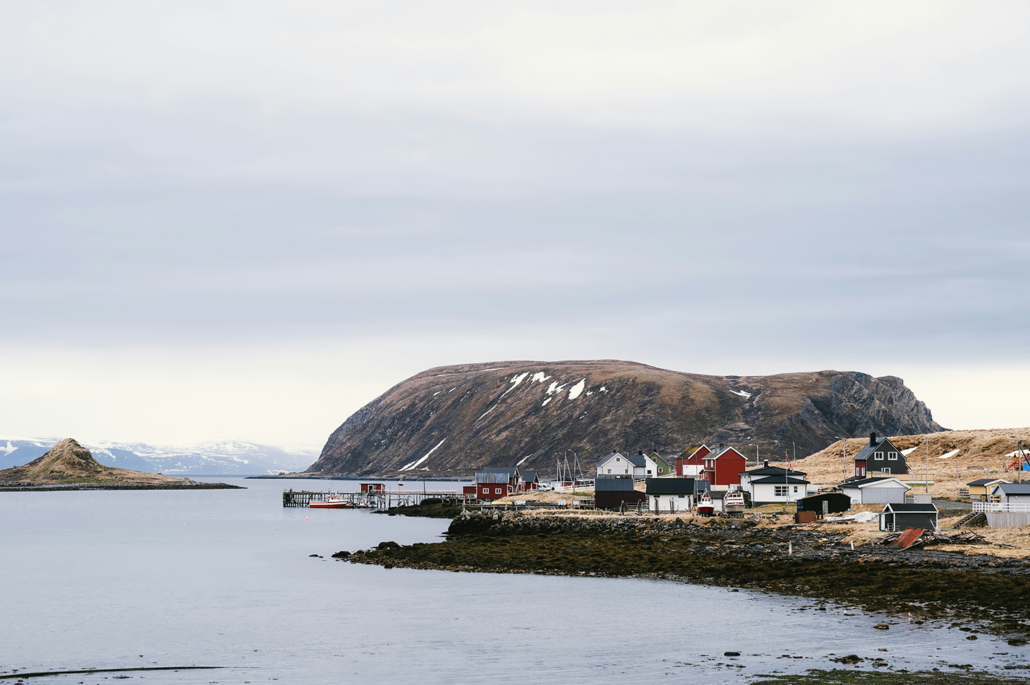 Unsplash Community, Licensed
The Canadian Arctic is experiencing climate change at a rate two to three times faster than the global average. For Inuit communities who have thrived in this challenging environment for millennia, this rapid transformation presents unprecedented challenges. Yet, drawing on their deep connection to the land, traditional knowledge, and innovative spirit, Inuit are leading the way in climate change adaptation, offering lessons of resilience that resonate far beyond the Arctic Circle.
The Changing Face of the North
The impacts of climate change in the Arctic are stark and far-reaching. Melting sea ice, thawing permafrost, and changing wildlife patterns are not just environmental concerns – they strike at the heart of Inuit culture, livelihoods, and well-being.
Indigenous leaders from northern regions emphasize that Arctic environmental changes have global implications. Northern environmental challenges often forecast broader global impacts. The preservation of Arctic communities and their ways of life represents a crucial indicator for global environmental health.
Sheila Watt-Cloutier, renowned Inuit activist and author, puts it powerfully: “Think about the interconnectedness of the arctic ice. What happens in the arctic doesn’t stay in the arctic. It’s impacting the rest of the planet. The arctic is the air conditioner for the world, and it’s breaking down.“
Traditional Knowledge: The Bedrock of Adaptation
At the core of Inuit resilience is Inuit Qaujimajatuqangit (IQ) – traditional knowledge passed down through generations. This holistic understanding of the environment is proving invaluable in navigating the challenges of a changing climate.
Adaptive Hunting and Travel
As sea ice becomes less predictable, Inuit hunters are adapting their practices, combining traditional knowledge with modern technology. In Nunavut, hunters use GPS and satellite imagery alongside traditional navigation methods to safely traverse changing ice conditions.
Inuit knowledge holders in northern communities emphasize how Elders pass down traditional skills for understanding the ice, wind, and currents. Contemporary education combines youth in both these traditional skills and new technologies. This approach represents the evolution of traditions rather than their displacement.
Changing Food Systems
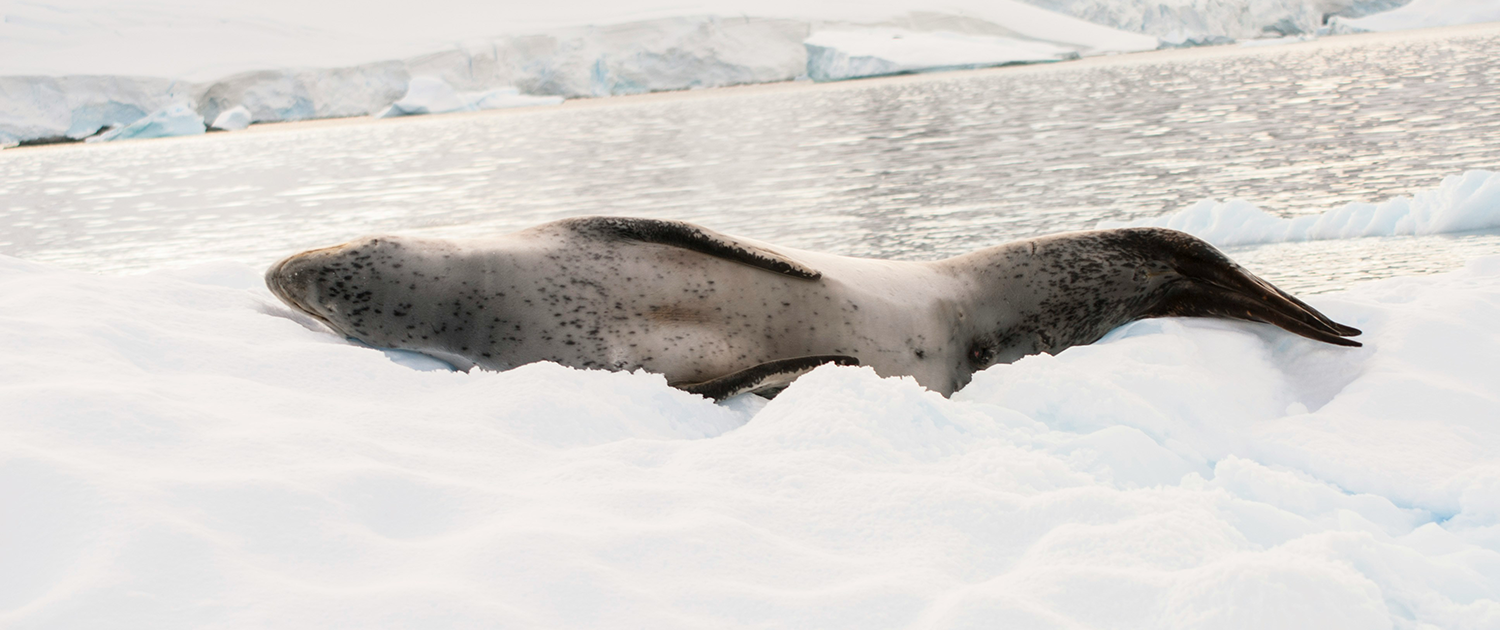
(Image Credit: Getty Images, Licensed from Unsplash)
Climate change is altering the availability of traditional food sources. In response, many communities are revitalizing traditional food preservation techniques while exploring new food sources.
In Nunavik, northern Quebec, community freezers stocked with country food (traditional game and fish) are helping to ensure food security as hunting conditions become more unpredictable. Simultaneously, some communities are experimenting with greenhouse agriculture, adapting southern growing techniques to the Arctic environment.
Community-Led Initiatives
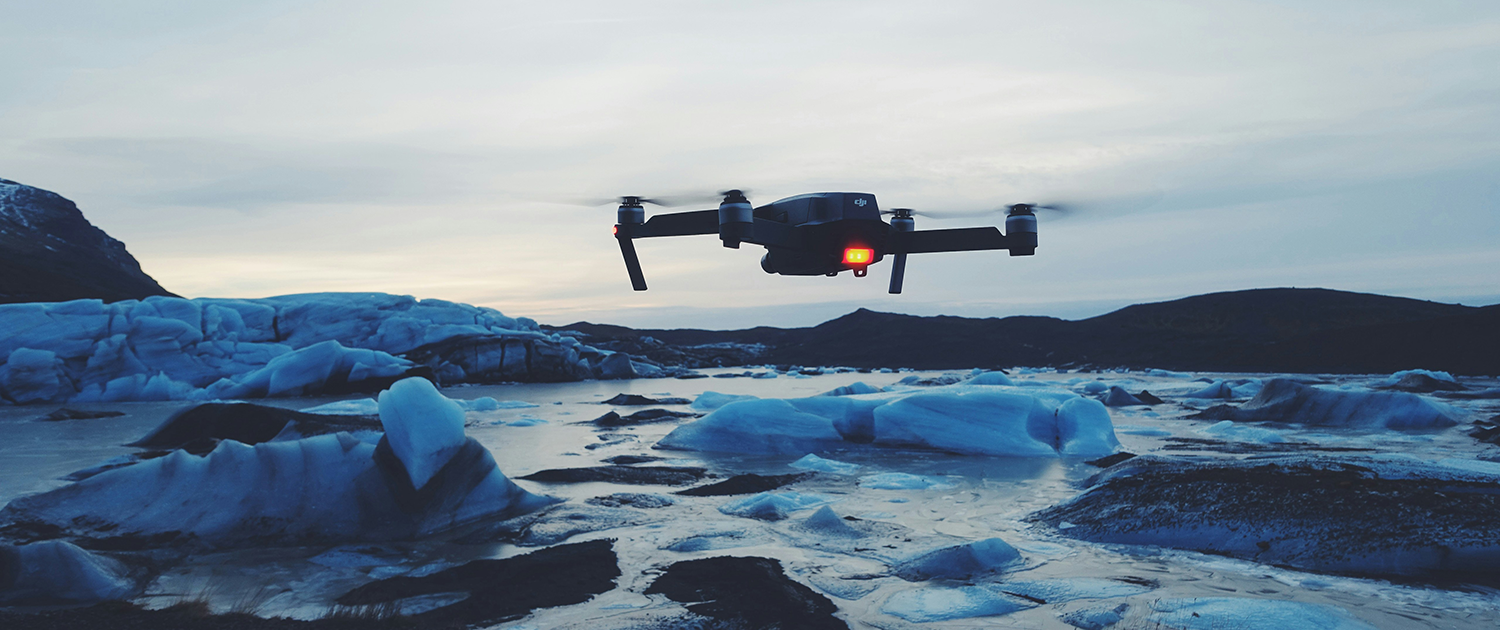
(Image Credit – Dion Tavenier, Unsplash)
Across the Canadian Arctic, Inuit communities are taking the lead in developing and implementing adaptation strategies.
The Nunavut Climate Change Centre
Developed by the Government of Nunavut’s Department of Environment, the Nunavut Climate Change Centre (NC3) serves as an online hub connecting Nunavummiut with vital information about climate change impacts and adaptation. Working alongside Natural Resources Canada, the Nunavut Research Institute, and various Inuit organizations, the centre implements the territory’s Upagiaqtavut: Setting the Course climate change framework document objectives while making climate knowledge more accessible to communities. Through its web-based platform, NC3 helps residents understand, engage with, and adapt to the changing environmental conditions affecting their land.
SmartICE: Bridging Traditional Knowledge and Technology
Blending traditional Inuit knowledge with innovative technology, SmartICE (Sea-ice Monitoring and Real-Time Information for Coastal Environments) enhances Arctic communities’ understanding of changing sea-ice conditions. Led by Memorial University of Newfoundland through a collaborative partnership, this system uses mobile sensors and satellite imagery to complement generations of Inuit expertise in ice safety. Rather than replacing traditional knowledge, SmartICE’s real-time monitoring tools support Inuit decision-making about safe travel routes across sea ice, while ensuring Inuit leadership remains central in the program’s operations and development.
According to Dr. Trevor Bell, SmartICE Founding Director, “By augmenting Indigenous knowledge and supporting ice use, SmartICE is also helping strengthen Indigenous culture and supporting intergenerational teaching and community building.”
Health and Well-being in a Changing North
Climate change poses significant challenges to Inuit health and well-being, from increased risk of accidents on unstable ice to impacts on mental health as traditional ways of life are disrupted.
Mental Health Initiatives
Many communities are developing mental health programs that incorporate traditional Inuit values and practices. For example, the Tungasuvvingat Inuit Ilagiiqatigiitsiarniq Program (formerly Family Well-Being Program) is a community-led, prevention-focused program rooted in Inuit cultural values. The program empowers communities to nurture the health and well-being of their families through preventative care. This initiative delivers culturally grounded, holistic support services that strengthen bonds between children, youth, and families while honouring traditional Inuit approaches to wellness.
Revitalizing Traditional Medicine
As the Arctic ecosystem changes, some traditional medicinal plants are becoming scarcer. In response, initiatives like the Nunavik Inuit Research Centre are working to document traditional medicinal knowledge and explore ways to cultivate important plants locally.
Policy and Advocacy: Inuit Voices on the Global Stage
Inuit leaders are ensuring that Arctic voices are heard in national and international climate policy discussions.
Inuit Tapiriit Kanatami’s National Inuit Climate Change Strategy
The Inuit Tapiriit Kanatami (ITK), the national representational organization for Inuit in Canada, has developed a comprehensive National Inuit Climate Change Strategy. This strategy outlines Inuit-led approaches to climate change adaptation and mitigation, emphasizing the importance of Inuit knowledge in policymaking.
The ITK website, states, “Our climate strategy advances Inuit determined actions to strengthen the sustainability and resilience of our communities in the face of a rapidly changing climate and landscape.“
International Advocacy
Inuit leaders are also active on the international stage, bringing Arctic perspectives to global climate negotiations. Their advocacy emphasizes the interconnectedness of Arctic climate change with global systems and the importance of Indigenous leadership in climate solutions.
Challenges and Opportunities
While Inuit communities are demonstrating remarkable resilience, significant challenges remain. Limited infrastructure, high costs of living, and the rapid pace of change all complicate adaptation efforts. However, these challenges are also driving innovation and strengthening community bonds.
The Arctic’s changing climate also presents new economic opportunities, from increased shipping to tourism. However, Inuit leaders stress the importance of approaching these opportunities sustainably and in ways that benefit local communities.
Lessons for the World
The Inuit experience of climate change adaptation offers valuable lessons for communities worldwide. It demonstrates the importance of local knowledge in developing effective adaptation strategies, the power of community-led initiatives, and the need for holistic approaches that consider environmental, cultural, and social factors.
Inuit Leadership in a Changing World
As the Arctic continues to warm, Inuit communities stand as global leaders in climate change adaptation. Their approaches, rooted in traditional knowledge yet open to innovation, offer a model of resilience in the face of unprecedented change.
The story of Arctic adaptation is one of challenge and hope — of a people drawing on ancient wisdom to face a rapidly changing future. As the world grapples with the global impacts of climate change, we would do well to look to the North, where Inuit communities are lighting the way towards a resilient, adaptive future.
Sheila Watt-Cloutier, a prominent Inuit activist, emphasizes that Indigenous Peoples should not be viewed merely as victims of climate change. Instead, she highlights their profound understanding of their environment and their remarkable resilience. Watt-Cloutier argues that the Indigenous experience of thriving in challenging environments has equipped them with unique insights and abilities. These skills and knowledge, she suggests, position Indigenous Peoples to take a leading role in global efforts to address and adapt to climate change.
As we face a future of increasing climate uncertainty, the resilience, knowledge, and leadership of Inuit communities offer not just inspiration but practical lessons in how to adapt, survive, and thrive in a changing world.
Blog by Rye Karonhiowanen Barberstock
(Header Image Credit: Unsplash Community, Licensed by Unsplash)
 LaDawn Preuninger, Unsplash
 Zarif Ali, Unsplash
 Bonnie Kittle (Unsplash)
 Shutterstock, Licensed
 Getty Images, Licensed, Unsplash
 Matt Howard, Unsplash