
Renewable Energy Projects in Indigenous Communities: Balancing Tradition and Innovation
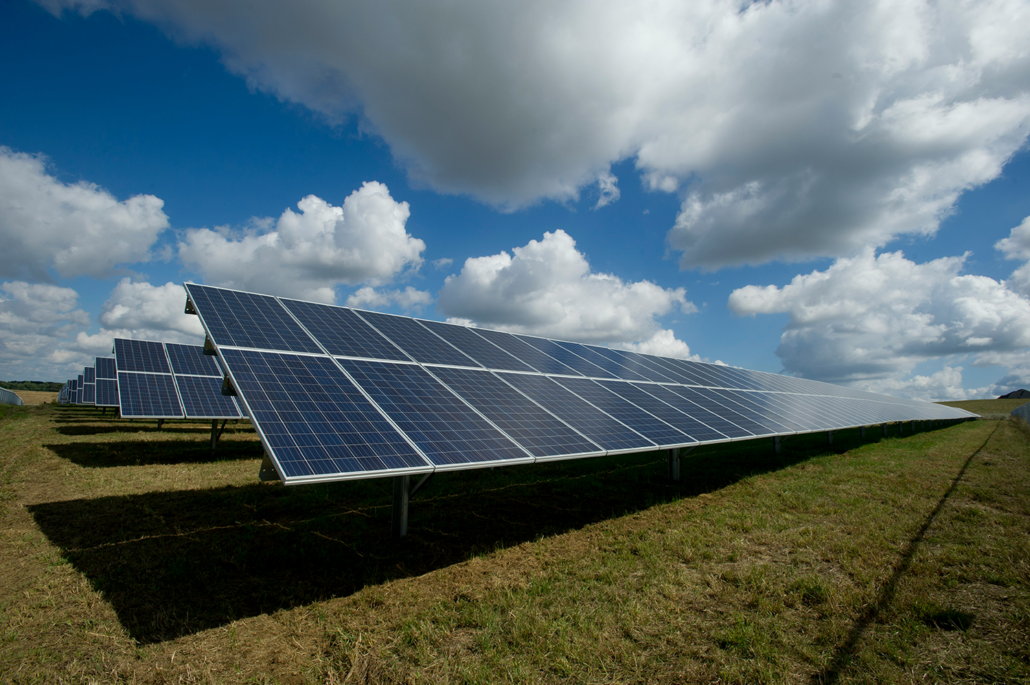 American Public Power Association, Unsplash
Across Canada, First Nations, Métis and Inuit communities are increasingly turning to renewable energy projects as a way to address climate change, achieve energy sovereignty, and create local sustainable economic opportunities. These initiatives represent a unique blend of traditional values and cutting-edge technology, demonstrating how Indigenous communities are leading the way in Canada’s transition to a low-carbon future.
The Rise of Indigenous-Led Renewable Energy
In recent years, there has been a significant increase in Indigenous-led and Indigenous-partnered renewable energy projects across Canada. These range from small-scale solar installations to large wind farms and run-of-river hydroelectric projects.
Traditional Wisdom, Modern Power: Indigenous Communities Leading the Renewable Energy Transition
Indigenous communities’ transition toward renewable energy represents a multifaceted approach that combines traditional values with contemporary solutions. This movement toward clean energy encompasses environmental, social, economic, and cultural dimensions, creating comprehensive benefits for communities.
Environmental stewardship and cultural values form the foundation of Indigenous renewable energy initiatives. These projects emerge from deep-rooted traditional responsibilities as land stewards, ensuring that energy development respects and protects sacred sites and cultural territories. Communities carefully consider the preservation of traditional harvesting areas and wildlife habitats in project planning and implementation. Water quality and ecosystem health remain paramount concerns, reflecting the holistic environmental approach characteristic of Indigenous land management. This careful attention to environmental impacts demonstrates communities’ commitment to long-term sustainability and fulfillment of duties to future generations.
Energy sovereignty and self-determination drive the pursuit of renewable energy solutions. Communities actively work to reduce their reliance on expensive diesel fuel, which has historically created both economic and environmental burdens. By creating autonomous energy systems, communities gain control over their power generation and develop independent infrastructure. This independence strengthens community resilience and enhances energy security, allowing communities to make autonomous decisions about their energy future. The development of local capacity ensures the long-term sustainability of these initiatives.
Community empowerment emerges as a crucial outcome of renewable energy development. Enhanced local decision-making power strengthens community governance, while improved infrastructure increases quality of life. Increased energy reliability reduces community vulnerabilities, and reduced environmental impacts align with cultural values. These projects often generate strong community pride and create educational opportunities that benefit multiple generations. The development of local expertise and the building of community capacity create lasting benefits that extend beyond the energy sector.
Innovation and technology integration demonstrate Indigenous communities’ ability to combine traditional knowledge with modern solutions. Communities often develop hybrid systems that incorporate cutting-edge technologies while respecting cultural values. Creating culturally appropriate solutions ensures that projects align with community needs and values. Implementation of adaptive approaches and development of sophisticated monitoring and maintenance programs ensure long-term project sustainability.
Partnership development plays a crucial role in project success. Communities collaborate strategically with technical experts, government agencies, and industry leaders while maintaining community-led decision-making processes. Relationships with academic institutions support research and development while knowledge-sharing networks allow communities to learn from each other’s experiences. Support from environmental organizations often helps projects access additional resources and expertise.
Looking toward the future, Indigenous communities continue to expand their renewable energy initiatives through thoughtful long-term planning. This includes the expansion of existing successful projects and the development of new technologies to meet evolving needs. Indigenous communities focus on enhancing energy storage solutions and integrating smart grid systems to improve efficiency and reliability. Planning for future energy needs includes building regional networks and creating sustainable models that other communities can adapt to.
Looking to the Future
Indigenous-led renewable energy projects are transforming Canada’s clean energy landscape, combining traditional knowledge with modern technology. These initiatives demonstrate strategic importance through Indigenous communities’ control of suitable lands and deep environmental understanding. Projects create significant economic opportunities through job creation and revenue generation while maintaining strong environmental protection aligned with cultural values. Community-owned power generation showcases innovative partnership structures and governance models that balance traditional values with modern energy needs. As Canada pursues clean energy goals, Indigenous leadership in renewable energy continues to grow, offering sustainable development models that benefit both communities and the environment.
Looking to the Future
Indigenous-led renewable energy projects are transforming Canada’s clean energy landscape, combining traditional knowledge with modern technology. These initiatives demonstrate strategic importance through Indigenous communities’ control of suitable lands and deep environmental understanding. Projects create significant economic opportunities through job creation and revenue generation while maintaining strong environmental protection aligned with cultural values. Community-owned power generation showcases innovative partnership structures and governance models that balance traditional values with modern energy needs. As Canada pursues clean energy goals, Indigenous leadership in renewable energy continues to grow, offering sustainable development models that benefit both communities and the environment.
Emerging Technologies
Indigenous communities are forging innovative renewable energy technologies, particularly in wind, tidal power and energy storage solutions; through partnerships with technical experts, communities test and develop customized solutions that integrate smart grids, advanced battery systems, and hybrid power solutions. These initiatives create high-skilled jobs while building local expertise through technical training and operational experience. Environmental protection remains central, carefully focusing on wildlife, habitat preservation, and water quality. Communities focus on technology advancement and system optimization, positioning themselves as leaders in the renewable energy sector while maintaining strong environmental stewardship principles. Their work demonstrates how traditional values can guide technological innovation.
Partnerships and Collaboration
There’s a growing trend of partnerships between Indigenous communities, energy companies, and governments. These collaborations can provide the capital and expertise needed for larger-scale projects while ensuring Indigenous rights and interests are respected.
Powering a Sustainable Future
Indigenous-led renewable energy projects represent a powerful convergence of traditional values and modern innovation. By balancing respect for the land with the adoption of new technologies, these initiatives are not only addressing climate change and energy needs but also promoting economic development and self-determination in Indigenous communities.
These projects offer a model for how Canada – and the world – can approach the transition to clean energy: with respect for Indigenous traditional knowledge, commitment to community benefits, and a deep responsibility to protect the environment for future generations.
As Canada continues its journey towards a low-carbon future, the leadership and innovation demonstrated by Indigenous communities across Canada in the renewable energy sector will undoubtedly play a crucial role in shaping a more sustainable and equitable energy landscape for all.
Blog by Rye Karonhiowanen Barberstock
(Image Credit: American Public Power Association, Unsplash)
 Getty Images, Unsplash
 Markus Spiske, Unsplash
 A.C., Unsplash+
 Shutterstock, Licensed
 ChatGPT AI Generated Centre Concept
 Li-An Lim, Unsplash
 Shutterstock, Licensed