• Link to X
  • Link to Facebook
  • Link to Instagram
  • Link to Rss this site
Indigenous Climate Hub
  • Home
    • About Us
  • Climate Action Programs
    • First Nation Adapt Program
      • Indigenous Climate Change Adaptation Gatherings
    • Indigenous Community-Based Climate Monitoring Program
    • Climate Change and Health Adaptation Program
    • Climate Change Preparedness in the North
    • Environment and Climate Change Canada
  • Funding
  • Resources
    • Climate Change Directory
    • Resource Library
    • Community Adaptation Projects
  • Events
  • Podcast
  • Blog
  • Contact/FAQs
  • Click to open the search input field Click to open the search input field Search
  • Menu Menu

Indigenous Youth Leadership in Climate Action: Voices of the Future
Blog
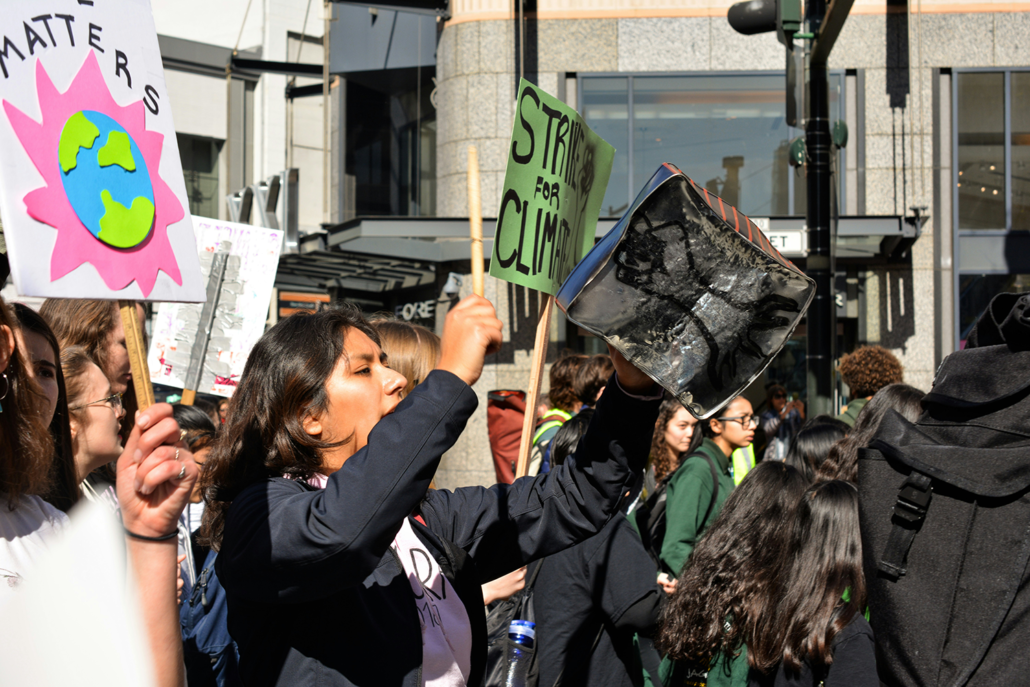
Li-An Lim, Unsplash

Across Canada, First Nation, Métis, and Inuit youth are emerging as powerful voices in the fight against climate change. Combining traditional knowledge with modern activism, these young leaders are not just participating in the climate movement – they’re reshaping it, bringing Indigenous perspectives to the forefront of environmental discussions.

The Rise of Indigenous Youth Climate Activists

In recent years, Indigenous youth have become increasingly visible and vocal in climate activism, both within their communities and on the national and international stage.

Autumn Peltier: The Water Warrior

Autumn Peltier, an Anishinaabekwe from Wiikwemkoong First Nation on Manitoulin Island, has gained international recognition for her advocacy for clean water. Since the age of eight, Peltier has been speaking out about the importance of protecting water resources, addressing the United Nations General Assembly at age 13.

Bridging Traditional Knowledge and Modern Activism

Indigenous youth climate leaders stand at the forefront of environmental activism, uniquely positioned to bridge traditional ecological knowledge with contemporary climate science and advocacy. Their effectiveness stems from their ability to navigate multiple worlds, drawing strength from their cultural heritage while engaging confidently with modern environmental movements and technologies.

These young leaders demonstrate remarkable skill in synthesizing traditional ecological knowledge with contemporary environmental understanding. Drawing upon generations of traditional wisdom, they incorporate deep understanding of local ecosystems, sustainable resource management practices, and cultural teachings about environmental stewardship into their work. This traditional foundation is then seamlessly integrated with contemporary climate science, modern environmental monitoring techniques, and global climate policy frameworks, creating comprehensive approaches to environmental protection.

Their communication strategies reflect this adaptive approach, effectively translating traditional knowledge into contemporary contexts while maintaining its cultural integrity. Through skilled use of social media and digital platforms, these leaders amplify Indigenous environmental perspectives to global audiences. They craft compelling narratives that bridge cultural understanding, helping diverse audiences grasp the relevance of traditional knowledge to current environmental challenges. Their ability to connect local environmental issues to global climate concerns while maintaining cultural authenticity creates powerful advocacy tools.

In policy spheres, these leaders actively engage at multiple levels, from local initiatives to international forums. Their participation in policy discussions brings crucial Indigenous perspectives to environmental decision-making processes. They advocate for Indigenous rights within environmental policy while developing innovative Indigenous-led climate initiatives. Their work helps create new models for environmental governance that respect both traditional and contemporary approaches.

Looking to the Future

The impact of these young leaders extends beyond current environmental issues to shape future approaches to environmental leadership. They create new models of environmental advocacy that demonstrate effective integration of different knowledge systems. This unique ability to bridge different knowledge systems and approaches creates powerful new frameworks for addressing environmental challenges. Indigenous youth climate leaders demonstrate how traditional wisdom can inform and strengthen contemporary environmental movements, while ensuring that Indigenous perspectives and rights remain central to climate action. Their work points the way toward more inclusive and effective approaches to addressing the global climate crisis.


Blog by Rye Karonhiowanen Barberstock


(Header Image Credit: Li-An Lim, Unsplash)
 

September 15, 2024/by IndigenousClimateHub
Tags: Activism, Autumn Peltier, Indigenous Youth, Indigenous Youth Climate Activists, Traditional Ecological Knowledge (TEK)
Share this entry
  • Share on Facebook
  • Share on X
  • Share on WhatsApp
  • Share on Pinterest
  • Share on LinkedIn
  • Share on Tumblr
  • Share on Reddit
  • Share by Mail
https://indigenousclimatehub.ca/wp-content/uploads/2024/09/li-an-lim-unsplash.png 1000 1500 IndigenousClimateHub https://indigenousclimatehub.ca/wp-content/uploads/2020/10/logo-horiz-clr-01-small-300x88.png IndigenousClimateHub2024-09-15 14:30:082024-12-03 15:27:33Indigenous Youth Leadership in Climate Action: Voices of the Future
You might also like
Indigenous Design and Climate Change Adaptation
RaspberriesChristian Wiediger, Unsplash Small Berries, Big Lessons: A Reflection on Nature’s Wisdom and the Impacts of Climate Change
Addressing Climate Change with Indigenous Science and Environmental Education
Nathan Anderson, Unsplash The Healing Land: Indigenous-Led Conservation Efforts as Climate Change Mitigation
Matt Howard, Unsplash Forest Stewardship: First Nations’ Traditional Practices in Mitigating Wildfires and Carbon Emissions
Arnaud Measureur, Unsplash Connecting Stewardship to Climate Adaptation and Resiliency: A Bioregional Approach
X Logo X Logo Followon X RSS Feed Logo RSS Feed Logo Subscribeto RSS Feed

Subscribe to Our Blog

This field is required.

Check your inbox or spam folder to confirm your subscription.

Recent Posts

  • Water Is a Relative, Not a Resource
  • The River Is Telling Us Something: Indigenous-Led Water Monitoring as Canada’s Climate Early Warning System
  • Night Skies and Shifting Stars: How Indigenous Celestial Knowledge Tracks a Changing Climate
  • From Ownership to Relationship: Reclaiming Our Responsibilities to Land
  • Human Foolishness in Floodplains

Archives

  • June 2026
  • May 2026
  • April 2026
  • March 2026
  • February 2026
  • January 2026
  • December 2025
  • November 2025
  • October 2025
  • September 2025
  • August 2025
  • July 2025
  • June 2025
  • May 2025
  • April 2025
  • March 2025
  • February 2025
  • January 2025
  • December 2024
  • November 2024
  • October 2024
  • September 2024
  • August 2024
  • July 2024
  • June 2024
  • May 2024
  • April 2024
  • March 2024
  • February 2024
  • January 2024
  • December 2023
  • November 2023
  • October 2023
  • September 2023
  • August 2023
  • July 2023
  • June 2023
  • May 2023
  • April 2023
  • March 2023
  • February 2023
  • January 2023
  • December 2022
  • November 2022
  • October 2022
  • September 2022
  • August 2022
  • July 2022
  • June 2022
  • May 2022
  • April 2022
  • March 2022
  • February 2022
  • January 2022
  • December 2021
  • November 2021
  • October 2021
  • September 2021
  • August 2021
  • July 2021
  • June 2021
  • May 2021
  • April 2021
  • March 2021
  • February 2021
  • January 2021
  • December 2020
  • November 2020
  • October 2020
  • September 2020
  • August 2020
  • July 2020
  • June 2020
  • February 2020
  • October 2019
  • August 2019
  • July 2019
  • June 2019
  • May 2019
  • April 2019
  • March 2019

Categories

  • Adaptation
  • Alberta
  • Announcements
  • Arctic
  • Atlantic/NB
  • Awards
  • Blog
  • British Columbia
  • Climate Change
  • Climate Change Adaptation
  • Climate Change Education
  • Climate Change News
  • Climate Change Project
  • Climate Crisis
  • Climate Monitoring
  • Community Engagement
  • Community-Based Environmental Monitoring
  • Documentaries
  • Documentary
  • Events
  • Flooding
  • Food
  • Food Security
  • Food Sovereignty
  • Forest Fires
  • Funding Opportunity
  • ICCAG 2019
  • Indigenous Perspectives
  • Manitoba
  • Media
  • Métis
  • Métis Settlement
  • News
  • Op-Ed
  • Quebec
  • Saskatchewan
  • Technology
  • Video
  • Water
  • Webinars

Tags

Alberta Arctic Arctic Resilience Forum British Columbia Carbon Sequestration Caribou Caribou Recovery CIRNAC Climate Adaptation Climate Change Climate Change Adaptation Climate Resilience Community Engagement Education Environmental Stewardship Environment and Climate Change Canada (ECCC) First Nations Flooding Food Security Food Sovereignty Global Warming Indigenous Indigenous Guardians Toolkit Indigenous Knowledge Indigenous Stewardship Infrastructure Inuit landscape Mental Health Paris Agreement Policy Renewable Energy Research Resilience Science Traditional Ecological Knowledge Traditional Ecological Knowledge (TEK) Traditional Knowledge UNDRIP United Nations United Nations (UN) Webinar Wildfires WWF-Canada Youth
Contact

About Us

The Indigenous Climate Hub is a unique online community of Indigenous climate change leaders that have come together to share their stories and climate change adaptation experiences. The website is the result of the recommendations brought forward by Indigenous peoples at the Indigenous Climate Change Adaptation Gathering in 2018.

Indigenous Climate Hub Podcast

Be a part of the Indigenous Climate Hub Podcast. We are looking for unique perspectives and experiences in environmental stewardship, Indigenous ecological and traditional knowledge, and resource management offer valuable knowledge and teachings that can benefit Indigenous communities across Turtle Island and beyond.

Indigenous-led Initiatives

Are you a program or organization that funds or supports Indigenous Peoples  working on climate change initiatives?  If you would like to provide information to potential recipients here, please reach out to Okwaho so that we can work with you to highlight your program.

© Copyright - Indigenous Climate Hub, 2025-2026
  • Terms of Service
  • Privacy Policy
Link to: The Healing Land: Indigenous-Led Conservation Efforts as Climate Change Mitigation Link to: The Healing Land: Indigenous-Led Conservation Efforts as Climate Change Mitigation The Healing Land: Indigenous-Led Conservation Efforts as Climate Change Mit...Nathan Anderson, Unsplash Link to: Renewable Energy Projects in Indigenous Communities: Balancing Tradition and Innovation Link to: Renewable Energy Projects in Indigenous Communities: Balancing Tradition and Innovation American Public Power Association, UnsplashRenewable Energy Projects in Indigenous Communities: Balancing Tradition and...
Scroll to top Scroll to top Scroll to top