• Link to X
  • Link to Facebook
  • Link to Instagram
  • Link to Rss this site
Indigenous Climate Hub
  • Home
    • About Us
  • Climate Action Programs
    • First Nation Adapt Program
      • Indigenous Climate Change Adaptation Gatherings
    • Indigenous Community-Based Climate Monitoring Program
    • Climate Change and Health Adaptation Program
    • Climate Change Preparedness in the North
    • Environment and Climate Change Canada
  • Funding
  • Resources
    • Climate Change Directory
    • Resource Library
    • Community Adaptation Projects
  • Events
  • Podcast
  • Blog
  • Contact/FAQs
  • Click to open the search input field Click to open the search input field Search
  • Menu Menu

Preserving the Land, Preserving the Culture: Climate Change Adaptation in Treaty Territories
Blog
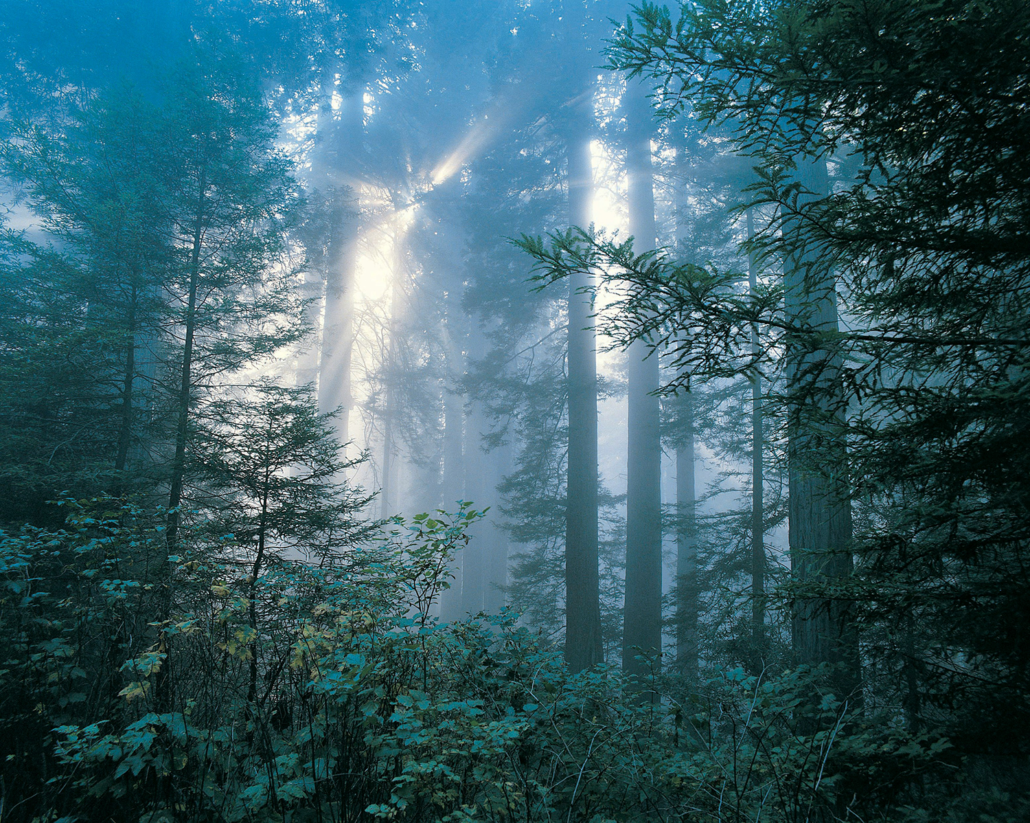
Getty Images, Licensed, Unsplash

As climate change reshapes landscapes across Canada, Indigenous communities in treaty territories face unique challenges and opportunities. The intricate relationship between Indigenous Peoples, their ancestral lands, and the Canadian government, as defined by historical and modern treaties, adds a complex dimension to climate change adaptation efforts. This exploration delves into how First Nations are navigating climate challenges while asserting their treaty rights and preserving their cultural heritage.

Understanding Treaty Rights in the Context of Climate Change

Treaties between Indigenous nations and the Crown form the legal and moral bedrock of Canada. These agreements, some dating back to the 18th century and others as recent as the 1990s, define rights to land use, resource management, and cultural practices. However, the framers of these treaties could not have anticipated the profound environmental changes brought by global warming.

Indigenous leaders emphasize how historic treaties were established to protect traditional ways of life for future generations. Environmental changes now affect the territories that these treaties were meant to preserve. This creates a need to interpret Indigenous rights in response to these new environmental realities.

This sentiment echoes across treaty territories, from the numbered treaties of the Prairies to the modern agreements in the Yukon. Indigenous leaders and legal experts are increasingly arguing that the right to a healthy environment and the ability to adapt to climate change are inherent in treaty agreements.

Climate Impacts on Treaty Territories

The impacts of climate change in treaty territories are as diverse as the landscapes they encompass. In the Prairies, covered by Treaties 1 through 7, First Nations are grappling with increased drought conditions that threaten traditional agriculture and wildlife habitats.

Indigenous knowledge keepers observe significant environmental transformations in their territories. Elders note historical changes in wetland conditions. These areas experience increasing dryness. Traditional food sources such as moose and caribou have altered their migration patterns. These shifts impact traditional practices, including hunting, traditional medicine gathering, and other cultural activities.

In the boreal forest regions, encompassed by Treaties 8, 9, and 11, increased fire risks pose significant challenges. The 2016 Fort McMurray wildfire, which forced the evacuation of several First Nations communities, serves as a stark reminder of these growing threats.

Coastal areas, including those covered by the Douglas Treaties in British Columbia and modern treaties in the Atlantic provinces, face rising sea levels and increased erosion. These changes threaten not only infrastructure but also culturally significant sites and traditional harvesting areas.

Indigenous-Led Adaptation Strategies

In response to these challenges, Indigenous communities are developing innovative adaptation strategies that honour treaty relationships while addressing climate realities.
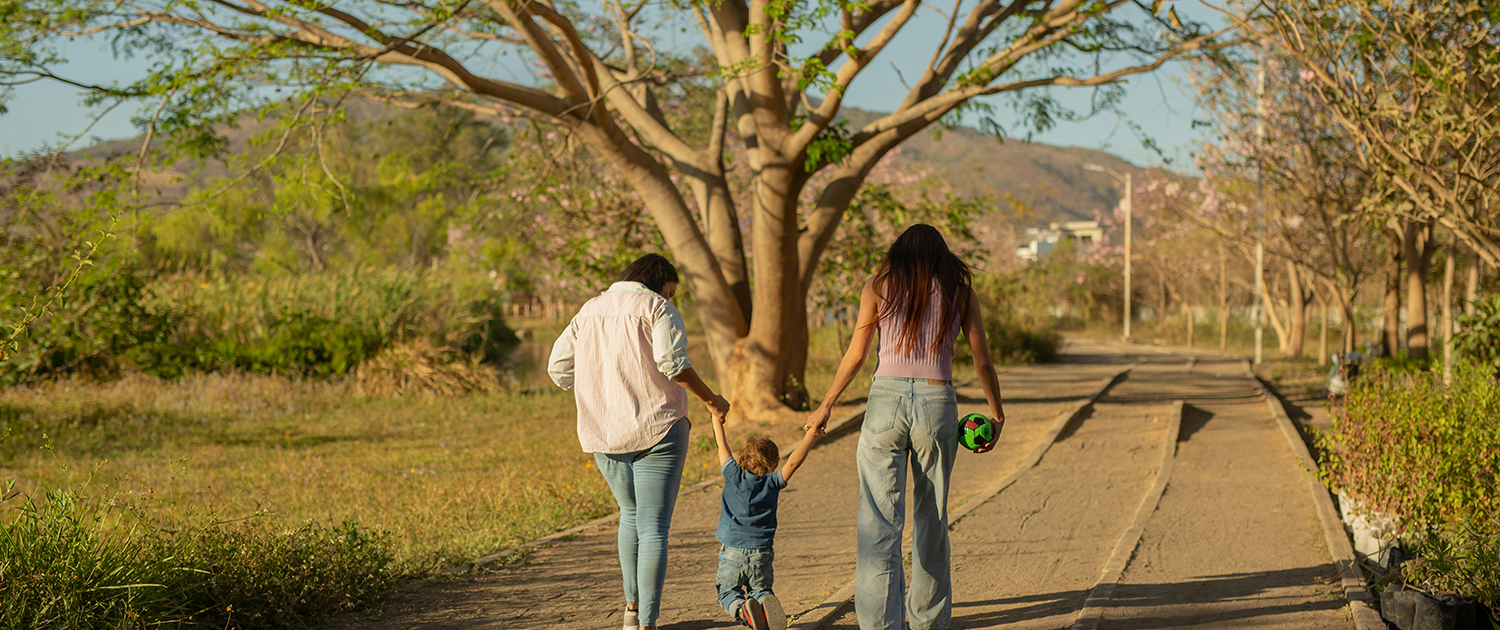
(Image Credit: Jordan Gonzalez, Unsplash)

Land-Use Planning and Management

First Nations actively exercise their treaty rights through comprehensive land-use planning that incorporates climate change considerations. Indigenous communities have developed climate-ready land-use plans.

These forward-looking plans assess how climate change will affect Indigenous territories over extended timeframes. They identify areas requiring protection, regions suitable for sustainable development, and methods for adapting traditional practices to changing conditions.

Wildlife and Habitat Conservation
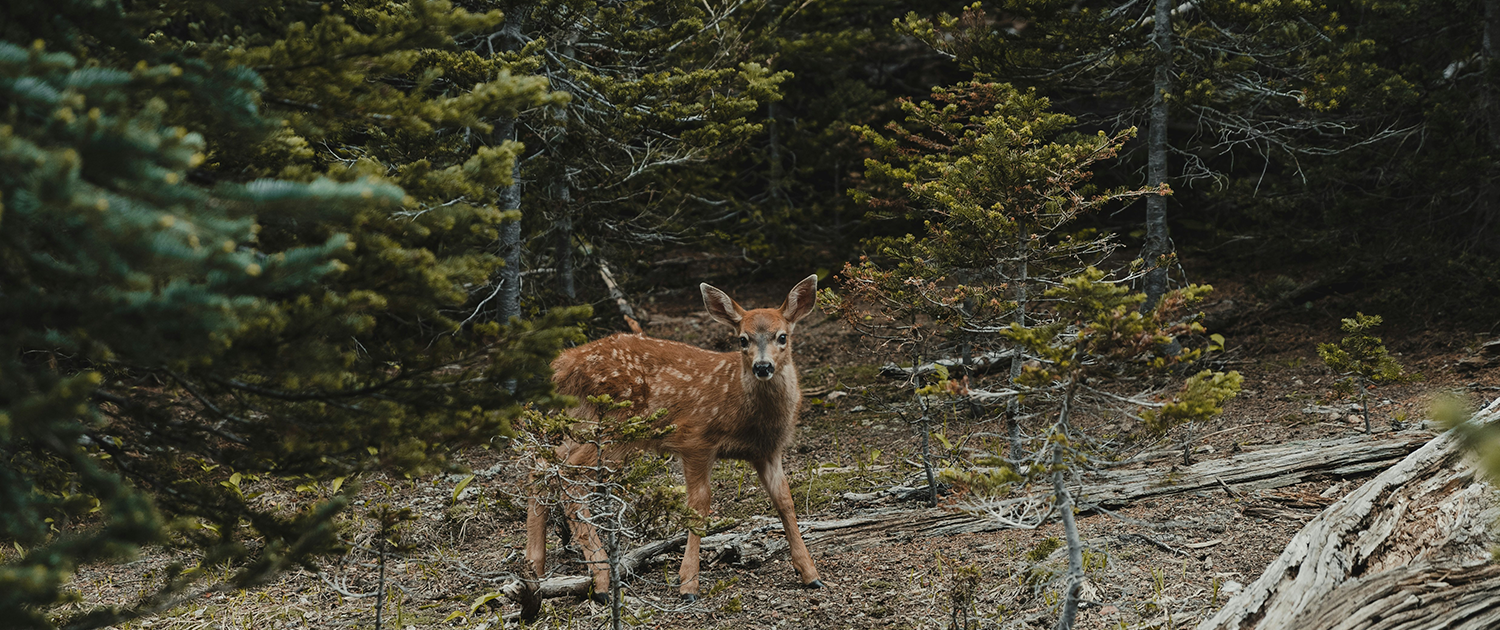
(Image Credit: Joe Eitzen, Unsplash)

Treaty rights to hunt and fish are central to many Indigenous cultures. As climate change alters wildlife habitats and migration patterns, First Nations are leading conservation efforts to protect these rights for future generations.


Blog by Rye Karonhiowanen


(Header Image Credit: Getty Images, Licensed, Unsplash)
June 15, 2024/by IndigenousClimateHub
Tags: Climate Change Adaptation, Land-Use Planning and Management, Preserving the Culture, Preserving the Land, treaty relationships, Treaty Territories
Share this entry
  • Share on Facebook
  • Share on X
  • Share on WhatsApp
  • Share on Pinterest
  • Share on LinkedIn
  • Share on Tumblr
  • Share on Reddit
  • Share by Mail
https://indigenousclimatehub.ca/wp-content/uploads/2024/06/getty-images3-unsplash.png 1198 1500 IndigenousClimateHub https://indigenousclimatehub.ca/wp-content/uploads/2020/10/logo-horiz-clr-01-small-300x88.png IndigenousClimateHub2024-06-15 15:47:012024-11-24 16:20:06Preserving the Land, Preserving the Culture: Climate Change Adaptation in Treaty Territories
You might also like
Presentations from ICCAG 2019
Unsplash Community, Licensed Arctic Resilience: Inuit Communities at the Forefront of Climate Change Adaptation
X Logo X Logo Followon X RSS Feed Logo RSS Feed Logo Subscribeto RSS Feed

Subscribe to Our Blog

This field is required.

Check your inbox or spam folder to confirm your subscription.

Recent Posts

  • Water Is a Relative, Not a Resource
  • The River Is Telling Us Something: Indigenous-Led Water Monitoring as Canada’s Climate Early Warning System
  • Night Skies and Shifting Stars: How Indigenous Celestial Knowledge Tracks a Changing Climate
  • From Ownership to Relationship: Reclaiming Our Responsibilities to Land
  • Human Foolishness in Floodplains

Archives

  • June 2026
  • May 2026
  • April 2026
  • March 2026
  • February 2026
  • January 2026
  • December 2025
  • November 2025
  • October 2025
  • September 2025
  • August 2025
  • July 2025
  • June 2025
  • May 2025
  • April 2025
  • March 2025
  • February 2025
  • January 2025
  • December 2024
  • November 2024
  • October 2024
  • September 2024
  • August 2024
  • July 2024
  • June 2024
  • May 2024
  • April 2024
  • March 2024
  • February 2024
  • January 2024
  • December 2023
  • November 2023
  • October 2023
  • September 2023
  • August 2023
  • July 2023
  • June 2023
  • May 2023
  • April 2023
  • March 2023
  • February 2023
  • January 2023
  • December 2022
  • November 2022
  • October 2022
  • September 2022
  • August 2022
  • July 2022
  • June 2022
  • May 2022
  • April 2022
  • March 2022
  • February 2022
  • January 2022
  • December 2021
  • November 2021
  • October 2021
  • September 2021
  • August 2021
  • July 2021
  • June 2021
  • May 2021
  • April 2021
  • March 2021
  • February 2021
  • January 2021
  • December 2020
  • November 2020
  • October 2020
  • September 2020
  • August 2020
  • July 2020
  • June 2020
  • February 2020
  • October 2019
  • August 2019
  • July 2019
  • June 2019
  • May 2019
  • April 2019
  • March 2019

Categories

  • Adaptation
  • Alberta
  • Announcements
  • Arctic
  • Atlantic/NB
  • Awards
  • Blog
  • British Columbia
  • Climate Change
  • Climate Change Adaptation
  • Climate Change Education
  • Climate Change News
  • Climate Change Project
  • Climate Crisis
  • Climate Monitoring
  • Community Engagement
  • Community-Based Environmental Monitoring
  • Documentaries
  • Documentary
  • Events
  • Flooding
  • Food
  • Food Security
  • Food Sovereignty
  • Forest Fires
  • Funding Opportunity
  • ICCAG 2019
  • Indigenous Perspectives
  • Manitoba
  • Media
  • Métis
  • Métis Settlement
  • News
  • Op-Ed
  • Quebec
  • Saskatchewan
  • Technology
  • Video
  • Water
  • Webinars

Tags

Alberta Arctic Arctic Resilience Forum British Columbia Carbon Sequestration Caribou Caribou Recovery CIRNAC Climate Adaptation Climate Change Climate Change Adaptation Climate Resilience Community Engagement Education Environmental Stewardship Environment and Climate Change Canada (ECCC) First Nations Flooding Food Security Food Sovereignty Global Warming Indigenous Indigenous Guardians Toolkit Indigenous Knowledge Indigenous Stewardship Infrastructure Inuit landscape Mental Health Paris Agreement Policy Renewable Energy Research Resilience Science Traditional Ecological Knowledge Traditional Ecological Knowledge (TEK) Traditional Knowledge UNDRIP United Nations United Nations (UN) Webinar Wildfires WWF-Canada Youth
Contact

About Us

The Indigenous Climate Hub is a unique online community of Indigenous climate change leaders that have come together to share their stories and climate change adaptation experiences. The website is the result of the recommendations brought forward by Indigenous peoples at the Indigenous Climate Change Adaptation Gathering in 2018.

Indigenous Climate Hub Podcast

Be a part of the Indigenous Climate Hub Podcast. We are looking for unique perspectives and experiences in environmental stewardship, Indigenous ecological and traditional knowledge, and resource management offer valuable knowledge and teachings that can benefit Indigenous communities across Turtle Island and beyond.

Indigenous-led Initiatives

Are you a program or organization that funds or supports Indigenous Peoples  working on climate change initiatives?  If you would like to provide information to potential recipients here, please reach out to Okwaho so that we can work with you to highlight your program.

© Copyright - Indigenous Climate Hub, 2025-2026
  • Terms of Service
  • Privacy Policy
Link to: Water Protectors: Indigenous-Led Initiatives Safeguarding Canada’s Waterways in a Changing Climate Link to: Water Protectors: Indigenous-Led Initiatives Safeguarding Canada’s Waterways in a Changing Climate Water Protectors: Indigenous-Led Initiatives Safeguarding Canada’s Waterways...Ries Bosch, Unsplash Link to: Arctic Resilience: Inuit Communities at the Forefront of Climate Change Adaptation Link to: Arctic Resilience: Inuit Communities at the Forefront of Climate Change Adaptation Unsplash Community, LicensedArctic Resilience: Inuit Communities at the Forefront of Climate Change Ada...
Scroll to top Scroll to top Scroll to top