• Link to X
  • Link to Facebook
  • Link to Instagram
  • Link to Rss this site
Indigenous Climate Hub
  • Home
    • About Us
  • Climate Action Programs
    • First Nation Adapt Program
      • Indigenous Climate Change Adaptation Gatherings
    • Indigenous Community-Based Climate Monitoring Program
    • Climate Change and Health Adaptation Program
    • Climate Change Preparedness in the North
    • Environment and Climate Change Canada
  • Funding
  • Resources
    • Climate Change Directory
    • Resource Library
    • Community Adaptation Projects
  • Events
  • Podcast
  • Blog
  • Contact/FAQs
  • Click to open the search input field Click to open the search input field Search
  • Menu Menu

Creating Pathways to Indigenous-led Climate Policy in Canada
Blog, Climate Change

How can climate policy be more inclusive of Indigenous rights and knowledge systems, while working toward reconciliation between Indigenous and non-Indigenous peoples? Principles for creating ethical spaces and recognizing the Treaty and constitutionally-protected rights of Indigenous peoples are two ways to elevate Indigenous perspectives, knowledge, and approaches to climate mitigation and adaptation policies.

“We Rise Together,” the 2018 report by The Indigenous Circle of Experts (ICE), describes ethical space as “a venue for collaboration and advice, sharing and cross-validation (where one side validates the other).” Ethical spaces create environments where Indigenous and non-Indigenous systems of knowledge can interact, through mutual respect, kindness, and generosity, to generate an exchange of values. There is a difference between the idea of the ethical space, and the practice of it: “[w]hile agreeing to formally enter ethical space may be straightforward for most parties, actually being within that space together requires flexibility.”

Historical legacies of colonialism prevent Indigenous-led solutions for climate change from being effectively implemented. Consequently, researchers propose calls to action to facilitate Indigenous-led climate mitigation and adaptation policies in Canada; these actions include how climate policy must:

  • prioritize human relationships with land and rebalance the relationship between people and Mother Earth.
  • prioritize Indigenous knowledge systems and equally consider diverse knowledge systems.
  • be multidimensional in order to also advance decarbonization and decolonization.
  • position Indigenous peoples as leaders from diverse nations, having inherent rights to self-determination.
  • be forward-thinking, and promote the well-being of Indigenous peoples.


By Leela Viswanathan


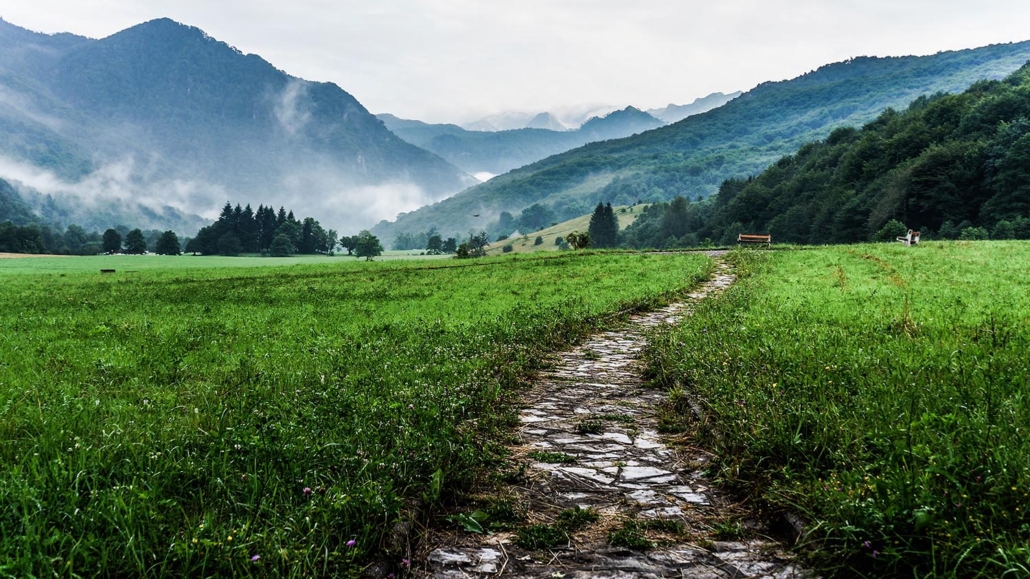
(Image Credit: Lili Popper, Unsplash)

December 1, 2022/by IndigenousClimateHub
Tags: Climate Policy, Decolonization, Ethical Space, Indigenous Circle of Experts, Indigenous Knowledge, Reconciliation, Self-determination, Treaty, We Rise Together
Share this entry
  • Share on Facebook
  • Share on X
  • Share on WhatsApp
  • Share on Pinterest
  • Share on LinkedIn
  • Share on Tumblr
  • Share on Reddit
  • Share by Mail
https://indigenousclimatehub.ca/wp-content/uploads/2022/12/lili-popper-unsplash.jpg 843 1500 IndigenousClimateHub https://indigenousclimatehub.ca/wp-content/uploads/2020/10/logo-horiz-clr-01-small-300x88.png IndigenousClimateHub2022-12-01 15:11:262022-12-01 15:33:54Creating Pathways to Indigenous-led Climate Policy in Canada
You might also like
Arnaud Measureur, Unsplash Connecting Stewardship to Climate Adaptation and Resiliency: A Bioregional Approach
Evidence of Changing Seasons in the Context of Climate Change
Fellipe Ditadi, Unsplash+ Reimagining Our Relationship with Natural Resources: A Path Toward Climate Resilience through Natural Law and Decommodification
Indigenous Protected and Conserved Areas Help Fight Climate Change Through Indigenous Stewardship
Image Credit: Dustin Bowdige, Unsplash Night Skies and Shifting Stars: How Indigenous Celestial Knowledge Tracks a Changing Climate

The Role of Elders in Guiding Climate Change Mitigation: Wisdom from Canada’s First Nations
X Logo X Logo Followon X RSS Feed Logo RSS Feed Logo Subscribeto RSS Feed

Subscribe to Our Blog

This field is required.

Check your inbox or spam folder to confirm your subscription.

Recent Posts

  • Water Is a Relative, Not a Resource
  • The River Is Telling Us Something: Indigenous-Led Water Monitoring as Canada’s Climate Early Warning System
  • Night Skies and Shifting Stars: How Indigenous Celestial Knowledge Tracks a Changing Climate
  • From Ownership to Relationship: Reclaiming Our Responsibilities to Land
  • Human Foolishness in Floodplains

Archives

  • June 2026
  • May 2026
  • April 2026
  • March 2026
  • February 2026
  • January 2026
  • December 2025
  • November 2025
  • October 2025
  • September 2025
  • August 2025
  • July 2025
  • June 2025
  • May 2025
  • April 2025
  • March 2025
  • February 2025
  • January 2025
  • December 2024
  • November 2024
  • October 2024
  • September 2024
  • August 2024
  • July 2024
  • June 2024
  • May 2024
  • April 2024
  • March 2024
  • February 2024
  • January 2024
  • December 2023
  • November 2023
  • October 2023
  • September 2023
  • August 2023
  • July 2023
  • June 2023
  • May 2023
  • April 2023
  • March 2023
  • February 2023
  • January 2023
  • December 2022
  • November 2022
  • October 2022
  • September 2022
  • August 2022
  • July 2022
  • June 2022
  • May 2022
  • April 2022
  • March 2022
  • February 2022
  • January 2022
  • December 2021
  • November 2021
  • October 2021
  • September 2021
  • August 2021
  • July 2021
  • June 2021
  • May 2021
  • April 2021
  • March 2021
  • February 2021
  • January 2021
  • December 2020
  • November 2020
  • October 2020
  • September 2020
  • August 2020
  • July 2020
  • June 2020
  • February 2020
  • October 2019
  • August 2019
  • July 2019
  • June 2019
  • May 2019
  • April 2019
  • March 2019

Categories

  • Adaptation
  • Alberta
  • Announcements
  • Arctic
  • Atlantic/NB
  • Awards
  • Blog
  • British Columbia
  • Climate Change
  • Climate Change Adaptation
  • Climate Change Education
  • Climate Change News
  • Climate Change Project
  • Climate Crisis
  • Climate Monitoring
  • Community Engagement
  • Community-Based Environmental Monitoring
  • Documentaries
  • Documentary
  • Events
  • Flooding
  • Food
  • Food Security
  • Food Sovereignty
  • Forest Fires
  • Funding Opportunity
  • ICCAG 2019
  • Indigenous Perspectives
  • Manitoba
  • Media
  • Métis
  • Métis Settlement
  • News
  • Op-Ed
  • Quebec
  • Saskatchewan
  • Technology
  • Video
  • Water
  • Webinars

Tags

Alberta Arctic Arctic Resilience Forum British Columbia Carbon Sequestration Caribou Caribou Recovery CIRNAC Climate Adaptation Climate Change Climate Change Adaptation Climate Resilience Community Engagement Education Environmental Stewardship Environment and Climate Change Canada (ECCC) First Nations Flooding Food Security Food Sovereignty Global Warming Indigenous Indigenous Guardians Toolkit Indigenous Knowledge Indigenous Stewardship Infrastructure Inuit landscape Mental Health Paris Agreement Policy Renewable Energy Research Resilience Science Traditional Ecological Knowledge Traditional Ecological Knowledge (TEK) Traditional Knowledge UNDRIP United Nations United Nations (UN) Webinar Wildfires WWF-Canada Youth
Contact

About Us

The Indigenous Climate Hub is a unique online community of Indigenous climate change leaders that have come together to share their stories and climate change adaptation experiences. The website is the result of the recommendations brought forward by Indigenous peoples at the Indigenous Climate Change Adaptation Gathering in 2018.

Indigenous Climate Hub Podcast

Be a part of the Indigenous Climate Hub Podcast. We are looking for unique perspectives and experiences in environmental stewardship, Indigenous ecological and traditional knowledge, and resource management offer valuable knowledge and teachings that can benefit Indigenous communities across Turtle Island and beyond.

Indigenous-led Initiatives

Are you a program or organization that funds or supports Indigenous Peoples  working on climate change initiatives?  If you would like to provide information to potential recipients here, please reach out to Okwaho so that we can work with you to highlight your program.

© Copyright - Indigenous Climate Hub, 2025-2026
  • Terms of Service
  • Privacy Policy
Link to: The Impacts of Climate Change on the Mental Wellness of Indigenous Peoples Around the World Link to: The Impacts of Climate Change on the Mental Wellness of Indigenous Peoples Around the World The Impacts of Climate Change on the Mental Wellness of Indigenous Peoples Around... Link to: Indigenous Peoples and Canada’s National Adaptation Strategy 2022 Link to: Indigenous Peoples and Canada’s National Adaptation Strategy 2022 Indigenous Peoples and Canada’s National Adaptation Strategy 2022
Scroll to top Scroll to top Scroll to top