• Link to X
  • Link to Facebook
  • Link to Instagram
  • Link to Rss this site
Indigenous Climate Hub
  • Home
    • About Us
  • Climate Action Programs
    • First Nation Adapt Program
      • Indigenous Climate Change Adaptation Gatherings
    • Indigenous Community-Based Climate Monitoring Program
    • Climate Change and Health Adaptation Program
    • Climate Change Preparedness in the North
    • Environment and Climate Change Canada
  • Funding
  • Resources
    • Climate Change Directory
    • Resource Library
    • Community Adaptation Projects
  • Events
  • Podcast
  • Blog
  • Contact/FAQs
  • Click to open the search input field Click to open the search input field Search
  • Menu Menu

Ticks as Environmental Indicators: Learning from Wildlife Movement and Traditional Knowledge

Blog
TickErik Kartis, Unsplash

The story of ticks and their relationship with wildlife reveals deeper truths about environmental change and ecosystem health. Through generations of careful observation, First Nations hunters like my father and grandfather have understood these complex relationships, reading the landscape and its inhabitants as living indicators of environmental well-being.

Climate’s Shifting Balance: How Warming Winters Transform Tick Ecology

Climate change has dramatically altered the conditions that influence tick populations. Where once hard winters would naturally control tick numbers, milder temperatures and extended spring and fall seasons now allow these parasites to thrive in unprecedented numbers. The shifting patterns of snow cover, earlier spring thaws, and later onset of winter create ideal conditions for tick survival and reproduction. These changes, combined with altered rainfall patterns and temperature fluctuations, have transformed the traditional balance between ticks and their host species.

Silent Suffering: Wildlife Bears the Burden of Increasing Tick Populations

The impact on wildlife, particularly deer and moose, has been profound. These magnificent animals face increasing challenges from heavy tick burdens that cause anemia and compromise their immune systems. Traditional hunters observe deer and moose exhibiting signs of distress – excessive scratching leading to significant hair loss, reduced feeding time as they cope with irritation and overall weakened physical condition. These conditions make them more susceptible to disease and reduce their chances of winter survival.

Moving with Need: Wildlife’s Journey Beyond Traditional Territories

Perhaps most telling are the changes in wildlife movement patterns. As my father noted, moose are now being observed in territories far south of their traditional ranges, a clear indication of environmental stress in their home ecosystems. These shifts in migration patterns and habitat selection reflect deeper disruptions in food sources and ecosystem stability. Animals are being forced to modify their seasonal movements and feeding behaviours, leading to new and sometimes challenging species interactions.
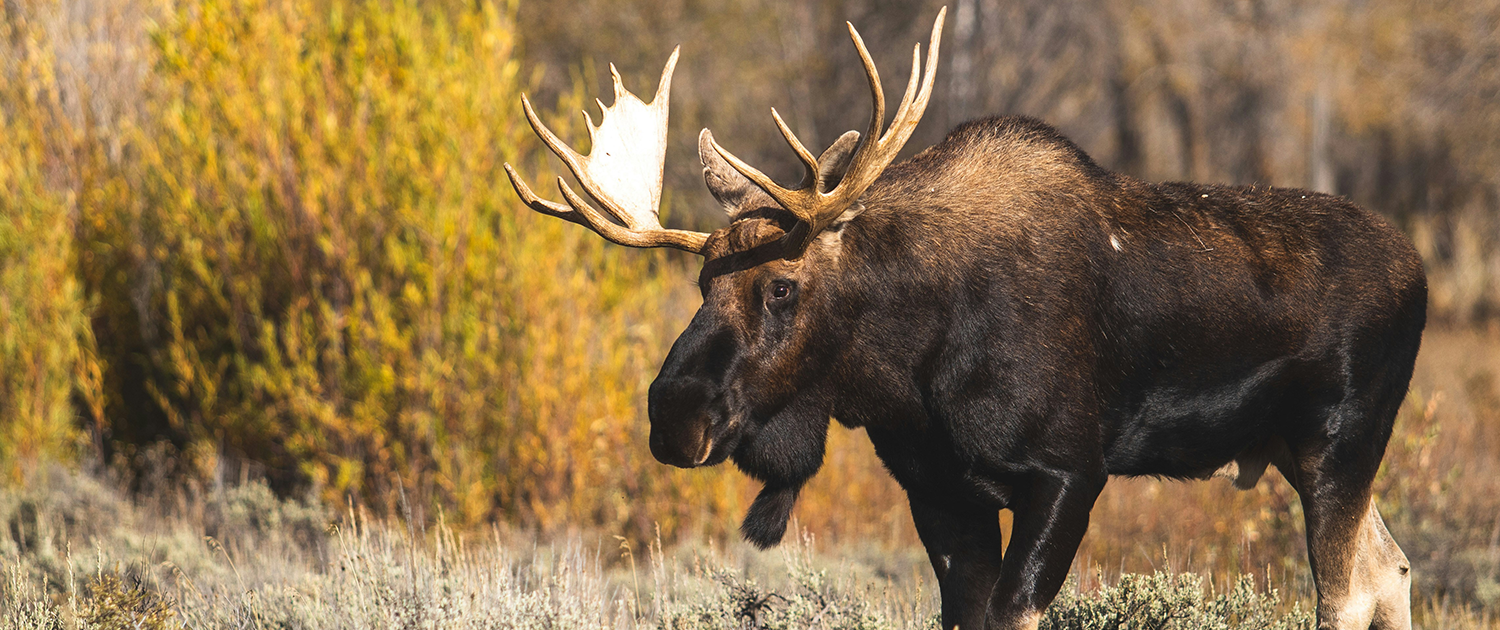
Moose

Photo Credit: Zachery Perry, Unsplash

Reading Nature’s Story: Traditional Knowledge as Environmental Baseline 

Traditional knowledge, passed down through generations of hunters, provides a crucial context for understanding these changes. Historical observations of wildlife health, seasonal patterns, and animal behaviour offer valuable baseline information against which current changes can be measured. The intimate understanding of environmental warning signs and weather pattern impacts, accumulated through years of careful observation, helps communities anticipate and adapt to these shifts.

Sacred Choices: Traditional Knowledge Guides Food Security Decisions

These changes carry significant implications for food security in communities that rely on traditional hunting. Hunters must adjust their practices, considering the timing of hunts and the quality and safety of the meat they harvest. Traditional knowledge guides these decisions, helping communities apply time-tested protocols while adapting to new challenges. When First Nations Elders like my grandfather speak of seasons when they chose not to harvest certain animals due to health concerns, they demonstrate the sophisticated understanding of environmental relationships that have sustained communities for generations.

Small Teachers, Big Messages: Ticks as Nature’s Warning System

Ticks have become powerful indicators of broader environmental change. Their increasing presence and impact on wildlife populations signal shifts in climate patterns, habitat modifications, and fundamental changes in species relationships. These tiny parasites tell a larger story about environmental imbalances and biological responses to climate change, serving as early warning systems for ecosystem stress.

Stories as Science: Traditional Knowledge Lights the Path Forward

Through this lens, we can better understand how traditional knowledge and careful observation of natural relationships provide crucial insights into environmental change. The stories passed down through generations of hunters, like those shared between my father and grandfather, offer valuable perspectives on how our changing climate affects the delicate balance of life in our ecosystems. These insights, combining historical understanding with current observations, help us better comprehend and respond to the environmental challenges we face today.


By Rye Karonhiowanen Barberstock


(Image Credit for Header Photo: Erik Kartis, Unsplash)
December 15, 2024/by IndigenousClimateHub
Tags: Bear, Deer, Environment, Moose, Ticks, Traditional Ecological Knowledge (TEK), Traditional Knowledge (TK)
Share this entry
  • Share on Facebook
  • Share on X
  • Share on WhatsApp
  • Share on Pinterest
  • Share on LinkedIn
  • Share on Tumblr
  • Share on Reddit
  • Share by Mail
https://indigenousclimatehub.ca/wp-content/uploads/2025/12/erik-karits-tick-unsplash.png 1000 1500 IndigenousClimateHub https://indigenousclimatehub.ca/wp-content/uploads/2020/10/logo-horiz-clr-01-small-300x88.png IndigenousClimateHub2024-12-15 16:50:022025-01-26 17:09:43Ticks as Environmental Indicators: Learning from Wildlife Movement and Traditional Knowledge
You might also like
WaterJong Marshes, Unsplash The Spirit of Water: Life’s Electrical Symphony
Bonnie Kittle (Unsplash) Gardens and Climate Change – How Growing a Resilient Garden Helps Fight Global Warming
Matt Howard, Unsplash Forest Stewardship: First Nations’ Traditional Practices in Mitigating Wildfires and Carbon Emissions
Arnaud Measureur, Unsplash Connecting Stewardship to Climate Adaptation and Resiliency: A Bioregional Approach
Nathan Anderson, Unsplash The Healing Land: Indigenous-Led Conservation Efforts as Climate Change Mitigation
Zarif Ali, Unsplash Traditional Ecological Knowledge: The Cornerstone of Indigenous Climate Adaptation in Canada
X Logo X Logo Followon X RSS Feed Logo RSS Feed Logo Subscribeto RSS Feed

Subscribe to Our Blog

This field is required.

Check your inbox or spam folder to confirm your subscription.

Recent Posts

  • Water Is a Relative, Not a Resource
  • The River Is Telling Us Something: Indigenous-Led Water Monitoring as Canada’s Climate Early Warning System
  • Night Skies and Shifting Stars: How Indigenous Celestial Knowledge Tracks a Changing Climate
  • From Ownership to Relationship: Reclaiming Our Responsibilities to Land
  • Human Foolishness in Floodplains

Archives

  • June 2026
  • May 2026
  • April 2026
  • March 2026
  • February 2026
  • January 2026
  • December 2025
  • November 2025
  • October 2025
  • September 2025
  • August 2025
  • July 2025
  • June 2025
  • May 2025
  • April 2025
  • March 2025
  • February 2025
  • January 2025
  • December 2024
  • November 2024
  • October 2024
  • September 2024
  • August 2024
  • July 2024
  • June 2024
  • May 2024
  • April 2024
  • March 2024
  • February 2024
  • January 2024
  • December 2023
  • November 2023
  • October 2023
  • September 2023
  • August 2023
  • July 2023
  • June 2023
  • May 2023
  • April 2023
  • March 2023
  • February 2023
  • January 2023
  • December 2022
  • November 2022
  • October 2022
  • September 2022
  • August 2022
  • July 2022
  • June 2022
  • May 2022
  • April 2022
  • March 2022
  • February 2022
  • January 2022
  • December 2021
  • November 2021
  • October 2021
  • September 2021
  • August 2021
  • July 2021
  • June 2021
  • May 2021
  • April 2021
  • March 2021
  • February 2021
  • January 2021
  • December 2020
  • November 2020
  • October 2020
  • September 2020
  • August 2020
  • July 2020
  • June 2020
  • February 2020
  • October 2019
  • August 2019
  • July 2019
  • June 2019
  • May 2019
  • April 2019
  • March 2019

Categories

  • Adaptation
  • Alberta
  • Announcements
  • Arctic
  • Atlantic/NB
  • Awards
  • Blog
  • British Columbia
  • Climate Change
  • Climate Change Adaptation
  • Climate Change Education
  • Climate Change News
  • Climate Change Project
  • Climate Crisis
  • Climate Monitoring
  • Community Engagement
  • Community-Based Environmental Monitoring
  • Documentaries
  • Documentary
  • Events
  • Flooding
  • Food
  • Food Security
  • Food Sovereignty
  • Forest Fires
  • Funding Opportunity
  • ICCAG 2019
  • Indigenous Perspectives
  • Manitoba
  • Media
  • Métis
  • Métis Settlement
  • News
  • Op-Ed
  • Quebec
  • Saskatchewan
  • Technology
  • Video
  • Water
  • Webinars

Tags

Alberta Arctic Arctic Resilience Forum British Columbia Carbon Sequestration Caribou Caribou Recovery CIRNAC Climate Adaptation Climate Change Climate Change Adaptation Climate Resilience Community Engagement Education Environmental Stewardship Environment and Climate Change Canada (ECCC) First Nations Flooding Food Security Food Sovereignty Global Warming Indigenous Indigenous Guardians Toolkit Indigenous Knowledge Indigenous Stewardship Infrastructure Inuit landscape Mental Health Paris Agreement Policy Renewable Energy Research Resilience Science Traditional Ecological Knowledge Traditional Ecological Knowledge (TEK) Traditional Knowledge UNDRIP United Nations United Nations (UN) Webinar Wildfires WWF-Canada Youth
Contact

About Us

The Indigenous Climate Hub is a unique online community of Indigenous climate change leaders that have come together to share their stories and climate change adaptation experiences. The website is the result of the recommendations brought forward by Indigenous peoples at the Indigenous Climate Change Adaptation Gathering in 2018.

Indigenous Climate Hub Podcast

Be a part of the Indigenous Climate Hub Podcast. We are looking for unique perspectives and experiences in environmental stewardship, Indigenous ecological and traditional knowledge, and resource management offer valuable knowledge and teachings that can benefit Indigenous communities across Turtle Island and beyond.

Indigenous-led Initiatives

Are you a program or organization that funds or supports Indigenous Peoples  working on climate change initiatives?  If you would like to provide information to potential recipients here, please reach out to Okwaho so that we can work with you to highlight your program.

© Copyright - Indigenous Climate Hub, 2025-2026
  • Terms of Service
  • Privacy Policy
Link to: Sacred Lessons from the Honeybee: A Story of Purpose, Community, and Interconnection Link to: Sacred Lessons from the Honeybee: A Story of Purpose, Community, and Interconnection Sacred Lessons from the Honeybee: A Story of Purpose, Community, and Interc...Andrey Larionov, Unsplash Link to: The Sacred Turtle: Teachings on Our Shared Responsibility to Mother Earth Link to: The Sacred Turtle: Teachings on Our Shared Responsibility to Mother Earth Painted turtlesMatt Bango, UnsplashThe Sacred Turtle: Teachings on Our Shared Responsibility to Mother Earth
Scroll to top Scroll to top Scroll to top