
From Coast to Coast to Coast: How Indigenous Communities Across Canada are Tackling Climate Change
Canada’s vast landscape, stretching from the Pacific to the Atlantic and reaching into the Arctic, is home to a rich tapestry of Indigenous cultures. As climate change increasingly impacts these diverse regions, Indigenous communities are stepping up with innovative solutions. From the coastal rainforests of British Columbia to the icy shores of Nunavut, Indigenous-led initiatives are setting a new standard for climate action.
Pacific Coast: Coastal First Nations’ Marine Conservation
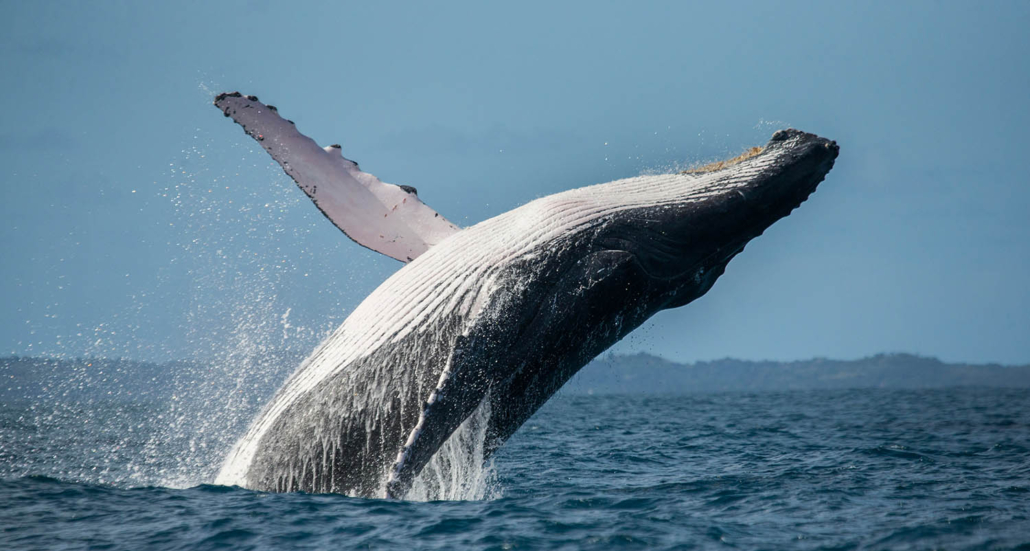
Along the rugged Pacific coastline, First Nations communities are leading groundbreaking conservation efforts that not only protect vital ecosystems but also mitigate climate change impacts.
(Image Credit: Getty Images [licenced], Unsplash)
The Great Bear Rainforest Agreement
One of the most significant achievements is the Great Bear Rainforest Agreement. This landmark conservation deal, led by Coastal First Nations, protects 6.4 million hectares of temperate rainforest. By preserving this vast carbon sink, the agreement plays a crucial role in climate change mitigation while also safeguarding biodiversity and Indigenous cultural practices.
Indigenous Guardian Programs
Coastal First Nations have established Indigenous Guardian programs, where community members act as the “eyes and ears” on their traditional territories. These Guardians monitor environmental changes, protect sensitive areas, and gather data that informs both traditional and scientific understanding of climate impacts.
For example, the Gitga’at Nation’s Guardians in northern British Columbia use a combination of traditional knowledge and modern technology to monitor marine ecosystems, track whale populations, and assess the health of important species like cedar trees.
Kelp Forest Restoration
In an innovative approach to both climate mitigation and adaptation, several Coastal First Nations are engaged in kelp forest restoration projects. Kelp forests sequester carbon, provide habitat for marine life, and help buffer coastlines against storm surges – an increasing threat due to climate change.
The Haida Nation, in partnership with Ocean Wise, has been cultivating kelp farms that not only capture carbon but also provide sustainable economic opportunities for the community.
Northwest Territories: Dehcho First Nations’ Carbon Offset Projects
In the Northwest Territories, the Dehcho First Nations are pioneering innovative methods to carbon management and land conservation.
Edéhzhíe Protected Area
The Dehcho First Nations worked with the Canadian government to establish the Edéhzhíe Protected Area, a vast 14,218 square kilometer region. This Indigenous Protected Area not only preserves crucial wildlife habitat but also serves as a significant carbon sink, contributing to Canada’s climate mitigation efforts.
Traditional Land-Use Planning
The Dehcho have developed a comprehensive land-use plan that incorporates traditional knowledge with scientific data. This plan guides sustainable development, protects critical habitats, and ensures that the land continues to support both ecological and cultural needs in the face of climate change.
Community-Based Monitoring Programs
Dehcho communities have implemented sophisticated monitoring programs that track environmental changes. By combining elder knowledge with scientific methods, these programs provide invaluable data on shifting wildlife patterns, changing ice conditions, and other climate-related impacts.
Prairies: First Nations’ Renewable Energy Initiatives
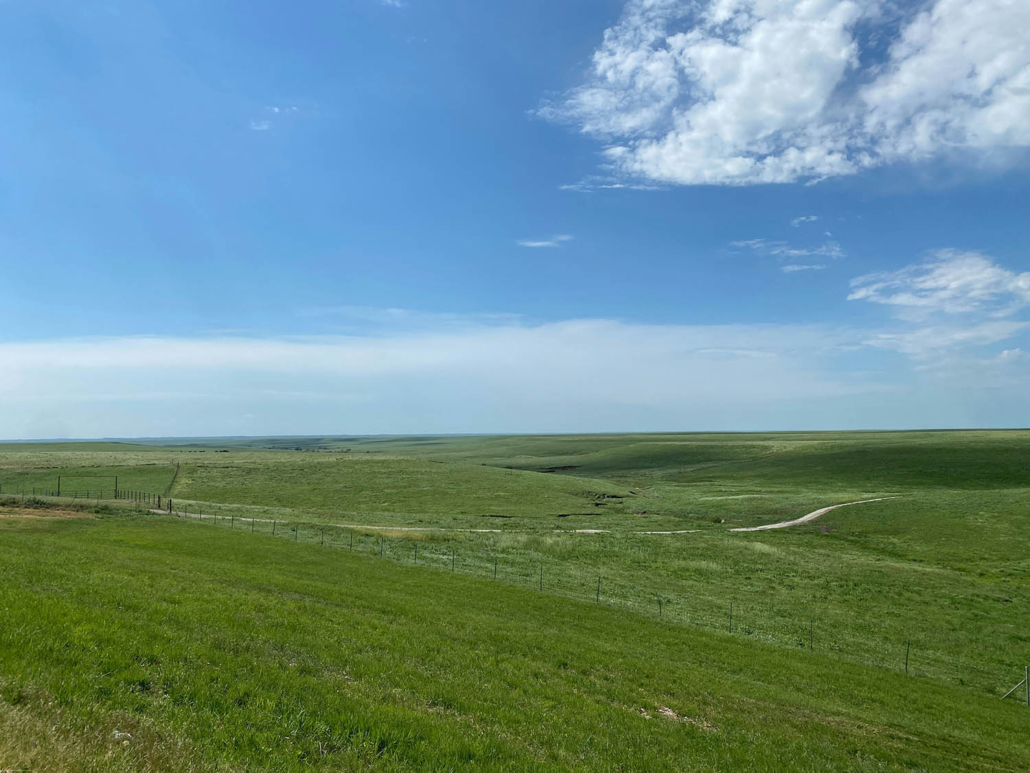
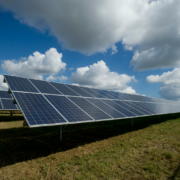
Across the Prairie provinces, First Nations are leading the charge in renewable energy development, demonstrating that economic development and climate action can go hand in hand.
(Photo Credit: American Jael, Unsplash)
Louis Bull Tribe’s Solar Projects
In Alberta, the Louis Bull Tribe has installed solar panels on virtually every community building. This initiative not only reduces the community’s carbon footprint but also provides energy security and economic benefits.
Fisher River Cree Nation’s Solar Farm
Manitoba’s Fisher River Cree Nation has developed the largest solar farm in the province. This 1-megawatt installation generates clean energy for the provincial grid, creating revenue for the community while contributing to climate change mitigation.
Skills Training and Green Job Creation
These renewable energy projects are doing more than just generating clean power – they’re also creating opportunities for Indigenous youth. Many communities are offering training programs in solar installation and maintenance, preparing the next generation for careers in the green economy.
Ontario: Anishinaabe Climate Action in the Great Lakes Region
In Ontario, Anishinaabe communities around the Great Lakes are taking such as the Michi Saagiig Nishnaabeg to climate adaptation and mitigation.

(Image Credit: Mark Ashford)
Traditional Rice Harvesting and Restoration
Climate change and water pollution have threatened wild rice (manomin) harvests, a staple food and cultural touchstone for many Anishinaabe communities. In response, nations like Curve Lake First Nation are leading restoration efforts, reviving traditional harvesting practices while also adapting to changing environmental conditions.
Water Protection Initiatives
Recognizing the fundamental importance of water, many Anishinaabe communities are spearheading water protection initiatives. The Saugeen Ojibway Nation, for instance, has developed a comprehensive water management strategy that combines traditional knowledge with scientific monitoring to protect the waters of Lake Huron and Georgian Bay.
Arctic: Inuit-Led Climate Resilience Strategies
In Canada’s Arctic, where climate change impacts are most pronounced, Inuit communities are at the forefront of adaptation efforts.
National Inuit Climate Change Strategy
The Inuit Tapiriit Kanatami, representing Inuit across Canada, has developed a comprehensive National Inuit Climate Change Strategy. This pioneering document outlines Inuit-led approaches to issues like food security, infrastructure, and health in the context of rapid Arctic warming.
Community-Based Sea Ice Monitoring
In Nunavut, Inuit hunters are collaborating with scientists on community-based sea ice monitoring projects. By combining traditional knowledge of ice conditions with satellite imagery and other scientific data, these initiatives are improving safety for hunters and providing crucial information on changing Arctic environments.

(Image Credit: Annie Spratt, Unsplash)
Adaptation of Traditional Hunting Practices
As warming temperatures alter animal migration patterns and sea ice conditions, Inuit hunters are adapting their traditional practices. This includes adjusting hunting seasons, diversifying food sources, and developing new safety protocols for traveling on increasingly unpredictable ice.
Cross-Country Initiatives
While many climate initiatives are locally focused, Indigenous organizations are also driving nation-wide efforts to address climate change.
Indigenous Clean Energy Network
The Indigenous Clean Energy Network connects and supports clean energy projects in Indigenous communities across Canada. By facilitating knowledge sharing and providing technical support, this initiative is accelerating the transition to clean energy in Indigenous territories nationwide.
Assembly of First Nations’ National Climate Strategy
The Assembly of First Nations has developed a National Climate Strategy that provides a framework for First Nations’ engagement in climate policy at all levels of government. This strategy emphasizes the importance of Indigenous knowledge in developing effective climate solutions.
Conclusion: The Power of Indigenous-Led Climate Action
From coast-to-coast-to-coast, Indigenous communities are demonstrating the power of place-based climate action. These initiatives not only address the immediate impacts of climate change but also promote sustainable livelihoods, preserve cultural practices, and assert Indigenous sovereignty.
As Canada grapples with the challenges of climate change, there is much to learn from these Indigenous-led approaches. By supporting and amplifying these efforts, and by creating more opportunities for Indigenous leadership in climate policy, we can build a more resilient, sustainable future for all Canadians.
The path forward is clear: effective climate action must respect Indigenous rights, incorporate traditional knowledge, and support Indigenous-led initiatives. As we face the growing climate crisis, the leadership of Indigenous communities across Canada offers not just hope, but a practical roadmap for creating a more sustainable, just, and resilient future.
– By Rye Karonhiowanen Barberstock
 American Public Power Association, Unsplash
 Zarif Ali, Unsplash