• Link to X
  • Link to Facebook
  • Link to Instagram
  • Link to Rss this site
Indigenous Climate Hub
  • Home
    • About Us
  • Climate Action Programs
    • First Nation Adapt Program
      • Indigenous Climate Change Adaptation Gatherings
    • Indigenous Community-Based Climate Monitoring Program
    • Climate Change and Health Adaptation Program
    • Climate Change Preparedness in the North
    • Environment and Climate Change Canada
  • Funding
  • Resources
    • Climate Change Directory
    • Resource Library
    • Community Adaptation Projects
  • Events
  • Podcast
  • Blog
  • Contact/FAQs
  • Click to open the search input field Click to open the search input field Search
  • Menu Menu

Indigenous Land-based Learning: A Way to Take Action on Climate Change
Blog, Climate Change, Climate Change Education
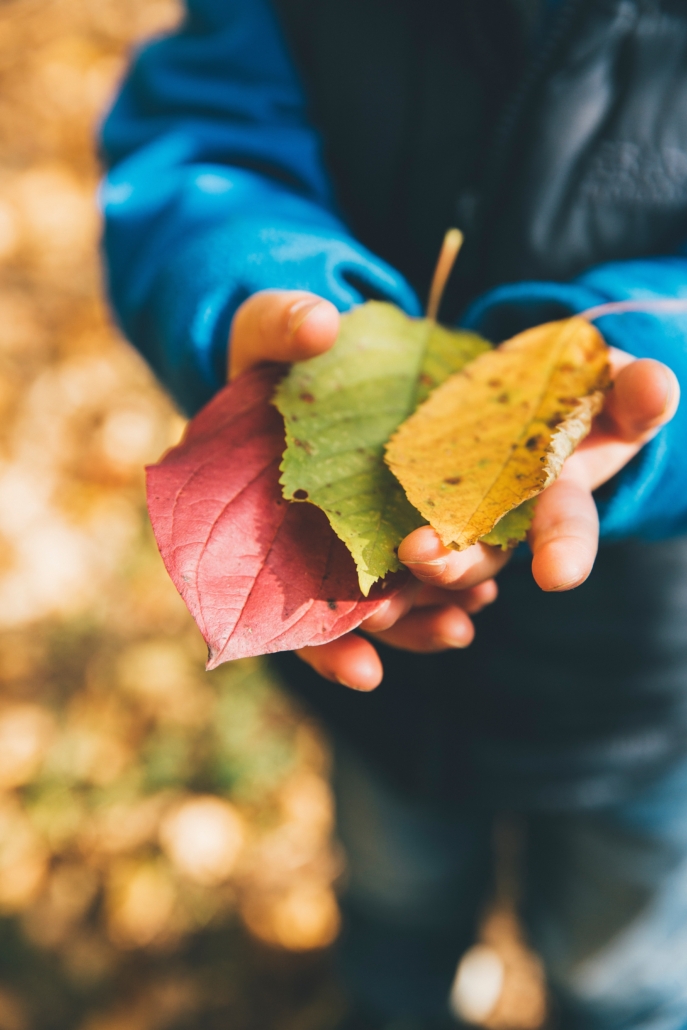
Markus Spiske, Unsplash

As young people and the young-at-heart go back to school this fall, it is good to revisit how Indigenous land-based learning is a way to take action on climate change. The impact of COVID-19 on society has also shed light on the importance of outdoor education.

According to a report inspired by the work of the Misipawistik Pimatisiméskanaw land-based learning program in Misipawistik Cree Nation, Manitoba, “Indigenous land-based learning typically uses an Indigenized and environmentally-focused approach to education by first recognizing the deep, physical, mental, and spiritual connection to the land that is a part of Indigenous cultures.” Indigenous land-based education teaches environmental stewardship. Simply put, Indigenous environmental stewardship reflects all the ways that Indigenous peoples honour Mother Earth, including practices of conservation and sustainability, as well as showing a responsibility for one another, as human beings.

Indigenous scholars at the University of Guelph in Southwestern Ontario have been working together with several community agencies, including the Global Youth Network, the Grand River Métis Council, and the White Owl Native Ancestry Association, to establish the Wisahkotewinowak teaching garden at the university’s arboretum. The garden is a space for youth to learn from Indigenous Elders about seasonal medicinal and edible plants. Wisahkotewinowak, is an Ojibway word that means “the growth of new shoots after a fire.” Youth are also involved in a project that involves the Niisaachwan Anishinaabe Nation and that combines learning about manomin (wild rice), an important food source for Anishinaabe people, with learning about changes to the land brought on by human settlement along the Winnipeg River. The Manomin/Wild Rice Project offers opportunities for land-based learning and intergenerational cooperation that also characterizes Indigenous food sovereignty projects.

In another example, children and youth ranging from kindergarten to grade 8 at the Biitigong Nishnaabeg Elementary School, just outside of Thunder Bay, Ontario, are benefitting from learning about traditional knowledge and skills, like manomin harvesting, from Indigenous Elders and Knowledge Keepers. The pilot project is run in partnership with Lakehead University, and has led members of all ages of the Biitigong community to learn about the benefits of land-based learning. Land-based practices characterizing Anishinaabe pedagogies, including those among communities governed by the Grand Council of Treaty #3 territories, offer insight into cultural practices, and practices that maintain a strong sense of identity among diverse Anishinaabe peoples.

The benefits of Indigenous-led education, including land-based learning, are also formally recognized, at the international scale, by the UNESCO. According to section B19 of the UNESCO Policy on Engaging with Indigenous Peoples, “effectively including indigenous peoples’ knowledge, holistic worldviews and cultures in the development of education policies, programmes, projects and practices and promoting their perspectives, would provide meaningful learning opportunities that are equally available, accessible, acceptable and appropriate for all indigenous peoples.”

There is an opportunity for Indigenous and non-Indigenous communities, and for their respective governments, to consider linking both educational policies and diverse practices that support Indigenous land-based education with climate change action.


By Leela Viswanathan
September 15, 2020/by IndigenousClimateHub
Tags: Anishinaabe, Climate Change, Education, Environmental Stewardship, Land-based Learning, Policy
Share this entry
  • Share on Facebook
  • Share on X
  • Share on WhatsApp
  • Share on Pinterest
  • Share on LinkedIn
  • Share on Tumblr
  • Share on Reddit
  • Share by Mail
https://indigenousclimatehub.ca/wp-content/uploads/2020/09/markus-spiske-DzgLAZXNFRo-unsplash-1-scaled.jpg 2560 1707 IndigenousClimateHub https://indigenousclimatehub.ca/wp-content/uploads/2020/10/logo-horiz-clr-01-small-300x88.png IndigenousClimateHub2020-09-15 07:00:402020-09-03 18:34:02Indigenous Land-based Learning: A Way to Take Action on Climate Change
You might also like
Envato Elements (licensed) Climate Change Adaptation vs. Mitigation
Climate Change Adaptation in Kanaka Bar
American Public Power Association, Unsplash Renewable Energy Projects in Indigenous Communities: Balancing Tradition and Innovation
Shutterstock, Licensed The Role of Indigenous Women in Climate Resilience and Adaptation
Arnaud Measureur, Unsplash Connecting Stewardship to Climate Adaptation and Resiliency: A Bioregional Approach
Fellipe Ditadi, Unsplash+ Reimagining Our Relationship with Natural Resources: A Path Toward Climate Resilience through Natural Law and Decommodification
X Logo X Logo Followon X RSS Feed Logo RSS Feed Logo Subscribeto RSS Feed

Subscribe to Our Blog

This field is required.

Check your inbox or spam folder to confirm your subscription.

Recent Posts

  • Water Is a Relative, Not a Resource
  • The River Is Telling Us Something: Indigenous-Led Water Monitoring as Canada’s Climate Early Warning System
  • Night Skies and Shifting Stars: How Indigenous Celestial Knowledge Tracks a Changing Climate
  • From Ownership to Relationship: Reclaiming Our Responsibilities to Land
  • Human Foolishness in Floodplains

Archives

  • June 2026
  • May 2026
  • April 2026
  • March 2026
  • February 2026
  • January 2026
  • December 2025
  • November 2025
  • October 2025
  • September 2025
  • August 2025
  • July 2025
  • June 2025
  • May 2025
  • April 2025
  • March 2025
  • February 2025
  • January 2025
  • December 2024
  • November 2024
  • October 2024
  • September 2024
  • August 2024
  • July 2024
  • June 2024
  • May 2024
  • April 2024
  • March 2024
  • February 2024
  • January 2024
  • December 2023
  • November 2023
  • October 2023
  • September 2023
  • August 2023
  • July 2023
  • June 2023
  • May 2023
  • April 2023
  • March 2023
  • February 2023
  • January 2023
  • December 2022
  • November 2022
  • October 2022
  • September 2022
  • August 2022
  • July 2022
  • June 2022
  • May 2022
  • April 2022
  • March 2022
  • February 2022
  • January 2022
  • December 2021
  • November 2021
  • October 2021
  • September 2021
  • August 2021
  • July 2021
  • June 2021
  • May 2021
  • April 2021
  • March 2021
  • February 2021
  • January 2021
  • December 2020
  • November 2020
  • October 2020
  • September 2020
  • August 2020
  • July 2020
  • June 2020
  • February 2020
  • October 2019
  • August 2019
  • July 2019
  • June 2019
  • May 2019
  • April 2019
  • March 2019

Categories

  • Adaptation
  • Alberta
  • Announcements
  • Arctic
  • Atlantic/NB
  • Awards
  • Blog
  • British Columbia
  • Climate Change
  • Climate Change Adaptation
  • Climate Change Education
  • Climate Change News
  • Climate Change Project
  • Climate Crisis
  • Climate Monitoring
  • Community Engagement
  • Community-Based Environmental Monitoring
  • Documentaries
  • Documentary
  • Events
  • Flooding
  • Food
  • Food Security
  • Food Sovereignty
  • Forest Fires
  • Funding Opportunity
  • ICCAG 2019
  • Indigenous Perspectives
  • Manitoba
  • Media
  • Métis
  • Métis Settlement
  • News
  • Op-Ed
  • Quebec
  • Saskatchewan
  • Technology
  • Video
  • Water
  • Webinars

Tags

Alberta Arctic Arctic Resilience Forum British Columbia Carbon Sequestration Caribou Caribou Recovery CIRNAC Climate Adaptation Climate Change Climate Change Adaptation Climate Resilience Community Engagement Education Environmental Stewardship Environment and Climate Change Canada (ECCC) First Nations Flooding Food Security Food Sovereignty Global Warming Indigenous Indigenous Guardians Toolkit Indigenous Knowledge Indigenous Stewardship Infrastructure Inuit landscape Mental Health Paris Agreement Policy Renewable Energy Research Resilience Science Traditional Ecological Knowledge Traditional Ecological Knowledge (TEK) Traditional Knowledge UNDRIP United Nations United Nations (UN) Webinar Wildfires WWF-Canada Youth
Contact

About Us

The Indigenous Climate Hub is a unique online community of Indigenous climate change leaders that have come together to share their stories and climate change adaptation experiences. The website is the result of the recommendations brought forward by Indigenous peoples at the Indigenous Climate Change Adaptation Gathering in 2018.

Indigenous Climate Hub Podcast

Be a part of the Indigenous Climate Hub Podcast. We are looking for unique perspectives and experiences in environmental stewardship, Indigenous ecological and traditional knowledge, and resource management offer valuable knowledge and teachings that can benefit Indigenous communities across Turtle Island and beyond.

Indigenous-led Initiatives

Are you a program or organization that funds or supports Indigenous Peoples  working on climate change initiatives?  If you would like to provide information to potential recipients here, please reach out to Okwaho so that we can work with you to highlight your program.

© Copyright - Indigenous Climate Hub, 2025-2026
  • Terms of Service
  • Privacy Policy
Link to: How Indigenous communities are protecting salmon habitat from the effects of climate change Link to: How Indigenous communities are protecting salmon habitat from the effects of climate change How Indigenous communities are protecting salmon habitat from the effects of...Drew Farwell (Unsplash) Link to: Consultation Opportunity: Protecting Canada’s Fresh Water Link to: Consultation Opportunity: Protecting Canada’s Fresh Water Joshua Woroniecki, UnsplashConsultation Opportunity: Protecting Canada’s Fresh Water
Scroll to top Scroll to top Scroll to top