
The Role of Indigenous Women in Climate Resilience and Adaptation
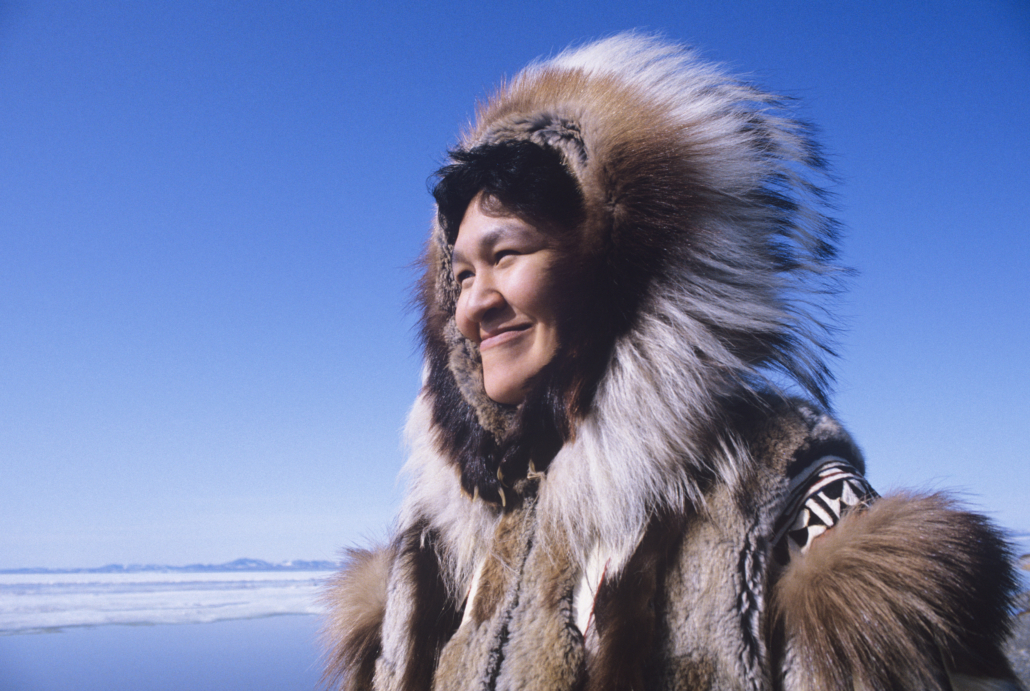 Shutterstock, Licensed
Indigenous women across Canada are emerging as powerful leaders in climate resilience and adaptation efforts. Drawing on traditional knowledge, community connections, and a deep commitment to environmental stewardship, Indigenous women are spearheading innovative methodologies to address climate change impacts in their communities and beyond.
Rematriation, Traditional Roles and Modern Leadership
The restoration of Indigenous women’s traditional roles through rematriation represents a powerful force in environmental leadership and climate action. This movement recognizes and reinstates women’s sacred responsibilities as water protectors and land guardians, roles deeply embedded in many Indigenous cultures’ traditional governance systems.
Indigenous women’s leadership emerges from matriarchal traditions where women held significant decision-making power in environmental stewardship. These traditional governance models recognized women’s unique relationship with water as life-givers and their profound understanding of environmental cycles and relationships. Today, this traditional authority finds new expression in climate action and environmental protection.
The rematriation of environmental leadership manifests through the restoration of women’s traditional decision-making roles and sacred responsibilities to water and land. This process involves revitalizing matriarchal governance systems that have historically guided sustainable resource management. Women’s ecological knowledge, passed down through generations, provides crucial insights for addressing current environmental challenges. The integration of traditional female leadership models emphasizes the importance of intergenerational knowledge transfer and cultural continuity while celebrating women’s environmental wisdom.
This rematriated approach brings a distinctive perspective to environmental stewardship, characterized by a holistic understanding of ecological relationships and long-term, intergenerational thinking. Women leaders demonstrate the essential balance between development and protection, integrating cultural and spiritual values into environmental decision-making. Their approach emphasizes collective well-being and recognizes the sacred nature of water, understanding the profound connections between environmental and community health.
Through rematriation, Indigenous women are leading climate action initiatives that combine traditional knowledge with contemporary environmental challenges. Their leadership in sustainable resource management and protection of traditional territories demonstrates the effectiveness of matriarchal governance models. Women’s roles in water protection initiatives and environmental justice advocacy reflect their traditional responsibilities as environmental stewards. By teaching traditional ecological practices and building community resilience, they ensure the preservation of cultural knowledge while fostering environmental responsibility for future generations.
Indigenous Women in Climate Science and Policy
Indigenous women are revolutionizing climate science and policy by integrating traditional knowledge with contemporary environmental research. Their unique perspectives combine multi-generational ecological observations with spiritual and cultural understandings of land and water. Through advocacy and leadership, they shape environmental policy while emphasizing community-based solutions and traditional governance models. Their research methodologies enhance scientific approaches by incorporating relationship-based and culturally appropriate methods. Indigenous women’s documentation of environmental changes, combined with traditional adaptation strategies, provides crucial insights for climate action policy.
Traditional Food Revitalization
Indigenous women are leading transformative efforts in food sovereignty, combining traditional knowledge with innovative approaches to address climate change impacts on food security. Their leadership in restoring traditional food systems encompasses the protection of ancestral food sources, preservation of Indigenous dietary knowledge, and maintenance of ceremonial food practices. Through community initiatives like gardens and seed sanctuaries, traditional food education programs, and youth mentorship, they ensure the transmission of crucial food knowledge across generations. Their work recognizes Indigenous diets as fundamental to holistic health, embracing traditional nutritional wisdom and cultural healing practices. These food sovereignty efforts extend to environmental stewardship, incorporating sustainable harvesting practices, habitat conservation, and biodiversity protection. As they develop climate-resilient food systems and strengthen community food networks, Indigenous women demonstrate how traditional food practices can address contemporary challenges while maintaining cultural connections and promoting community well-being.
Sustainable Crafts and Economic Resilience
Indigenous women are leading a powerful resurgence of traditional craft economies, weaving together ancestral knowledge with innovative approaches to address contemporary challenges. This revival honours the sacred relationships and protocols inherent in Indigenous craft practices while creating sustainable economic opportunities. Through their work, traditional techniques and materials merge with modern adaptations, maintaining cultural authenticity while meeting current market demands.
These initiatives extend beyond economic development to encompass environmental stewardship and cultural preservation. Women entrepreneurs integrate sustainable harvesting practices and climate-adaptive techniques while maintaining the ceremonial significance of their crafts. Their approach to material sourcing and production emphasizes ecological conservation and waste reduction, demonstrating how traditional practices can address modern environmental challenges.
Through community-based economies and fair-trade practices, these initiatives support economic self-determination while ensuring the transmission of cultural knowledge to future generations. This renaissance in Indigenous craft economies demonstrates how traditional practices can evolve to meet contemporary needs while maintaining spiritual and cultural foundations.
Addressing the Gendered Impacts of Climate Change
Indigenous women face unique challenges from climate change that intersect with their traditional roles as caregivers, food providers, water protectors, and Knowledge Keepers. Their experiences encompass disruptions to food gathering, changes in water availability, reduced access to medicinal plants, and increased pressures on ceremonial and cultural practices. Despite these challenges, Indigenous women demonstrate remarkable leadership in developing comprehensive responses to climate impacts.
Their initiatives include community-based adaptation strategies that honour traditional knowledge while creating innovative solutions. Through women’s support networks and intergenerational teaching programs, they strengthen community resilience while preserving cultural practices. Their gender-specific approaches recognize the distinct responsibilities and knowledge systems of women, incorporating traditional healing practices and matriarchal leadership models.
These leaders advocate for gender-responsive climate policies while building economic opportunities and strengthening health support systems, demonstrating how women’s traditional roles as leaders and innovators can inform effective climate adaptation strategies.
The Path Forward: Supporting Indigenous Women’s Leadership
The path forward demonstrates the critical need to strengthen and amplify Indigenous women’s roles in environmental stewardship and climate resilience. This support framework encompasses multiple dimensions that recognize and enhance Indigenous women’s traditional authority and knowledge.
Increased funding represents a fundamental shift in supporting Indigenous women-led climate initiatives. Rematriarchal funding resources must be developed by Indigenous Peoples and Canada and flow directly to community-based adaptation programs and traditional knowledge preservation projects. This funding should be sustained and flexible, allowing communities to define their own priorities and approaches. Support must extend beyond short-term projects to enable long-term planning and implementation of climate initiatives, cultural revitalization efforts, and sustainable economic development. Such investment acknowledges the vital role of Indigenous women in environmental protection while supporting intergenerational knowledge transfer and community-led research.
Meaningful policy inclusion requires transformative change in how decision-making processes engage Indigenous women. Their participation must extend beyond consultation to embrace true partnership and leadership, recognizing their unique perspectives and traditional authority. This involves direct participation in environmental governance, recognition of traditional systems, and support for Indigenous-led policy development. Policy frameworks must protect Indigenous rights and sovereignty while acknowledging matriarchal leadership models that have successfully guided environmental stewardship for generations.
Capacity-building initiatives must honour traditional knowledge while creating opportunities for enhanced leadership in climate action. These programs should combine respect for traditional teaching methods with access to contemporary tools and resources. Through women’s leadership development opportunities, technical training, and cross-cultural exchanges, Indigenous women strengthen their ability to address climate challenges. Mentorship programs and professional development support ensure the continuation of traditional knowledge while building new skills for current environmental challenges.
Recognition of Indigenous women’s contributions to climate action must transcend superficial acknowledgment to include meaningful support and respect for their environmental authority. This involves formal recognition of their contributions while protecting intellectual property rights and supporting Indigenous-led initiatives. Celebrating traditional knowledge and preserving cultural practices ensures these vital approaches continue to inform climate solutions. Documentation and sharing of success stories inspire future generations while demonstrating the effectiveness of Indigenous women’s leadership in environmental stewardship.
Blog by Rye Karonhiowanen Barberstock
(Image Credit: Shutterstock, Licensed)

 Ries Bosch, Unsplash
 Tawny Stowe
 Unsplash Community, Licensed
 Shutterstock, Licensed
 Markus Spiske, Unsplash
 American Public Power Association, Unsplash
 Shutterstock, Licensed