• Link to X
  • Link to Facebook
  • Link to Instagram
  • Link to Rss this site
Indigenous Climate Hub
  • Home
    • About Us
  • Climate Action Programs
    • First Nation Adapt Program
      • Indigenous Climate Change Adaptation Gatherings
    • Indigenous Community-Based Climate Monitoring Program
    • Climate Change and Health Adaptation Program
    • Climate Change Preparedness in the North
    • Environment and Climate Change Canada
  • Funding
  • Resources
    • Climate Change Directory
    • Resource Library
    • Community Adaptation Projects
  • Events
  • Podcast
  • Blog
  • Contact/FAQs
  • Click to open the search input field Click to open the search input field Search
  • Menu Menu

The Impacts of Climate Change on the Mental Wellness of Indigenous Peoples Around the World
Blog, Climate Change

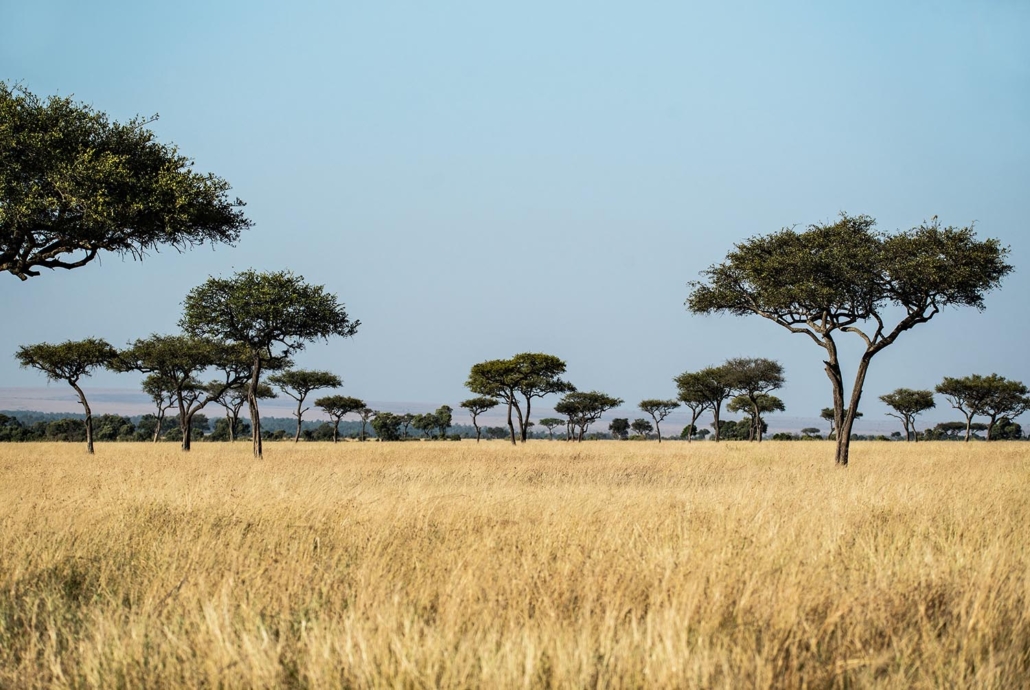
A systematic literature review conducted by researchers from the University of Sydney, and published in February 2022, reaffirms that climate change has direct, indirect, and different effects on Indigenous mental wellness globally. When attachment to land is disrupted by the effects of extreme weather events, the resultant upheaval triggers different emotions among various Indigenous peoples. The relationship among Indigenous peoples, emotions, and climate change effects, varies from place to place.

According to the research study,  emotional responses to the effects of climate change, vary globally among Indigenous peoples. For example, feelings of frustration are documented among the peoples of rural savannahs in Western Africa, who experience erratic weather, caused by climate change. Meanwhile, aggression is noted to increase among Indigenous people in Australia who are impacted by droughts. Inuit experiencing loss of sea ice are documented with ecological grief, and risk factors contributing to PTSD are also documented about Taiwanese communities experiencing typhoons. These examples offer insights into the impacts of direct pressures of climate change on Indigenous wellness, and how the impact can vary from location to location and among various Indigenous communities. In these ways, unexpected, prolonged, and repeated changes in the land can be understood as negatively impacting Indigenous health. There are also indirect pressures of climate change that result in distress and that undermine mental wellness. Indirect pressures include decreased access to land and fewer opportunities to pass along Indigenous knowledge. When land connections are threatened or removed, mental wellness declines. Disruptions to culture and disruptions to land become detrimental to the health and wellbeing of Indigenous community members.

While the effects of climate change on the land brought on by adverse weather conditions are detrimental to Indigenous health, the research study notes how the “intrinsic connection and attachment to land” reduces stress and supports overall mental wellness. For example, Inuit Elders in Rigolet, Canada, have shown how spending time on the land enhances mental wellness among individuals and across whole communities.

Different aspects that affect the vulnerability of Indigenous peoples to climate change and mental wellness of Indigenous peoples include, perceptions and understandings of climate change; place attachment; disruption to culture; food insecurity; and broader, existing social injustices. Across many cultures, maintaining and sharing cultural traditions are ways to cope with climate change. For example, Torres Strait Islander Peoples engage in music, art, and traditional teachings, all known to enhance emotional well being.

The research provides different examples from all over the world, and shows how Indigenous communities are experiencing threats to mental wellness brought upon by climate change. Social supports and kinship ties assist Indigenous peoples to adapt to climate change and to uphold coping mechanisms to manage mental wellness. Perceptions and viewpoints about vulnerability and community resilience differ among Indigenous peoples, depending on where they live, how they engage with traditional knowledge, and how they share this knowledge among diverse members of their communities, including among youth, women, and Elders.


By Leela Viswanathan


(Image credit: David Clode, Unsplash)
November 16, 2022/by IndigenousClimateHub
Tags: Ecological Grief, Mental Health, Mental Wellness
Share this entry
  • Share on Facebook
  • Share on X
  • Share on WhatsApp
  • Share on Pinterest
  • Share on LinkedIn
  • Share on Tumblr
  • Share on Reddit
  • Share by Mail
https://indigenousclimatehub.ca/wp-content/uploads/2022/11/david-clode-unsplash.jpg 1005 1500 IndigenousClimateHub https://indigenousclimatehub.ca/wp-content/uploads/2020/10/logo-horiz-clr-01-small-300x88.png IndigenousClimateHub2022-11-16 21:16:492022-11-16 21:31:37The Impacts of Climate Change on the Mental Wellness of Indigenous Peoples Around the World
You might also like
Climate Grief: The Emotional Impact of Climate Change
Ahmed, Unsplash Climate Change and Indigenous Health: Addressing the Impacts on Well-being
Unsplash Community, Licensed Arctic Resilience: Inuit Communities at the Forefront of Climate Change Adaptation
X Logo X Logo Followon X RSS Feed Logo RSS Feed Logo Subscribeto RSS Feed

Subscribe to Our Blog

This field is required.

Check your inbox or spam folder to confirm your subscription.

Recent Posts

  • Water Is a Relative, Not a Resource
  • The River Is Telling Us Something: Indigenous-Led Water Monitoring as Canada’s Climate Early Warning System
  • Night Skies and Shifting Stars: How Indigenous Celestial Knowledge Tracks a Changing Climate
  • From Ownership to Relationship: Reclaiming Our Responsibilities to Land
  • Human Foolishness in Floodplains

Archives

  • June 2026
  • May 2026
  • April 2026
  • March 2026
  • February 2026
  • January 2026
  • December 2025
  • November 2025
  • October 2025
  • September 2025
  • August 2025
  • July 2025
  • June 2025
  • May 2025
  • April 2025
  • March 2025
  • February 2025
  • January 2025
  • December 2024
  • November 2024
  • October 2024
  • September 2024
  • August 2024
  • July 2024
  • June 2024
  • May 2024
  • April 2024
  • March 2024
  • February 2024
  • January 2024
  • December 2023
  • November 2023
  • October 2023
  • September 2023
  • August 2023
  • July 2023
  • June 2023
  • May 2023
  • April 2023
  • March 2023
  • February 2023
  • January 2023
  • December 2022
  • November 2022
  • October 2022
  • September 2022
  • August 2022
  • July 2022
  • June 2022
  • May 2022
  • April 2022
  • March 2022
  • February 2022
  • January 2022
  • December 2021
  • November 2021
  • October 2021
  • September 2021
  • August 2021
  • July 2021
  • June 2021
  • May 2021
  • April 2021
  • March 2021
  • February 2021
  • January 2021
  • December 2020
  • November 2020
  • October 2020
  • September 2020
  • August 2020
  • July 2020
  • June 2020
  • February 2020
  • October 2019
  • August 2019
  • July 2019
  • June 2019
  • May 2019
  • April 2019
  • March 2019

Categories

  • Adaptation
  • Alberta
  • Announcements
  • Arctic
  • Atlantic/NB
  • Awards
  • Blog
  • British Columbia
  • Climate Change
  • Climate Change Adaptation
  • Climate Change Education
  • Climate Change News
  • Climate Change Project
  • Climate Crisis
  • Climate Monitoring
  • Community Engagement
  • Community-Based Environmental Monitoring
  • Documentaries
  • Documentary
  • Events
  • Flooding
  • Food
  • Food Security
  • Food Sovereignty
  • Forest Fires
  • Funding Opportunity
  • ICCAG 2019
  • Indigenous Perspectives
  • Manitoba
  • Media
  • Métis
  • Métis Settlement
  • News
  • Op-Ed
  • Quebec
  • Saskatchewan
  • Technology
  • Video
  • Water
  • Webinars

Tags

Alberta Arctic Arctic Resilience Forum British Columbia Carbon Sequestration Caribou Caribou Recovery CIRNAC Climate Adaptation Climate Change Climate Change Adaptation Climate Resilience Community Engagement Education Environmental Stewardship Environment and Climate Change Canada (ECCC) First Nations Flooding Food Security Food Sovereignty Global Warming Indigenous Indigenous Guardians Toolkit Indigenous Knowledge Indigenous Stewardship Infrastructure Inuit landscape Mental Health Paris Agreement Policy Renewable Energy Research Resilience Science Traditional Ecological Knowledge Traditional Ecological Knowledge (TEK) Traditional Knowledge UNDRIP United Nations United Nations (UN) Webinar Wildfires WWF-Canada Youth
Contact

About Us

The Indigenous Climate Hub is a unique online community of Indigenous climate change leaders that have come together to share their stories and climate change adaptation experiences. The website is the result of the recommendations brought forward by Indigenous peoples at the Indigenous Climate Change Adaptation Gathering in 2018.

Indigenous Climate Hub Podcast

Be a part of the Indigenous Climate Hub Podcast. We are looking for unique perspectives and experiences in environmental stewardship, Indigenous ecological and traditional knowledge, and resource management offer valuable knowledge and teachings that can benefit Indigenous communities across Turtle Island and beyond.

Indigenous-led Initiatives

Are you a program or organization that funds or supports Indigenous Peoples  working on climate change initiatives?  If you would like to provide information to potential recipients here, please reach out to Okwaho so that we can work with you to highlight your program.

© Copyright - Indigenous Climate Hub, 2025-2026
  • Terms of Service
  • Privacy Policy
Link to: Addressing Climate Change with Indigenous Science and Environmental Education Link to: Addressing Climate Change with Indigenous Science and Environmental Education Addressing Climate Change with Indigenous Science and Environmental Educati... Link to: Creating Pathways to Indigenous-led Climate Policy in Canada Link to: Creating Pathways to Indigenous-led Climate Policy in Canada Creating Pathways to Indigenous-led Climate Policy in Canada
Scroll to top Scroll to top Scroll to top