• Link to X
  • Link to Facebook
  • Link to Instagram
  • Link to Rss this site
Indigenous Climate Hub
  • Home
    • About Us
  • Climate Action Programs
    • First Nation Adapt Program
      • Indigenous Climate Change Adaptation Gatherings
    • Indigenous Community-Based Climate Monitoring Program
    • Climate Change and Health Adaptation Program
    • Climate Change Preparedness in the North
    • Environment and Climate Change Canada
  • Funding
  • Resources
    • Climate Change Directory
    • Resource Library
    • Community Adaptation Projects
  • Events
  • Podcast
  • Blog
  • Contact/FAQs
  • Click to open the search input field Click to open the search input field Search
  • Menu Menu

Climate Grief: The Emotional Impact of Climate Change
Blog, Climate Change

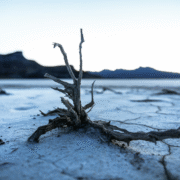
Climate change triggers emotions. ‘Climate grief’ or ecological grief refers to the emotional response to the loss and anxiety associated with the “overall effects of climate change.” Climate change has an impact on human health—physical and mental. While the physical impacts of climate change have been linked to respiratory ailments, like asthma, because of air pollution and heatstroke, various psychological ailments and mental health concerns are emotional impacts of climate change and are often overlooked.

The uncertainty associated with climate change requires people to deal with changes that have already occurred, and with complex feelings of not knowing what additional changes will emerge in the future; this exacerbates anxiety and grief. Names for climate grief can take on regional terms. For example, “winter grief” is the grief of the loss of traditional winters due to climate change. “Snow anxiety,” and grappling with simultaneous feelings of “winter joy” and “snow relief” are some of the ways that Arctic communities express the spectrum of feelings associated with managing uncertainty in the landscape due to climate change.

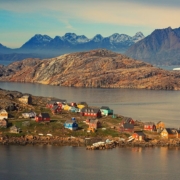
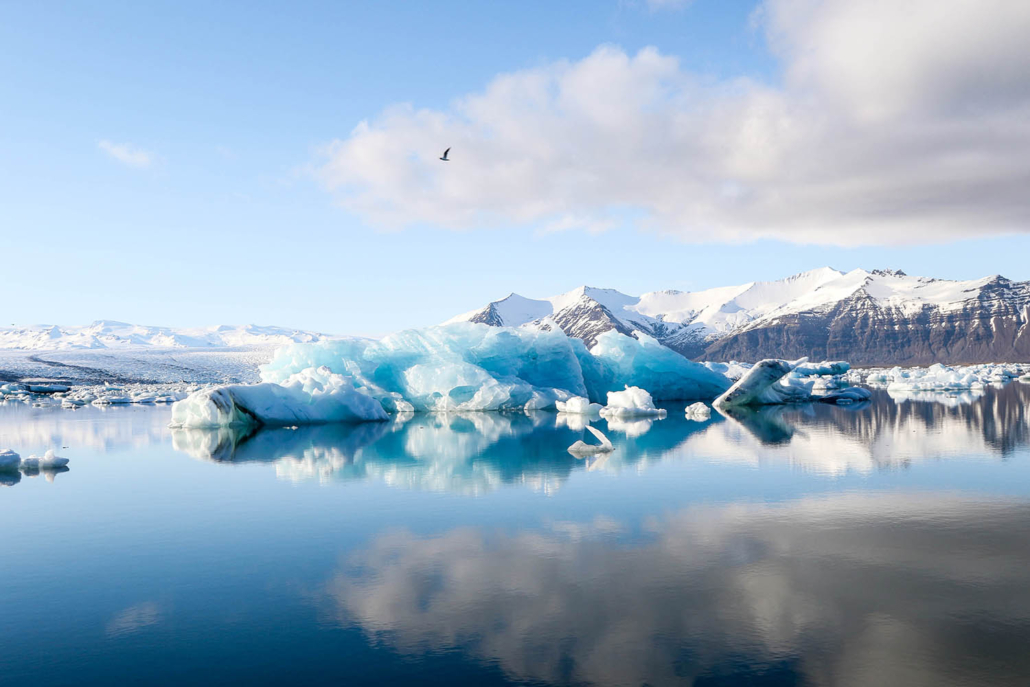
Climate grief is prevalent in Arctic communities. The Inuit experience of “solastalgia”—a feeling of home sickness without ever leaving home”—is linked to the psychological impact of seeing the landscape of melting ice due to climate change. The unpredictability of the “shoulder season”—the period between hunting seasons—is a cause for worry among the Inuit. Fluctuations in the amount of snow in the winter and Spring temperatures make it increasingly difficult for Inuit to plan for their lives. With the melting ice limiting access to land and water, Inuit with otherwise strong cultural connections to the landscape are experiencing a form of seasonal affective disorder. The loss of one’s home and the shifting conditions for Arctic survival are feeding a sadness, on top of the impacts of colonialism, regarded by some as a social determinant of health.

Climate change effects also disrupt Indigenous knowledge systems and feed anxiety in the loss of one’s culture. Inuit fear loss of species if there is “no more sea ice” and loss of connection to the land. The cumulative loss of land over years for Inuit communities of Nunatsiavut, Labrador, Canada and the resultant loss of sense of place, are at the root of ecological grief, with the concomitant effect of loss of local knowledge.

The Climate Atlas recognizes how mental health impacts of climate change fall into three main categories: experiences of extreme weather events; experiences of environmental changes; and awareness of climate change experiences. Climate grief and distress affects all age groups. Author of “A Field Guide to Climate Anxiety,” Sarah Jaquette Ray notes that the population born “at the tail end of the Millennial generation,” also known as Generation Z or iGen, are “the first to have spent [their] entire lives with the effects of climate change,” and that everyone should mirror their tremendous energy and address climate distress by renewing one’s “commitment to climate advocacy.”


By Leela Viswanathan


(Image Credit: Jeremy Bishop, Unsplash)

November 15, 2021/by IndigenousClimateHub
Tags: Arctic, Climate Anxiety, Climate Atlas, Climate Grief, Ecological Grief, Inuit, Mental Health, Seasonal Affective Disorder, Solastalgia
Share this entry
  • Share on Facebook
  • Share on X
  • Share on WhatsApp
  • Share on Pinterest
  • Share on LinkedIn
  • Share on Tumblr
  • Share on Reddit
  • Share by Mail
https://indigenousclimatehub.ca/wp-content/uploads/2021/11/jeremy-bishop-unsplash.jpg 1000 1500 IndigenousClimateHub https://indigenousclimatehub.ca/wp-content/uploads/2020/10/logo-horiz-clr-01-small-300x88.png IndigenousClimateHub2021-11-15 19:00:402021-11-15 19:05:25Climate Grief: The Emotional Impact of Climate Change
You might also like
Indigenous-led Conservation of Caribou
The Impacts of Climate Change on the Mental Wellness of Indigenous Peoples Around the World
Zarif Ali, Unsplash Traditional Ecological Knowledge: The Cornerstone of Indigenous Climate Adaptation in Canada
Image Credit : Patrick Hendry, Unsplash Healing the Land, Healing Ourselves: Climate Grief and Indigenous Ceremonial Practices

Solar panels Achieving Net-Zero Carbon Emissions and Energy Sovereignty through Indigenous-Owned Solar Projects
Inuit Coexistence with Polar Bears in the Context of Climate Change
X Logo X Logo Followon X RSS Feed Logo RSS Feed Logo Subscribeto RSS Feed

Subscribe to Our Blog

This field is required.

Check your inbox or spam folder to confirm your subscription.

Recent Posts

  • Water Is a Relative, Not a Resource
  • The River Is Telling Us Something: Indigenous-Led Water Monitoring as Canada’s Climate Early Warning System
  • Night Skies and Shifting Stars: How Indigenous Celestial Knowledge Tracks a Changing Climate
  • From Ownership to Relationship: Reclaiming Our Responsibilities to Land
  • Human Foolishness in Floodplains

Archives

  • June 2026
  • May 2026
  • April 2026
  • March 2026
  • February 2026
  • January 2026
  • December 2025
  • November 2025
  • October 2025
  • September 2025
  • August 2025
  • July 2025
  • June 2025
  • May 2025
  • April 2025
  • March 2025
  • February 2025
  • January 2025
  • December 2024
  • November 2024
  • October 2024
  • September 2024
  • August 2024
  • July 2024
  • June 2024
  • May 2024
  • April 2024
  • March 2024
  • February 2024
  • January 2024
  • December 2023
  • November 2023
  • October 2023
  • September 2023
  • August 2023
  • July 2023
  • June 2023
  • May 2023
  • April 2023
  • March 2023
  • February 2023
  • January 2023
  • December 2022
  • November 2022
  • October 2022
  • September 2022
  • August 2022
  • July 2022
  • June 2022
  • May 2022
  • April 2022
  • March 2022
  • February 2022
  • January 2022
  • December 2021
  • November 2021
  • October 2021
  • September 2021
  • August 2021
  • July 2021
  • June 2021
  • May 2021
  • April 2021
  • March 2021
  • February 2021
  • January 2021
  • December 2020
  • November 2020
  • October 2020
  • September 2020
  • August 2020
  • July 2020
  • June 2020
  • February 2020
  • October 2019
  • August 2019
  • July 2019
  • June 2019
  • May 2019
  • April 2019
  • March 2019

Categories

  • Adaptation
  • Alberta
  • Announcements
  • Arctic
  • Atlantic/NB
  • Awards
  • Blog
  • British Columbia
  • Climate Change
  • Climate Change Adaptation
  • Climate Change Education
  • Climate Change News
  • Climate Change Project
  • Climate Crisis
  • Climate Monitoring
  • Community Engagement
  • Community-Based Environmental Monitoring
  • Documentaries
  • Documentary
  • Events
  • Flooding
  • Food
  • Food Security
  • Food Sovereignty
  • Forest Fires
  • Funding Opportunity
  • ICCAG 2019
  • Indigenous Perspectives
  • Manitoba
  • Media
  • Métis
  • Métis Settlement
  • News
  • Op-Ed
  • Quebec
  • Saskatchewan
  • Technology
  • Video
  • Water
  • Webinars

Tags

Alberta Arctic Arctic Resilience Forum British Columbia Carbon Sequestration Caribou Caribou Recovery CIRNAC Climate Adaptation Climate Change Climate Change Adaptation Climate Resilience Community Engagement Education Environmental Stewardship Environment and Climate Change Canada (ECCC) First Nations Flooding Food Security Food Sovereignty Global Warming Indigenous Indigenous Guardians Toolkit Indigenous Knowledge Indigenous Stewardship Infrastructure Inuit landscape Mental Health Paris Agreement Policy Renewable Energy Research Resilience Science Traditional Ecological Knowledge Traditional Ecological Knowledge (TEK) Traditional Knowledge UNDRIP United Nations United Nations (UN) Webinar Wildfires WWF-Canada Youth
Contact

About Us

The Indigenous Climate Hub is a unique online community of Indigenous climate change leaders that have come together to share their stories and climate change adaptation experiences. The website is the result of the recommendations brought forward by Indigenous peoples at the Indigenous Climate Change Adaptation Gathering in 2018.

Indigenous Climate Hub Podcast

Be a part of the Indigenous Climate Hub Podcast. We are looking for unique perspectives and experiences in environmental stewardship, Indigenous ecological and traditional knowledge, and resource management offer valuable knowledge and teachings that can benefit Indigenous communities across Turtle Island and beyond.

Indigenous-led Initiatives

Are you a program or organization that funds or supports Indigenous Peoples  working on climate change initiatives?  If you would like to provide information to potential recipients here, please reach out to Okwaho so that we can work with you to highlight your program.

© Copyright - Indigenous Climate Hub, 2025-2026
  • Terms of Service
  • Privacy Policy
Link to: Indigenous water rights and climate change Link to: Indigenous water rights and climate change Indigenous water rights and climate change Link to: Indigenous Activism and Inclusion at COP26 Link to: Indigenous Activism and Inclusion at COP26 Scott Umstattd, UnsplashIndigenous Activism and Inclusion at COP26
Scroll to top Scroll to top Scroll to top