
Traditional Ecological Knowledge: The Cornerstone of Indigenous Climate Adaptation in Canada
In the face of rapidly changing climate conditions, Canada’s Indigenous Peoples are drawing upon millennia of wisdom to adapt and thrive. This ancient knowledge, known as Traditional Ecological Knowledge (TEK), is proving to be an invaluable resource in the fight against climate change. But what exactly is TEK, and how is it shaping climate adaptation strategies across the country?
Understanding Traditional Ecological Knowledge
Traditional Ecological Knowledge is a cumulative body of knowledge, practices, and beliefs about the relationship between living beings and their environment. Passed down through generations via oral traditions, TEK is deeply rooted in the cultural and spiritual practices of Indigenous communities.
Unlike Western scientific approaches, which often compartmentalize knowledge, TEK embraces a holistic worldview. It recognizes the interconnectedness of all living things and emphasizes the importance of maintaining balance in nature. This perspective is particularly valuable in addressing the complex, interconnected challenges posed by climate change.
TEK in Practice: Climate Change Adaptation Strategies
Across Canada, Indigenous communities are applying TEK to develop effective climate adaptation strategies. These approaches often blend traditional practices with modern technologies, resulting in innovative solutions tailored to local environments.
Water Management and Conservation
In many Indigenous communities, water is seen as a sacred resource that must be protected and used wisely. Traditional water management techniques, such as the construction of small-scale dams and the use of natural filtration systems, are being revived and adapted to address changing precipitation patterns and increased flood risks.
For instance, the Okanagan Nation in British Columbia has been using traditional knowledge to inform their watershed management strategies. By combining TEK with modern scientific data, they’ve developed a comprehensive approach to water conservation that respects both ecological and cultural needs.

(Photo Credit: Zarif Ali, Unsplash)
Sustainable Hunting and Fishing Practices
As climate change alters animal migration patterns and affects fish populations, Indigenous hunters and fishers are adapting their practices to ensure sustainable harvests. This often involves adjusting hunting seasons, diversifying catch methods, and implementing stricter conservation measures.
In Nunavut, Inuit hunters are using their intimate knowledge of sea ice conditions to adapt to rapidly changing Arctic environments. By closely observing ice formation patterns and animal behaviours, they’re able to adjust their hunting strategies while ensuring the long-term sustainability of wildlife populations.

(Photo Credit: Byron Johnson, Unsplash)
Traditional Agriculture and Food Preservation
Indigenous agricultural practices, developed over centuries to withstand environmental fluctuations, are proving remarkably resilient in the face of climate change. Many communities are reviving traditional crop varieties that are better adapted to changing conditions.
In Ontario, Anishinaabe communities are reintroducing traditional “three sisters” agriculture – interplanting corn, beans, and squash. This method not only improves soil health and increases crop yield but also enhances the resilience of food systems to climate impacts.
Case Studies: TEK in Action Across Canada
Coastal First Nations’ Ocean Management in British Columbia
The Coastal First Nations of British Columbia have been at the forefront of integrating TEK into ocean management strategies. Their Guardian Watchmen program combines traditional stewardship practices with modern conservation techniques to monitor and protect marine ecosystems.
Through this program, Indigenous communities are able to track changes in ocean temperatures, monitor fish populations, and implement sustainable harvesting practices. This approach not only helps in adapting to climate change but also ensures the preservation of cultural practices tied to the ocean.
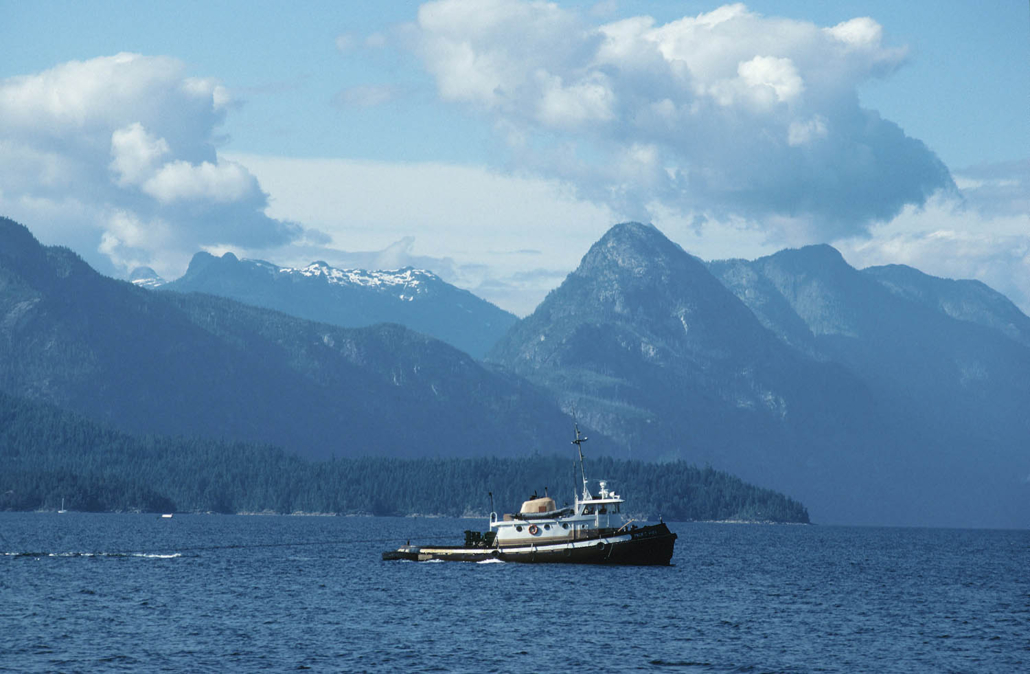
(Image Credit: Getty Images [licenced photo], Unsplash)
Cree Communities’ Fire Management in the Boreal Forest
In the boreal forests of northern Canada, Cree communities are reviving traditional fire management practices to reduce the risk of catastrophic wildfires. These controlled burning techniques, passed down through generations, help maintain forest health and biodiversity while reducing fuel loads that contribute to larger, more destructive fires.
By integrating these traditional practices with modern firefighting techniques, Cree communities are creating more resilient forests better equipped to withstand the increased fire risks associated with climate change.
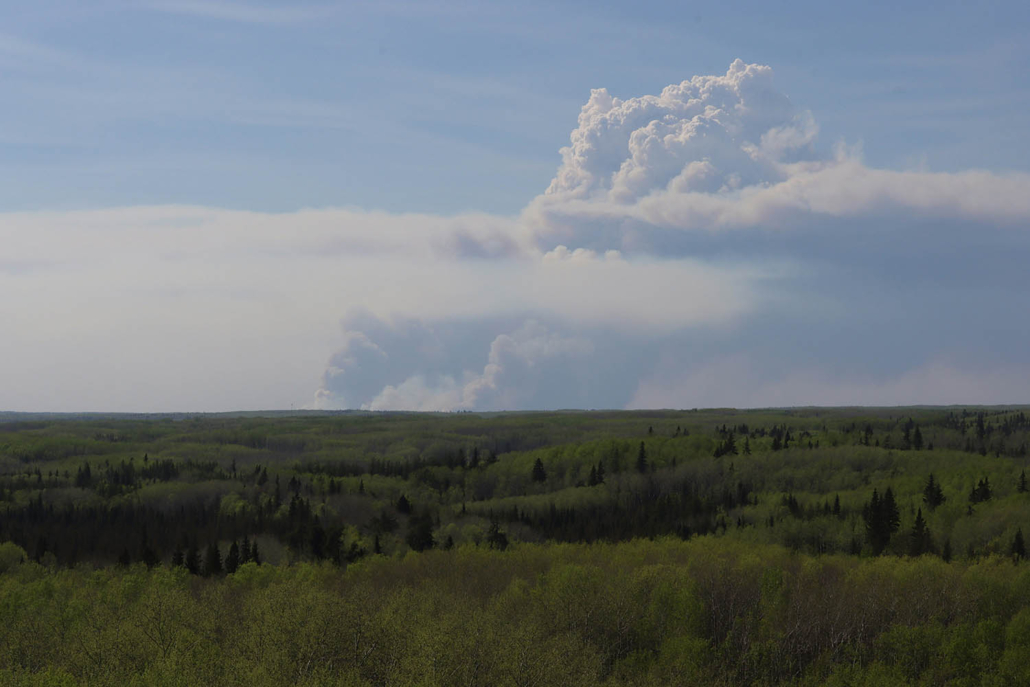
(Photo Credit: Izzy Edey, Unsplash)
Inuit Weather Prediction in Nunavut
In Nunavut, Inuit elders are sharing their traditional methods of weather prediction with younger generations and climate scientists. These methods, based on careful observation of cloud patterns, wind directions, and animal behaviors, are proving remarkably accurate in predicting short-term weather changes in the rapidly changing Arctic environment.
By combining this traditional knowledge with modern meteorological data, communities are better able to prepare for extreme weather events and adapt to changing seasonal patterns.
Challenges and Opportunities
While the value of TEK in climate adaptation is increasingly recognized, challenges remain in fully integrating this knowledge with Western scientific approaches. Issues of intellectual property rights, cultural appropriation, and skepticism from some in the scientific community can create barriers to collaboration.
However, there are growing efforts to bridge these gaps. Many universities and research institutions are now partnering with Indigenous communities to conduct collaborative research that respects and incorporates TEK. Government agencies, too, are beginning to recognize the importance of TEK in policymaking, particularly in areas related to environmental management and climate adaptation.
The Future of TEK in Climate Adaptation
As the impacts of climate change intensify, the role of TEK in developing effective adaptation strategies is likely to grow. Indigenous communities across Canada are leading the way in demonstrating how ancient wisdom can be applied to modern challenges.
For non-Indigenous Canadians, there is much to learn from these approaches. By respecting and integrating TEK into broader climate adaptation efforts, we can develop more holistic, effective strategies for facing the challenges ahead.
As we move forward, it’s crucial that we continue to support Indigenous-led climate initiatives and create more opportunities for knowledge sharing between Indigenous and non-Indigenous communities. Only by working together and respecting diverse knowledge systems can we hope to build a more resilient, sustainable future for all Canadians.
– By Rye Karonhiowanen Barberstock

 Unsplash Community, Licensed
 Erik Kartis, Unsplash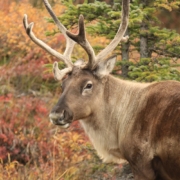
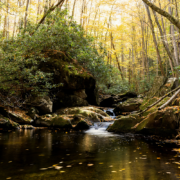 Nathan Anderson, Unsplash
 Casey Horner, Unsplash
 Getty Images, Unsplash