• Link to X
  • Link to Facebook
  • Link to Instagram
  • Link to Rss this site
Indigenous Climate Hub
  • Home
    • About Us
  • Climate Action Programs
    • First Nation Adapt Program
      • Indigenous Climate Change Adaptation Gatherings
    • Indigenous Community-Based Climate Monitoring Program
    • Climate Change and Health Adaptation Program
    • Climate Change Preparedness in the North
    • Environment and Climate Change Canada
  • Funding
  • Resources
    • Climate Change Directory
    • Resource Library
    • Community Adaptation Projects
  • Events
  • Podcast
  • Blog
  • Contact/FAQs
  • Click to open the search input field Click to open the search input field Search
  • Menu Menu

Reflecting on the Future: The Importance of Generational Stewardship in Combating Climate Change
Blog, Op-Ed
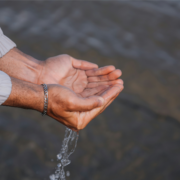
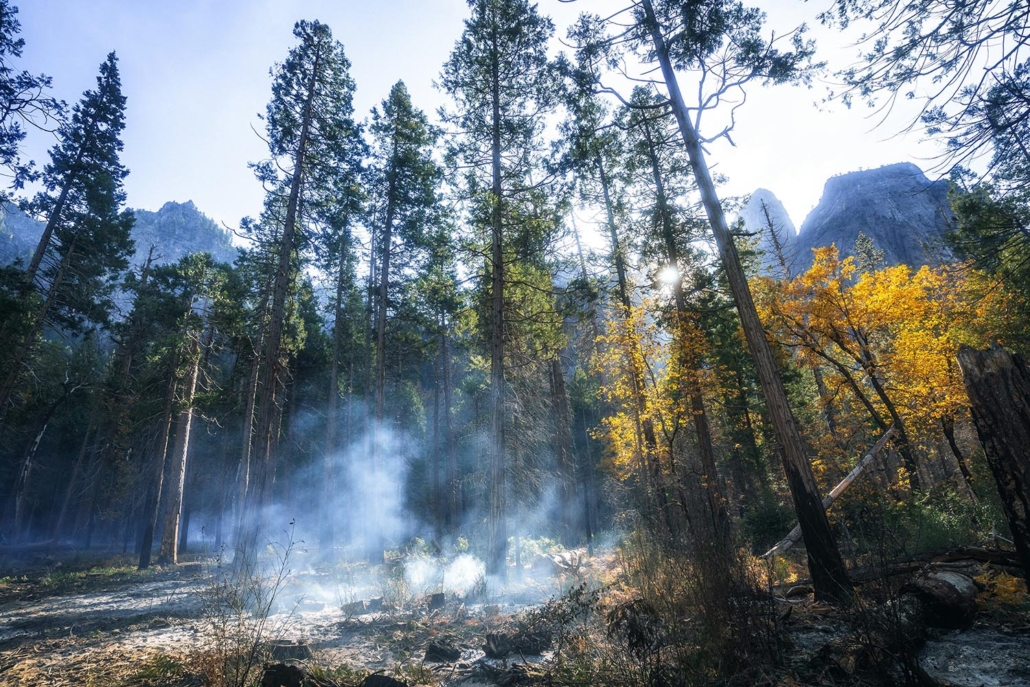
Casey Horner, Unsplash

In my quieter moments, often while leafing through the latest research and reports, I ponder the gradual degradation of our natural world. Human interaction, mainly through industrial and technological advancements, has left indelible marks on the Earth, and climate change remains a critical concern. This has led me to wonder about the state of the world for the next seven generations. If we consider a generation to span 25 years, this places the seventh generation in the year 2199. But what if we viewed generational shifts as cyclical, akin to the Earth’s revolutions around the sun? This perspective implies that every year is pivotal in shaping the future of our planet.

Today, the signs of climate change, though not yet disrupting our daily lives with immediate urgency, are undeniably present. From a broader environmental perspective, the consequences of a warming planet are profound, especially for our flora and fauna. Are they adapting to these changing conditions? History shows they have adapted before, but at what cost and to what extent can they continue to do so under the accelerating pace of human activity?

Reflecting on the past year alone, the increase in severe weather events, such as thunderstorms and tornado warnings, starkly contrasts with the isolated incidents of my childhood. This trend towards more extreme weather is problematic to ignore and has heightened my sense of preparedness as we approach another unpredictable season.

Looking ahead to 2199, I often wonder whether our future generations will be equipped to handle and adapt to these challenges. How will they fare against the potential storms of change and uncertainty? The decisions we make today will shape their reality.

As I observe the world around us, it becomes increasingly clear that we need a deeper understanding of our role within our ecosystem. Our survival and the preservation of life systems depend on our ability to sustain our ecological homeland. Without nurturing our natural resources—our water, air, and biodiversity—we risk not just hardship but possible extinction.

This realization brings an acute responsibility to act, not just for ourselves but for the entire planet. It requires acknowledging that humanity is not the center of existence but a part of a larger ecological equation. Each of us has a role to play in caring for our planet, preserving the systems that support all life forms.

The path forward involves embracing ecological knowledge to become effective stewards of our environment. This stewardship must be ingrained in our collective consciousness, influencing actions and policies that not only address the immediate environmental issues but also consider the long-term impact on the Earth and its inhabitants.

By fostering this ecological awareness and responsibility through generational education, I hope that by 2199, humanity will have cultivated a profound respect for our planet. This respect must translate into actions that support sustainable living and consider the welfare of the countless generations to follow.

As we continue on this journey, let us strive to leave a legacy that the seventh generation and beyond can look back on with gratitude—one where they inherit a world not only habitable but flourishing. A world where they, too, can thrive and continue the cycle of stewardship and respect for the richness of our shared Earth.


– By Rye Karonhiowanen Barberstock


(Image Source: Casey Horner, Unsplash)
April 1, 2024/by IndigenousClimateHub
Tags: Climate Change, Ecological Awareness, Ecological Knowledge, Op-Ed, Severe Weather
Share this entry
  • Share on Facebook
  • Share on X
  • Share on WhatsApp
  • Share on Pinterest
  • Share on LinkedIn
  • Share on Tumblr
  • Share on Reddit
  • Share by Mail
https://indigenousclimatehub.ca/wp-content/uploads/2024/05/casey-horner-unsplash.jpg 1000 1500 IndigenousClimateHub https://indigenousclimatehub.ca/wp-content/uploads/2020/10/logo-horiz-clr-01-small-300x88.png IndigenousClimateHub2024-04-01 14:56:532024-10-15 17:54:51Reflecting on the Future: The Importance of Generational Stewardship in Combating Climate Change
You might also like
Image Credit: Dustin Bowdige, Unsplash Night Skies and Shifting Stars: How Indigenous Celestial Knowledge Tracks a Changing Climate
Markus Spiske, Unsplash Indigenous Land-based Learning: A Way to Take Action on Climate Change
Envato Elements (Licensed) The Urgency of the Climate Crisis
Tawny Stowe Change is Constant
Jan Kopřiva, Unsplash When the Land Speaks Through Fire: Indigenous Wisdom, Memory, and Stewardship of the Living Landscape
Arnaud Measureur, Unsplash Connecting Stewardship to Climate Adaptation and Resiliency: A Bioregional Approach
X Logo X Logo Followon X RSS Feed Logo RSS Feed Logo Subscribeto RSS Feed

Subscribe to Our Blog

This field is required.

Check your inbox or spam folder to confirm your subscription.

Recent Posts

  • Water Is a Relative, Not a Resource
  • The River Is Telling Us Something: Indigenous-Led Water Monitoring as Canada’s Climate Early Warning System
  • Night Skies and Shifting Stars: How Indigenous Celestial Knowledge Tracks a Changing Climate
  • From Ownership to Relationship: Reclaiming Our Responsibilities to Land
  • Human Foolishness in Floodplains

Archives

  • June 2026
  • May 2026
  • April 2026
  • March 2026
  • February 2026
  • January 2026
  • December 2025
  • November 2025
  • October 2025
  • September 2025
  • August 2025
  • July 2025
  • June 2025
  • May 2025
  • April 2025
  • March 2025
  • February 2025
  • January 2025
  • December 2024
  • November 2024
  • October 2024
  • September 2024
  • August 2024
  • July 2024
  • June 2024
  • May 2024
  • April 2024
  • March 2024
  • February 2024
  • January 2024
  • December 2023
  • November 2023
  • October 2023
  • September 2023
  • August 2023
  • July 2023
  • June 2023
  • May 2023
  • April 2023
  • March 2023
  • February 2023
  • January 2023
  • December 2022
  • November 2022
  • October 2022
  • September 2022
  • August 2022
  • July 2022
  • June 2022
  • May 2022
  • April 2022
  • March 2022
  • February 2022
  • January 2022
  • December 2021
  • November 2021
  • October 2021
  • September 2021
  • August 2021
  • July 2021
  • June 2021
  • May 2021
  • April 2021
  • March 2021
  • February 2021
  • January 2021
  • December 2020
  • November 2020
  • October 2020
  • September 2020
  • August 2020
  • July 2020
  • June 2020
  • February 2020
  • October 2019
  • August 2019
  • July 2019
  • June 2019
  • May 2019
  • April 2019
  • March 2019

Categories

  • Adaptation
  • Alberta
  • Announcements
  • Arctic
  • Atlantic/NB
  • Awards
  • Blog
  • British Columbia
  • Climate Change
  • Climate Change Adaptation
  • Climate Change Education
  • Climate Change News
  • Climate Change Project
  • Climate Crisis
  • Climate Monitoring
  • Community Engagement
  • Community-Based Environmental Monitoring
  • Documentaries
  • Documentary
  • Events
  • Flooding
  • Food
  • Food Security
  • Food Sovereignty
  • Forest Fires
  • Funding Opportunity
  • ICCAG 2019
  • Indigenous Perspectives
  • Manitoba
  • Media
  • Métis
  • Métis Settlement
  • News
  • Op-Ed
  • Quebec
  • Saskatchewan
  • Technology
  • Video
  • Water
  • Webinars

Tags

Alberta Arctic Arctic Resilience Forum British Columbia Carbon Sequestration Caribou Caribou Recovery CIRNAC Climate Adaptation Climate Change Climate Change Adaptation Climate Resilience Community Engagement Education Environmental Stewardship Environment and Climate Change Canada (ECCC) First Nations Flooding Food Security Food Sovereignty Global Warming Indigenous Indigenous Guardians Toolkit Indigenous Knowledge Indigenous Stewardship Infrastructure Inuit landscape Mental Health Paris Agreement Policy Renewable Energy Research Resilience Science Traditional Ecological Knowledge Traditional Ecological Knowledge (TEK) Traditional Knowledge UNDRIP United Nations United Nations (UN) Webinar Wildfires WWF-Canada Youth
Contact

About Us

The Indigenous Climate Hub is a unique online community of Indigenous climate change leaders that have come together to share their stories and climate change adaptation experiences. The website is the result of the recommendations brought forward by Indigenous peoples at the Indigenous Climate Change Adaptation Gathering in 2018.

Indigenous Climate Hub Podcast

Be a part of the Indigenous Climate Hub Podcast. We are looking for unique perspectives and experiences in environmental stewardship, Indigenous ecological and traditional knowledge, and resource management offer valuable knowledge and teachings that can benefit Indigenous communities across Turtle Island and beyond.

Indigenous-led Initiatives

Are you a program or organization that funds or supports Indigenous Peoples  working on climate change initiatives?  If you would like to provide information to potential recipients here, please reach out to Okwaho so that we can work with you to highlight your program.

© Copyright - Indigenous Climate Hub, 2025-2026
  • Terms of Service
  • Privacy Policy
Link to: Promoting Gender-Responsive Budgeting for Climate Action and Social Change Link to: Promoting Gender-Responsive Budgeting for Climate Action and Social Change Promoting Gender-Responsive Budgeting for Climate Action and Social ChangeAnnie Spratt Link to: Traditional Ecological Knowledge: The Cornerstone of Indigenous Climate Adaptation in Canada Link to: Traditional Ecological Knowledge: The Cornerstone of Indigenous Climate Adaptation in Canada Zarif Ali, UnsplashTraditional Ecological Knowledge: The Cornerstone of Indigenous Climate Adaptation...
Scroll to top Scroll to top Scroll to top