• Link to X
  • Link to Facebook
  • Link to Instagram
  • Link to Rss this site
Indigenous Climate Hub
  • Home
    • About Us
  • Climate Action Programs
    • First Nation Adapt Program
      • Indigenous Climate Change Adaptation Gatherings
    • Indigenous Community-Based Climate Monitoring Program
    • Climate Change and Health Adaptation Program
    • Climate Change Preparedness in the North
    • Environment and Climate Change Canada
  • Funding
  • Resources
    • Climate Change Directory
    • Resource Library
    • Community Adaptation Projects
  • Events
  • Podcast
  • Blog
  • Contact/FAQs
  • Click to open the search input field Click to open the search input field Search
  • Menu Menu

Indigenous Design and Climate Change Adaptation
Blog, Climate Change Adaptation

Indigenous design draws from Traditional Ecological Knowledge (TEK) and brings cultural relevance and innovation to climate change adaptation. Indigenous design is also cognizant and respectful of Indigenous cultural traditions. There are several examples of Indigenous design as it relates to climate change, including practicing cultural burning and building infrastructure and architecture using local sustainable materials harvested locally.

Cultural burning is a form of slow controlled fires. The practice of cultural burning has different purposes among diverse Indigenous communities. In addition to managing wildfires, cultural burning is also practiced for “cultural and language preservation, fuel mitigation, food and medicinal plant revitalization, and habitat enhancement.” Cultural burning is a form of TEK, based on many centuries of experience among Indigenous peoples, and continues to be practiced worldwide. Australian architect, Julia Watson, uses the term “Lo-TEK” to reflect “resilient infrastructures developed by Indigenous people through Traditional Ecological Knowledge.” According to Watson, “Lo-TEK” subverts the term “low-tech,” which is a reference to outdated technology. Watson proposes that the term “Lo-TEK” is a much better description of Indigenous TEK in contemporary designs that work with nature and the climate. In turn, cultural burning is a form of Lo-TEK.

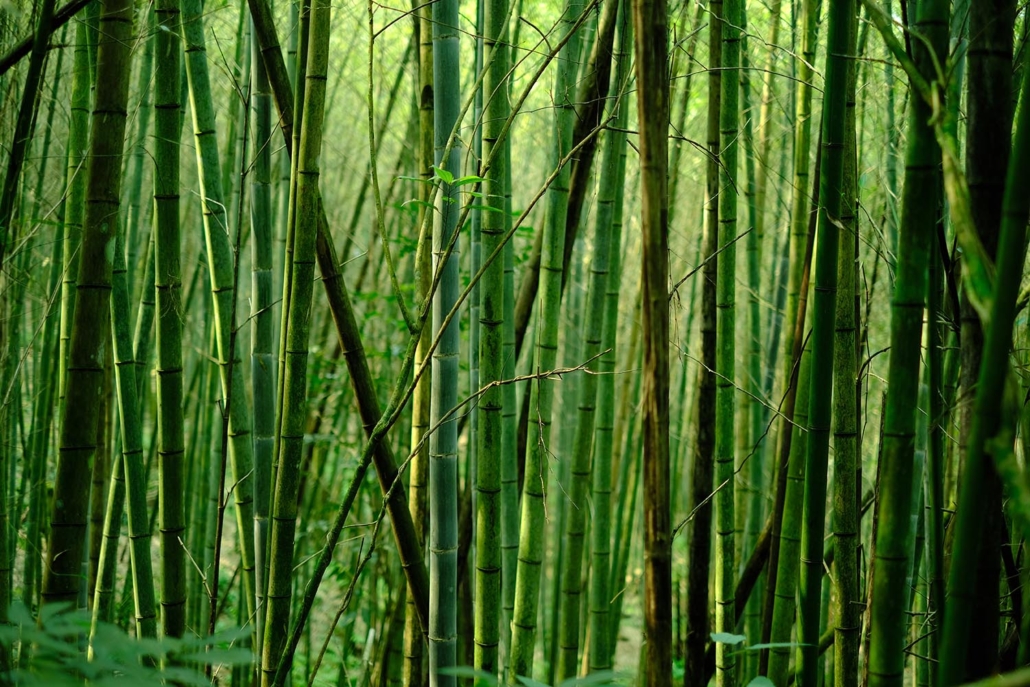
Some examples of Indigenous design in architecture include buildings that minimize environmental impact using sustainable materials like mud, bamboo, and adobe brick. Houses in the Mizoram region of Northeastern India—referred to as Zawlbuk houses—are built using bamboo, which grow readily in the local forests. The houses use “wood, leaves of trees, mud, grass, and straw” and have been known to survive natural disasters, like floods. Building with adobe brick is “an ancient construction method…dating back to 8300 BC” and a useful alternative to wood in arid regions. Adobe brick is used in building houses around the world, including in rural Kyrgyzstan and among the Pueblo in southwestern United States. This  traditional construction method permits a home to remain cool during the day and for the sunbaked bricks to slowly release heat overnight, revealing the adobe brick’s high thermal mass.

Indigenous design, including climate-related TEK, is at great risk of appropriation by non-Indigenous governments and practitioners, if there are no legal frameworks to protect it. Greater respect for, and promotion of, Indigenous engagement is needed to determine if, when, and how TEK is documented and shared. The World Intellectual Property Organization (WIPO) has created a toolkit to assist Indigenous communities, and those who work with Indigenous peoples, to reflect upon whether TEK practices are documented (or need to be), and if so, how to do so fairly. Given that climate-related Indigenous knowledge has been recognized by the United Nations as a way forward, intellectual property will remain an important challenge to address before more widely integrating Indigenous design in climate change adaptation planning.

In turn, any effort in advancing the application of TEK, and therefore, Indigenous design, in climate change policy will require that Indigenous peoples are not sidelined from sustainable development policy and planning processes.


By Leela Viswanathan


(Image Credit: Eric Barbeau, Unsplash)
October 19, 2022/by IndigenousClimateHub
Tags: Bamboo, Cultural Burning, Indigenous Design, Traditional Ecological Knowledge (TEK)
Share this entry
  • Share on Facebook
  • Share on X
  • Share on WhatsApp
  • Share on Pinterest
  • Share on LinkedIn
  • Share on Tumblr
  • Share on Reddit
  • Share by Mail
https://indigenousclimatehub.ca/wp-content/uploads/2022/10/eric-barbeau-bamboo-unsplash.jpg 1000 1500 IndigenousClimateHub https://indigenousclimatehub.ca/wp-content/uploads/2020/10/logo-horiz-clr-01-small-300x88.png IndigenousClimateHub2022-10-19 16:48:182022-10-19 16:57:38Indigenous Design and Climate Change Adaptation
You might also like
Painted turtlesMatt Bango, Unsplash The Sacred Turtle: Teachings on Our Shared Responsibility to Mother Earth
Nathan Anderson, Unsplash The Healing Land: Indigenous-Led Conservation Efforts as Climate Change Mitigation
Fighting Fire with Fire: Reducing Wildfire Risk Through Indigenous Fire Stewardship (IFS)
Li-An Lim, Unsplash Indigenous Youth Leadership in Climate Action: Voices of the Future
Inuit Coexistence with Polar Bears in the Context of Climate Change
Zarif Ali, Unsplash Traditional Ecological Knowledge: The Cornerstone of Indigenous Climate Adaptation in Canada
X Logo X Logo Followon X RSS Feed Logo RSS Feed Logo Subscribeto RSS Feed

Subscribe to Our Blog

This field is required.

Check your inbox or spam folder to confirm your subscription.

Recent Posts

  • Water Is a Relative, Not a Resource
  • The River Is Telling Us Something: Indigenous-Led Water Monitoring as Canada’s Climate Early Warning System
  • Night Skies and Shifting Stars: How Indigenous Celestial Knowledge Tracks a Changing Climate
  • From Ownership to Relationship: Reclaiming Our Responsibilities to Land
  • Human Foolishness in Floodplains

Archives

  • June 2026
  • May 2026
  • April 2026
  • March 2026
  • February 2026
  • January 2026
  • December 2025
  • November 2025
  • October 2025
  • September 2025
  • August 2025
  • July 2025
  • June 2025
  • May 2025
  • April 2025
  • March 2025
  • February 2025
  • January 2025
  • December 2024
  • November 2024
  • October 2024
  • September 2024
  • August 2024
  • July 2024
  • June 2024
  • May 2024
  • April 2024
  • March 2024
  • February 2024
  • January 2024
  • December 2023
  • November 2023
  • October 2023
  • September 2023
  • August 2023
  • July 2023
  • June 2023
  • May 2023
  • April 2023
  • March 2023
  • February 2023
  • January 2023
  • December 2022
  • November 2022
  • October 2022
  • September 2022
  • August 2022
  • July 2022
  • June 2022
  • May 2022
  • April 2022
  • March 2022
  • February 2022
  • January 2022
  • December 2021
  • November 2021
  • October 2021
  • September 2021
  • August 2021
  • July 2021
  • June 2021
  • May 2021
  • April 2021
  • March 2021
  • February 2021
  • January 2021
  • December 2020
  • November 2020
  • October 2020
  • September 2020
  • August 2020
  • July 2020
  • June 2020
  • February 2020
  • October 2019
  • August 2019
  • July 2019
  • June 2019
  • May 2019
  • April 2019
  • March 2019

Categories

  • Adaptation
  • Alberta
  • Announcements
  • Arctic
  • Atlantic/NB
  • Awards
  • Blog
  • British Columbia
  • Climate Change
  • Climate Change Adaptation
  • Climate Change Education
  • Climate Change News
  • Climate Change Project
  • Climate Crisis
  • Climate Monitoring
  • Community Engagement
  • Community-Based Environmental Monitoring
  • Documentaries
  • Documentary
  • Events
  • Flooding
  • Food
  • Food Security
  • Food Sovereignty
  • Forest Fires
  • Funding Opportunity
  • ICCAG 2019
  • Indigenous Perspectives
  • Manitoba
  • Media
  • Métis
  • Métis Settlement
  • News
  • Op-Ed
  • Quebec
  • Saskatchewan
  • Technology
  • Video
  • Water
  • Webinars

Tags

Alberta Arctic Arctic Resilience Forum British Columbia Carbon Sequestration Caribou Caribou Recovery CIRNAC Climate Adaptation Climate Change Climate Change Adaptation Climate Resilience Community Engagement Education Environmental Stewardship Environment and Climate Change Canada (ECCC) First Nations Flooding Food Security Food Sovereignty Global Warming Indigenous Indigenous Guardians Toolkit Indigenous Knowledge Indigenous Stewardship Infrastructure Inuit landscape Mental Health Paris Agreement Policy Renewable Energy Research Resilience Science Traditional Ecological Knowledge Traditional Ecological Knowledge (TEK) Traditional Knowledge UNDRIP United Nations United Nations (UN) Webinar Wildfires WWF-Canada Youth
Contact

About Us

The Indigenous Climate Hub is a unique online community of Indigenous climate change leaders that have come together to share their stories and climate change adaptation experiences. The website is the result of the recommendations brought forward by Indigenous peoples at the Indigenous Climate Change Adaptation Gathering in 2018.

Indigenous Climate Hub Podcast

Be a part of the Indigenous Climate Hub Podcast. We are looking for unique perspectives and experiences in environmental stewardship, Indigenous ecological and traditional knowledge, and resource management offer valuable knowledge and teachings that can benefit Indigenous communities across Turtle Island and beyond.

Indigenous-led Initiatives

Are you a program or organization that funds or supports Indigenous Peoples  working on climate change initiatives?  If you would like to provide information to potential recipients here, please reach out to Okwaho so that we can work with you to highlight your program.

© Copyright - Indigenous Climate Hub, 2025-2026
  • Terms of Service
  • Privacy Policy
Link to: The Need to Address Both Climate Change and Poverty Link to: The Need to Address Both Climate Change and Poverty The Need to Address Both Climate Change and Poverty Link to: Addressing Climate Change with Indigenous Science and Environmental Education Link to: Addressing Climate Change with Indigenous Science and Environmental Education Addressing Climate Change with Indigenous Science and Environmental Educati...
Scroll to top Scroll to top Scroll to top