In the face of rapidly changing climate conditions, Canada’s Indigenous Peoples are drawing upon millennia of wisdom to adapt and thrive. This ancient knowledge, known as Traditional Ecological Knowledge (TEK), is proving to be an invaluable resource in the fight against climate change. But what exactly is TEK, and how is it shaping climate adaptation strategies across the country?

Understanding Traditional Ecological Knowledge

Traditional Ecological Knowledge is a cumulative body of knowledge, practices, and beliefs about the relationship between living beings and their environment. Passed down through generations via oral traditions, TEK is deeply rooted in the cultural and spiritual practices of Indigenous communities.

Unlike Western scientific approaches, which often compartmentalize knowledge, TEK embraces a holistic worldview. It recognizes the interconnectedness of all living things and emphasizes the importance of maintaining balance in nature. This perspective is particularly valuable in addressing the complex, interconnected challenges posed by climate change.

TEK in Practice: Climate Change Adaptation Strategies

Across Canada, Indigenous communities are applying TEK to develop effective climate adaptation strategies. These approaches often blend traditional practices with modern technologies, resulting in innovative solutions tailored to local environments.

Water Management and Conservation

In many Indigenous communities, water is seen as a sacred resource that must be protected and used wisely. Traditional water management techniques, such as the construction of small-scale dams and the use of natural filtration systems, are being revived and adapted to address changing precipitation patterns and increased flood risks.

For instance, the Okanagan Nation in British Columbia has been using traditional knowledge to inform their watershed management strategies. By combining TEK with modern scientific data, they’ve developed a comprehensive approach to water conservation that respects both ecological and cultural needs.

(Photo Credit: Zarif Ali, Unsplash)

Sustainable Hunting and Fishing Practices

As climate change alters animal migration patterns and affects fish populations, Indigenous hunters and fishers are adapting their practices to ensure sustainable harvests. This often involves adjusting hunting seasons, diversifying catch methods, and implementing stricter conservation measures.

In Nunavut, Inuit hunters are using their intimate knowledge of sea ice conditions to adapt to rapidly changing Arctic environments. By closely observing ice formation patterns and animal behaviours, they’re able to adjust their hunting strategies while ensuring the long-term sustainability of wildlife populations.

(Photo Credit: Byron Johnson, Unsplash)

Traditional Agriculture and Food Preservation

Indigenous agricultural practices, developed over centuries to withstand environmental fluctuations, are proving remarkably resilient in the face of climate change. Many communities are reviving traditional crop varieties that are better adapted to changing conditions.

In Ontario, Anishinaabe communities are reintroducing traditional “three sisters” agriculture – interplanting corn, beans, and squash. This method not only improves soil health and increases crop yield but also enhances the resilience of food systems to climate impacts.

Case Studies: TEK in Action Across Canada

Coastal First Nations’ Ocean Management in British Columbia

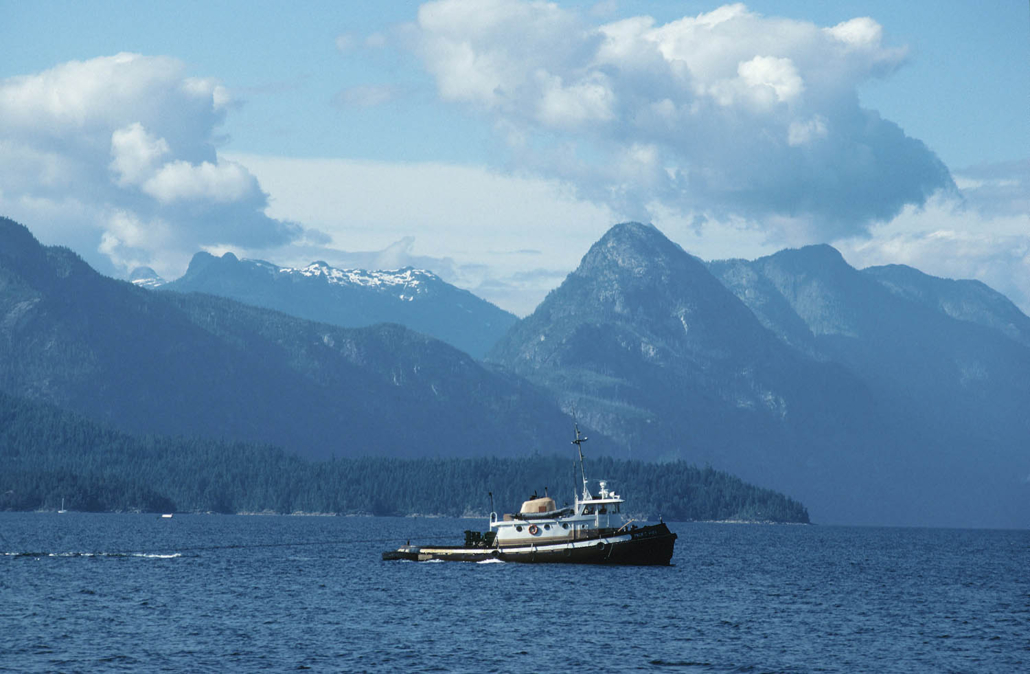
The Coastal First Nations of British Columbia have been at the forefront of integrating TEK into ocean management strategies. Their Guardian Watchmen program combines traditional stewardship practices with modern conservation techniques to monitor and protect marine ecosystems.

Through this program, Indigenous communities are able to track changes in ocean temperatures, monitor fish populations, and implement sustainable harvesting practices. This approach not only helps in adapting to climate change but also ensures the preservation of cultural practices tied to the ocean.

(Image Credit: Getty Images [licenced photo], Unsplash)

Cree Communities’ Fire Management in the Boreal Forest

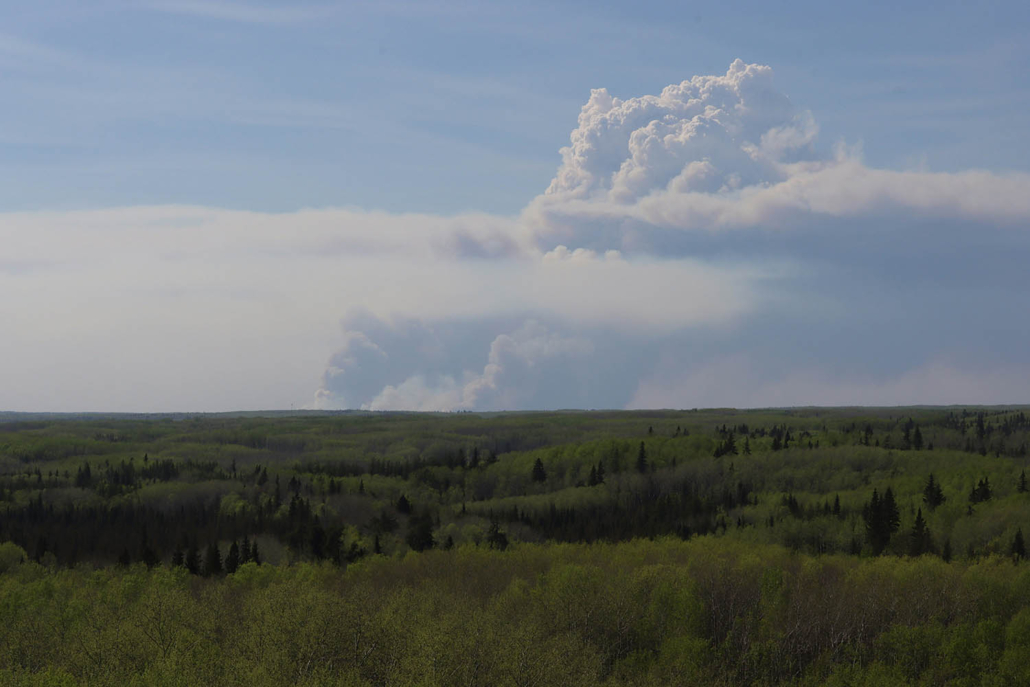
In the boreal forests of northern Canada, Cree communities are reviving traditional fire management practices to reduce the risk of catastrophic wildfires. These controlled burning techniques, passed down through generations, help maintain forest health and biodiversity while reducing fuel loads that contribute to larger, more destructive fires.

By integrating these traditional practices with modern firefighting techniques, Cree communities are creating more resilient forests better equipped to withstand the increased fire risks associated with climate change.

(Photo Credit: Izzy Edey, Unsplash)

Inuit Weather Prediction in Nunavut

In Nunavut, Inuit elders are sharing their traditional methods of weather prediction with younger generations and climate scientists. These methods, based on careful observation of cloud patterns, wind directions, and animal behaviors, are proving remarkably accurate in predicting short-term weather changes in the rapidly changing Arctic environment.

By combining this traditional knowledge with modern meteorological data, communities are better able to prepare for extreme weather events and adapt to changing seasonal patterns.

Challenges and Opportunities

While the value of TEK in climate adaptation is increasingly recognized, challenges remain in fully integrating this knowledge with Western scientific approaches. Issues of intellectual property rights, cultural appropriation, and skepticism from some in the scientific community can create barriers to collaboration.

However, there are growing efforts to bridge these gaps. Many universities and research institutions are now partnering with Indigenous communities to conduct collaborative research that respects and incorporates TEK. Government agencies, too, are beginning to recognize the importance of TEK in policymaking, particularly in areas related to environmental management and climate adaptation.

The Future of TEK in Climate Adaptation

As the impacts of climate change intensify, the role of TEK in developing effective adaptation strategies is likely to grow. Indigenous communities across Canada are leading the way in demonstrating how ancient wisdom can be applied to modern challenges.

For non-Indigenous Canadians, there is much to learn from these approaches. By respecting and integrating TEK into broader climate adaptation efforts, we can develop more holistic, effective strategies for facing the challenges ahead.

As we move forward, it’s crucial that we continue to support Indigenous-led climate initiatives and create more opportunities for knowledge sharing between Indigenous and non-Indigenous communities. Only by working together and respecting diverse knowledge systems can we hope to build a more resilient, sustainable future for all Canadians.


– By Rye Karonhiowanen Barberstock
Locally Led Adaptation (LLA) refers to community-led initiatives that are intended to guide people toward climate adaptation practices that are owned locally by community members and other partners.

According to the Global Commission on Adaptation, there are eight principles to guide locally led adaptation:

  1. “Devolving decision making to the lowest appropriate level” to facilitate direct engagement in determining the trajectory of local adaptation efforts.
  2. “Addressing structural inequalities faced by women, youth, children, Indigenous peoples and all those who are marginalized by society.”
  3. “Providing patient and predictable funding that can be accessed more easily,” so that locally-led initiatives and governance structures are sustainable over time.
  4. “Investing in local capabilities to leave an institutional legacy” and ensure long-lasting solutions rather than focusing solely on project-based funding and outcomes.
  5. “Building a robust understanding of climate risk and uncertainty” to inform decision making about local adaptation through different knowledge sources and experiences, including scientific data and Indigenous Traditional Knowledges.
  6. “Flexible programming and learning” that work with uncertainty and unpredictability exacerbated by climate change.
  7. “Ensuring transparency and accountability” among all participants.
  8. “Collaborative action and investment…across sectors, initiatives, and levels.”

A form of project-based funds for local, small-scale, Indigenous-led climate adaptation initiatives located in First Nation communities south of the 60th parallel, is Canada’s First Nation Adapt (FNA) program. However, to ensure the long-term effectiveness of locally led adaptation efforts and associated governance structures, communities need sustainable and predictable financing.


By Leela Viswanathan


(Image Credit: Steve Adams, Unsplash)

COP 27 showed that although there is “increasing mention and integration of gender in nationally determined contributions over time,” climate change continues to reinforce gender inequality and disparities in socio-economic, health, and leadership initiatives. Various UNFCCC reports  show how women and non-binary people from around the world, are made vulnerable by climate change, given the “interplay of gender norms and social norms.” Referred to as “solution multipliers,” women and gender minorities could be in a better position to effect solutions and influence climate mitigation and adaptation policies if they were included in “decision-making at all levels.”

Women living in households experiencing poverty are over represented in the world’s population and are more likely to experience climate hazards than people living in wealthy households. According to the World Bank, “nearly 2.4 billion women globally lack the same economic rights as men.” Indigenous women leaders state that climate change threatens the ties that connect Indigenous Peoples together (e.g., cultural identity, attitudes towards elders, and natural resources), and put pressure on community practices of hunting, as well as practices of gathering seeds and plants.

Gender-based health disparities are worsened by climate change. The Lancet reports that “there is an unacceptable scarcity of research on climate change health effects for non-binary people, who might also be particularly vulnerable as a result of compounding discrimination.”  In turn, research data must be disaggregated for gender in order to facilitate “gender-sensitive assessments, and gender-responsible interventions” that are critical for effective, gender-responsive policies on climate adaptation and mitigation. There is also a lack of disaggregated and longitudinal population health data addressing the experiences of First Nations, Inuit, and Métis people; this translates into a “lack of strength-based and community-driven health indicators.” Chapter 2 of the Health of Canadians in a Changing Climate Report (2022) also notes how First Nation, Inuit, and Métis men, women, boys, girls, and gender-diverse people experience health impacts differently, and that research does not adequately respect the unique cultures and needs of these communities.

Increasing funding to gender-based Indigenous climate change initiatives is needed. For example, the Food and Agriculture Organization of the United Nations (FAO) with the Government of Nepal have implemented climate finance to enhance collaboration with Indigenous Peoples; they intend to secure “collective tenure rights as well as the full participation of [I]ndigenous and tribal women and youth in decision making processes.” The Government of Canada funds Indigenous environmental leadership through several initiatives. It would be worthwhile for both Indigenous and non-Indigenous governments to work with Indigenous communities and ensure that gender-inclusive initiatives are incorporated in climate leadership initiatives.

Indigenous Peoples are responsible for stewarding the biodiversity of approximately one-third of the world’s ecosystems, but receive only 17% of climate funds intended for them, and Indigenous women receive only 5% of this funding. This lack of funding reinforces barriers that limit the participation and engagement of Indigenous women and gender minorities in climate action, thus reinforcing gender inequality in the context of climate change.


By Leela Viswanathan


(Image Credit: Ken Kahiri, Unsplash)

The 2021 IPCC Report confirmed the extent of human impacts on the changing climate and how cities are considered to be crucial sites for climate adaptation solutions. However, the contributions and experiences of urban Indigenous Peoples are often excluded from studies of climate adaptation pathways. While the 2021 IPCC Report recognizes Indigenous Peoples’ presence within cities, it focuses on the value of “Indigenous and local knowledge” rather than delving into urban Indigenous-led initiatives.

As a topic, urban Indigenous-led climate adaptation pathways is largely understudied. While existing research about urban Indigenous climate adaptation pathways focuses heavily on urban agriculture and food systems of sub-Saharan Africa, the Pacific, and Asia, a key gap in the literature is “the impacts of climate change on urban Indigenous peoples and how they are included within local government-led climate adaptation planning, policies, and practices.”

Settler colonialism – an ongoing practice whereby Indigenous peoples and cultures are replaced with a settler society – is a dominant theme in the literature, and is recognized as a cause for the ongoing exclusion of Indigenous knowledge in urban climate adaptations. Settler colonialism has actively sought to “erase the idea of Indigenous presence in cities; ” this phenomenon negatively affects the relationship between city governments and Indigenous peoples, and limits trust, consent, accountability, and reciprocity across cultures and governments. More research is needed that explores how Indigenous Peoples occupy different roles in the development of climate adaptation practices in cities, and how Indigenous-led practices are informed by different identities, narratives, and experiences. Approaches to climate adaptation that engage with diverse knowledge and experiences of urban Indigenous Peoples could offer opportunities for innovation in urban climate change policy and practice.

Parks are an important climate adaptation solution for cities. Urban parks initiatives offer promising examples of Indigenous-led climate adaptation in cities. Urban parks also enable the public to learn more about Indigenous approaches to conservation.  For example, Discovery Park, the largest urban park in Seattle, Washington, is home to the Daybreak Star Indian Cultural Centre, where ecological restoration projects have attempted to incorporate Indigenous perspectives at the start of any project. Researchers have identified that historical relationships between land and Indigenous Peoples, kinship ties, and environmental narratives are primary indicators to “indigenize restoration” at Discovery Park. At Canada’s first national urban park, The Rouge National Urban Park in Toronto, the visitor’s centre, archaeological fieldwork, and restoration projects were undertaken in partnership with the First Nations Advisory Circle comprising of the seven Williams Treaties First Nations, as well as the Mississaugas of the Credit First Nation, Six Nations of the Grand River, and The Huron-Wendat Nation.

In order for urban Indigenous peoples to both influence and benefit from climate adaptation policies and practices, city governments need to better engage with them. Cities should recognizes the diversity of Indigenous peoples in their midst, the different experiences, vulnerabilities, and identities of Indigenous peoples, and how these may intersect in different ways, in relation to climate change, and to historical and environmental narratives about place.


By Leela Viswanathan


(Image Credit: Jeffrey Eisen, Unsplash)


Urban change, in the form of population growth and decline, turnovers in government leadership, and land use changes, in conjunction with climate change impacts, put city infrastructure at risk. Urban climate adaptation pathways enable cities to determine the “sequences of actions which can be implemented progressively, depending on future dynamics” to adapt to climate change.

Climate adaptation pathways are often outlined in urban climate adaptation plans that:

  • provide direction and identify actions to be taken now and to be implemented in the future when certain events occur, or conditions emerge and under specific parameters.
  • Recognize conditions of uncertainty and how to incorporate flexibility in planning.
  • May or may not included guidelines for implementation.

In Canada, the federal government, provinces, and territories implement The Pan-Canadian Framework on Clean Growth and Climate Change. Canadian municipalities, however, develop their own climate adaptation plans. The Climate Risk Institute, in partnership with the Canadian Institute of Planners, with funding from Natural Resources Canada, has developed an interactive document – Adaptation Resource Pathway for Planners (ARPP) – to help planners to navigate available resources about climate change adaptation and planning.

According to the UN report Cities Settlements and Key Infrastructure (AR66 Report Chapter 6.3, p. 942) “for all urban populations, both currently deployed and currently planned adaptations are not able to meet the current levels of risk associated with climate change.” In turn, climate adaptation plans must be buttressed by climate change mitigation practices and other efforts to prevent climate damage and loss.


By Leela Viswanathan


(Image Credit: Adrian Schwarz, Unsplash)

How can climate policy be more inclusive of Indigenous rights and knowledge systems, while working toward reconciliation between Indigenous and non-Indigenous peoples? Principles for creating ethical spaces and recognizing the Treaty and constitutionally-protected rights of Indigenous peoples are two ways to elevate Indigenous perspectives, knowledge, and approaches to climate mitigation and adaptation policies.

“We Rise Together,” the 2018 report by The Indigenous Circle of Experts (ICE), describes ethical space as “a venue for collaboration and advice, sharing and cross-validation (where one side validates the other).” Ethical spaces create environments where Indigenous and non-Indigenous systems of knowledge can interact, through mutual respect, kindness, and generosity, to generate an exchange of values. There is a difference between the idea of the ethical space, and the practice of it: “[w]hile agreeing to formally enter ethical space may be straightforward for most parties, actually being within that space together requires flexibility.”

Historical legacies of colonialism prevent Indigenous-led solutions for climate change from being effectively implemented. Consequently, researchers propose calls to action to facilitate Indigenous-led climate mitigation and adaptation policies in Canada; these actions include how climate policy must:

  • prioritize human relationships with land and rebalance the relationship between people and Mother Earth.
  • prioritize Indigenous knowledge systems and equally consider diverse knowledge systems.
  • be multidimensional in order to also advance decarbonization and decolonization.
  • position Indigenous peoples as leaders from diverse nations, having inherent rights to self-determination.
  • be forward-thinking, and promote the well-being of Indigenous peoples.


By Leela Viswanathan


(Image Credit: Lili Popper, Unsplash)

A systematic literature review conducted by researchers from the University of Sydney, and published in February 2022, reaffirms that climate change has direct, indirect, and different effects on Indigenous mental wellness globally. When attachment to land is disrupted by the effects of extreme weather events, the resultant upheaval triggers different emotions among various Indigenous peoples. The relationship among Indigenous peoples, emotions, and climate change effects, varies from place to place.

According to the research study,  emotional responses to the effects of climate change, vary globally among Indigenous peoples. For example, feelings of frustration are documented among the peoples of rural savannahs in Western Africa, who experience erratic weather, caused by climate change. Meanwhile, aggression is noted to increase among Indigenous people in Australia who are impacted by droughts. Inuit experiencing loss of sea ice are documented with ecological grief, and risk factors contributing to PTSD are also documented about Taiwanese communities experiencing typhoons. These examples offer insights into the impacts of direct pressures of climate change on Indigenous wellness, and how the impact can vary from location to location and among various Indigenous communities. In these ways, unexpected, prolonged, and repeated changes in the land can be understood as negatively impacting Indigenous health. There are also indirect pressures of climate change that result in distress and that undermine mental wellness. Indirect pressures include decreased access to land and fewer opportunities to pass along Indigenous knowledge. When land connections are threatened or removed, mental wellness declines. Disruptions to culture and disruptions to land become detrimental to the health and wellbeing of Indigenous community members.

While the effects of climate change on the land brought on by adverse weather conditions are detrimental to Indigenous health, the research study notes how the “intrinsic connection and attachment to land” reduces stress and supports overall mental wellness. For example, Inuit Elders in Rigolet, Canada, have shown how spending time on the land enhances mental wellness among individuals and across whole communities.

Different aspects that affect the vulnerability of Indigenous peoples to climate change and mental wellness of Indigenous peoples include, perceptions and understandings of climate change; place attachment; disruption to culture; food insecurity; and broader, existing social injustices. Across many cultures, maintaining and sharing cultural traditions are ways to cope with climate change. For example, Torres Strait Islander Peoples engage in music, art, and traditional teachings, all known to enhance emotional well being.

The research provides different examples from all over the world, and shows how Indigenous communities are experiencing threats to mental wellness brought upon by climate change. Social supports and kinship ties assist Indigenous peoples to adapt to climate change and to uphold coping mechanisms to manage mental wellness. Perceptions and viewpoints about vulnerability and community resilience differ among Indigenous peoples, depending on where they live, how they engage with traditional knowledge, and how they share this knowledge among diverse members of their communities, including among youth, women, and Elders.


By Leela Viswanathan


(Image credit: David Clode, Unsplash)

Indigenous science (or Native science) is “a science of the way of knowing the land.” It involves multiple ways of knowing the natural environment and highlights Traditional Ecological Knowledge (TEK). As part of environmental education, Indigenous science can address climate change by informing government policy, strengthening human connections with nature, and building relationships between Indigenous and non-Indigenous communities.

Indigenous scholars are educating policy makers, scientists, and students about Indigenous science in various ways. For example, Dr. Myrle Ballard (Lake St. Martin First Nation), Director of Indigenous Science at Environment and Climate Change Canada (ECCC), raises awareness of Indigenous science through a process of “bridging, braiding, and weaving.” Dr. Ballard encourages better government decision making and collaborative research practices through linkages between Indigenous science and Western Science. In another example, at the University of New Mexico, Dr. Gregory Cajete (Santa Clara Pueblo) teaches about Native science, and encourages students to take responsibility for the environment, while also building a connection to it.

The Bunun People of Taiwan have designed an environmental education program involving TEK that engages their own community and non-Indigenous people. A key intention of the Bunun program is to encourage non-Indigenous people to adopt Indigenous environmental practices to combat climate change. The program strengthens Indigenous practices as a way to counter historical injustices caused by colonization.

Together, Indigenous science and environmental education can influence government policy and Western scientific practices, and foster diverse relationships, to address climate change.


By Leela Viswanathan


(Image Credit: Providence Doucet, Unsplash)

Indigenous design draws from Traditional Ecological Knowledge (TEK) and brings cultural relevance and innovation to climate change adaptation. Indigenous design is also cognizant and respectful of Indigenous cultural traditions. There are several examples of Indigenous design as it relates to climate change, including practicing cultural burning and building infrastructure and architecture using local sustainable materials harvested locally.

Cultural burning is a form of slow controlled fires. The practice of cultural burning has different purposes among diverse Indigenous communities. In addition to managing wildfires, cultural burning is also practiced for “cultural and language preservation, fuel mitigation, food and medicinal plant revitalization, and habitat enhancement.” Cultural burning is a form of TEK, based on many centuries of experience among Indigenous peoples, and continues to be practiced worldwide. Australian architect, Julia Watson, uses the term “Lo-TEK” to reflect “resilient infrastructures developed by Indigenous people through Traditional Ecological Knowledge.” According to Watson, “Lo-TEK” subverts the term “low-tech,” which is a reference to outdated technology. Watson proposes that the term “Lo-TEK” is a much better description of Indigenous TEK in contemporary designs that work with nature and the climate. In turn, cultural burning is a form of Lo-TEK.

Some examples of Indigenous design in architecture include buildings that minimize environmental impact using sustainable materials like mud, bamboo, and adobe brick. Houses in the Mizoram region of Northeastern India—referred to as Zawlbuk houses—are built using bamboo, which grow readily in the local forests. The houses use “wood, leaves of trees, mud, grass, and straw” and have been known to survive natural disasters, like floods. Building with adobe brick isan ancient construction method…dating back to 8300 BC and a useful alternative to wood in arid regions. Adobe brick is used in building houses around the world, including in rural Kyrgyzstan and among the Pueblo in southwestern United States. This  traditional construction method permits a home to remain cool during the day and for the sunbaked bricks to slowly release heat overnight, revealing the adobe brick’s high thermal mass.

Indigenous design, including climate-related TEK, is at great risk of appropriation by non-Indigenous governments and practitioners, if there are no legal frameworks to protect it. Greater respect for, and promotion of, Indigenous engagement is needed to determine if, when, and how TEK is documented and shared. The World Intellectual Property Organization (WIPO) has created a toolkit to assist Indigenous communities, and those who work with Indigenous peoples, to reflect upon whether TEK practices are documented (or need to be), and if so, how to do so fairly. Given that climate-related Indigenous knowledge has been recognized by the United Nations as a way forward, intellectual property will remain an important challenge to address before more widely integrating Indigenous design in climate change adaptation planning.

In turn, any effort in advancing the application of TEK, and therefore, Indigenous design, in climate change policy will require that Indigenous peoples are not sidelined from sustainable development policy and planning processes.


By Leela Viswanathan


(Image Credit: Eric Barbeau, Unsplash)

Climate change and poverty are intimately connected. This connection deserves a closer look, given deepening social and economic inequalities worldwide. The call to integrate climate adaptation measures with poverty reduction measures are ongoing.

In 2021, countries facing the greatest ecological threat were the same as those facing the greatest need for economic support. A longstanding recommendation of the OECD is to increase the adaptive capacity of nations to combat climate change and to address poverty.

A report by The Green Resilience Project highlights four recommendations for Canadian government and climate policymakers to enhance economic vitality of communities while addressing climate change. These recommendations are to:

  1. Incorporate basic income into Canada’s plan for a just transition.
  2. Design income security and climate policy solutions to focus on improving individual and collective quality of life.
  3. Empower people and communities with the tools and resources they need to build or strengthen resilience
  4. Ensure that corporations and the wealthy pay their fair share.

It is time to rethink the term “resilience,” if not to do away with the word altogether, so that governments, corporations, and society can more realistically address the emergent and long-term needs of nations and communities to address poverty and climate change effects simultaneously. Investment into sustainable projects that address the dual problems of climate change and poverty can counter the overemphasis on how nations and communities fight environmental and economic adversity despite all the odds.


By Leela Viswanathan


(Image credit: Aaron Burden, Unsplash)