
Melting Ground: Why Permafrost Matters for Climate Change and Indigenous Peoples
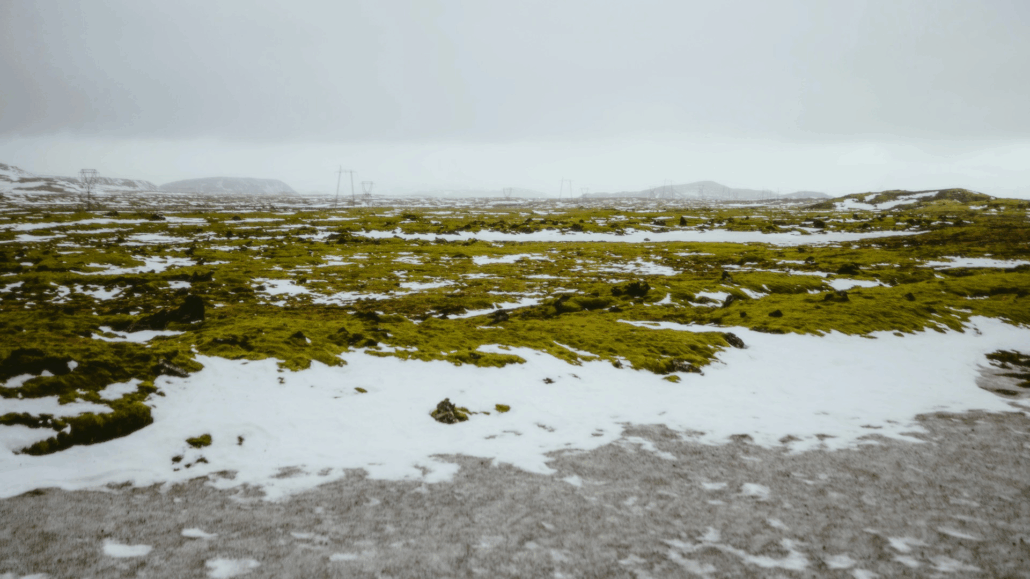 Image Credit : Alin Gavriliuc, Unsplash
When people discuss climate change, most envision melting glaciers, smoke-filled skies from wildfires, or hurricanes ravaging coastlines. However, another crisis is unfolding in Canada’s North, one that is quieter but just as perilous: the melting of permafrost.
Permafrost is ground that has remained frozen for at least two years, though in many places, it has been frozen for thousands of years. It is a mix of soil, rock, and ice, and it covers almost half of Canada’s landmass, particularly in the Arctic. Think of it like the Earth’s natural deep freezer. Inside it are ancient plants, animal remains, and vast amounts of carbon that have been trapped and locked away for millennia.
As long as the permafrost stays frozen, those gases remain contained. But now, as temperatures rise and the Arctic warms nearly four times faster than the global average, that freezer door is swinging wide open.
Why the Arctic Matters to Everyone
It might be tempting to think of the Arctic as far away, remote, untouched, or disconnected from daily life in southern Canada. But the reality is that what happens in the Arctic affects everyone. Permafrost contains almost twice as much carbon as is currently in the Earth’s atmosphere. When it melts, that carbon escapes in the form of carbon dioxide and methane, two of the most potent greenhouse gases.
This creates a dangerous cycle: warmer air melts permafrost, which releases greenhouse gases, and those gases in turn contribute to even greater warming of the Earth. Scientists refer to this as a “feedback loop.” If large amounts of permafrost thaw, the gases released could overwhelm even the strongest climate policies, making it almost impossible to slow global warming.
The ripple effects are already visible. Melting permafrost worsens heatwaves in Ontario, intensifies wildfires in Alberta and British Columbia, and fuels stronger Atlantic storms. Rising global temperatures also bring increased insurance premiums, higher food prices, and strained infrastructure due to new climate extremes. The Arctic may be far north, but it is the beating heart of global climate stability.
Impacts Close to Home in Canada
For northern communities, the impacts of melting permafrost are immediate and deeply personal. Buildings, schools, and homes that were once stable on frozen foundations are cracking and sinking. Road’s twist and buckle, airstrips become unsafe, and pipelines leak as the ground beneath them shifts. This is not just inconvenient; it is life-threatening, as these systems provide access to food, medical care, and basic supplies in places already cut off from southern infrastructure.
The hamlet of Tuktoyaktuk, Northwest Territories, sits on the edge of the Arctic Ocean. As the permafrost beneath it thaws, the coastline is collapsing at an alarming rate of several meters each year. Entire homes have already been moved inland, and Elders warn that parts of the community may disappear into the sea within a generation. For residents, this is not just about losing land but losing ancestral ties to a place that has always been home.
In Inuvik, Northwest Territories, traditional underground ice cellars, once reliable food storage systems for generations, are collapsing into the permafrost. Families now face soaring costs to ship in groceries; undermining food security and cultural practices tied to country food.
Even the transportation routes that connect the North to the South are threatened. In the Yukon, the Dempster Highway, Canada’s only all-season road to the Arctic coast, is buckling as thawing permafrost destabilizes its foundation. Engineers are racing to repair roads that were never designed for melting ground, costing governments tens of millions of dollars each year.
And the South is not spared. The carbon released from permafrost melt contributes to the greenhouse gases driving climate extremes across Canada, including hotter summers in Toronto, devastating wildfires in Kelowna, severe flooding along the St. Lawrence, and worsening droughts on the Prairies. What melts in the North shapes life everywhere else.
Why Permafrost is Sacred in Indigenous Worldviews
For Indigenous Peoples of the Arctic, permafrost is not just frozen soil; it is a living part of their homeland and identity. Inuit, First Nations, and Métis Peoples have lived in relationship with frozen ground for thousands of years. The permafrost preserves sacred sites, traditional travel routes, and hunting lands. It has long been a source of stability, shaping the balance of ecosystems and making possible the cultural practices that sustain communities.
For Inuit in particular, permafrost has always been a trusted partner in food security. Ice cellars dug into the ground kept caribou, seal, fish, and whale meat fresh throughout the year. This practice is not only efficient and sustainable but also deeply cultural, tying families to cycles of harvest and sharing. As the permafrost melts and these cellars collapse, Inuit food systems are being disrupted. Families must rely more heavily on expensive store-bought food, which undermines both health and cultural sovereignty.
The thaw also threatens sacred spaces. Burial grounds are being disturbed, rivers and lakes are shifting, and the plants and animals that communities depend on are disappearing. In Indigenous worldviews, the land is kin alive and relational. When the permafrost melts, it signals not just an environmental crisis but a breaking of relationships that have been nurtured since time immemorial.
The Human Face of Melting Permafrost
The impacts of permafrost melt cannot be measured solely in terms of carbon emissions or financial costs. They must also be seen in the daily lives of the people who call the North home. In some communities, houses tilt and become uninhabitable, forcing residents to relocate, which disrupts family life, education, and mental health. In others, health centres and schools need constant repair, straining already limited budgets.
Travel across the land, once a predictable and safe experience, is now risky. Snowmobiles break through thinning ice. Trails flood or erode unexpectedly. Hunters face danger simply by trying to continue practices that have sustained their people for millennia.
For many Indigenous families, this is not only about the loss of infrastructure but also the loss of identity. When permafrost thaws, so do the practices tied to it: storing food, travelling safely, caring for burial sites, and teaching youth how to live in balance with the land. These changes erode culture, language, and ways of knowing that are inseparable from place.
Why the World Should Pay Attention
The melting of permafrost is not just a northern problem it is a global alarm bell. Scientists estimate that if even a fraction of the carbon stored in permafrost is released, it could equal the emissions from decades of current human activities. This is enough to derail international climate targets and lock the planet into a state of runaway warming.
This matters for everyone. Rising seas will not stop at Canada’s borders; they will flood coastal cities around the globe. Droughts and crop failures will disrupt food supplies and drive-up prices worldwide. Heatwaves will claim more lives in cities already struggling to keep cool. Economic costs will skyrocket, from insurance payouts to rebuilding disaster-hit communities. If the permafrost continues to thaw unchecked, the climate shocks of the past decade will look mild compared to what lies ahead.
But beyond the science, there is also a moral responsibility. The Arctic has contributed the least to climate change yet is suffering some of its most significant impacts. Indigenous communities, which have lived sustainably for generations, are now bearing the brunt of global emissions. For the world to ignore this crisis is to accept an injustice that will echo through history.
The Arctic is often referred to as the “canary in the coal mine” for climate change, but it is more than a warning system; it is a driver of global stability. If we lose the permafrost, we risk losing the fight against climate change altogether. Paying attention to what is happening in the Arctic is not optional. It is a test of whether humanity can listen, learn, and act before it is too late.
Moving Forward: Responsibility and Action
Addressing permafrost melt means tackling climate change at its root: cutting greenhouse gas emissions and transitioning to renewable energy. Canada must lead in reducing its dependence on oil and gas while investing in clean energy and climate-resilient infrastructure. But technical fixes alone are not enough. Indigenous-led monitoring, adaptation, and governance must be supported and prioritized.
In Nunavut and the Northwest Territories, Indigenous guardians and community researchers are already combining traditional knowledge with Western science to track permafrost thaw, monitor wildlife, and pilot new forms of housing built for unstable ground. These projects demonstrate that solutions are most effective when they originate from the individuals most closely connected to the land.
For families in southern Canada, the issue may seem distant. However, the truth is that every decision matters. The energy we use, the food we waste, and the products we buy all contribute to the warming that melts permafrost. By reducing consumption, supporting Indigenous-led initiatives, and advocating for robust climate policies, households far from the Arctic can still play a role in protecting it.
The permafrost is melting. It is reshaping the Arctic, altering Canada, and posing a threat to global climate stability. However, it also offers us a choice: to continue down a path of denial, or to act guided by science, led by Indigenous knowledge, and rooted in care for the generations to come.
Blog by Rye Karonhiowanen Barberstock
Image Credit : Alin Gavriliuc, Unsplash

 Image Credit: Julian Gentile, Unsplash
 Image Credit : Ardian Pranomo, Unsplash