• Link to X
  • Link to Facebook
  • Link to Instagram
  • Link to Rss this site
Indigenous Climate Hub
  • Home
    • About Us
  • Climate Action Programs
    • First Nation Adapt Program
      • Indigenous Climate Change Adaptation Gatherings
    • Indigenous Community-Based Climate Monitoring Program
    • Climate Change and Health Adaptation Program
    • Climate Change Preparedness in the North
    • Environment and Climate Change Canada
  • Funding
  • Resources
    • Climate Change Directory
    • Resource Library
    • Community Adaptation Projects
  • Events
  • Podcast
  • Blog
  • Contact/FAQs
  • Click to open the search input field Click to open the search input field Search
  • Menu Menu

Planning for Climate Change in Canadian Municipalities
Blog, Climate Change

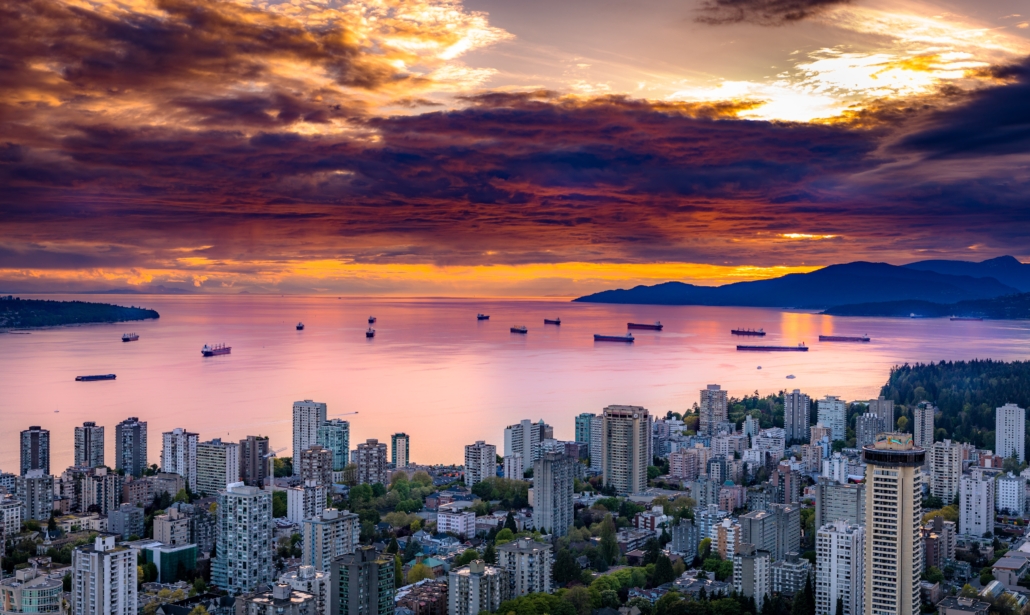
Planning for climate change in Canadian municipalities can include different approaches undertaken by city governments to manage natural resources, land uses, transportation, infrastructure, and city services in order to mitigate, or adapt to, climate change. These approaches may also involve diverse members of the public in decision making processes.

An official plan (or general, community, or master plan), is a formal document that helps a city or community to outline a vision, and key objectives for various aspects of land use and development in their jurisdiction, and over a long period of time (sometimes 10 years or more). In Canada, cities of different sizes are required by provincial law to have an official plan, like in Ontario. Official plans can be amended from time to time too. In 2010, the City of Iqaluit (Nunavut) was the first municipality in Canada to incorporate climate change in its General Plan (see section 2.5). The extent to which municipalities include climate change goals in their official plans varies widely across Canada.

Some municipalities are seeking guidance to find innovative ways to address climate change through their official plans, and they have developed different kinds of partnerships to achieve their goals. For example, the Clean Air Partnership published a report based on their collaboration with approximately 30 municipalities in Ontario to seek ways to promote clean air initiatives and to address climate change through municipal official plans. In another example, the National Measures Report 2019, released by the Federation of Canadian Municipalities (FCM), highlights how 400 municipalities, members of the FCM’s Partners for Climate Change Protection (PCP) program, developed 420 projects across Canada to reduce greenhouse gas (GHG) emissions at the local level. These are projects, rather than plans, that show how city-operated facilities and services, as well as local businesses, homes, and transportation, are all vital to reducing GHGs in the atmosphere.

The Canadian Institute of Planners (CIP), working on behalf of planners across Canada, offers various informational resources on climate change and planning. The CIP’s Policy on Climate Change Planning, encourages professional planners to incorporate climate change-informed planning into all aspects of planning for cities and regions in order to meet an ethical obligation to the planet. However, among the barriers that prevent planners from incorporating climate change priorities into planning practice are the lack of political support and of up-to-date information, for decision making and forecasting.

The Climate Alliance, a network of 1,800 European municipalities – large and small, urban and rural – has developed a partnership with Indigenous peoples of the Amazon Basin to address climate change at the global scale and to emphasise the importance of sustainable forestry worldwide. Since Canadian municipalities are located on Indigenous lands, municipalities might consider assessing how their climate change priorities could align with the climate change priorities of the Indigenous communities whose lands they occupy. Such an effort may highlight shared or divergent priorities in fighting climate change, and the potential for communities’ resilience to climate change effects.


By Leela Viswanathan
October 15, 2020/by IndigenousClimateHub
Tags: Canadian Institute of Planners (CIP), Climate Change, Municipalities, Policy, Urban Planning
Share this entry
  • Share on Facebook
  • Share on X
  • Share on WhatsApp
  • Share on Pinterest
  • Share on LinkedIn
  • Share on Tumblr
  • Share on Reddit
  • Share by Mail
https://indigenousclimatehub.ca/wp-content/uploads/2020/10/mike-benna-5Cv3surFZM8-unsplash-scaled.jpg 1528 2560 IndigenousClimateHub https://indigenousclimatehub.ca/wp-content/uploads/2020/10/logo-horiz-clr-01-small-300x88.png IndigenousClimateHub2020-10-15 07:00:332020-10-06 20:35:08Planning for Climate Change in Canadian Municipalities
You might also like
Fellipe Ditadi, Unsplash+ Reimagining Our Relationship with Natural Resources: A Path Toward Climate Resilience through Natural Law and Decommodification
Annie Spratt Promoting Gender-Responsive Budgeting for Climate Action and Social Change
Climate Change Adaptation in Kanaka Bar
Integrating climate policy into municipal plans and decision making
Installation of north end weather monitorGift Lake Métis Settlement Education Through Interaction: A Community-Based Approach to Environmental Monitoring and Climate Change
Jan Kopřiva, Unsplash When the Land Speaks Through Fire: Indigenous Wisdom, Memory, and Stewardship of the Living Landscape
X Logo X Logo Followon X RSS Feed Logo RSS Feed Logo Subscribeto RSS Feed

Subscribe to Our Blog

This field is required.

Check your inbox or spam folder to confirm your subscription.

Recent Posts

  • Water Is a Relative, Not a Resource
  • The River Is Telling Us Something: Indigenous-Led Water Monitoring as Canada’s Climate Early Warning System
  • Night Skies and Shifting Stars: How Indigenous Celestial Knowledge Tracks a Changing Climate
  • From Ownership to Relationship: Reclaiming Our Responsibilities to Land
  • Human Foolishness in Floodplains

Archives

  • June 2026
  • May 2026
  • April 2026
  • March 2026
  • February 2026
  • January 2026
  • December 2025
  • November 2025
  • October 2025
  • September 2025
  • August 2025
  • July 2025
  • June 2025
  • May 2025
  • April 2025
  • March 2025
  • February 2025
  • January 2025
  • December 2024
  • November 2024
  • October 2024
  • September 2024
  • August 2024
  • July 2024
  • June 2024
  • May 2024
  • April 2024
  • March 2024
  • February 2024
  • January 2024
  • December 2023
  • November 2023
  • October 2023
  • September 2023
  • August 2023
  • July 2023
  • June 2023
  • May 2023
  • April 2023
  • March 2023
  • February 2023
  • January 2023
  • December 2022
  • November 2022
  • October 2022
  • September 2022
  • August 2022
  • July 2022
  • June 2022
  • May 2022
  • April 2022
  • March 2022
  • February 2022
  • January 2022
  • December 2021
  • November 2021
  • October 2021
  • September 2021
  • August 2021
  • July 2021
  • June 2021
  • May 2021
  • April 2021
  • March 2021
  • February 2021
  • January 2021
  • December 2020
  • November 2020
  • October 2020
  • September 2020
  • August 2020
  • July 2020
  • June 2020
  • February 2020
  • October 2019
  • August 2019
  • July 2019
  • June 2019
  • May 2019
  • April 2019
  • March 2019

Categories

  • Adaptation
  • Alberta
  • Announcements
  • Arctic
  • Atlantic/NB
  • Awards
  • Blog
  • British Columbia
  • Climate Change
  • Climate Change Adaptation
  • Climate Change Education
  • Climate Change News
  • Climate Change Project
  • Climate Crisis
  • Climate Monitoring
  • Community Engagement
  • Community-Based Environmental Monitoring
  • Documentaries
  • Documentary
  • Events
  • Flooding
  • Food
  • Food Security
  • Food Sovereignty
  • Forest Fires
  • Funding Opportunity
  • ICCAG 2019
  • Indigenous Perspectives
  • Manitoba
  • Media
  • Métis
  • Métis Settlement
  • News
  • Op-Ed
  • Quebec
  • Saskatchewan
  • Technology
  • Video
  • Water
  • Webinars

Tags

Alberta Arctic Arctic Resilience Forum British Columbia Carbon Sequestration Caribou Caribou Recovery CIRNAC Climate Adaptation Climate Change Climate Change Adaptation Climate Resilience Community Engagement Education Environmental Stewardship Environment and Climate Change Canada (ECCC) First Nations Flooding Food Security Food Sovereignty Global Warming Indigenous Indigenous Guardians Toolkit Indigenous Knowledge Indigenous Stewardship Infrastructure Inuit landscape Mental Health Paris Agreement Policy Renewable Energy Research Resilience Science Traditional Ecological Knowledge Traditional Ecological Knowledge (TEK) Traditional Knowledge UNDRIP United Nations United Nations (UN) Webinar Wildfires WWF-Canada Youth
Contact

About Us

The Indigenous Climate Hub is a unique online community of Indigenous climate change leaders that have come together to share their stories and climate change adaptation experiences. The website is the result of the recommendations brought forward by Indigenous peoples at the Indigenous Climate Change Adaptation Gathering in 2018.

Indigenous Climate Hub Podcast

Be a part of the Indigenous Climate Hub Podcast. We are looking for unique perspectives and experiences in environmental stewardship, Indigenous ecological and traditional knowledge, and resource management offer valuable knowledge and teachings that can benefit Indigenous communities across Turtle Island and beyond.

Indigenous-led Initiatives

Are you a program or organization that funds or supports Indigenous Peoples  working on climate change initiatives?  If you would like to provide information to potential recipients here, please reach out to Okwaho so that we can work with you to highlight your program.

© Copyright - Indigenous Climate Hub, 2025-2026
  • Terms of Service
  • Privacy Policy
Link to: Indigenous Local Knowledge (ILK): Vital to climate change adaptation and globally under threat Link to: Indigenous Local Knowledge (ILK): Vital to climate change adaptation and globally under threat Indigenous Local Knowledge (ILK): Vital to climate change adaptation and globally...Radoslav Bali, Unsplash Link to: Climate Resilience and Indigenous Values Link to: Climate Resilience and Indigenous Values Climate Resilience and Indigenous Values
Scroll to top Scroll to top Scroll to top