• Link to X
  • Link to Facebook
  • Link to Instagram
  • Link to Rss this site
Indigenous Climate Hub
  • Home
    • About Us
  • Climate Action Programs
    • First Nation Adapt Program
      • Indigenous Climate Change Adaptation Gatherings
    • Indigenous Community-Based Climate Monitoring Program
    • Climate Change and Health Adaptation Program
    • Climate Change Preparedness in the North
    • Environment and Climate Change Canada
  • Funding
  • Resources
    • Climate Change Directory
    • Resource Library
    • Community Adaptation Projects
  • Events
  • Podcast
  • Blog
  • Contact/FAQs
  • Click to open the search input field Click to open the search input field Search
  • Menu Menu

Healing the Land, Healing Ourselves: Climate Grief and Indigenous Ceremonial Practices
Blog, Op-Ed
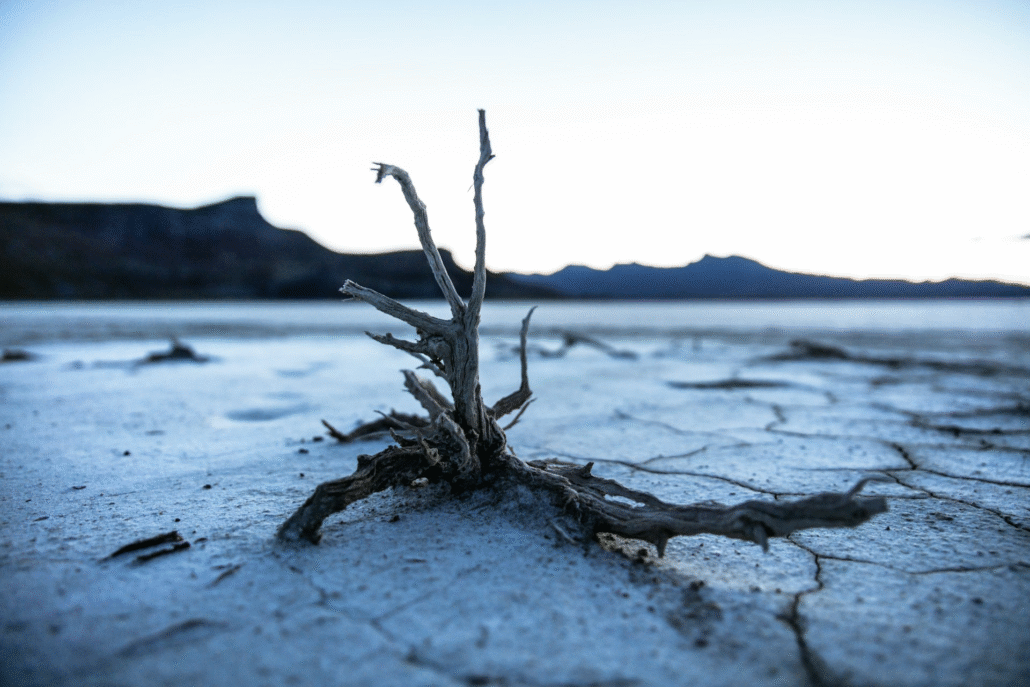
Image Credit : Patrick Hendry, Unsplash

Climate change is not only a physical or scientific crisis but also a spiritual and emotional one. As forests burn, waters rise, and species vanish, people around the world are experiencing a deep, often overwhelming sorrow known as climate grief. For Indigenous Peoples, this grief is profoundly layered. It is grief for the land, for sacred places lost or polluted, for ancestral foods no longer harvested, and for cultural practices threatened by environmental destruction.

Yet in the face of this grief, Indigenous communities are turning to ceremony, not as a retreat from reality, but as a powerful form of response, resistance, and renewal. Ceremony offers a space for collective mourning, connection to ancestors and land, and healing across generations.

What Is Climate Grief in Indigenous Contexts?

Climate grief among Indigenous Peoples often encompasses:

  • The disappearance of animal relatives and medicinal plants is integral to cultural identity.
  • The loss of seasonal rhythms that guide ceremony, harvesting, and kinship practices.
  • The disruption of sacred responsibilities to care for water, land, and future generations.
  • The emotional toll of witnessing ongoing ecological injustice tied to colonialism and extractive industry.

This grief is not abstract—it is experienced viscerally and communally, and it is inseparable from histories of land dispossession, forced relocation, and cultural suppression.

But where colonial systems pathologize grief, Indigenous knowledge systems validate and honour it. Grief is a necessary process that can reconnect us to responsibilities, reawaken our relationships with the land, and inspire transformative action.

Ceremony as Climate Healing

Across Turtle Island, Indigenous-led ceremonies are emerging—or re-emerging—as sacred responses to ecological loss and planetary crisis. These ceremonies do not attempt to “fix” grief or offer quick closure. Instead, they create sacred space to sit with the pain, acknowledge intergenerational trauma, and begin the process of relational repair with Mother Earth.

Some powerful examples include:

  • Grassroots Indigenous communities across the Great Lakes, Prairies, and West Coast organize land-based grieving circles. These gatherings often involve fire keeping, songs, and shared storytelling, honouring ecological loss and cultural resurgence.
  • Fasting ceremonies, long used for spiritual clarity and prayer, are now undertaken by youth and Elders alike in response to climate emergencies, including pipeline resistance, biodiversity loss, and drought. These fasts are often held on the land and accompanied by teachings, songs, and tobacco offerings.

Healing as Collective and Relational

Indigenous ceremonial responses to climate grief are profoundly relational. They are not individual acts of self-care, but collective acts of care for land, ancestors, and future generations. They reassert Indigenous sovereignty by centring traditional governance, gender roles, and spiritual protocols, while inviting emotional honesty and humility into spaces of climate discourse often dominated by technical language.

Recommendations for Readers

  1. Support Indigenous-Led Healing Events and Ceremonies
  1. Attend public ceremonies where invited, donate to ceremony organizers, and share their events. Respect protocols and follow the lead of Indigenous organizers—these are sacred spaces, not spectacles.
  1. Create Space for Grief in Your Climate Work
  1. Make room for emotional truth in your activism. Whether through storytelling, group reflection, or spiritual practice, recognize grief as a valid and necessary part of climate justice.
  1. Read Indigenous Voices on Climate and Loss
  1. Works like All Our Relations by Tanya Talaga explore the intersections of grief, cultural resurgence, and land-based healing. Reading Indigenous authors is one way to understand the emotional dimensions of climate change from lived experience.
  1. Practice Relational Accountability
  1. Ask yourself: Whose land am I on? What ceremonies have been practiced here? What responsibilities do I hold to this place and its people? Learning and acting from this position of relationship helps turn grief into grounded action.

Blog by Rye Karonhiowanen Barberstock

(Image Credit: Patrick Hendry, Unsplash)
 

August 1, 2025/by IndigenousClimateHub
Tags: ceremonial responses, Climate Grief, Indigenous Communities, sacred responsibilities
Share this entry
  • Share on Facebook
  • Share on X
  • Share on WhatsApp
  • Share on Pinterest
  • Share on LinkedIn
  • Share on Tumblr
  • Share on Reddit
  • Share by Mail
https://indigenousclimatehub.ca/wp-content/uploads/2025/08/Patrick-Hendry-Unsplash.png 1280 1920 IndigenousClimateHub https://indigenousclimatehub.ca/wp-content/uploads/2020/10/logo-horiz-clr-01-small-300x88.png IndigenousClimateHub2025-08-01 08:19:002025-08-01 15:19:09Healing the Land, Healing Ourselves: Climate Grief and Indigenous Ceremonial Practices
You might also like
Prioritizing the Protection of Indigenous Rights to Achieve a Sustainable Future
Climate Grief: The Emotional Impact of Climate Change
Appreciating ‘Place’ in Relation to Climate Change and Indigenous Health
X Logo X Logo Followon X RSS Feed Logo RSS Feed Logo Subscribeto RSS Feed

Subscribe to Our Blog

This field is required.

Check your inbox or spam folder to confirm your subscription.

Recent Posts

  • Water Is a Relative, Not a Resource
  • The River Is Telling Us Something: Indigenous-Led Water Monitoring as Canada’s Climate Early Warning System
  • Night Skies and Shifting Stars: How Indigenous Celestial Knowledge Tracks a Changing Climate
  • From Ownership to Relationship: Reclaiming Our Responsibilities to Land
  • Human Foolishness in Floodplains

Archives

  • June 2026
  • May 2026
  • April 2026
  • March 2026
  • February 2026
  • January 2026
  • December 2025
  • November 2025
  • October 2025
  • September 2025
  • August 2025
  • July 2025
  • June 2025
  • May 2025
  • April 2025
  • March 2025
  • February 2025
  • January 2025
  • December 2024
  • November 2024
  • October 2024
  • September 2024
  • August 2024
  • July 2024
  • June 2024
  • May 2024
  • April 2024
  • March 2024
  • February 2024
  • January 2024
  • December 2023
  • November 2023
  • October 2023
  • September 2023
  • August 2023
  • July 2023
  • June 2023
  • May 2023
  • April 2023
  • March 2023
  • February 2023
  • January 2023
  • December 2022
  • November 2022
  • October 2022
  • September 2022
  • August 2022
  • July 2022
  • June 2022
  • May 2022
  • April 2022
  • March 2022
  • February 2022
  • January 2022
  • December 2021
  • November 2021
  • October 2021
  • September 2021
  • August 2021
  • July 2021
  • June 2021
  • May 2021
  • April 2021
  • March 2021
  • February 2021
  • January 2021
  • December 2020
  • November 2020
  • October 2020
  • September 2020
  • August 2020
  • July 2020
  • June 2020
  • February 2020
  • October 2019
  • August 2019
  • July 2019
  • June 2019
  • May 2019
  • April 2019
  • March 2019

Categories

  • Adaptation
  • Alberta
  • Announcements
  • Arctic
  • Atlantic/NB
  • Awards
  • Blog
  • British Columbia
  • Climate Change
  • Climate Change Adaptation
  • Climate Change Education
  • Climate Change News
  • Climate Change Project
  • Climate Crisis
  • Climate Monitoring
  • Community Engagement
  • Community-Based Environmental Monitoring
  • Documentaries
  • Documentary
  • Events
  • Flooding
  • Food
  • Food Security
  • Food Sovereignty
  • Forest Fires
  • Funding Opportunity
  • ICCAG 2019
  • Indigenous Perspectives
  • Manitoba
  • Media
  • Métis
  • Métis Settlement
  • News
  • Op-Ed
  • Quebec
  • Saskatchewan
  • Technology
  • Video
  • Water
  • Webinars

Tags

Alberta Arctic Arctic Resilience Forum British Columbia Carbon Sequestration Caribou Caribou Recovery CIRNAC Climate Adaptation Climate Change Climate Change Adaptation Climate Resilience Community Engagement Education Environmental Stewardship Environment and Climate Change Canada (ECCC) First Nations Flooding Food Security Food Sovereignty Global Warming Indigenous Indigenous Guardians Toolkit Indigenous Knowledge Indigenous Stewardship Infrastructure Inuit landscape Mental Health Paris Agreement Policy Renewable Energy Research Resilience Science Traditional Ecological Knowledge Traditional Ecological Knowledge (TEK) Traditional Knowledge UNDRIP United Nations United Nations (UN) Webinar Wildfires WWF-Canada Youth
Contact

About Us

The Indigenous Climate Hub is a unique online community of Indigenous climate change leaders that have come together to share their stories and climate change adaptation experiences. The website is the result of the recommendations brought forward by Indigenous peoples at the Indigenous Climate Change Adaptation Gathering in 2018.

Indigenous Climate Hub Podcast

Be a part of the Indigenous Climate Hub Podcast. We are looking for unique perspectives and experiences in environmental stewardship, Indigenous ecological and traditional knowledge, and resource management offer valuable knowledge and teachings that can benefit Indigenous communities across Turtle Island and beyond.

Indigenous-led Initiatives

Are you a program or organization that funds or supports Indigenous Peoples  working on climate change initiatives?  If you would like to provide information to potential recipients here, please reach out to Okwaho so that we can work with you to highlight your program.

© Copyright - Indigenous Climate Hub, 2025-2026
  • Terms of Service
  • Privacy Policy
Link to: Buffalo Are Not Just History: Restoring Kinship, Ecology, and Culture Through the Buffalo Link to: Buffalo Are Not Just History: Restoring Kinship, Ecology, and Culture Through the Buffalo Buffalo Are Not Just History: Restoring Kinship, Ecology, and Culture Through...Image credit : Glen Carrie, Unsplash Link to: The Earth Remembers: Soil, Seeds, and the Future of Indigenous Plant Life Link to: The Earth Remembers: Soil, Seeds, and the Future of Indigenous Plant Life Image Credit : Erone Stuff, UnsplashThe Earth Remembers: Soil, Seeds, and the Future of Indigenous Plant Life
Scroll to top Scroll to top Scroll to top