• Link to X
  • Link to Facebook
  • Link to Instagram
  • Link to Rss this site
Indigenous Climate Hub
  • Home
    • About Us
  • Climate Action Programs
    • First Nation Adapt Program
      • Indigenous Climate Change Adaptation Gatherings
    • Indigenous Community-Based Climate Monitoring Program
    • Climate Change and Health Adaptation Program
    • Climate Change Preparedness in the North
    • Environment and Climate Change Canada
  • Funding
  • Resources
    • Climate Change Directory
    • Resource Library
    • Community Adaptation Projects
  • Events
  • Podcast
  • Blog
  • Contact/FAQs
  • Click to open the search input field Click to open the search input field Search
  • Menu Menu

The Earth Remembers: Soil, Seeds, and the Future of Indigenous Plant Life
Blog, Op-Ed
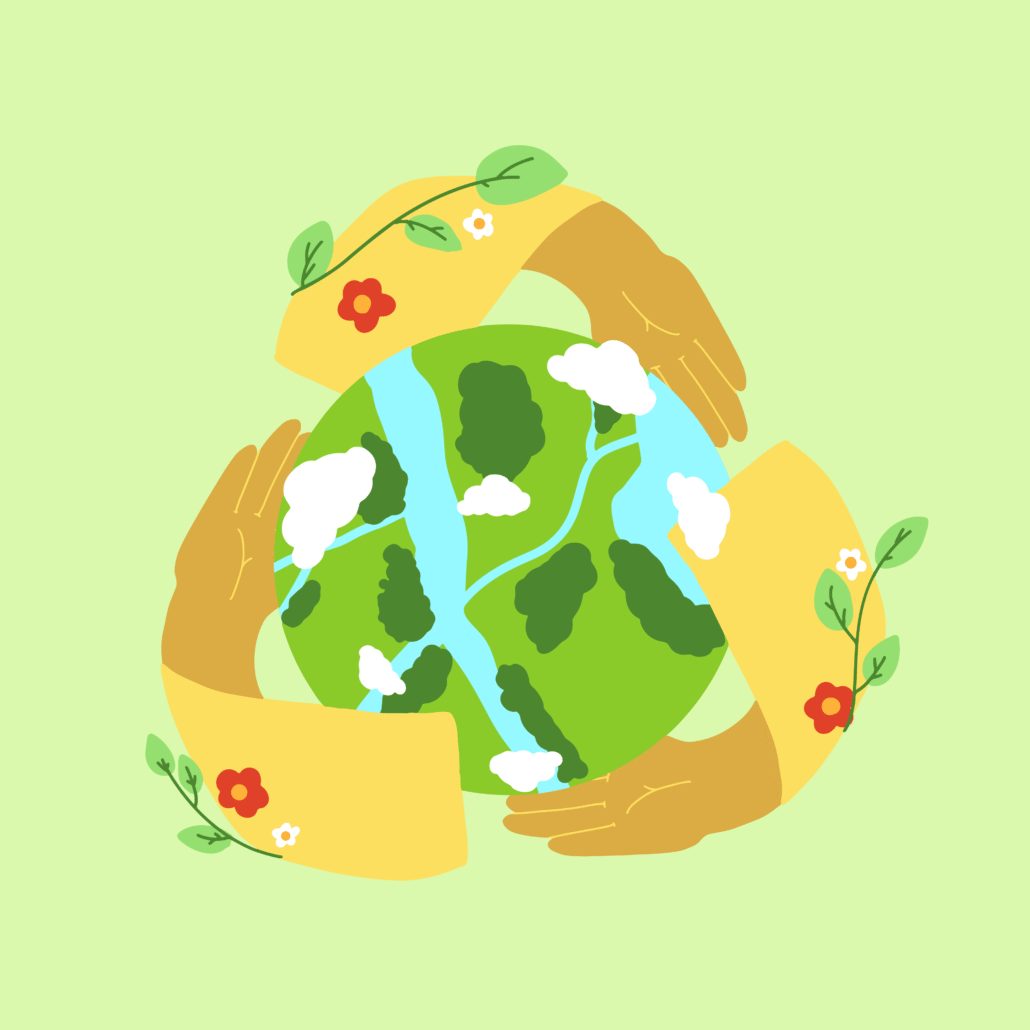
Image Credit : Erone Stuff, Unsplash

When we lay our feet upon the ground whether walking through forests, fields, or city streets we often walk unaware of the stories held beneath us. The soil is not lifeless dirt but a vibrant archive, holding millennia of memory. Within its dark layers lie the echoes of fire, flood, frost, and footsteps, stories imprinted by plants that once flourished, medicines that healed, and foods that sustained entire communities. This earth remembers, and if we pause to listen, it will teach us how to heal and regenerate what has been lost. 

The Responsibility of Humanity: Healing Takes Time 

Healing the earth is no simple task. The scars of human impact from industrial extraction to sprawling urban growth are deep and lasting. These wounds are not mended within a single lifetime but unfold across generations, measured in ecological cycles far older than our own. The process of bio-regeneration, the natural ability of ecosystems to renew, repair, and restore themselves, depends on intricate relationships between soil nutrients, native plants, and healthy water systems. It is a slow, fragile, and profoundly relational dance, reminding us that human urgency must make room for earth’s rhythms. 

The Knowledge Beneath Our Feet: Roots, Networks, Life

Indigenous Peoples have long understood that beneath the surface lies a hidden world of interconnected roots, intertwined fungi networks, and microorganisms working unseen yet essential to the health of all life. These subterranean relationships weave resilience and communication, binding ecosystems together. When native plants vanish or are displaced, these lifelines weaken, unravelling the fabric that sustains water retention, nutrient cycling, and soil fertility. 

Restoration is not merely about planting seeds above ground; it is about rekindling these ancient, living connections below the surface. This is where true regeneration begins, life branching out in all its richness, supporting the ecosystem in ways both visible and hidden. 

Plant Foods and the Sacred Return to Place 

The resurgence of Indigenous plant foods, including ancestral varieties of corn, beans, squash, wild rice, and berries, as well as traditional medicines, embodies a sacred act of returning. It is not just about food security; it is about restoring memory, balance, and a sense of belonging. These plants are not strangers but kin, evolved alongside the waters, soils, pollinators, and seasons of their birthplaces. Their reintroduction reignites that timeless conversation between earth below and sky above, between roots and leaves, a reciprocal renewal of biodiversity and cultural survival. 

This symbiotic dance reconnects us to place and each other, reminding us that healing the land means healing the relationships we hold with all living beings around us.  

Plant Memory and Indigenous Worldview: Teachers and Relatives  

In Indigenous worldviews, plants are not mere objects; they are teachers, relatives, and keepers of knowledge. Their memory is holistic, carried in seeds, genetic code, and the stories they bear. These plants remember the pollinators that visit them, the soils that nourish them, and the people who have harvested and cared for them through generations. 

When invasive species erase native plants from a landscape, entire ecosystems lose their stories and identities. Returning to Indigenous plants means reclaiming cultural memory and restoring the deep reciprocity between people, plants, insects, animals, and the earth, a tapestry vital to resilience. 

The Challenge of Invasive Species: Disrupting Balance, Disrupting Culture

Across regions like the Great Lakes, invasive species garlic mustard, phragmites, and buckthorn disrupt soil chemistry, shade out seedlings, and monopolize resources crucial to native biodiversity. Aquatic invaders, such as zebra mussels, choke lakes and rivers, threatening native plants and fish that are central to Indigenous lifeways. 

These invasives are not just ecological invaders; they fracture cultural relationships cherished for generations. Healing the land thus calls for revitalizing native populations, respecting cultural ties, and reclaiming places from disruption. 

The Science of Soil in a Changing Climate: Living Systems Under Siege 

Beneath what many call “dirt” lies a living, breathing community of minerals, fungi, and microbes, all orchestrating fertility and resilience. Climate change, however, exerts a significant impact on soil systems. More frequent droughts, harsh floods, and unchecked erosion strip away nutrients and vitality. 

Without healthy soil, plants falter, medicines become scarce, and entire livelihoods falter. The foundation of plant-based economies, from Indigenous harvests to broader food systems, wavers as soil health declines. 

Indigenous Stewardship: Seeds, Sanctuaries, and Sovereignty 

Across Turtle Island, Indigenous communities answer this call with fierce care. Community seed banks protect ancestral varieties, not merely genetic stock, but living relatives that hold stories, teachings, and ecological memory. Each seed is sovereignty in waiting. 

Restoration efforts abound: the Haudenosaunee nurture seed libraries that preserve heirloom plants, while the Anishinaabe work tirelessly to heal wild rice beds ravaged by industry. These projects are ecological and profoundly cultural, reinforcing responsibilities that begin beneath our feet. 

Returning the Mind to the Earth: Reciprocal Healing

The soil is a patient teacher, reminding us that life thrives on reciprocity and balance. When humans take without giving back, the earth remembers. To restore ecosystems, revive plant medicines and foods, and safeguard biodiversity, we must ground our minds and spirits in the wisdom of the earth itself. 

Healing is a long journey, a patient’s work of bio-regeneration and restoration. Returning Indigenous plants to their homes and honouring their relationships is a practice of humility. It calls us to be kin, caretakers, and students of the land’s memory. 

Only then can we fully step into our role as stewards of the soil, the plants, and the possibilities for generations yet to come. 


Blog by Rye Karonhiowanen Barberstock

(Image Credit: Erone Stuff, Unsplash)
August 15, 2025/by IndigenousClimateHub
Tags: Disrupting Culture, ecological cycles, Indigenous Peoples, Indigenous Stewardship, Invasive Species: Disrupting Balance, Plant Memory, Reciprocal Healing, sprawling urban growth, true regeneration begins
Share this entry
  • Share on Facebook
  • Share on X
  • Share on WhatsApp
  • Share on Pinterest
  • Share on LinkedIn
  • Share on Tumblr
  • Share on Reddit
  • Share by Mail
https://indigenousclimatehub.ca/wp-content/uploads/2025/08/Erone-stuff-unsplash-scaled.png 2560 2560 IndigenousClimateHub https://indigenousclimatehub.ca/wp-content/uploads/2020/10/logo-horiz-clr-01-small-300x88.png IndigenousClimateHub2025-08-15 22:02:262025-08-22 11:53:40The Earth Remembers: Soil, Seeds, and the Future of Indigenous Plant Life
You might also like
Image credit : Glen Carrie, Unsplash Buffalo Are Not Just History: Restoring Kinship, Ecology, and Culture Through the Buffalo
Jan Kopřiva, Unsplash When the Land Speaks Through Fire: Indigenous Wisdom, Memory, and Stewardship of the Living Landscape
Indigenous Protected and Conserved Areas Help Fight Climate Change Through Indigenous Stewardship
Michael Hamments, Unsplash Land Back Means Climate Action: Connecting Land Reclamation with Ecological Restoration
X Logo X Logo Followon X RSS Feed Logo RSS Feed Logo Subscribeto RSS Feed

Subscribe to Our Blog

This field is required.

Check your inbox or spam folder to confirm your subscription.

Recent Posts

  • Water Is a Relative, Not a Resource
  • The River Is Telling Us Something: Indigenous-Led Water Monitoring as Canada’s Climate Early Warning System
  • Night Skies and Shifting Stars: How Indigenous Celestial Knowledge Tracks a Changing Climate
  • From Ownership to Relationship: Reclaiming Our Responsibilities to Land
  • Human Foolishness in Floodplains

Archives

  • June 2026
  • May 2026
  • April 2026
  • March 2026
  • February 2026
  • January 2026
  • December 2025
  • November 2025
  • October 2025
  • September 2025
  • August 2025
  • July 2025
  • June 2025
  • May 2025
  • April 2025
  • March 2025
  • February 2025
  • January 2025
  • December 2024
  • November 2024
  • October 2024
  • September 2024
  • August 2024
  • July 2024
  • June 2024
  • May 2024
  • April 2024
  • March 2024
  • February 2024
  • January 2024
  • December 2023
  • November 2023
  • October 2023
  • September 2023
  • August 2023
  • July 2023
  • June 2023
  • May 2023
  • April 2023
  • March 2023
  • February 2023
  • January 2023
  • December 2022
  • November 2022
  • October 2022
  • September 2022
  • August 2022
  • July 2022
  • June 2022
  • May 2022
  • April 2022
  • March 2022
  • February 2022
  • January 2022
  • December 2021
  • November 2021
  • October 2021
  • September 2021
  • August 2021
  • July 2021
  • June 2021
  • May 2021
  • April 2021
  • March 2021
  • February 2021
  • January 2021
  • December 2020
  • November 2020
  • October 2020
  • September 2020
  • August 2020
  • July 2020
  • June 2020
  • February 2020
  • October 2019
  • August 2019
  • July 2019
  • June 2019
  • May 2019
  • April 2019
  • March 2019

Categories

  • Adaptation
  • Alberta
  • Announcements
  • Arctic
  • Atlantic/NB
  • Awards
  • Blog
  • British Columbia
  • Climate Change
  • Climate Change Adaptation
  • Climate Change Education
  • Climate Change News
  • Climate Change Project
  • Climate Crisis
  • Climate Monitoring
  • Community Engagement
  • Community-Based Environmental Monitoring
  • Documentaries
  • Documentary
  • Events
  • Flooding
  • Food
  • Food Security
  • Food Sovereignty
  • Forest Fires
  • Funding Opportunity
  • ICCAG 2019
  • Indigenous Perspectives
  • Manitoba
  • Media
  • Métis
  • Métis Settlement
  • News
  • Op-Ed
  • Quebec
  • Saskatchewan
  • Technology
  • Video
  • Water
  • Webinars

Tags

Alberta Arctic Arctic Resilience Forum British Columbia Carbon Sequestration Caribou Caribou Recovery CIRNAC Climate Adaptation Climate Change Climate Change Adaptation Climate Resilience Community Engagement Education Environmental Stewardship Environment and Climate Change Canada (ECCC) First Nations Flooding Food Security Food Sovereignty Global Warming Indigenous Indigenous Guardians Toolkit Indigenous Knowledge Indigenous Stewardship Infrastructure Inuit landscape Mental Health Paris Agreement Policy Renewable Energy Research Resilience Science Traditional Ecological Knowledge Traditional Ecological Knowledge (TEK) Traditional Knowledge UNDRIP United Nations United Nations (UN) Webinar Wildfires WWF-Canada Youth
Contact

About Us

The Indigenous Climate Hub is a unique online community of Indigenous climate change leaders that have come together to share their stories and climate change adaptation experiences. The website is the result of the recommendations brought forward by Indigenous peoples at the Indigenous Climate Change Adaptation Gathering in 2018.

Indigenous Climate Hub Podcast

Be a part of the Indigenous Climate Hub Podcast. We are looking for unique perspectives and experiences in environmental stewardship, Indigenous ecological and traditional knowledge, and resource management offer valuable knowledge and teachings that can benefit Indigenous communities across Turtle Island and beyond.

Indigenous-led Initiatives

Are you a program or organization that funds or supports Indigenous Peoples  working on climate change initiatives?  If you would like to provide information to potential recipients here, please reach out to Okwaho so that we can work with you to highlight your program.

© Copyright - Indigenous Climate Hub, 2025-2026
  • Terms of Service
  • Privacy Policy
Link to: Healing the Land, Healing Ourselves: Climate Grief and Indigenous Ceremonial Practices Link to: Healing the Land, Healing Ourselves: Climate Grief and Indigenous Ceremonial Practices Healing the Land, Healing Ourselves: Climate Grief and Indigenous Ceremonial...Image Credit : Patrick Hendry, Unsplash Link to: When the Land Speaks Through Fire: Indigenous Wisdom, Memory, and Stewardship of the Living Landscape Link to: When the Land Speaks Through Fire: Indigenous Wisdom, Memory, and Stewardship of the Living Landscape Jan Kopřiva, UnsplashWhen the Land Speaks Through Fire: Indigenous Wisdom, Memory, and Stewardship...
Scroll to top Scroll to top Scroll to top