• Link to X
  • Link to Facebook
  • Link to Instagram
  • Link to Rss this site
Indigenous Climate Hub
  • Home
    • About Us
  • Climate Action Programs
    • First Nation Adapt Program
      • Indigenous Climate Change Adaptation Gatherings
    • Indigenous Community-Based Climate Monitoring Program
    • Climate Change and Health Adaptation Program
    • Climate Change Preparedness in the North
    • Environment and Climate Change Canada
  • Funding
  • Resources
    • Climate Change Directory
    • Resource Library
    • Community Adaptation Projects
  • Events
  • Podcast
  • Blog
  • Contact/FAQs
  • Click to open the search input field Click to open the search input field Search
  • Menu Menu

Prioritizing the Protection of Indigenous Rights to Achieve a Sustainable Future
Blog, Climate Change

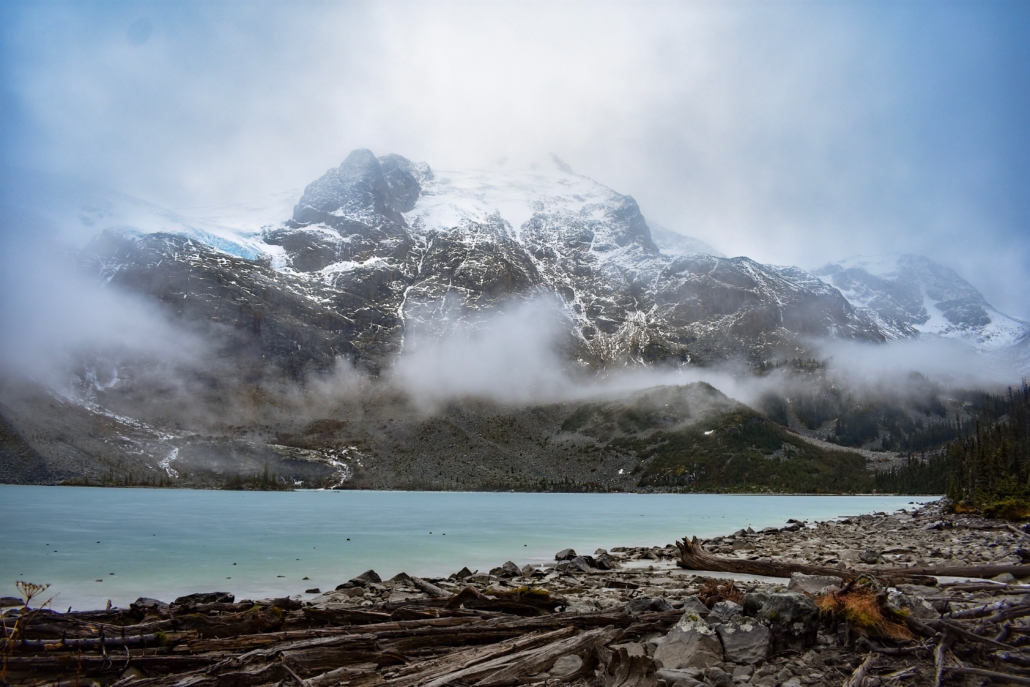
Prioritizing Indigenous rights and supporting innovative Indigenous practices are required to achieve a sustainable future and are crucial to meet the United Nations Sustainable Development Goals (SDGs). The race to meet SDG targets by Year 2030 is heavily focused on reducing greenhouse gas emissions (GHGs); however, globally, Indigenous communities are not responsible for these high levels of GHGs. Indigenous communities have been integral in the fight to reduce GHG emissions through innovative practices like traditional fire management. Yet, Indigenous peoples remain among the most affected by climate change and its impacts on a global scale, because of their interconnectedness with Mother Nature, the land, and all that it offers.

The United Nations Sustainable Development Goal (SDG) 6 calls for “ensuring the availability of sustainable water management and sanitation for all”; however, in Canada, for decades, many First Nation communities have gone without clean drinking water. Canada’s federal government has promised to ensure clean drinking water to all First Nation reserves by March 2021; however, there are now fears that this deadline will not be met.

Frustrated by government inaction in addressing the clean water crisis in their community, Lytton First Nation, (pop. 1,660 people) located in the Fraser Canyon, British Columbia, connected with RES’EAU-WaterNet, at the University of British Columbia. Together, they built the Lytton-Nickeyeah Creek Water Treatment facility in 2015, bringing clean water to the homes spread out over 56 reserves across 14,161 acres. The RES’EAU also worked in consultation with community members, leaders, and water operators at Lytton First Nation, to find a collaborative, creative, and affordable way to bring clean water to additional homes (some over 100 kms apart) that were too isolated to benefit from the larger treatment facility.

According to Alliance 2030, the UN Declaration on the Rights of Indigenous Peoples (UNDRIP) and the UN SDGs should be considered in concert with each other, if the 17 SDGs are to be met by 2030 and “achieve basic rights like clean water and equality for all.” The International Fund for Agricultural Development in their 2019 policy brief made several recommendations to advance collaborative policy solutions and to recognize Indigenous rights to land and intellectual property, in order to meet the SDGs.

Successful implementation of the 2030 Agenda for Sustainable Development is based on the premise of “leave no-one behind”. Canada’s 2018 Voluntary National Review acknowledged that Indigenous peoples and other “historically marginalized groups…still face unacceptable barriers”. Any attempt by countries to involve Indigenous communities as partners in sustainable development may be a step forward to meet the 2030 Agenda; however, when the basic rights to education and clean water are not guaranteed for Indigenous peoples, these calls for collaboration must be questioned. Indigenous peoples at the forefront of sustainable development innovations and climate change adaptation in Canada have declared a climate emergency. Realizing the SDG goals requires non-Indigenous governments to prioritize the protection of Indigenous rights if they also seek the collaboration of Indigenous peoples.


By Leela Viswanathan

(Image Credit: Carter Hildebrand, Unsplash)
December 15, 2020/by IndigenousClimateHub
Tags: British Columbia, Climate Emergency, GHGs, Greenhouse Gas Emissions, Indigenous Communities, Lytton First Nation, SDG 6, SDGs, Sustainable Development Goals
Share this entry
  • Share on Facebook
  • Share on X
  • Share on WhatsApp
  • Share on Pinterest
  • Share on LinkedIn
  • Share on Tumblr
  • Share on Reddit
  • Share by Mail
https://indigenousclimatehub.ca/wp-content/uploads/2020/12/carter-hildebrand-WfkKeipxYTs-unsplash-scaled.jpg 1708 2560 IndigenousClimateHub https://indigenousclimatehub.ca/wp-content/uploads/2020/10/logo-horiz-clr-01-small-300x88.png IndigenousClimateHub2020-12-15 20:43:322020-12-15 20:43:32Prioritizing the Protection of Indigenous Rights to Achieve a Sustainable Future
You might also like
Climate Change Adaptation in Kanaka Bar
Solar panels Achieving Net-Zero Carbon Emissions and Energy Sovereignty through Indigenous-Owned Solar Projects
Unsplash (Licensed) Eco-Cultural Approaches to Climate Change Adaptation (NRCan Webinar)
Appreciating ‘Place’ in Relation to Climate Change and Indigenous Health
How Indigenous Knowledge Helps Manage Climate Change Effects On Human-Water Ecosystems
Addressing the challenges of solid waste management in Indigenous communities
X Logo X Logo Followon X RSS Feed Logo RSS Feed Logo Subscribeto RSS Feed

Subscribe to Our Blog

This field is required.

Check your inbox or spam folder to confirm your subscription.

Recent Posts

  • Water Is a Relative, Not a Resource
  • The River Is Telling Us Something: Indigenous-Led Water Monitoring as Canada’s Climate Early Warning System
  • Night Skies and Shifting Stars: How Indigenous Celestial Knowledge Tracks a Changing Climate
  • From Ownership to Relationship: Reclaiming Our Responsibilities to Land
  • Human Foolishness in Floodplains

Archives

  • June 2026
  • May 2026
  • April 2026
  • March 2026
  • February 2026
  • January 2026
  • December 2025
  • November 2025
  • October 2025
  • September 2025
  • August 2025
  • July 2025
  • June 2025
  • May 2025
  • April 2025
  • March 2025
  • February 2025
  • January 2025
  • December 2024
  • November 2024
  • October 2024
  • September 2024
  • August 2024
  • July 2024
  • June 2024
  • May 2024
  • April 2024
  • March 2024
  • February 2024
  • January 2024
  • December 2023
  • November 2023
  • October 2023
  • September 2023
  • August 2023
  • July 2023
  • June 2023
  • May 2023
  • April 2023
  • March 2023
  • February 2023
  • January 2023
  • December 2022
  • November 2022
  • October 2022
  • September 2022
  • August 2022
  • July 2022
  • June 2022
  • May 2022
  • April 2022
  • March 2022
  • February 2022
  • January 2022
  • December 2021
  • November 2021
  • October 2021
  • September 2021
  • August 2021
  • July 2021
  • June 2021
  • May 2021
  • April 2021
  • March 2021
  • February 2021
  • January 2021
  • December 2020
  • November 2020
  • October 2020
  • September 2020
  • August 2020
  • July 2020
  • June 2020
  • February 2020
  • October 2019
  • August 2019
  • July 2019
  • June 2019
  • May 2019
  • April 2019
  • March 2019

Categories

  • Adaptation
  • Alberta
  • Announcements
  • Arctic
  • Atlantic/NB
  • Awards
  • Blog
  • British Columbia
  • Climate Change
  • Climate Change Adaptation
  • Climate Change Education
  • Climate Change News
  • Climate Change Project
  • Climate Crisis
  • Climate Monitoring
  • Community Engagement
  • Community-Based Environmental Monitoring
  • Documentaries
  • Documentary
  • Events
  • Flooding
  • Food
  • Food Security
  • Food Sovereignty
  • Forest Fires
  • Funding Opportunity
  • ICCAG 2019
  • Indigenous Perspectives
  • Manitoba
  • Media
  • Métis
  • Métis Settlement
  • News
  • Op-Ed
  • Quebec
  • Saskatchewan
  • Technology
  • Video
  • Water
  • Webinars

Tags

Alberta Arctic Arctic Resilience Forum British Columbia Carbon Sequestration Caribou Caribou Recovery CIRNAC Climate Adaptation Climate Change Climate Change Adaptation Climate Resilience Community Engagement Education Environmental Stewardship Environment and Climate Change Canada (ECCC) First Nations Flooding Food Security Food Sovereignty Global Warming Indigenous Indigenous Guardians Toolkit Indigenous Knowledge Indigenous Stewardship Infrastructure Inuit landscape Mental Health Paris Agreement Policy Renewable Energy Research Resilience Science Traditional Ecological Knowledge Traditional Ecological Knowledge (TEK) Traditional Knowledge UNDRIP United Nations United Nations (UN) Webinar Wildfires WWF-Canada Youth
Contact

About Us

The Indigenous Climate Hub is a unique online community of Indigenous climate change leaders that have come together to share their stories and climate change adaptation experiences. The website is the result of the recommendations brought forward by Indigenous peoples at the Indigenous Climate Change Adaptation Gathering in 2018.

Indigenous Climate Hub Podcast

Be a part of the Indigenous Climate Hub Podcast. We are looking for unique perspectives and experiences in environmental stewardship, Indigenous ecological and traditional knowledge, and resource management offer valuable knowledge and teachings that can benefit Indigenous communities across Turtle Island and beyond.

Indigenous-led Initiatives

Are you a program or organization that funds or supports Indigenous Peoples  working on climate change initiatives?  If you would like to provide information to potential recipients here, please reach out to Okwaho so that we can work with you to highlight your program.

© Copyright - Indigenous Climate Hub, 2025-2026
  • Terms of Service
  • Privacy Policy
Link to: CIER Launches New Climate Change Planning Toolkit for Indigenous Communities Link to: CIER Launches New Climate Change Planning Toolkit for Indigenous Communities CIER Launches New Climate Change Planning Toolkit for Indigenous Communitie... Link to: Alberta Flood Study Engagements: Share your feedback on draft reports and flood maps to help complete the largest flood mapping project in Alberta’s history Link to: Alberta Flood Study Engagements: Share your feedback on draft reports and flood maps to help complete the largest flood mapping project in Alberta’s history Alberta Flood Study Engagements: Share your feedback on draft reports and flood...
Scroll to top Scroll to top Scroll to top