
• Link to X
  • Link to Facebook
  • Link to Instagram
  • Link to Rss this site
Indigenous Climate Hub
  • Home
    • About Us
  • Climate Action Programs
    • First Nation Adapt Program
      • Indigenous Climate Change Adaptation Gatherings
    • Indigenous Community-Based Climate Monitoring Program
    • Climate Change and Health Adaptation Program
    • Climate Change Preparedness in the North
    • Environment and Climate Change Canada
  • Funding
  • Resources
    • Climate Change Directory
    • Resource Library
    • Community Adaptation Projects
  • Events
  • Podcast
  • Blog
  • Contact/FAQs
  • Click to open the search input field Click to open the search input field Search
  • Menu Menu

International Participation and Leadership of Indigenous Women in Climate Change Action
Blog, Climate Change Adaptation

Indigenous women are at the forefront of many local climate change adaptation efforts, however, gender inequality in climate change planning and decision making persists at the international level. Gender inequality can be measured by tracking “relative gaps between men and women on health, education, economy, and politics,” as documented in the Global Gender Gap Report 2020. However, adapting to climate change requires systems change; this includes transforming international climate governance bodies to ensure gender equality and Indigenous women’s engagement in all activities to protect Mother Earth.

Participatory processes that inform the development of gender inclusive approaches to climate change adaptation at an international scale include Climate Change Gender Action Plans (ccGAPs) and involves The International Union for Conservation of Nature is an international organization (IUCN) and more than 24 participating countries. The ccGAPs aim to “build on a country’s national development and climate change policy or strategy and identify gender-specific issues in each priority sector.” The ccGAPs have been linked to REDD+ plans or ‘roadmaps.’ REDD+ stands for “reducing emissions from deforestation and forest degradation, and forest conservation, sustainable management and enhancement of forest carbon stocks.” At a global scale REDD+ roadmaps have played an important role in enabling countries to track the impact of climate change on forests; however, the lack of information, disaggregated by sex, negatively affects the depth of gender analyses to inform REDD+ policies. Advocacy to increase Indigenous women’s participation in REDD+ is ongoing, as are efforts to put the spotlight on Indigenous women in climate change adaptation efforts internationally.

At the World Economic Forum Davos meeting in 2020, Hindou Oumarou Ibrahim, President of the Association for Indigenous Women and Peoples of Chad voiced how climate change is destroying lives and highlighted the impact of climate change on Indigenous people. She noted that “[w]hen they say the forest is burning it’s not just the language of expression. It’s our real home that’s burning…Because indigenous people from all over the world – from Chad, Amazon, Indonesia – we’re depending on these forests. They’re our food, our medicine, our pharmacy, our education.” As Hindou Oumarou Ibrahim explains, climate change is threatening the survival of pastoral people of the Sahel and Lake Chad region, displacing Indigenous communities, and consequently, increasing the role of Indigenous women in developing innovative solutions to food insecurity and water conservation, and in better exchanging traditional knowledge.

Opportunities for Indigenous women to be engaged internationally in climate change decision making have been limited, relative to their male counterparts. When Indigenous women have opportunities and choices to participate in different processes of climate change information sharing and decision making at the international scale, they can draw from, and build upon, the numerous climate adaptation efforts of their Indigenous sisters who continue to have an impact on local communities and regions. Their efforts include protecting land rights, leading projects as waterkeepers, and forging new paths for future generations to plan for climate change mitigation and adaptation.

By Leela Viswanathan

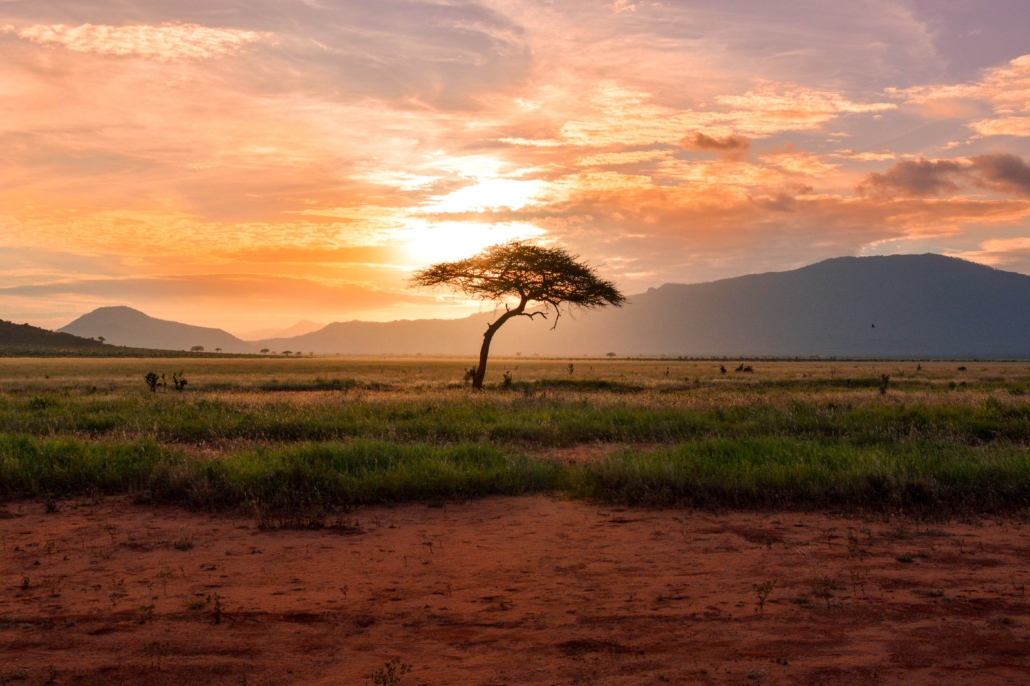
(Image credit: Damian Patkowski, Unsplash)
March 15, 2021/by IndigenousClimateHub
Tags: Association for Indigenous Women and Peoples of Chad, Climate Change Action, Climate Change Gender Action Plans (ccGAPs), gender inequality, Global Gender Gap Report 2020, Indigenous women, International Union for Conservation of Nature, Lake Chad, Leadership of Indigenous women, REDD+, Sahel
Share this entry
  • Share on Facebook
  • Share on X
  • Share on WhatsApp
  • Share on Pinterest
  • Share on LinkedIn
  • Share on Tumblr
  • Share on Reddit
  • Share by Mail
https://indigenousclimatehub.ca/wp-content/uploads/2021/03/damian-patkowski-T-LfvX-7IVg-unsplash-scaled.jpg 1706 2560 IndigenousClimateHub https://indigenousclimatehub.ca/wp-content/uploads/2020/10/logo-horiz-clr-01-small-300x88.png IndigenousClimateHub2021-03-15 13:56:052021-03-15 13:56:07International Participation and Leadership of Indigenous Women in Climate Change Action
You might also like
Ashkan Forouzani Putting IWD 2024 in the Context of Intersectionality and Climate Justice
Shutterstock, Licensed The Role of Indigenous Women in Climate Resilience and Adaptation
X Logo X Logo Followon X RSS Feed Logo RSS Feed Logo Subscribeto RSS Feed

Subscribe to Our Blog

This field is required.

Check your inbox or spam folder to confirm your subscription.

Recent Posts

  • Water Is a Relative, Not a Resource
  • The River Is Telling Us Something: Indigenous-Led Water Monitoring as Canada’s Climate Early Warning System
  • Night Skies and Shifting Stars: How Indigenous Celestial Knowledge Tracks a Changing Climate
  • From Ownership to Relationship: Reclaiming Our Responsibilities to Land
  • Human Foolishness in Floodplains

Archives

  • June 2026
  • May 2026
  • April 2026
  • March 2026
  • February 2026
  • January 2026
  • December 2025
  • November 2025
  • October 2025
  • September 2025
  • August 2025
  • July 2025
  • June 2025
  • May 2025
  • April 2025
  • March 2025
  • February 2025
  • January 2025
  • December 2024
  • November 2024
  • October 2024
  • September 2024
  • August 2024
  • July 2024
  • June 2024
  • May 2024
  • April 2024
  • March 2024
  • February 2024
  • January 2024
  • December 2023
  • November 2023
  • October 2023
  • September 2023
  • August 2023
  • July 2023
  • June 2023
  • May 2023
  • April 2023
  • March 2023
  • February 2023
  • January 2023
  • December 2022
  • November 2022
  • October 2022
  • September 2022
  • August 2022
  • July 2022
  • June 2022
  • May 2022
  • April 2022
  • March 2022
  • February 2022
  • January 2022
  • December 2021
  • November 2021
  • October 2021
  • September 2021
  • August 2021
  • July 2021
  • June 2021
  • May 2021
  • April 2021
  • March 2021
  • February 2021
  • January 2021
  • December 2020
  • November 2020
  • October 2020
  • September 2020
  • August 2020
  • July 2020
  • June 2020
  • February 2020
  • October 2019
  • August 2019
  • July 2019
  • June 2019
  • May 2019
  • April 2019
  • March 2019

Categories

  • Adaptation
  • Alberta
  • Announcements
  • Arctic
  • Atlantic/NB
  • Awards
  • Blog
  • British Columbia
  • Climate Change
  • Climate Change Adaptation
  • Climate Change Education
  • Climate Change News
  • Climate Change Project
  • Climate Crisis
  • Climate Monitoring
  • Community Engagement
  • Community-Based Environmental Monitoring
  • Documentaries
  • Documentary
  • Events
  • Flooding
  • Food
  • Food Security
  • Food Sovereignty
  • Forest Fires
  • Funding Opportunity
  • ICCAG 2019
  • Indigenous Perspectives
  • Manitoba
  • Media
  • Métis
  • Métis Settlement
  • News
  • Op-Ed
  • Quebec
  • Saskatchewan
  • Technology
  • Video
  • Water
  • Webinars

Tags

Alberta Arctic Arctic Resilience Forum British Columbia Carbon Sequestration Caribou Caribou Recovery CIRNAC Climate Adaptation Climate Change Climate Change Adaptation Climate Resilience Community Engagement Education Environmental Stewardship Environment and Climate Change Canada (ECCC) First Nations Flooding Food Security Food Sovereignty Global Warming Indigenous Indigenous Guardians Toolkit Indigenous Knowledge Indigenous Stewardship Infrastructure Inuit landscape Mental Health Paris Agreement Policy Renewable Energy Research Resilience Science Traditional Ecological Knowledge Traditional Ecological Knowledge (TEK) Traditional Knowledge UNDRIP United Nations United Nations (UN) Webinar Wildfires WWF-Canada Youth
Contact

About Us

The Indigenous Climate Hub is a unique online community of Indigenous climate change leaders that have come together to share their stories and climate change adaptation experiences. The website is the result of the recommendations brought forward by Indigenous peoples at the Indigenous Climate Change Adaptation Gathering in 2018.

Indigenous Climate Hub Podcast

Be a part of the Indigenous Climate Hub Podcast. We are looking for unique perspectives and experiences in environmental stewardship, Indigenous ecological and traditional knowledge, and resource management offer valuable knowledge and teachings that can benefit Indigenous communities across Turtle Island and beyond.

Indigenous-led Initiatives

Are you a program or organization that funds or supports Indigenous Peoples  working on climate change initiatives?  If you would like to provide information to potential recipients here, please reach out to Okwaho so that we can work with you to highlight your program.

© Copyright - Indigenous Climate Hub, 2025-2026
  • Terms of Service
  • Privacy Policy
Link to: Revitalizing Indigenous Oral Traditions to Enhance Climate Adaptation Link to: Revitalizing Indigenous Oral Traditions to Enhance Climate Adaptation Revitalizing Indigenous Oral Traditions to Enhance Climate Adaptation Link to: Big Data Climate Research Needs Indigenous Expertise for Meaningful Social Impact Link to: Big Data Climate Research Needs Indigenous Expertise for Meaningful Social Impact Big Data Climate Research Needs Indigenous Expertise for Meaningful Social ...
Scroll to top Scroll to top Scroll to top