• Link to X
  • Link to Facebook
  • Link to Instagram
  • Link to Rss this site
Indigenous Climate Hub
  • Home
    • About Us
  • Climate Action Programs
    • First Nation Adapt Program
      • Indigenous Climate Change Adaptation Gatherings
    • Indigenous Community-Based Climate Monitoring Program
    • Climate Change and Health Adaptation Program
    • Climate Change Preparedness in the North
    • Environment and Climate Change Canada
  • Funding
  • Resources
    • Climate Change Directory
    • Resource Library
    • Community Adaptation Projects
  • Events
  • Podcast
  • Blog
  • Contact/FAQs
  • Click to open the search input field Click to open the search input field Search
  • Menu Menu

Protecting coastal ecosystems, the world’s blue carbon sink
Blog, Climate Change

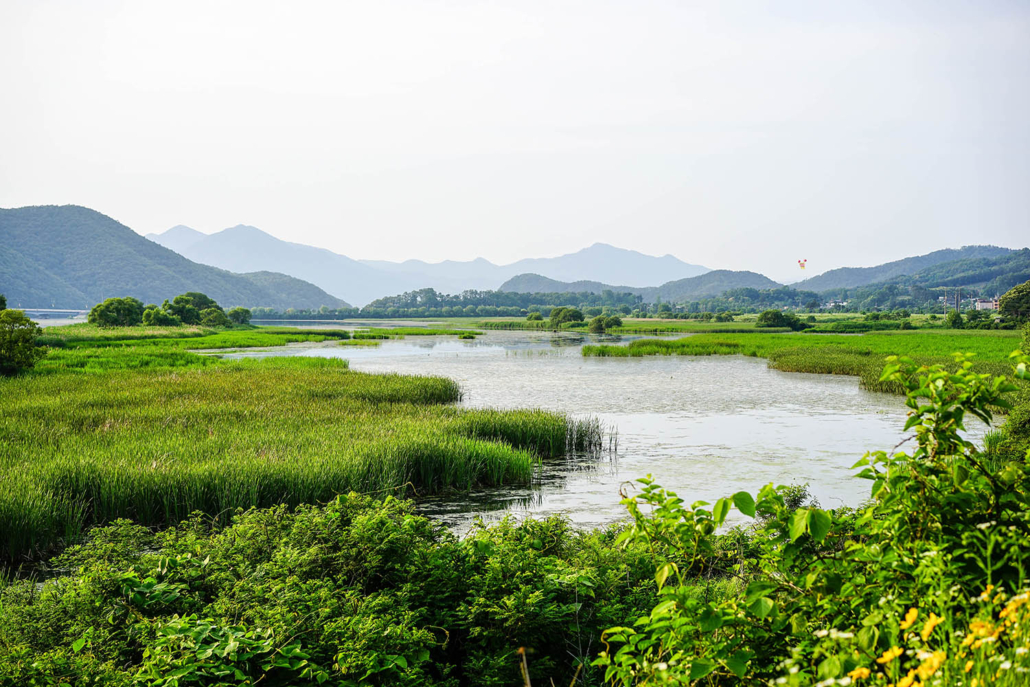
Coastal ecosystems, or coastal wetlands, are one of the world’s most important ecological carbon sinks, storing roughly 50% of all carbon buried in the ocean. They act as “carbon stores… known as ‘blue carbon’ because they are located in places where the land meets the sea.” Simply put, coastal wetlands are the world’s blue carbon sink, and protecting them contributes to climate change mitigation and adaptation worldwide.

A healthy wetland is one that “can keep carbon stored away for millennia.”  When coastal ecosystems are increasingly threatened by climate change effects and are being destroyed, they release approximately 450 million metric tons of carbon dioxide worldwide. Carbon dioxide, nitrous oxide, and methane are all greenhouse gases (GHG). Salt marshes, mangrove forests, and sea grasses provide locations for diverse habitat, offer feeding grounds for numerous species, and act as sponges that retain millions of gallons of floodwater.

The protection of coastal ecosystems has ecological and cultural benefits. As the breeding ground for fish habitat, coastal wetlands are important food sources. Coastal wetlands are also areas of environmental significance and cultural and spiritual heritage for Indigenous peoples, from the Seychelle Islands to the Arctic shoreline. Indigenous Peoples’ knowledge and stewardship are crucial to the successful management of coastal wetlands.

Coastal wetlands can act as buffers that improve the resilience of coastlines during severe storms. Furthermore, ongoing climate change effects such as sea level rise and soil erosion are damaging coastal ecosystems. However, uncontrolled coastal land development, conversion of wetlands into agricultural use, and greenhouse gas emissions from cars, shed more light on human-made impacts on coastline destruction.

The protection of coastal wetlands has been recognized by the United Nations Framework Convention on Climate Change (UNFCC) as a key contributor to climate change mitigation and adaptation. As signatories of the Paris Agreement, countries can take actions to reduce, if not to eliminate, harmful greenhouse gas emissions and to facilitate restoration of the coastal wetlands and other natural areas to meet climate mitigation and adaptation targets. Canada’s 2021 updated Nationally Determined Contribution (NDC) under the Paris Agreement “is to reduce emissions by 40-45% below 2005 levels by 2030” and to “[reduce] its emissions to net-zero by 2050.” However, specific action plans for curbing emissions, which should include restoring natural areas, must be supported, and implemented. Indigenous climate leadership is addressed in Canada’s revised NDCs, noting support for “Indigenous-led and delivered solutions, equipping Indigenous Peoples with equitable resources, and ensuring appropriate and timely access to funding to implement self-determined climate action.”

Protecting coastal wetlands, the blue carbon sinks of the planet will require ongoing research, policy, and government action worldwide. The World Water Forum in 2022 will be held in Dakar and offers an opportunity for countries to review sustainable development goals (SDGs) and the 2030 Agenda of Sustainable Development, including addressing the lack of access to safe drinking water among First Nations communities, eliminating chemical pollution of watersheds, and upholding human rights to clean water and sanitation.

By Leela Viswanathan


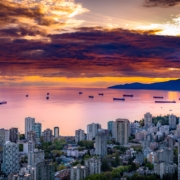
(Image Credit: James Park, Unsplash)
October 14, 2021/by IndigenousClimateHub
Tags: Blue Carbon, Carbon, Carbon Sinks, Coastal Ecosystems, Coastal Wetlands, Policy, UNFCC, United Nations Framework Convention on Climate Change
Share this entry
  • Share on Facebook
  • Share on X
  • Share on WhatsApp
  • Share on Pinterest
  • Share on LinkedIn
  • Share on Tumblr
  • Share on Reddit
  • Share by Mail
https://indigenousclimatehub.ca/wp-content/uploads/2021/10/james-park-unsplash.jpg 1000 1500 IndigenousClimateHub https://indigenousclimatehub.ca/wp-content/uploads/2020/10/logo-horiz-clr-01-small-300x88.png IndigenousClimateHub2021-10-14 23:14:172021-10-14 23:22:59Protecting coastal ecosystems, the world’s blue carbon sink
You might also like
Annie Spratt Promoting Gender-Responsive Budgeting for Climate Action and Social Change
The United Nations SDG 13: Meeting the Global Challenge of Climate Action
Radoslav Bali, Unsplash Indigenous Local Knowledge (ILK): Vital to climate change adaptation and globally under threat
Markus Spiske, Unsplash Indigenous Land-based Learning: A Way to Take Action on Climate Change
What Does UNDRIP Have to Do With Environmental Protection in Canada?
Planning for Climate Change in Canadian Municipalities
X Logo X Logo Followon X RSS Feed Logo RSS Feed Logo Subscribeto RSS Feed

Subscribe to Our Blog

This field is required.

Check your inbox or spam folder to confirm your subscription.

Recent Posts

  • Water Is a Relative, Not a Resource
  • The River Is Telling Us Something: Indigenous-Led Water Monitoring as Canada’s Climate Early Warning System
  • Night Skies and Shifting Stars: How Indigenous Celestial Knowledge Tracks a Changing Climate
  • From Ownership to Relationship: Reclaiming Our Responsibilities to Land
  • Human Foolishness in Floodplains

Archives

  • June 2026
  • May 2026
  • April 2026
  • March 2026
  • February 2026
  • January 2026
  • December 2025
  • November 2025
  • October 2025
  • September 2025
  • August 2025
  • July 2025
  • June 2025
  • May 2025
  • April 2025
  • March 2025
  • February 2025
  • January 2025
  • December 2024
  • November 2024
  • October 2024
  • September 2024
  • August 2024
  • July 2024
  • June 2024
  • May 2024
  • April 2024
  • March 2024
  • February 2024
  • January 2024
  • December 2023
  • November 2023
  • October 2023
  • September 2023
  • August 2023
  • July 2023
  • June 2023
  • May 2023
  • April 2023
  • March 2023
  • February 2023
  • January 2023
  • December 2022
  • November 2022
  • October 2022
  • September 2022
  • August 2022
  • July 2022
  • June 2022
  • May 2022
  • April 2022
  • March 2022
  • February 2022
  • January 2022
  • December 2021
  • November 2021
  • October 2021
  • September 2021
  • August 2021
  • July 2021
  • June 2021
  • May 2021
  • April 2021
  • March 2021
  • February 2021
  • January 2021
  • December 2020
  • November 2020
  • October 2020
  • September 2020
  • August 2020
  • July 2020
  • June 2020
  • February 2020
  • October 2019
  • August 2019
  • July 2019
  • June 2019
  • May 2019
  • April 2019
  • March 2019

Categories

  • Adaptation
  • Alberta
  • Announcements
  • Arctic
  • Atlantic/NB
  • Awards
  • Blog
  • British Columbia
  • Climate Change
  • Climate Change Adaptation
  • Climate Change Education
  • Climate Change News
  • Climate Change Project
  • Climate Crisis
  • Climate Monitoring
  • Community Engagement
  • Community-Based Environmental Monitoring
  • Documentaries
  • Documentary
  • Events
  • Flooding
  • Food
  • Food Security
  • Food Sovereignty
  • Forest Fires
  • Funding Opportunity
  • ICCAG 2019
  • Indigenous Perspectives
  • Manitoba
  • Media
  • Métis
  • Métis Settlement
  • News
  • Op-Ed
  • Quebec
  • Saskatchewan
  • Technology
  • Video
  • Water
  • Webinars

Tags

Alberta Arctic Arctic Resilience Forum British Columbia Carbon Sequestration Caribou Caribou Recovery CIRNAC Climate Adaptation Climate Change Climate Change Adaptation Climate Resilience Community Engagement Education Environmental Stewardship Environment and Climate Change Canada (ECCC) First Nations Flooding Food Security Food Sovereignty Global Warming Indigenous Indigenous Guardians Toolkit Indigenous Knowledge Indigenous Stewardship Infrastructure Inuit landscape Mental Health Paris Agreement Policy Renewable Energy Research Resilience Science Traditional Ecological Knowledge Traditional Ecological Knowledge (TEK) Traditional Knowledge UNDRIP United Nations United Nations (UN) Webinar Wildfires WWF-Canada Youth
Contact

About Us

The Indigenous Climate Hub is a unique online community of Indigenous climate change leaders that have come together to share their stories and climate change adaptation experiences. The website is the result of the recommendations brought forward by Indigenous peoples at the Indigenous Climate Change Adaptation Gathering in 2018.

Indigenous Climate Hub Podcast

Be a part of the Indigenous Climate Hub Podcast. We are looking for unique perspectives and experiences in environmental stewardship, Indigenous ecological and traditional knowledge, and resource management offer valuable knowledge and teachings that can benefit Indigenous communities across Turtle Island and beyond.

Indigenous-led Initiatives

Are you a program or organization that funds or supports Indigenous Peoples  working on climate change initiatives?  If you would like to provide information to potential recipients here, please reach out to Okwaho so that we can work with you to highlight your program.

© Copyright - Indigenous Climate Hub, 2025-2026
  • Terms of Service
  • Privacy Policy
Link to: Change is Constant Link to: Change is Constant Change is ConstantTawny Stowe Link to: Indigenous water rights and climate change Link to: Indigenous water rights and climate change Indigenous water rights and climate change
Scroll to top Scroll to top Scroll to top