• Link to X
  • Link to Facebook
  • Link to Instagram
  • Link to Rss this site
Indigenous Climate Hub
  • Home
    • About Us
  • Climate Action Programs
    • First Nation Adapt Program
      • Indigenous Climate Change Adaptation Gatherings
    • Indigenous Community-Based Climate Monitoring Program
    • Climate Change and Health Adaptation Program
    • Climate Change Preparedness in the North
    • Environment and Climate Change Canada
  • Funding
  • Resources
    • Climate Change Directory
    • Resource Library
    • Community Adaptation Projects
  • Events
  • Podcast
  • Blog
  • Contact/FAQs
  • Click to open the search input field Click to open the search input field Search
  • Menu Menu

The Urgency of the Climate Crisis
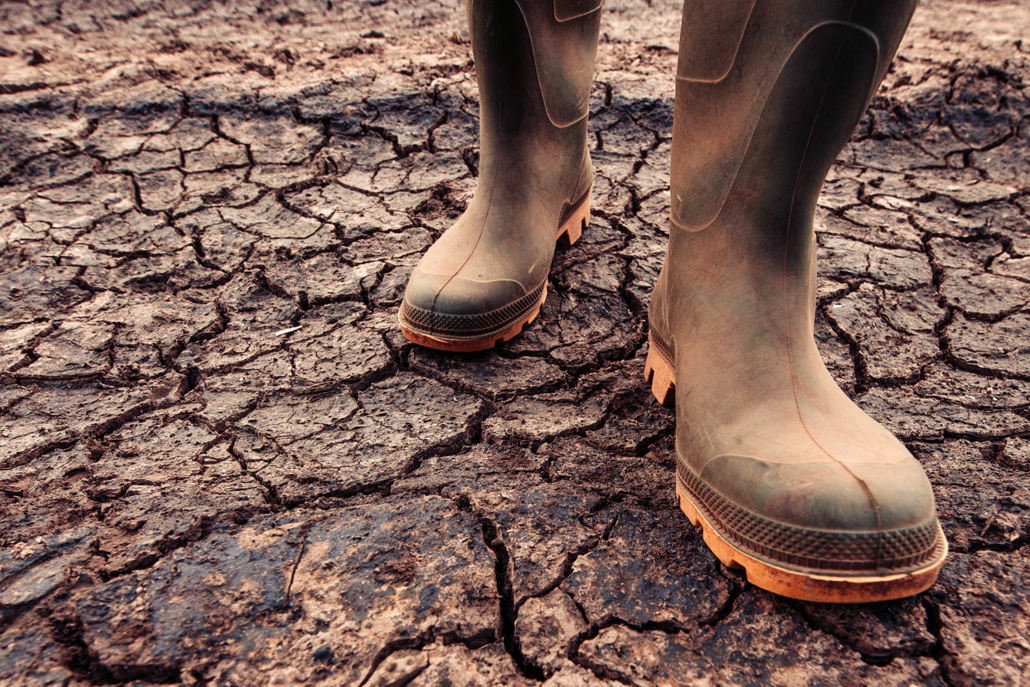
Climate Crisis
Envato Elements (Licensed)

Globally, we have been discussing the effects of a changing climate for quite some time.  However, it has been only recently that these discussions have widely acknowledged the urgency of this change- an urgency that acutely reflects the experiences of many First Nations communities.  This acknowledgement is represented by the very words we use to talk about our planet’s climatic situation.

Following the Paris Agreement discussions of 2015, many have adopted the term “climate crisis”, when referring to the extreme shifts in our global climate.  Terms previously used for these shifts included “climate change” and “global warming”.  This progression in terminology reflects our evolving understanding of the environmental situation our planet has ben put in.  Interestingly, it also shows a transformation in our understanding of how people respond to the situation, depending on the labels we use to talk about it.

Through to the mid-2000s, “global warming” was the term widely used when referring to our changing climate.  Slowly though, many began to realize that the term “global warming” not only falsely represented the true complexity of the issue we were creating, but that a slightly warmer planet even sounded appealing to some.  And so came our use of the term “climate change”.

While “climate change” succeeded in acknowledging the complexity of this phenomenon, and is still the most accepted term used today, it has proven unable to captivate the majority of people into taking meaningful climate action.  It dampens the message of urgency that the world needs to hear, leading to the acceptance of these changes as a fact, rather than a fault.  Instead, we need words that instil meaningful action.  We need words that convey urgency.

For the first time, we have a label that now directly reflects the realities faced by many communities around the world, as the planet struggles to keep up with the lifestyles of many humans.  The “climate crisis”.  First Nations communities in Canada are among the many able to articulate this crisis experience.

In the past few years alone, the increase in extreme weather events, including forest fires, flooding, and higher annual temperatures have been notable.  Habitats and wildlife are being lost.  Lifestyles are being threatened.  First Nations communities are often the first to feel these changes, through effects including the loss of traditional means of gathering food, reduced access to winter roads, and the destruction of traditional revenue sources.

This coming week, leaders from various First Nations communities will be gathering in Ottawa for the 2019 Indigenous Climate Adaptation Gathering.  They will be discussing their current and future experiences with the climate crisis, some of which will be shared across communities, others of which will be unique.

Just as the statistical reports of scientists have shown us around the world, the lived experiences of First Nations communities prove that we can no longer passively hope that our planet will be okay.  Instead, we must act on creating meaningful change, and we must encourage the development of realistic adaptation plans for the communities most vulnerable to these changes.


(Author Credit: Charlotte Corelli)
March 11, 2019/by IndigenousClimateHub
Tags: Climate Change, Climate Crisis, Flooding, Forest Fires, Global Warming, Winter Roads
Share this entry
  • Share on Facebook
  • Share on X
  • Share on WhatsApp
  • Share on Pinterest
  • Share on LinkedIn
  • Share on Tumblr
  • Share on Reddit
  • Share by Mail
https://indigenousclimatehub.ca/wp-content/uploads/2019/05/farmer-in-rubber-boots-standing-on-dry-soil-ZW42BYM_compressed.jpg 1001 1500 IndigenousClimateHub https://indigenousclimatehub.ca/wp-content/uploads/2020/10/logo-horiz-clr-01-small-300x88.png IndigenousClimateHub2019-03-11 17:06:272019-05-11 17:52:12The Urgency of the Climate Crisis
You might also like
Wild fires The Changing Regime of Wildfires
Adapting to Sea Level Rise – Indian Island, New Brunswick (Video)
Installation of north end weather monitorGift Lake Métis Settlement Education Through Interaction: A Community-Based Approach to Environmental Monitoring and Climate Change
Climate Change Adaptation in Kanaka Bar
Casey Horner, Unsplash Reflecting on the Future: The Importance of Generational Stewardship in Combating Climate Change
Image Credit: Dustin Bowdige, Unsplash Night Skies and Shifting Stars: How Indigenous Celestial Knowledge Tracks a Changing Climate
X Logo X Logo Followon X RSS Feed Logo RSS Feed Logo Subscribeto RSS Feed

Subscribe to Our Blog

This field is required.

Check your inbox or spam folder to confirm your subscription.

Recent Posts

  • Water Is a Relative, Not a Resource
  • The River Is Telling Us Something: Indigenous-Led Water Monitoring as Canada’s Climate Early Warning System
  • Night Skies and Shifting Stars: How Indigenous Celestial Knowledge Tracks a Changing Climate
  • From Ownership to Relationship: Reclaiming Our Responsibilities to Land
  • Human Foolishness in Floodplains

Archives

  • June 2026
  • May 2026
  • April 2026
  • March 2026
  • February 2026
  • January 2026
  • December 2025
  • November 2025
  • October 2025
  • September 2025
  • August 2025
  • July 2025
  • June 2025
  • May 2025
  • April 2025
  • March 2025
  • February 2025
  • January 2025
  • December 2024
  • November 2024
  • October 2024
  • September 2024
  • August 2024
  • July 2024
  • June 2024
  • May 2024
  • April 2024
  • March 2024
  • February 2024
  • January 2024
  • December 2023
  • November 2023
  • October 2023
  • September 2023
  • August 2023
  • July 2023
  • June 2023
  • May 2023
  • April 2023
  • March 2023
  • February 2023
  • January 2023
  • December 2022
  • November 2022
  • October 2022
  • September 2022
  • August 2022
  • July 2022
  • June 2022
  • May 2022
  • April 2022
  • March 2022
  • February 2022
  • January 2022
  • December 2021
  • November 2021
  • October 2021
  • September 2021
  • August 2021
  • July 2021
  • June 2021
  • May 2021
  • April 2021
  • March 2021
  • February 2021
  • January 2021
  • December 2020
  • November 2020
  • October 2020
  • September 2020
  • August 2020
  • July 2020
  • June 2020
  • February 2020
  • October 2019
  • August 2019
  • July 2019
  • June 2019
  • May 2019
  • April 2019
  • March 2019

Categories

  • Adaptation
  • Alberta
  • Announcements
  • Arctic
  • Atlantic/NB
  • Awards
  • Blog
  • British Columbia
  • Climate Change
  • Climate Change Adaptation
  • Climate Change Education
  • Climate Change News
  • Climate Change Project
  • Climate Crisis
  • Climate Monitoring
  • Community Engagement
  • Community-Based Environmental Monitoring
  • Documentaries
  • Documentary
  • Events
  • Flooding
  • Food
  • Food Security
  • Food Sovereignty
  • Forest Fires
  • Funding Opportunity
  • ICCAG 2019
  • Indigenous Perspectives
  • Manitoba
  • Media
  • Métis
  • Métis Settlement
  • News
  • Op-Ed
  • Quebec
  • Saskatchewan
  • Technology
  • Video
  • Water
  • Webinars

Tags

Alberta Arctic Arctic Resilience Forum British Columbia Carbon Sequestration Caribou Caribou Recovery CIRNAC Climate Adaptation Climate Change Climate Change Adaptation Climate Resilience Community Engagement Education Environmental Stewardship Environment and Climate Change Canada (ECCC) First Nations Flooding Food Security Food Sovereignty Global Warming Indigenous Indigenous Guardians Toolkit Indigenous Knowledge Indigenous Stewardship Infrastructure Inuit landscape Mental Health Paris Agreement Policy Renewable Energy Research Resilience Science Traditional Ecological Knowledge Traditional Ecological Knowledge (TEK) Traditional Knowledge UNDRIP United Nations United Nations (UN) Webinar Wildfires WWF-Canada Youth
Contact

About Us

The Indigenous Climate Hub is a unique online community of Indigenous climate change leaders that have come together to share their stories and climate change adaptation experiences. The website is the result of the recommendations brought forward by Indigenous peoples at the Indigenous Climate Change Adaptation Gathering in 2018.

Indigenous Climate Hub Podcast

Be a part of the Indigenous Climate Hub Podcast. We are looking for unique perspectives and experiences in environmental stewardship, Indigenous ecological and traditional knowledge, and resource management offer valuable knowledge and teachings that can benefit Indigenous communities across Turtle Island and beyond.

Indigenous-led Initiatives

Are you a program or organization that funds or supports Indigenous Peoples  working on climate change initiatives?  If you would like to provide information to potential recipients here, please reach out to Okwaho so that we can work with you to highlight your program.

© Copyright - Indigenous Climate Hub, 2025-2026
  • Terms of Service
  • Privacy Policy
Link to: Climate Change Adaptation vs. Mitigation Link to: Climate Change Adaptation vs. Mitigation Climate Change Adaptation vs. MitigationEnvato Elements (licensed) Link to: Eco-Cultural Approaches to Climate Change Adaptation (NRCan Webinar) Link to: Eco-Cultural Approaches to Climate Change Adaptation (NRCan Webinar) Unsplash (Licensed)Eco-Cultural Approaches to Climate Change Adaptation (NRCan Webinar)
Scroll to top Scroll to top Scroll to top