• Link to X
  • Link to Facebook
  • Link to Instagram
  • Link to Rss this site
Indigenous Climate Hub
  • Home
    • About Us
  • Climate Action Programs
    • First Nation Adapt Program
      • Indigenous Climate Change Adaptation Gatherings
    • Indigenous Community-Based Climate Monitoring Program
    • Climate Change and Health Adaptation Program
    • Climate Change Preparedness in the North
    • Environment and Climate Change Canada
  • Funding
  • Resources
    • Climate Change Directory
    • Resource Library
    • Community Adaptation Projects
  • Events
  • Podcast
  • Blog
  • Contact/FAQs
  • Click to open the search input field Click to open the search input field Search
  • Menu Menu

Education Through Interaction: A Community-Based Approach to Environmental Monitoring and Climate Change

Alberta, Climate Monitoring, Métis, Métis Settlement

Beginning in October of 2018, two members of the Gift Lake Métis Settlement began training as Environmental Monitors through a partnership between the Indigenous Community-Based Climate Monitoring Program and the Gift Lake Métis Settlement. Gift Lake is a small Métis community located roughly 400 km northwest of Edmonton, Alberta and sits in the heart of the boreal forest. It is surrounded by rich vegetation, forests and many water bodies left behind by ancient glacial meltdown. Once the Gift Lake Environmental Guardianship Program began, we focused on the primary concerns of the people within the community. This started with one-on-one interaction with elders through interviews and surveys filled with questions relating to the similarities and changes in the environment and climate of Gift Lake over the years. Through this communication it was clear what our goals would be: educating ourselves and the community, while maintaining a balance between a scientific approach to research and a sense of community through human interaction and methodology.

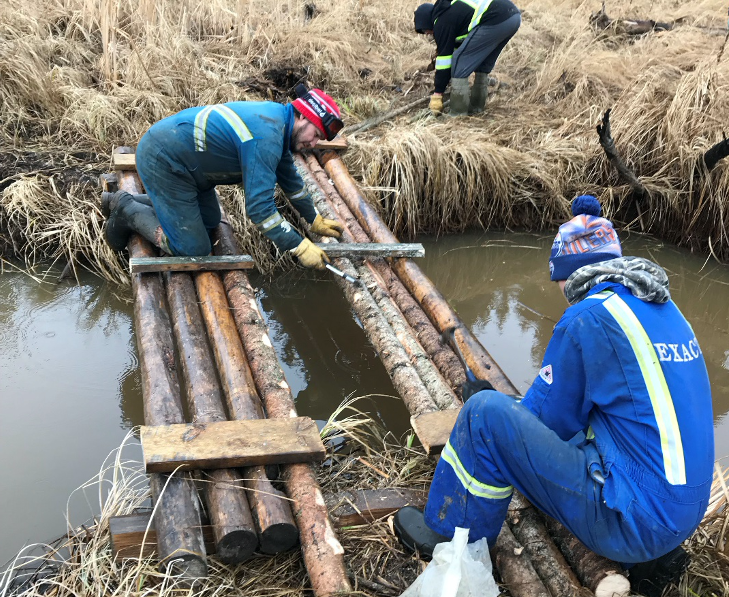
An elder in the community said, “nothing connects us more to our culture than the land.” She was right. Indigenous people have had a very close tie to the environment for millennia. Now we can tie culture, science and education to protect our culture through the protection of our invaluable environment. We immediately enrolled in Environmental Education programs and soon we were out in the field daily. Our efforts were split into 6 categories: air, weather, water, vegetation, traditional plants and wildlife while making sure to continually have an active presence and relationship with the community. Weather monitoring stations were installed on the north and south ends of the community and the data is collected daily in the effort to fill a data gap that has existed in the area until now. A water monitoring project was initiated through field level testing. Our main goal for the water monitoring efforts is to note any major or alarming trends that could affect quality of the water which would affect the quality of life for all living things. From our tests, three initiatives were born: bridge building for ATV stream crossings, ongoing lake sweeps for abandoned nets and waste, and the continual monitoring of the water levels in our three largest lakes.

On top of taking a scientific initiative to learn about the land and climate, we also wanted to bring awareness to the community. We have taken the opportunity to be part of land-based learning activities at the K-9 school through facilitating workshops on topics including dendrochronology, climate change, drone flying, rabbit snaring, traditional herbs and even gun safety. A High School in High Prairie, Alberta also invited us to speak to students and introduce the prospect of being employed in the environmental field. We would speak on issues regarding climate change and relate on a more personal level including our successes, struggles and overall experiences growing up in a small Indigenous community and moving into adulthood. In the spring of 2019 two high school students were hired as trainees and included in all our environmental, climate action and community engagement activities. We did this not only to teach, but to instill the importance of the environment by introducing them to the beauty of their surroundings and the amount of gratification and confidence that comes from protecting our lifeline. The youth have taken part in dendrochronology (tree aging), bridge building, water testing, weather monitoring, wildlife monitoring, well-site reclamation, tree planting, marking traditional herb GPS waypoints, facilitating a large cultural camp with 7 other communities and numerous community engagement events. They have also been given the opportunity to take part in community-based projects such as designing and building the community two new welcome signs, starting a community garden, building a children’s park and initiating a garbage clean-up with elementary school children; allowing them to play a mentorship role as well. Since returning to school both youths have contacted us expressing how much they loved the program and how they hope to come back next summer. This is the level of interest and environmental responsibility we wish to instill within the entire community.

The struggle to succeed does weigh heavy on us at times and we understand the differences in everyone’s views about climate change and environmental protection. We have seen failures, but they are over-shadowed by successes. Our environmental and climate change programs are only in their beginning stages and programs like this are extremely new to everyone around us. We welcome the challenge and treat our roles as a major responsibility to act as champions for the land. We believe there is only one possible way to achieve that: to be role models among the people.
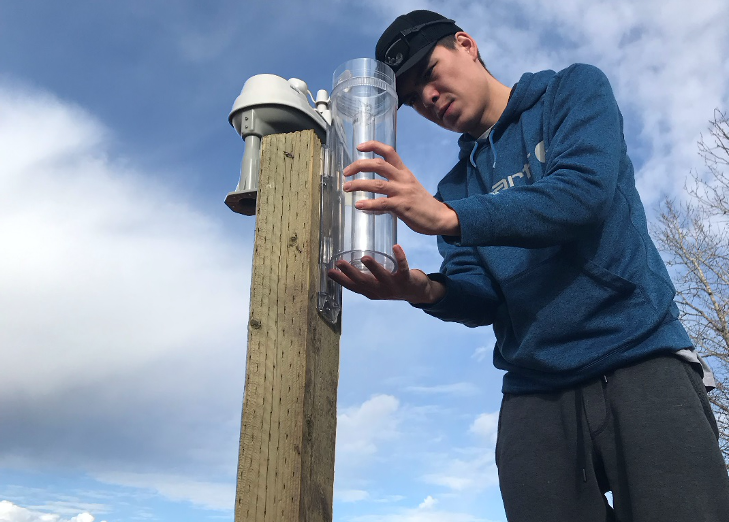
 

Installation of north end weather monitor
Installation of north end weather monitor


Building ATV crossing on a fish bearing stream
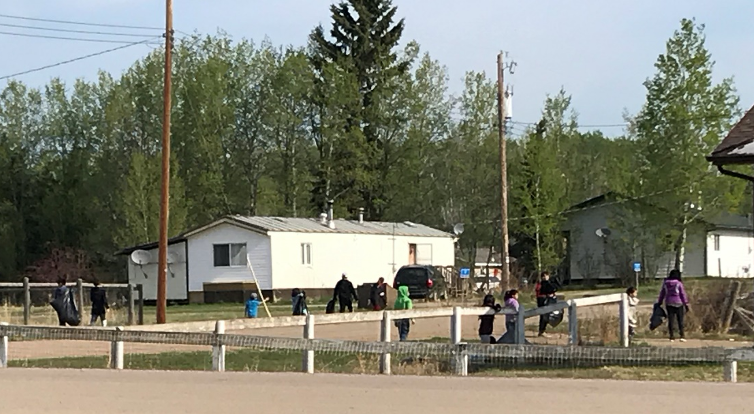
 

Community garbage clean-up
Community garbage clean-up


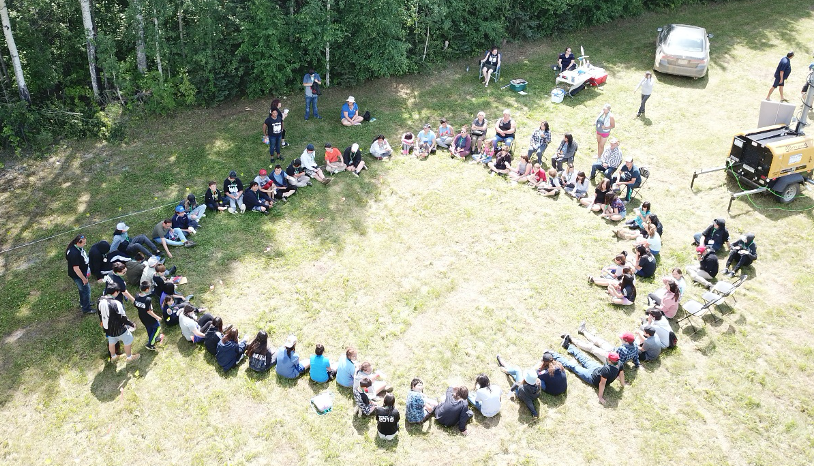
Climate change workshop during Gift Lake Culture Camp
Climate change workshop during Gift Lake Culture Camp


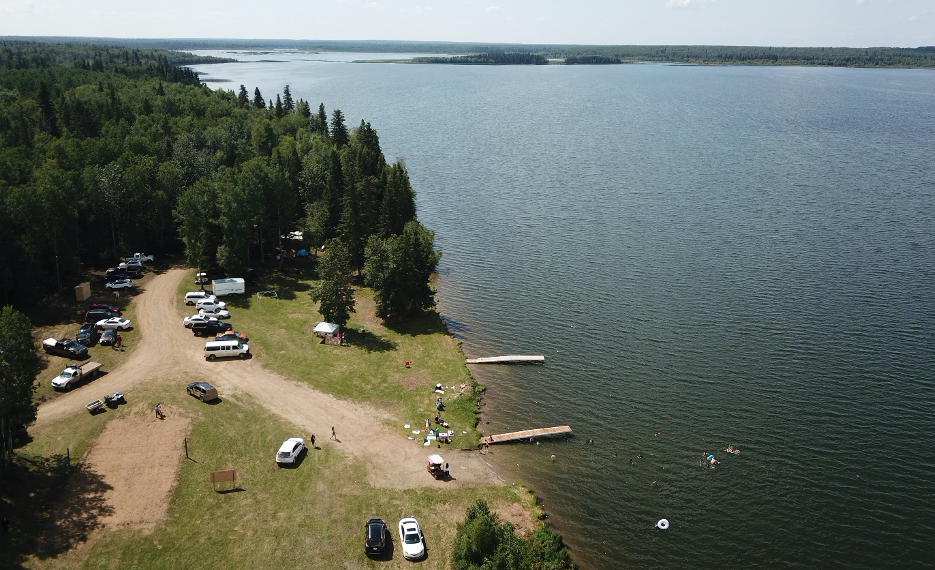
Gift Lake Culture Camp
Gift Lake Culture Camp


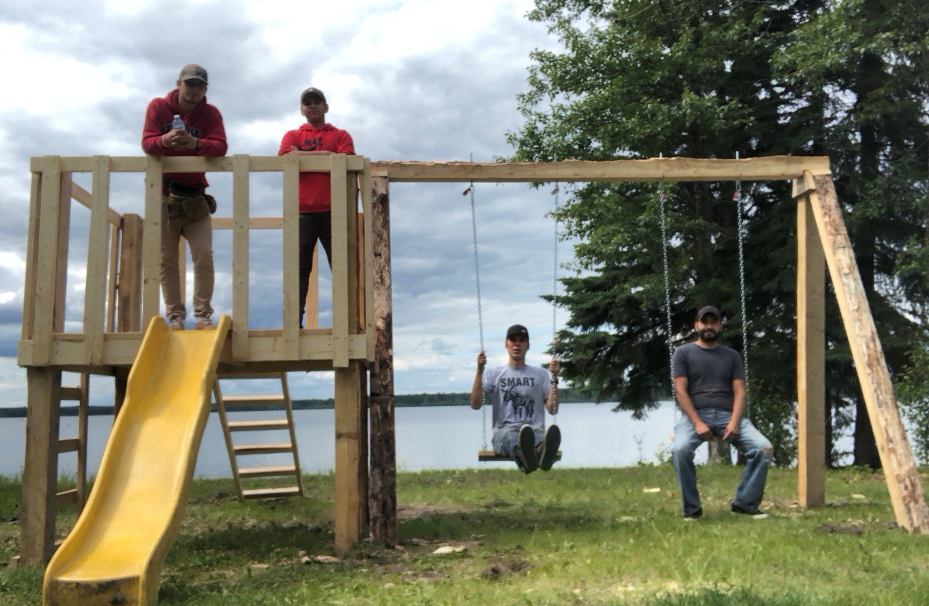
Youth trainees on left after completing the construction of a small playground
Youth trainees on left after completing the construction of a small playground


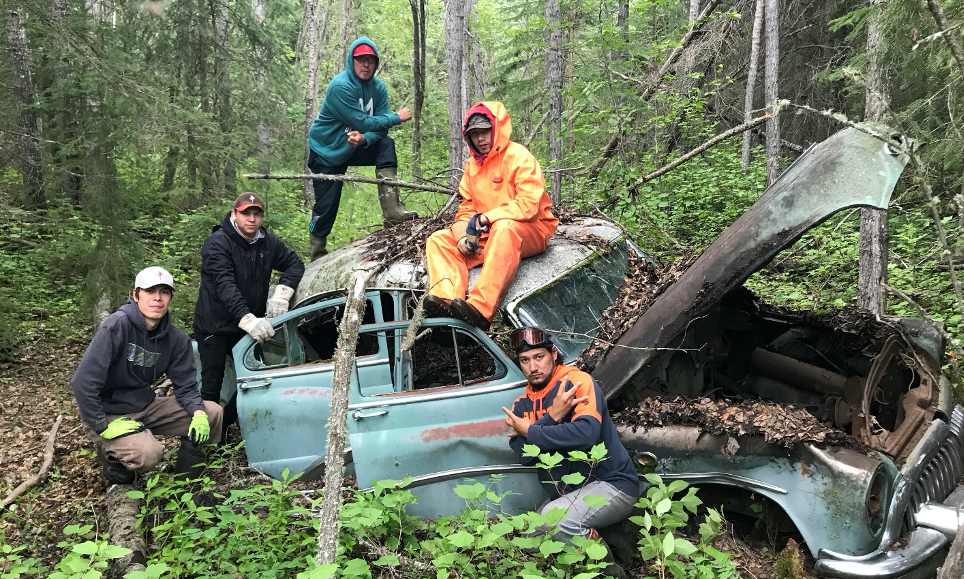
Youth trainees after finding a 1950 Buick Riviera while marking waypoints on historical trails
Youth trainees after finding a 1950 Buick Riviera while marking waypoints on historical trails


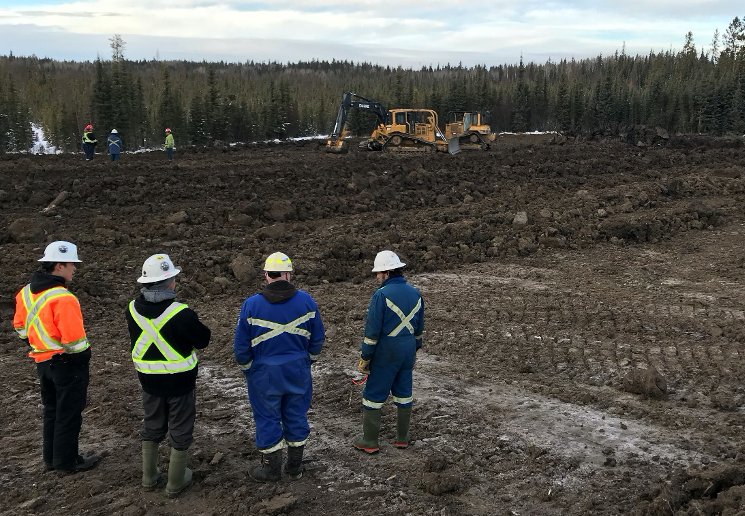
Mentorship during reclamation project on abandoned well-site
Mentorship during reclamation project on abandoned well-site


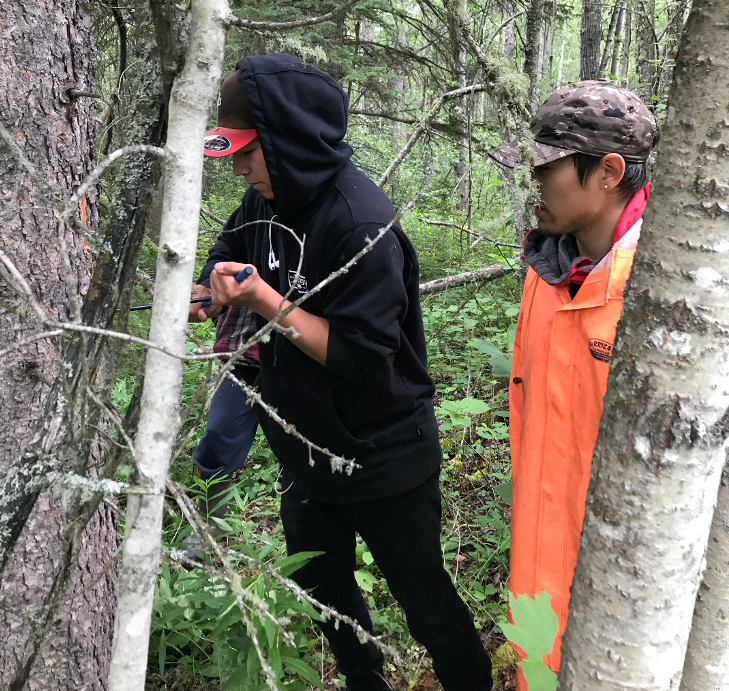
Youth use an increment borer to find the age of a tree
Youth use an increment borer to find the age of a tree


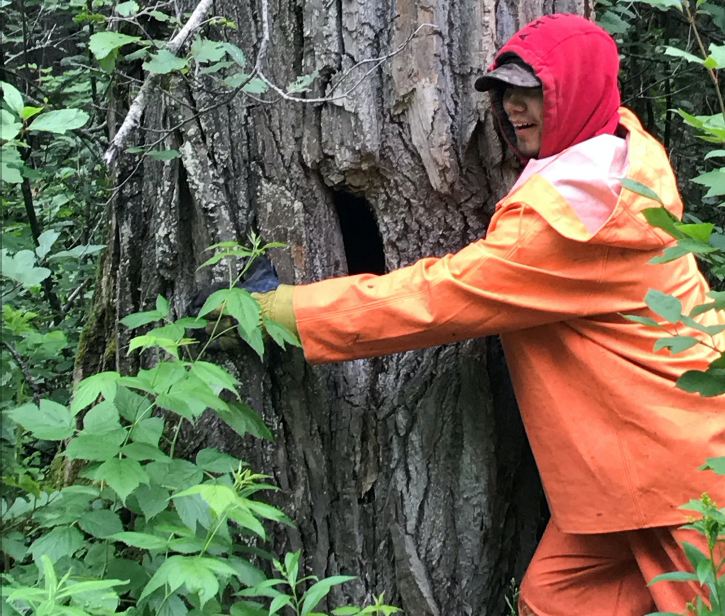
Youth expresses his love for a 150-year-old tree
Youth expresses his love for a 150-year-old tree


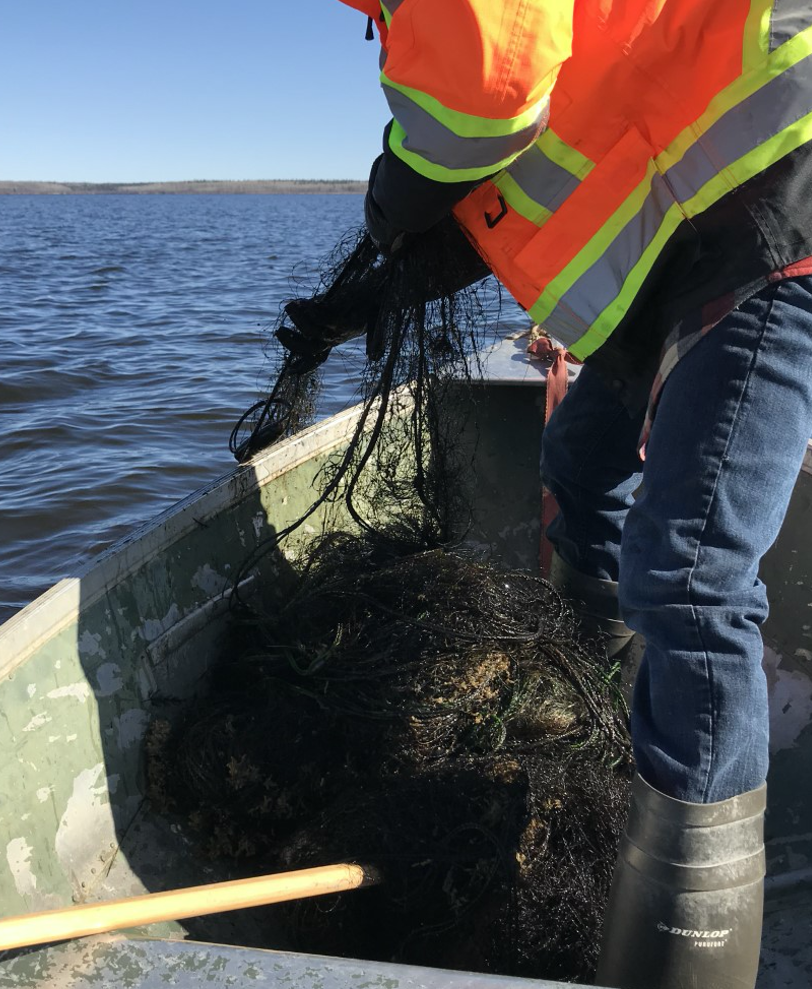
Youth pulls abandoned gill net from Utikumasis Lake during lake sweep
Youth pulls abandoned gill net from Utikumasis Lake during lake sweep


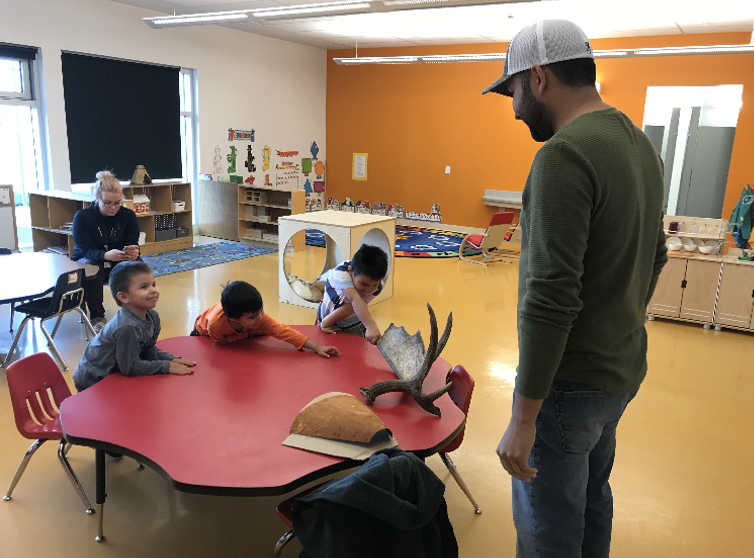
Pre-school session on the importance of moose. Included making birch bark callers
Pre-school session on the importance of moose. Included making birch bark callers


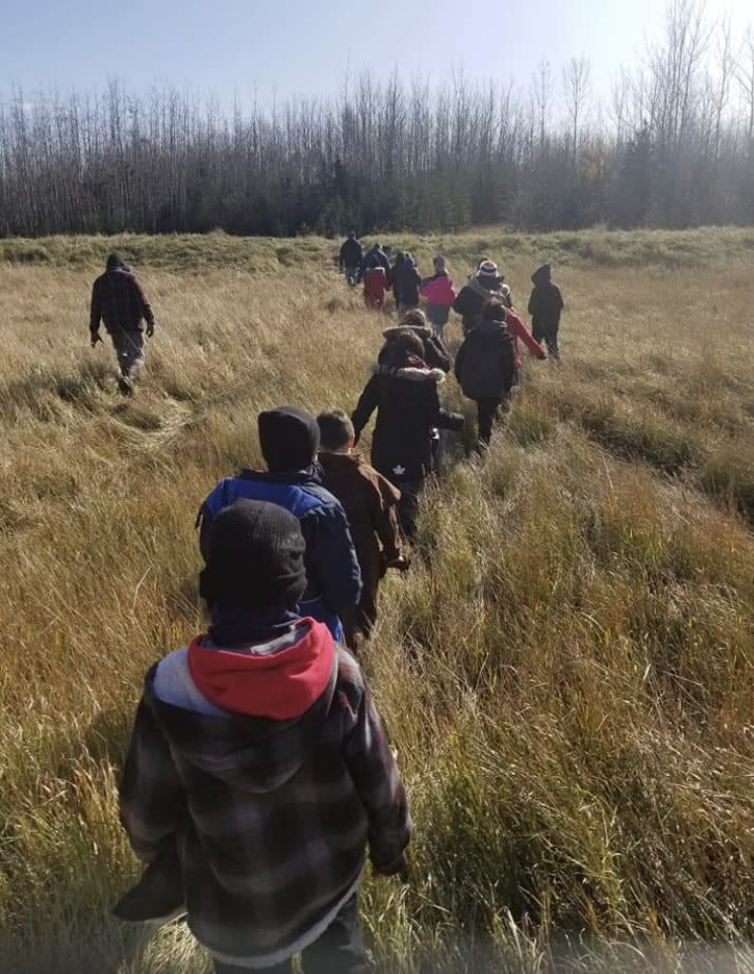
Grade 3 and 4 nature walk. Session on the role of rabbits in the environment and traditional snaring activity
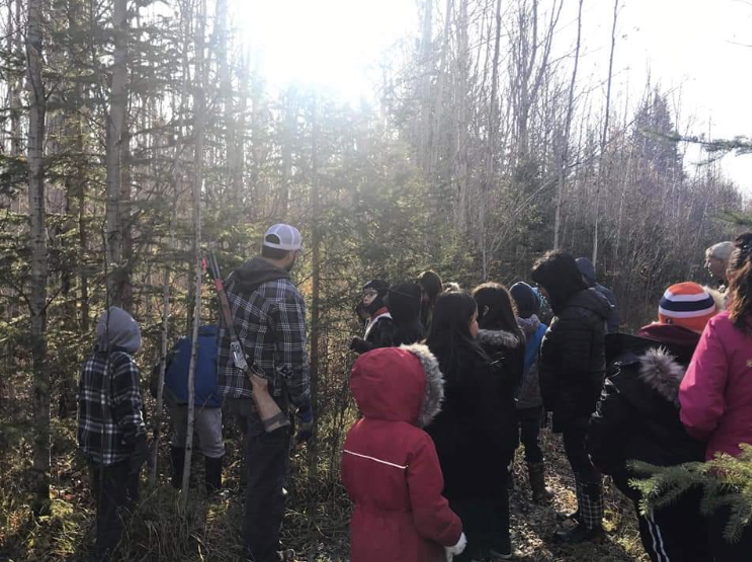
Grade 3 and 4 nature walk. Session on the role of rabbits in the environment and traditional snaring activity

Grade 3 and 4 nature walk with information session
Grade 3 and 4 nature walk with information session


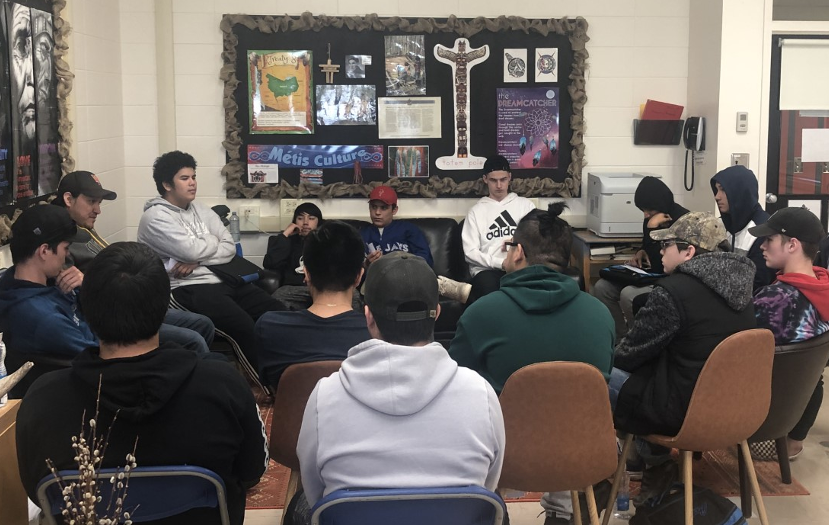
High School presentation and information session
High School presentation and information session


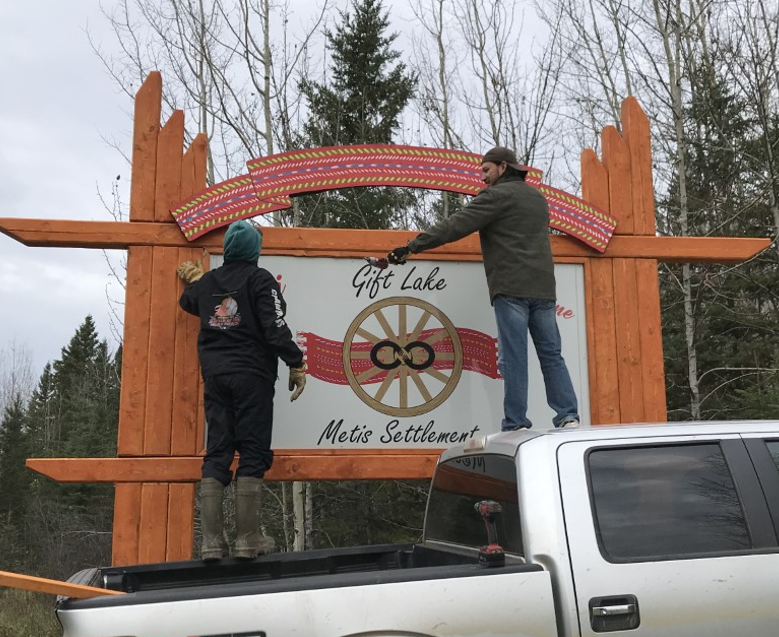
One of two signs designed and installed by Gift Lake Youth
One of two signs designed and installed by Gift Lake Youth


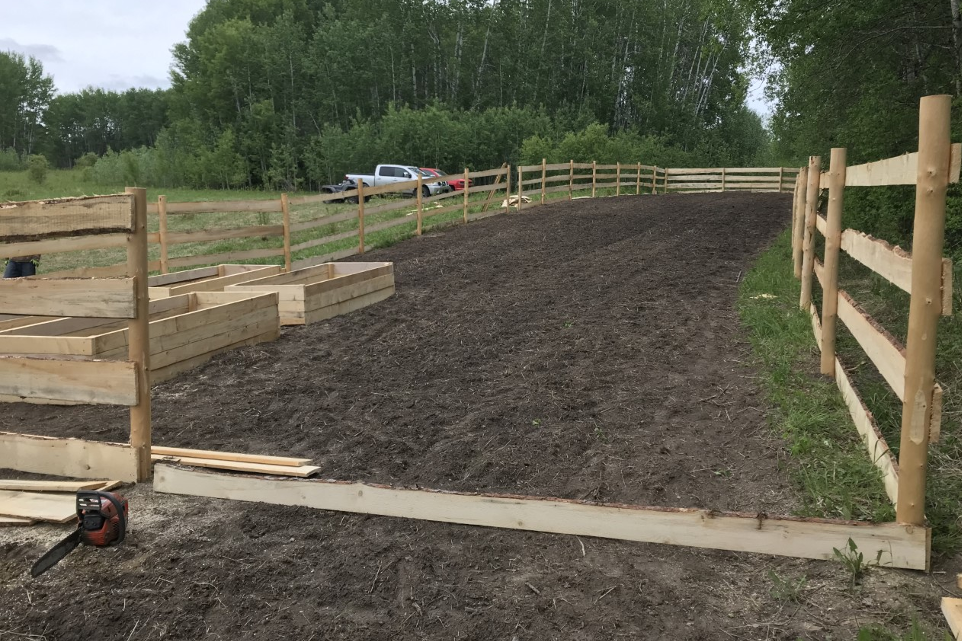
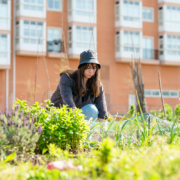
New community garden

New community garden


Author: Gift Lake Métis Settlement
February 10, 2020/by IndigenousClimateHub
Tags: Climate Change, Community Engagement, Community Garden, Cultural Camps, Dendrochronology, Education, Environmental Education programs, Environmental Monitoring, Gift Lake Environmental Guardianship Program, Gift Lake Métis Settlement, GPS, Indigenous, Indigenous Community-Based Climate Monitoring Program, Mentorship, Métis, Tree Planting, Water Testing, Weather Monitoring, Wildlife Monitoring, Youth
Share this entry
  • Share on Facebook
  • Share on X
  • Share on WhatsApp
  • Share on Pinterest
  • Share on LinkedIn
  • Share on Tumblr
  • Share on Reddit
  • Share by Mail
https://indigenousclimatehub.ca/wp-content/uploads/2020/02/Picture1.png 522 729 IndigenousClimateHub https://indigenousclimatehub.ca/wp-content/uploads/2020/10/logo-horiz-clr-01-small-300x88.png IndigenousClimateHub2020-02-10 16:32:092020-02-10 16:39:55Education Through Interaction: A Community-Based Approach to Environmental Monitoring and Climate Change
You might also like
Image Credit-Yunus Tug-Unsplash Water Is a Relative, Not a Resource
A.C., Unsplash+ Decolonizing Urban and Regional Planning: Haudenosaunee Knowledge, Stewardship, and Climate Adaptation
Markus Spiske, Unsplash Indigenous Land-based Learning: A Way to Take Action on Climate Change
Climate Change Adaptation in Kanaka Bar
Li An Lim The International Day of the World’s Indigenous Peoples 2023: Highlighting Youth and Climate Change
Tawny Stowe Change is Constant
X Logo X Logo Followon X RSS Feed Logo RSS Feed Logo Subscribeto RSS Feed

Subscribe to Our Blog

This field is required.

Check your inbox or spam folder to confirm your subscription.

Recent Posts

  • Water Is a Relative, Not a Resource
  • The River Is Telling Us Something: Indigenous-Led Water Monitoring as Canada’s Climate Early Warning System
  • Night Skies and Shifting Stars: How Indigenous Celestial Knowledge Tracks a Changing Climate
  • From Ownership to Relationship: Reclaiming Our Responsibilities to Land
  • Human Foolishness in Floodplains

Archives

  • June 2026
  • May 2026
  • April 2026
  • March 2026
  • February 2026
  • January 2026
  • December 2025
  • November 2025
  • October 2025
  • September 2025
  • August 2025
  • July 2025
  • June 2025
  • May 2025
  • April 2025
  • March 2025
  • February 2025
  • January 2025
  • December 2024
  • November 2024
  • October 2024
  • September 2024
  • August 2024
  • July 2024
  • June 2024
  • May 2024
  • April 2024
  • March 2024
  • February 2024
  • January 2024
  • December 2023
  • November 2023
  • October 2023
  • September 2023
  • August 2023
  • July 2023
  • June 2023
  • May 2023
  • April 2023
  • March 2023
  • February 2023
  • January 2023
  • December 2022
  • November 2022
  • October 2022
  • September 2022
  • August 2022
  • July 2022
  • June 2022
  • May 2022
  • April 2022
  • March 2022
  • February 2022
  • January 2022
  • December 2021
  • November 2021
  • October 2021
  • September 2021
  • August 2021
  • July 2021
  • June 2021
  • May 2021
  • April 2021
  • March 2021
  • February 2021
  • January 2021
  • December 2020
  • November 2020
  • October 2020
  • September 2020
  • August 2020
  • July 2020
  • June 2020
  • February 2020
  • October 2019
  • August 2019
  • July 2019
  • June 2019
  • May 2019
  • April 2019
  • March 2019

Categories

  • Adaptation
  • Alberta
  • Announcements
  • Arctic
  • Atlantic/NB
  • Awards
  • Blog
  • British Columbia
  • Climate Change
  • Climate Change Adaptation
  • Climate Change Education
  • Climate Change News
  • Climate Change Project
  • Climate Crisis
  • Climate Monitoring
  • Community Engagement
  • Community-Based Environmental Monitoring
  • Documentaries
  • Documentary
  • Events
  • Flooding
  • Food
  • Food Security
  • Food Sovereignty
  • Forest Fires
  • Funding Opportunity
  • ICCAG 2019
  • Indigenous Perspectives
  • Manitoba
  • Media
  • Métis
  • Métis Settlement
  • News
  • Op-Ed
  • Quebec
  • Saskatchewan
  • Technology
  • Video
  • Water
  • Webinars

Tags

Alberta Arctic Arctic Resilience Forum British Columbia Carbon Sequestration Caribou Caribou Recovery CIRNAC Climate Adaptation Climate Change Climate Change Adaptation Climate Resilience Community Engagement Education Environmental Stewardship Environment and Climate Change Canada (ECCC) First Nations Flooding Food Security Food Sovereignty Global Warming Indigenous Indigenous Guardians Toolkit Indigenous Knowledge Indigenous Stewardship Infrastructure Inuit landscape Mental Health Paris Agreement Policy Renewable Energy Research Resilience Science Traditional Ecological Knowledge Traditional Ecological Knowledge (TEK) Traditional Knowledge UNDRIP United Nations United Nations (UN) Webinar Wildfires WWF-Canada Youth
Contact

About Us

The Indigenous Climate Hub is a unique online community of Indigenous climate change leaders that have come together to share their stories and climate change adaptation experiences. The website is the result of the recommendations brought forward by Indigenous peoples at the Indigenous Climate Change Adaptation Gathering in 2018.

Indigenous Climate Hub Podcast

Be a part of the Indigenous Climate Hub Podcast. We are looking for unique perspectives and experiences in environmental stewardship, Indigenous ecological and traditional knowledge, and resource management offer valuable knowledge and teachings that can benefit Indigenous communities across Turtle Island and beyond.

Indigenous-led Initiatives

Are you a program or organization that funds or supports Indigenous Peoples  working on climate change initiatives?  If you would like to provide information to potential recipients here, please reach out to Okwaho so that we can work with you to highlight your program.

© Copyright - Indigenous Climate Hub, 2025-2026
  • Terms of Service
  • Privacy Policy
Link to: Plants to Limit Coastal Erosion in Ekuanitshit Link to: Plants to Limit Coastal Erosion in Ekuanitshit Plants to Limit Coastal Erosion in Ekuanitshit Link to: Do you have an Indigenous climate action story to share? We’d love to hear from you! Link to: Do you have an Indigenous climate action story to share? We’d love to hear from you! Do you have an Indigenous climate action story to share? We’d love to...
Scroll to top Scroll to top Scroll to top