
Connecting Stewardship to Climate Adaptation and Resiliency: A Bioregional Approach
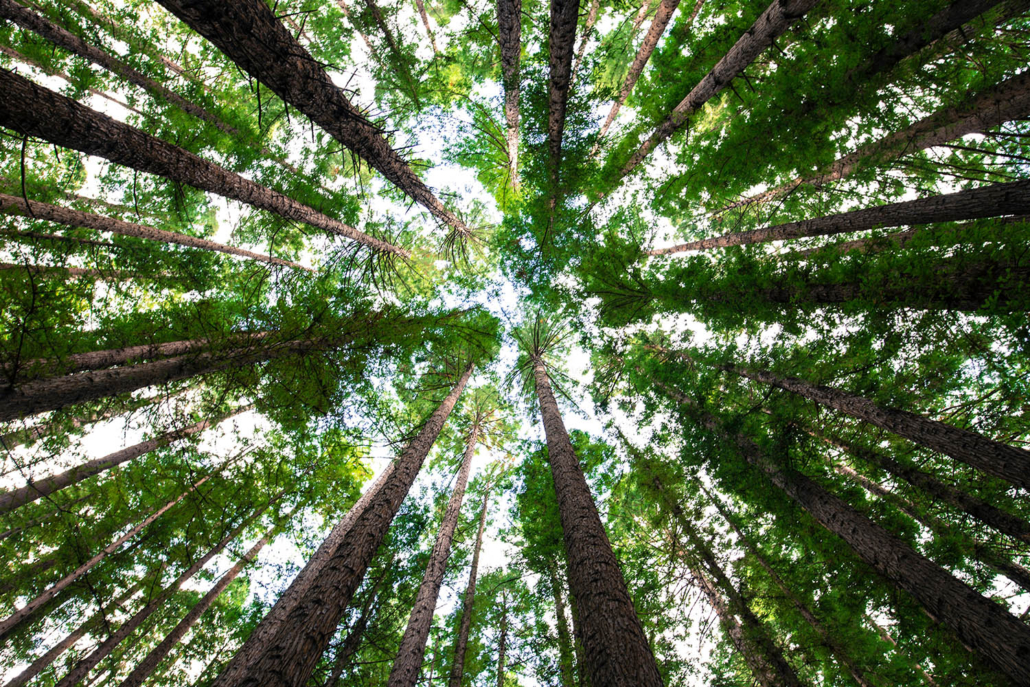 Arnaud Measureur, Unsplash
A quick search of terms like stewardship, climate adaptation, and climate resiliency yields a wealth of information. Yet, so much remains disconnected from the more profound human responsibility of protecting and nurturing the spaces we call home. These spaces—our homelands or homescapes—are not just abstract environmental concepts; they define our identity, relationships, and responsibilities to the world around us. They are shaped and sustained through the ecological knowledge and stewardship practices of those who inhabit them. And yet, a critical question arises: How do we, as human beings, truly honour and protect the sacred—the life we live, the land that sustains us, and the interdependent ecosystems that define our very existence?
Too often, humanity perceives climate as a background force, something we attempt to control rather than something we must adapt to. The imbalance we now face—climate change, biodiversity loss, soil degradation—stems from a fundamental misunderstanding: nature does not depend on us; instead, we rely on nature. The climate is not ours to dictate; it follows its natural laws, sustaining life for millions of years before human intervention. So where does this disconnect between people, environment, and climate originate? The answer, in part, lies in the absence of grounded ecological knowledge in our education systems.
Bioregionalism: Grounding Learning in Space and Place
Bioregionalism is a vital concept in addressing this disconnect—a way of understanding the world through ecological and cultural relationships within a given region. Bioregionalism teaches us to see land, water, plants, and animals not as separate entities but as interwoven elements of a living system, where human and non-human lives are interconnected. This framework shifts the focus from political boundaries to natural ones, encouraging stewardship practices that align with the unique characteristics of each region.
Bioregionalism, at its core, is about living in accordance with a place’s natural rhythms. It is about recognizing that every region has its ecological wisdom stored within the landscapes and carried forward by the people who have lived in harmony with it for generations. By integrating bioregional thinking into education, we can teach students to read the land, understand the waters, and observe the interdependence of life forms within their local environments.
Education as a Pathway to Ecological Literacy
Imagine an education system where learning extends beyond textbooks and classrooms, where students are introduced to the knowledge systems embedded in the life of plants, animals, and ecosystems. What if science classes involved studying the wisdom of the forests—learning how trees communicate, how soil regenerates, and how plant and animal communities sustain each other? What if geography lessons were rooted in the concept of homescapes, teaching students to see the land not just as a resource but as a living entity with agency and autonomy?
This is not a radical idea; it is an ancient one. Indigenous knowledge systems have long recognized the agency of nature, acknowledging that every tree, plant, and animal is part of a vast and intricate network of reciprocal relationships. The idea of stewardship is not about controlling nature but respecting it and understanding that every action has consequences that ripple through the ecosystem.
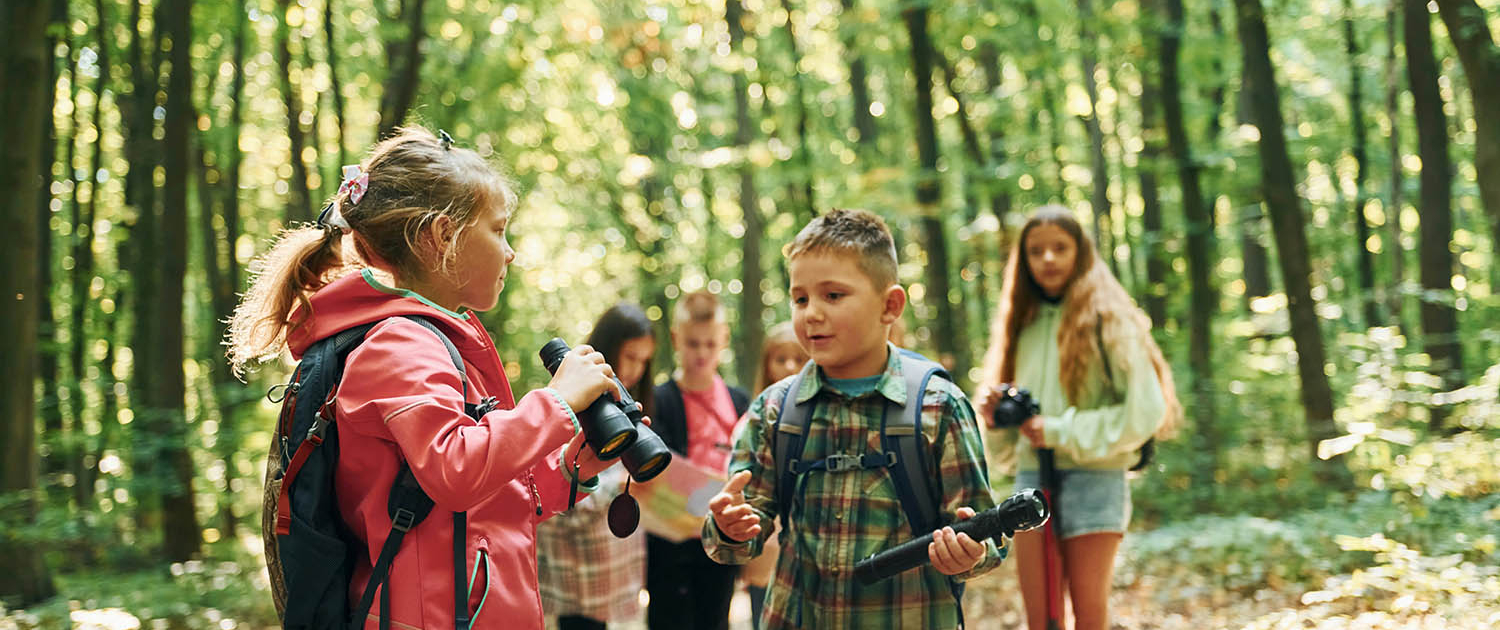
Source: Getty Images (Licenced, Unsplash+)
A Call to Action: Integrating Stewardship in Everyday Learning
To address climate change and environmental degradation, we must move beyond temporary solutions—tree-planting initiatives, carbon offsets, and green technologies—toward a fundamental shift in how we relate to the Earth. That shift begins with education. Stewardship must be embedded in early childhood education and carried through to post-secondary learning.
We must cultivate an education system that teaches children to observe the land with curiosity and care. Instead of asking, “How can we use this forest?” we should ask, “How does this forest sustain itself, and what role do we play in its survival?” Rather than teaching sustainability as a separate discipline, we should weave it into every subject—science, mathematics, history, and the arts—ensuring that students understand the ecological and cultural context.
Reconciliation with the Land: A Future Rooted in Resilience
As humanity faces the irreversible effects of climate change—rising sea levels, extreme weather patterns, ecosystem collapse—the urgency of reconciling our relationship with the land has never been greater. While some environmental changes may no longer be reversible, our approach to the future can be transformed. The path forward is not simply about mitigating damage; it is about reconstituting and reconciling our environment to restore balance.
This means supporting regenerative agriculture, restoring degraded landscapes, and fostering a profound cultural shift toward bioregional stewardship. It means moving away from extractive economies and toward caretaking economies, where the land is not seen as a commodity but as a community to which we belong.
By embracing bioregionalism, we shift our mindset from exploitation to reciprocity, from short-term gains to long-term resilience. When we look down at the soil rather than up at the sky for solutions, we begin to understand that climate adaptation is not about technological fixes but about reconnecting with the original knowledge systems that have always existed—knowledge that reminds us that the Earth does not belong to us; we belong to the Earth.
A Future Where Life Thrives, Not Just Survives
The urgency of climate change calls for more than reactive measures; it calls for a profound, structural transformation in how we live, learn, and govern our relationship with the land. Bioregionalism guides this transformation, grounding climate adaptation efforts in place-based knowledge and ecological wisdom. It reminds us that the solutions to climate change are not found in isolated policy decisions or technological interventions but in how we educate the next generation to see, respect, and care for the world around them.
Let’s take up the challenge of integrating ecological literacy and bioregional thinking into our education systems. We can create a future where humans act as stewards, not dominators—where forests, rivers, and lands are seen not as resources to be consumed but as relatives to be cared for.
This is not just an environmental imperative but a moral one; it is the work of our time and the legacy we will leave behind. Will we choose to thrive alongside the land, or will we merely fight to survive? The choice is ours, and the time to act is now.
– By Rye Karonhiowanen Barberstock
(Header Image Credit: Arnaud Measureur, Unsplash)
 ThisisEngineering, Licensed from Unsplash
 Tawny Stowe
 Image Credit: Dustin Bowdige, Unsplash
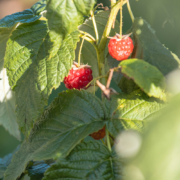 Christian Wiediger, Unsplash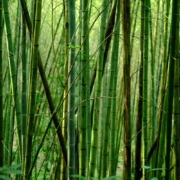

 Christian Wiediger, Unsplash
 A.C., Unsplash+