• Link to X
  • Link to Facebook
  • Link to Instagram
  • Link to Rss this site
Indigenous Climate Hub
  • Home
    • About Us
  • Climate Action Programs
    • First Nation Adapt Program
      • Indigenous Climate Change Adaptation Gatherings
    • Indigenous Community-Based Climate Monitoring Program
    • Climate Change and Health Adaptation Program
    • Climate Change Preparedness in the North
    • Environment and Climate Change Canada
  • Funding
  • Resources
    • Climate Change Directory
    • Resource Library
    • Community Adaptation Projects
  • Events
  • Podcast
  • Blog
  • Contact/FAQs
  • Click to open the search input field Click to open the search input field Search
  • Menu Menu

How Indigenous Knowledge Helps Manage Climate Change Effects On Human-Water Ecosystems

Blog, Climate Change

Outcomes of climate change on water include rising sea levels, warmer sea surface temperatures, and shifts in precipitation types, timing, and amounts. These outcomes have an impact on Indigenous Peoples’ relationship with water. Indigenous communities continue to draw from Traditional Ecological Knowledge (TEK) to maintain the overall vitality of human-water ecosystems in the context of climate change.

Sea surface temperatures have been increasing steadily throughout the 20th century and this trend continues. Changes in ocean temperature affect the ongoing presence of plants, fish life, and other animals. Increases in water temperature have also significantly altered the migration and breeding patterns of sea life, including shellfish. Another key impact is the presence and the frequency of the recurrence of “red tide,” a harmful algal bloom (HAB). Harmful algal blooms are toxic microscopic organisms (also known as cyanobacteria) that feed off the energy of light to grow; they are fatal to marine life, and can make humans sick.

The Southeast Alaska Tribal Ocean Research (SEATOR) network has been monitoring, sampling, and reporting on the levels of toxins among shellfish around the Alaskan Panhandle. SEATOR benefits from Indigenous Traditional Ecological Knowledge to help to predict harmful algal blooms (HAB), reduce poisoning, and harvest shellfish more effectively. Traditional harvesting practices of the Indigenous Peoples of Alaska help to keep Indigenous communities safe from the effects of HAB.

In another example of applying Indigenous Knowledge to manage human-water ecosystems, the Heiltsuk Nation (Bella Bella, British Columbia), on the West Coast of Canada, are applying traditional harvest practices, to facilitate the natural regeneration and resilience of kelp, at a small scale. With the assistance of researchers from the School of Resource and Environmental Management at Simon Fraser University, the Heiltsuk Nation are showing how their stewardship practices can help manage the growth of perennial kelp to make the kelp resilient to changes in the climate. University researchers were “motivated by the information needs” of the Heiltsuk Nation and together they co-designed a study to “measure the ecological resilience of feather boa kelp…and determine what environmental variables most affected its recovery.” The combination of Traditional Ecological Knowledge and Western scientific practices permitted the researchers to explore how the social relationship of the Heiltsuk Peoples to the ecological resilience of their environment are affected by increases in ocean temperatures.

Colonization compounds the effect of climate change (and vice-versa) on human-water ecosystem relationships. In Madagascar, for example, while rising sea levels have displaced Indigenous communities, conventionally, being nomadic, by choice, was also a way for Indigenous Peoples to deal with the unpredictability of the climate. However, a shift to sedentary lifestyles, further entrenched by modernization and colonization, have also affected human-water ecosystem relationships in Madagascar.

Drawing from a wide variety of Indigenous bodies of knowledge rooted in both Indigenous experiences and practices, shed light on different ways to manage climate change effects and to better understand the fine balance of human-water ecosystems in a changing climate.


By Leela Viswanathan


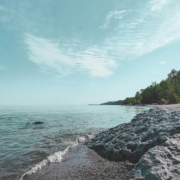
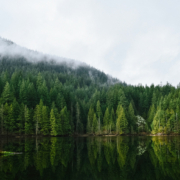
(Image Credit: Frank McKenna, Unsplash)
September 15, 2022/by IndigenousClimateHub
Tags: Alaska, British Columbia, Colonization, Harmful Algal Blooms (HAB), Heiltsuk Nation, Human-water Ecosystems, Madagascar, Red Tide, Research, Southeast Alaska Tribal Ocean Research (SEATOR) Network, Traditional Ecological Knowledge (TEK)
Share this entry
  • Share on Facebook
  • Share on X
  • Share on WhatsApp
  • Share on Pinterest
  • Share on LinkedIn
  • Share on Tumblr
  • Share on Reddit
  • Share by Mail
https://indigenousclimatehub.ca/wp-content/uploads/2022/09/frank-mckenna-unsplash.jpg 998 1500 IndigenousClimateHub https://indigenousclimatehub.ca/wp-content/uploads/2020/10/logo-horiz-clr-01-small-300x88.png IndigenousClimateHub2022-09-15 15:06:372022-09-15 15:23:27How Indigenous Knowledge Helps Manage Climate Change Effects On Human-Water Ecosystems
You might also like
Revitalizing Indigenous Oral Traditions to Enhance Climate Adaptation
Canadian Research Study Highlights the Risk of Flood Hazards to Indigenous Communities
Li-An Lim, Unsplash Indigenous Youth Leadership in Climate Action: Voices of the Future
Prioritizing the Protection of Indigenous Rights to Achieve a Sustainable Future
Addressing Climate Change with Indigenous Science and Environmental Education
Painted turtlesMatt Bango, Unsplash The Sacred Turtle: Teachings on Our Shared Responsibility to Mother Earth
X Logo X Logo Followon X RSS Feed Logo RSS Feed Logo Subscribeto RSS Feed

Subscribe to Our Blog

This field is required.

Check your inbox or spam folder to confirm your subscription.

Recent Posts

  • Water Is a Relative, Not a Resource
  • The River Is Telling Us Something: Indigenous-Led Water Monitoring as Canada’s Climate Early Warning System
  • Night Skies and Shifting Stars: How Indigenous Celestial Knowledge Tracks a Changing Climate
  • From Ownership to Relationship: Reclaiming Our Responsibilities to Land
  • Human Foolishness in Floodplains

Archives

  • June 2026
  • May 2026
  • April 2026
  • March 2026
  • February 2026
  • January 2026
  • December 2025
  • November 2025
  • October 2025
  • September 2025
  • August 2025
  • July 2025
  • June 2025
  • May 2025
  • April 2025
  • March 2025
  • February 2025
  • January 2025
  • December 2024
  • November 2024
  • October 2024
  • September 2024
  • August 2024
  • July 2024
  • June 2024
  • May 2024
  • April 2024
  • March 2024
  • February 2024
  • January 2024
  • December 2023
  • November 2023
  • October 2023
  • September 2023
  • August 2023
  • July 2023
  • June 2023
  • May 2023
  • April 2023
  • March 2023
  • February 2023
  • January 2023
  • December 2022
  • November 2022
  • October 2022
  • September 2022
  • August 2022
  • July 2022
  • June 2022
  • May 2022
  • April 2022
  • March 2022
  • February 2022
  • January 2022
  • December 2021
  • November 2021
  • October 2021
  • September 2021
  • August 2021
  • July 2021
  • June 2021
  • May 2021
  • April 2021
  • March 2021
  • February 2021
  • January 2021
  • December 2020
  • November 2020
  • October 2020
  • September 2020
  • August 2020
  • July 2020
  • June 2020
  • February 2020
  • October 2019
  • August 2019
  • July 2019
  • June 2019
  • May 2019
  • April 2019
  • March 2019

Categories

  • Adaptation
  • Alberta
  • Announcements
  • Arctic
  • Atlantic/NB
  • Awards
  • Blog
  • British Columbia
  • Climate Change
  • Climate Change Adaptation
  • Climate Change Education
  • Climate Change News
  • Climate Change Project
  • Climate Crisis
  • Climate Monitoring
  • Community Engagement
  • Community-Based Environmental Monitoring
  • Documentaries
  • Documentary
  • Events
  • Flooding
  • Food
  • Food Security
  • Food Sovereignty
  • Forest Fires
  • Funding Opportunity
  • ICCAG 2019
  • Indigenous Perspectives
  • Manitoba
  • Media
  • Métis
  • Métis Settlement
  • News
  • Op-Ed
  • Quebec
  • Saskatchewan
  • Technology
  • Video
  • Water
  • Webinars

Tags

Alberta Arctic Arctic Resilience Forum British Columbia Carbon Sequestration Caribou Caribou Recovery CIRNAC Climate Adaptation Climate Change Climate Change Adaptation Climate Resilience Community Engagement Education Environmental Stewardship Environment and Climate Change Canada (ECCC) First Nations Flooding Food Security Food Sovereignty Global Warming Indigenous Indigenous Guardians Toolkit Indigenous Knowledge Indigenous Stewardship Infrastructure Inuit landscape Mental Health Paris Agreement Policy Renewable Energy Research Resilience Science Traditional Ecological Knowledge Traditional Ecological Knowledge (TEK) Traditional Knowledge UNDRIP United Nations United Nations (UN) Webinar Wildfires WWF-Canada Youth
Contact

About Us

The Indigenous Climate Hub is a unique online community of Indigenous climate change leaders that have come together to share their stories and climate change adaptation experiences. The website is the result of the recommendations brought forward by Indigenous peoples at the Indigenous Climate Change Adaptation Gathering in 2018.

Indigenous Climate Hub Podcast

Be a part of the Indigenous Climate Hub Podcast. We are looking for unique perspectives and experiences in environmental stewardship, Indigenous ecological and traditional knowledge, and resource management offer valuable knowledge and teachings that can benefit Indigenous communities across Turtle Island and beyond.

Indigenous-led Initiatives

Are you a program or organization that funds or supports Indigenous Peoples  working on climate change initiatives?  If you would like to provide information to potential recipients here, please reach out to Okwaho so that we can work with you to highlight your program.

© Copyright - Indigenous Climate Hub, 2025-2026
  • Terms of Service
  • Privacy Policy
Link to: Improving Air Quality and Respiratory Health in Indigenous Communities Link to: Improving Air Quality and Respiratory Health in Indigenous Communities Improving Air Quality and Respiratory Health in Indigenous Communities Link to: The Need to Address Both Climate Change and Poverty Link to: The Need to Address Both Climate Change and Poverty The Need to Address Both Climate Change and Poverty
Scroll to top Scroll to top Scroll to top