• Link to X
  • Link to Facebook
  • Link to Instagram
  • Link to Rss this site
Indigenous Climate Hub
  • Home
    • About Us
  • Climate Action Programs
    • First Nation Adapt Program
      • Indigenous Climate Change Adaptation Gatherings
    • Indigenous Community-Based Climate Monitoring Program
    • Climate Change and Health Adaptation Program
    • Climate Change Preparedness in the North
    • Environment and Climate Change Canada
  • Funding
  • Resources
    • Climate Change Directory
    • Resource Library
    • Community Adaptation Projects
  • Events
  • Podcast
  • Blog
  • Contact/FAQs
  • Click to open the search input field Click to open the search input field Search
  • Menu Menu

Land Back Means Climate Action: Connecting Land Reclamation with Ecological Restoration
Blog
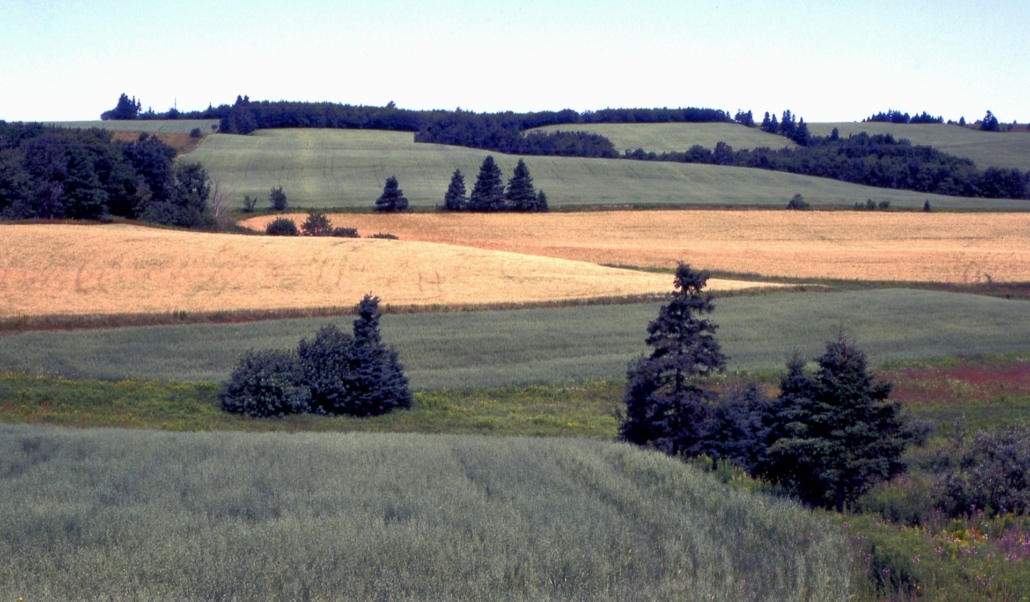
Michael Hamments, Unsplash

The Land Back movement is more than a political demand—it is a climate imperative rooted in local and regional ancestral knowledge, relationship, and responsibility. Across Turtle Island, returning land to Indigenous stewardship has shown tangible ecological benefits, helping restore biodiversity, increase climate resilience, and revitalize sacred relationships between peoples and place. Land Back is not solely a political movement—it is fundamentally about and the inherent right to care for the land through Indigenous laws, governance systems, and lifeways rooted in sustainability, reciprocity, and long-term balance. 

 Why Land Back is a Climate Solution 

 For generations, Indigenous Nations have safeguarded the natural world by managing ecosystems in accordance with natural law, ensuring the continuity and balance of all life. Today, a growing body of research confirms what many Indigenous Peoples have always known: lands under Indigenous stewardship often outperform state-managed lands in terms of biodiversity, carbon sequestration, and resilience to climate stressors. 

A landmark report by the United Nations highlights that Indigenous-managed lands hold as much or more biodiversity than formally protected areas (UNEP-WCMC, 2021). This is not coincidental. Indigenous stewardship is built upon place-based knowledge systems emphasizing interdependence, seasonal cycles, and respect for non-human relatives. 

Real-World Examples of Land Back as Ecological Restoration 

Across Canada, Indigenous Nations are leading land reclamation and stewardship efforts that serve as powerful models for climate action: 

  • Syilx Okanagan Nation (British Columbia): Through salmon reintroduction projects in the Columbia River system, the Syilx people have revived an essential species with deep cultural and ecological significance. These efforts are rebuilding food sovereignty, restoring riparian ecosystems, and improving watershed health. The Syilx Nation’s work with the Okanagan Nation Alliance demonstrates how climate action and cultural resurgence go hand-in-hand (Syilx.org). 
  • Mississaugas of Alderville First Nation (Ontario): The Alderville Black Oak Savannah is one of the best-preserved examples of native grassland ecosystems in Ontario. Using cultural burning and traditional land management techniques, the community has restored a once-fragmented landscape, supporting pollinators, rare plants, and diverse wildlife. These actions have increased carbon storage, soil health, and ecosystem connectivity (Alderville.ca).
  • Haida Gwaii (British Columbia): The Haida Nation’s co-governance model with the Government of Canada in the Gwaii Haanas National Park Reserve and Haida Heritage Site demonstrates what respectful partnership and Indigenous leadership can achieve. Through this model, logging was halted, marine protection zones were expanded, and Haida ecological knowledge was embedded in park management strategies. 

These are not isolated success stories—they are evidence of what becomes possible when Indigenous Peoples are given the authority and support to govern their territories. 

What Land Back Looks Like in Practice 

Land Back can take many forms: co-governance agreements, the return of Crown or park lands, support for Indigenous land trusts, and legal recognition of Indigenous land title. In all these models, ecological outcomes improve when Indigenous values and protocols shape land management. 

For example: 

  • Controlled burns restore grassland health. 
  • Seasonal harvesting prevents overuse. 
  • Watershed monitoring improves water quality. 
  • Language and ceremony are woven into stewardship practices that care not just for the land but also for the relational responsibilities associated with it.  

These approaches move beyond conservation as enclosure and towards regenerative guardianship. 

Recommendations for Readers 

  1. Learn More: Explore the research and advocacy work of Indigenous-led organizations like the Yellowhead Institute. 
  1. Support Indigenous Stewardship: Donate to or volunteer with Indigenous land trusts, guardianship programs, or Nations actively engaged in ecological restoration. 
  1. Advocate for Policy Change: Push for co-governance agreements, the return of protected parklands, and meaningful inclusion of Indigenous Peoples in environmental decision-making. 
  1. Listen and Follow: Center Indigenous leadership, particularly local nations whose territories you reside in. Support their calls to action and respect their governance systems. 

Reference Points and Additional Reading 

  • Yellowhead Institute, Land Back Red Paper: https://yellowheadinstitute.org 
  • Syilx Okanagan Nation Salmon Restoration: https://www.syilx.org 
  • Alderville Black Oak Savannah: https://alderville.ca/our-offices-services/alderville-black-oak-savanna/ 
  • UNEP-WCMC, Territories of Life Report, 2021 


Blog by Rye Karonhiowanen Barberstock

(Image Credit: Michael Hamments, Unsplash)
June 1, 2025/by IndigenousClimateHub
Tags: Gwaii Haanas National Park Reserve, Indigenous land trusts, Indigenous Stewardship, legal recognition of Indigenous land title, restoring ecological territories
Share this entry
  • Share on Facebook
  • Share on X
  • Share on WhatsApp
  • Share on Pinterest
  • Share on LinkedIn
  • Share on Tumblr
  • Share on Reddit
  • Share by Mail
https://indigenousclimatehub.ca/wp-content/uploads/2025/06/michael-hamments-Hm8c3MbhhRc-unsplash.jpg 1122 1920 IndigenousClimateHub https://indigenousclimatehub.ca/wp-content/uploads/2020/10/logo-horiz-clr-01-small-300x88.png IndigenousClimateHub2025-06-01 23:32:372025-06-26 00:03:24Land Back Means Climate Action: Connecting Land Reclamation with Ecological Restoration
You might also like
Jan Kopřiva, Unsplash When the Land Speaks Through Fire: Indigenous Wisdom, Memory, and Stewardship of the Living Landscape
Indigenous Protected and Conserved Areas Help Fight Climate Change Through Indigenous Stewardship
Image Credit : Erone Stuff, Unsplash The Earth Remembers: Soil, Seeds, and the Future of Indigenous Plant Life
X Logo X Logo Followon X RSS Feed Logo RSS Feed Logo Subscribeto RSS Feed

Subscribe to Our Blog

This field is required.

Check your inbox or spam folder to confirm your subscription.

Recent Posts

  • Water Is a Relative, Not a Resource
  • The River Is Telling Us Something: Indigenous-Led Water Monitoring as Canada’s Climate Early Warning System
  • Night Skies and Shifting Stars: How Indigenous Celestial Knowledge Tracks a Changing Climate
  • From Ownership to Relationship: Reclaiming Our Responsibilities to Land
  • Human Foolishness in Floodplains

Archives

  • June 2026
  • May 2026
  • April 2026
  • March 2026
  • February 2026
  • January 2026
  • December 2025
  • November 2025
  • October 2025
  • September 2025
  • August 2025
  • July 2025
  • June 2025
  • May 2025
  • April 2025
  • March 2025
  • February 2025
  • January 2025
  • December 2024
  • November 2024
  • October 2024
  • September 2024
  • August 2024
  • July 2024
  • June 2024
  • May 2024
  • April 2024
  • March 2024
  • February 2024
  • January 2024
  • December 2023
  • November 2023
  • October 2023
  • September 2023
  • August 2023
  • July 2023
  • June 2023
  • May 2023
  • April 2023
  • March 2023
  • February 2023
  • January 2023
  • December 2022
  • November 2022
  • October 2022
  • September 2022
  • August 2022
  • July 2022
  • June 2022
  • May 2022
  • April 2022
  • March 2022
  • February 2022
  • January 2022
  • December 2021
  • November 2021
  • October 2021
  • September 2021
  • August 2021
  • July 2021
  • June 2021
  • May 2021
  • April 2021
  • March 2021
  • February 2021
  • January 2021
  • December 2020
  • November 2020
  • October 2020
  • September 2020
  • August 2020
  • July 2020
  • June 2020
  • February 2020
  • October 2019
  • August 2019
  • July 2019
  • June 2019
  • May 2019
  • April 2019
  • March 2019

Categories

  • Adaptation
  • Alberta
  • Announcements
  • Arctic
  • Atlantic/NB
  • Awards
  • Blog
  • British Columbia
  • Climate Change
  • Climate Change Adaptation
  • Climate Change Education
  • Climate Change News
  • Climate Change Project
  • Climate Crisis
  • Climate Monitoring
  • Community Engagement
  • Community-Based Environmental Monitoring
  • Documentaries
  • Documentary
  • Events
  • Flooding
  • Food
  • Food Security
  • Food Sovereignty
  • Forest Fires
  • Funding Opportunity
  • ICCAG 2019
  • Indigenous Perspectives
  • Manitoba
  • Media
  • Métis
  • Métis Settlement
  • News
  • Op-Ed
  • Quebec
  • Saskatchewan
  • Technology
  • Video
  • Water
  • Webinars

Tags

Alberta Arctic Arctic Resilience Forum British Columbia Carbon Sequestration Caribou Caribou Recovery CIRNAC Climate Adaptation Climate Change Climate Change Adaptation Climate Resilience Community Engagement Education Environmental Stewardship Environment and Climate Change Canada (ECCC) First Nations Flooding Food Security Food Sovereignty Global Warming Indigenous Indigenous Guardians Toolkit Indigenous Knowledge Indigenous Stewardship Infrastructure Inuit landscape Mental Health Paris Agreement Policy Renewable Energy Research Resilience Science Traditional Ecological Knowledge Traditional Ecological Knowledge (TEK) Traditional Knowledge UNDRIP United Nations United Nations (UN) Webinar Wildfires WWF-Canada Youth
Contact

About Us

The Indigenous Climate Hub is a unique online community of Indigenous climate change leaders that have come together to share their stories and climate change adaptation experiences. The website is the result of the recommendations brought forward by Indigenous peoples at the Indigenous Climate Change Adaptation Gathering in 2018.

Indigenous Climate Hub Podcast

Be a part of the Indigenous Climate Hub Podcast. We are looking for unique perspectives and experiences in environmental stewardship, Indigenous ecological and traditional knowledge, and resource management offer valuable knowledge and teachings that can benefit Indigenous communities across Turtle Island and beyond.

Indigenous-led Initiatives

Are you a program or organization that funds or supports Indigenous Peoples  working on climate change initiatives?  If you would like to provide information to potential recipients here, please reach out to Okwaho so that we can work with you to highlight your program.

© Copyright - Indigenous Climate Hub, 2025-2026
  • Terms of Service
  • Privacy Policy
Link to: Moose, Medicines, and Migration: Climate Impacts on Cultural Keystone Species Link to: Moose, Medicines, and Migration: Climate Impacts on Cultural Keystone Species Moose, Medicines, and Migration: Climate Impacts on Cultural Keystone Speci...Lesly Derksen, Unsplash Link to: Youth on the Frontlines: Indigenous Youth Leading Climate Innovation Link to: Youth on the Frontlines: Indigenous Youth Leading Climate Innovation Ahmet Kurt, UnsplashYouth on the Frontlines: Indigenous Youth Leading Climate Innovation
Scroll to top Scroll to top Scroll to top