
Re-Constituting Indigenous Food Economies: The Promise of Plant-Based Regeneration
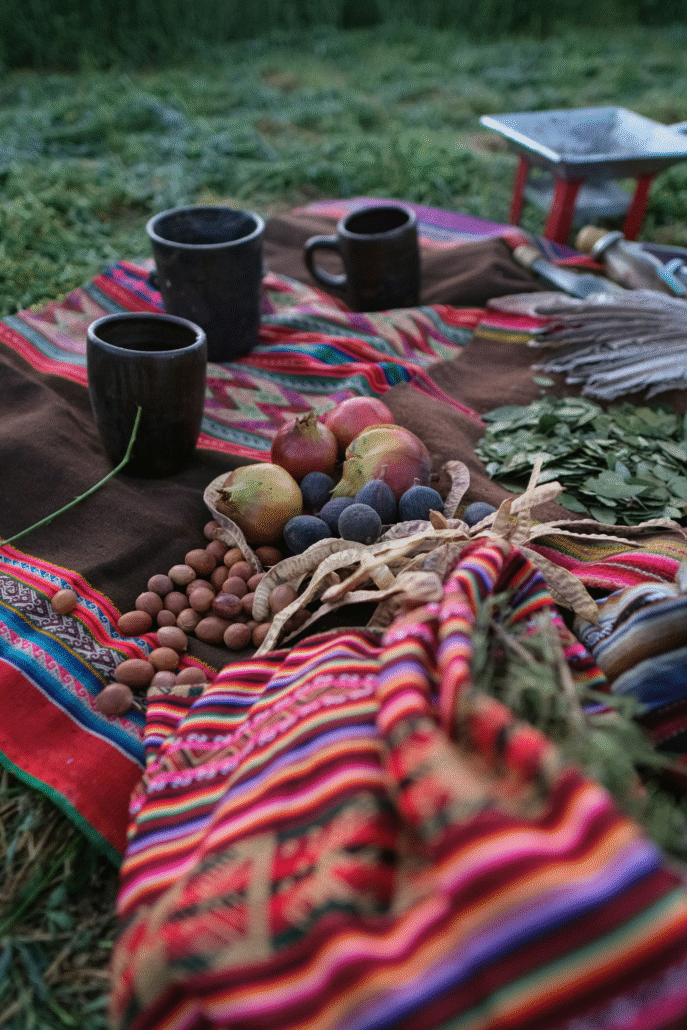 Photo Credit : Diego-Marin, Unsplash
Across Canada, climate change is reshaping what can grow and where it can grow. For Indigenous communities, especially the Haudenosaunee, whose ancestors thrived on biodiverse diets, the disruption of traditional food systems is more than an environmental crisis. It is also a cultural and spiritual rupture. Yet, within this challenge lies hope: reviving a food economy rooted in Indigenous plant foods can heal the land, strengthen communities, and build resilient local economies.
A Rich Legacy: The Haudenosaunee Foodscape
Arthur C. Parker’s classic book, Iroquois Uses of Maize and Other Food Plants, documents the astonishing diversity of Haudenosaunee agriculture. Based on early 20th-century fieldwork in New York, Ontario, and Quebec, Parker recorded not only the range of foods but also the recipes, terminology, and cultural contexts that guided their use.
Maize was at the heart of this foodscape, with numerous varieties used for flour, hominy, and whole kernels. Thirteen types of beans and five varieties of squash were intercropped with corn in the renowned “Three Sisters” system. Melons, cucumbers, and husk tomatoes (also known as ground cherries) were cultivated alongside sunflowers grown for their seeds and oil.
Foraged foods were equally important, supplementing the diet with wild peas, asparagus, mushrooms, puffballs, blueberries, grapes, plums, hickory nuts, and acorns. Arrowhead roots, cattails, and the sap of maple and birch added further diversity, both for sustenance and ceremony.
This mix of cultivated and wild foods represented far more than calories; it was a system of resilience, reciprocity, and respect for the land. By diversifying their food sources, the Haudenosaunee developed economies that could withstand ecological changes while upholding cultural values of responsibility and abundance.
Soil Regeneration
One of the greatest challenges of modern farming is soil degradation. Industrial agriculture often strips soil of nutrients, leaving it fragile and dependent on chemical inputs. The Haudenosaunee “Three Sisters” method offers an alternative. Corn provides a natural trellis for beans, beans fix nitrogen in the soil, and squash shades the ground to retain moisture and suppress weeds. Together they create a self-sustaining, regenerative system.
Restoring such practices could play a key role in regenerating soils that have been depleted by centuries of extractive farming. It serves as a reminder that Indigenous agricultural knowledge has always been about working in harmony with nature rather than against it.
Climate Mitigation
Indigenous agriculture is also a climate solution. Practices such as polycultures, perennial planting, and traditional land stewardship help store carbon, protect biodiversity, and stabilize water systems.
- Deep-rooted plants like wild rice, sunchokes, berry bushes, and sunflowers enrich soil, stabilize riverbanks, and filter toxins from water.
- Polycultures, such as the Three Sisters system, reduce pest infestations, conserve moisture, and thrive in extreme climates. Learn more here.
- Traditional stewardship practices, including controlled burning, wetland restoration, and responsible harvesting, help regulate local climates while protecting wildlife corridors.
Research indicates that Indigenous-managed lands are among Canada’s most effective carbon sinks. As Michael Twigg (2024) explains in his article on Indigenous agriculture, scaling these practices could transform agriculture into a climate-positive force.
Economic Revival
Reintroducing Indigenous plant foods carries enormous economic promise. Crops like heritage beans, heirloom corns, and wild rice already perform well in niche markets, but the potential is far greater. Regional processing facilities, community-owned food businesses, and strengthened distribution networks could create livelihoods while retaining wealth within Indigenous nations.
Across Canada, promising initiatives are already underway:
- Indigenous Agriculture and Food Systems Initiative – A federal program funding infrastructure, training, and food-business development anchored in Indigenous crops.
- Prairie Research Kitchen & Métis Food Security Consortium – A Manitoba partnership developing Indigenous recipes, training students, and supporting community food businesses.
- Farm Credit Canada (FCC) – FCC projects that equitable Indigenous participation in agriculture could add $1.5 billion to Canada’s GDP, quadrupling the current value of Indigenous farm operations. Read more here.
- Untapped Potential – Studies suggest Indigenous-led agriculture could grow Canada’s economy by as much as $27 billion while advancing biodiversity and food sovereignty goals.
- Grassroots projects – Initiatives like Understanding Our Food Systems in Northwestern Ontario support First Nations to design food sovereignty plans rooted in community values.
These examples demonstrate how Indigenous food economies can enhance food security, preserve cultural knowledge, and foster sustainable prosperity for both Indigenous nations and Canada as a whole.
Health Reinvigoration
Literature, such as “Traditional Plant Foods of Canadian Indigenous Peoples: Nutrition, Botany and Use ” (Kuhnlein & Turner, 1991), underscores how traditional diets supported strong health long before colonization. Foods like corn, beans, squash, berries, wild rice, and medicinal plants provided fibre, micronutrients, antioxidants, and lean proteins fueling immune strength and metabolic balance.
The replacement of these foods with heavily processed, calorie-dense alternatives has fueled an epidemic of diabetes, heart disease, and obesity in Indigenous communities. Restoring traditional foods to modern diets could reduce these disparities while revitalizing cultural connections.
Stewardship Over Exploitation
Reviving Indigenous food systems requires Indigenous leadership. Without it, there is a risk of commodification and appropriation cycles that repeat historical harms. Indigenous stewardship ensures cultural protocols, ecological respect, and intergenerational responsibility guide food economies. As BCA Global’s Food as Medicine highlights, Elders, knowledge keepers, and land-based educators are central to passing on stewardship values, ensuring food sovereignty endures.
More Than Farming—Healing
At its heart, revitalizing Indigenous food economies is not only about growing food; it is also about preserving and promoting traditional knowledge and practices. It is about healing.
- Healing the land through biodiversity, soil restoration, and water stewardship.
- Healing people through nutrient-rich ancestral foods that improve health and nourish the spirit.
- Healing relationships by renewing responsibilities between people, plants, and place.
- Healing economies through meaningful work that strengthens sovereignty and stewardship.
This is responsible farming at its best: an economy that not only grows crops but also fosters hope. When we restore the food systems that once sustained us, we also regain balance with the land, with each other, and with future generations.
Blog by Rye Karonhiowanen Barberstock
(Image Credit: Diego Marin, Unsplash)
 Nathan Anderson, Unsplash
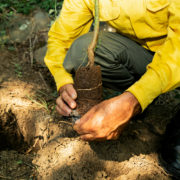 Fellipe Ditadi, Unsplash+
 Photo Credit Ahmed-Hossam-Unsplash
 Photo Credit : Chris Robert, Unsplash