• Link to X
  • Link to Facebook
  • Link to Instagram
  • Link to Rss this site
Indigenous Climate Hub
  • Home
    • About Us
  • Climate Action Programs
    • First Nation Adapt Program
      • Indigenous Climate Change Adaptation Gatherings
    • Indigenous Community-Based Climate Monitoring Program
    • Climate Change and Health Adaptation Program
    • Climate Change Preparedness in the North
    • Environment and Climate Change Canada
  • Funding
  • Resources
    • Climate Change Directory
    • Resource Library
    • Community Adaptation Projects
  • Events
  • Podcast
  • Blog
  • Contact/FAQs
  • Click to open the search input field Click to open the search input field Search
  • Menu Menu

Climate Change Adaptation in Kanaka Bar

Adaptation, Climate Change

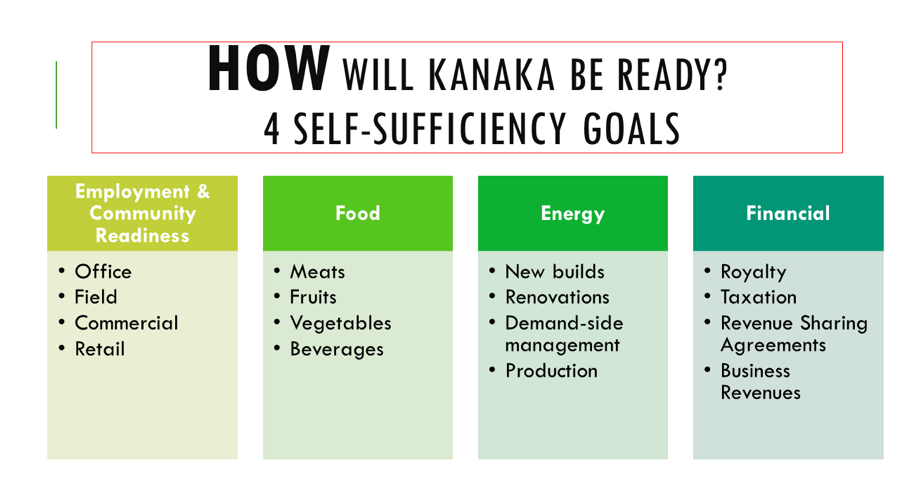
At Kanaka Bar, preparing for climate change is seen as an important milestone towards the achievement of community’s vision of self-sufficiency.  It is being incorporated in everything that is being done by the community on a day to day basis.  The Traditional Territory of Kanaka Bar is located 14 kilometers south of Lytton, B.C., in the Fraser Canyon. Water plays a critical role in the health of the community. Kanaka Bar has five watersheds: Kwoiek Creek, Morneylun Creek, Nekliptum Creek, Siwash Creek and Four Barrel Creek, all of which support traditional food sources, wildlife and agricultural activities, provide drinking water to the community and hydroelectric power to BC Hydro’s grid.

Over the recent years, many changes have been observed throughout the Traditional Territory. Community members have noticed that wildlife is moving away from the community and travelling further up-mountain, salmon numbers are decreasing and are swimming deeper in the Fraser River in search of cooler temperatures and vegetation growth is changing. As well, consistent rainfall has been replaced by long periods of dry weather and unpredictable storms. These local observations are consistent with scientific predictions of how climate change is likely to affect the region. Although drought has not yet affected the community’s water resources, there is substantial concern that they may be threatened as climate change impacts intensify.

In response to these concerning changes within their Territory, Kanaka Bar has undertaken a Community Vulnerability Assessment to better understand how their environment may continue to change, and how these changes may impact key community values and areas of concern.

Understanding Kanaka Bar’s concerns and priorities was the first step in the Vulnerability Assessment process. Together with environmental professionals from Urban Systems, community members gathered at engagement events to ask questions, and express their concerns about climate change and how it would impact community life and well-being.

After priorities were identified, current and future effects of climate change on these areas were studied. Some anticipated changes that emerged from this research were warmer temperatures year-round; less precipitation in the summer but more in the fall, winter, and spring; less snow; more frequent and intense storms events; changes in water resources; continued stress on the salmon population; changes in the availability of traditional foods; and increased risk of forest fire.

Understanding the ways in which Kanaka Bar was vulnerable to climate change has allowed the community to take meaningful steps towards reducing their risks and becoming more resilient by developing an adaptation strategy. Kanaka Bar’s Adaptation Strategy supports their goal of self-sufficiency while increasing their resilience. It maps out short and long term adaptation actions in six priority areas: Water Resources, Forest Fires, Traditional Foods, Access Roads, Supporting Self-Sufficiency and Youth and Community Engagement and Education. These actions range from installing weather monitoring stations in the community, to expanding food production initiatives, to hosting annual workshops on climate change. Together they represent a “Made at Kanaka, by Kanaka for Kanaka” adaption plan that will benefit the community in a holistic way that goes far beyond coping with climate change.

To learn more about Kanaka Bar and the great strides they’re making towards climate resilience and self-sufficiency, visit their website.
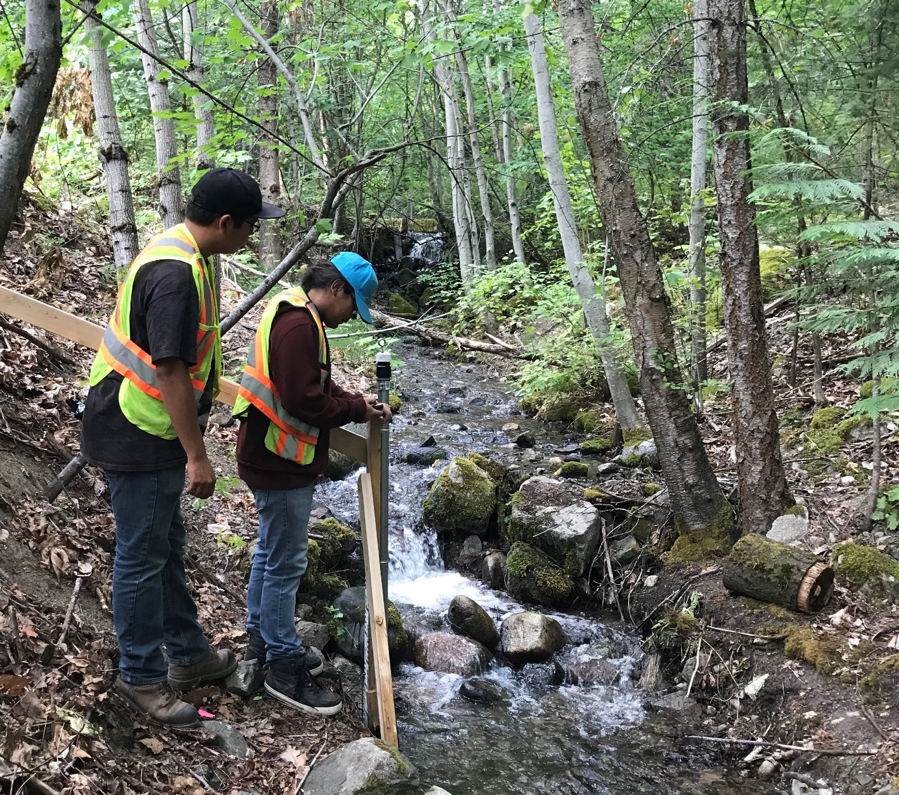
Figure 1Kanaka Youth at Morneylun Water Gauging Station
 

Author: Kanaka Bar
July 3, 2019/by IndigenousClimateHub
Tags: Access Roads, Adaptation Strategy, Agriculture, British Columbia, Climate Change, Community Engagement, Community Vulnerability Assessment, Decreasing Salmon, Education, Forest Fires, Fraser River, Kanaka Bar, Resilience, Self-sufficiency, Traditional Foods, Urban Systems, Warmer Temperatures, Water Resources, Watersheds, Weather Monitoring, Wildlife, Youth
Share this entry
  • Share on Facebook
  • Share on X
  • Share on WhatsApp
  • Share on Pinterest
  • Share on LinkedIn
  • Share on Tumblr
  • Share on Reddit
  • Share by Mail
https://indigenousclimatehub.ca/wp-content/uploads/2019/07/kanakabar.png 795 899 IndigenousClimateHub https://indigenousclimatehub.ca/wp-content/uploads/2020/10/logo-horiz-clr-01-small-300x88.png IndigenousClimateHub2019-07-03 18:58:512019-07-03 19:06:04Climate Change Adaptation in Kanaka Bar
You might also like
Arnaud Measureur, Unsplash Connecting Stewardship to Climate Adaptation and Resiliency: A Bioregional Approach
Jan Kopřiva, Unsplash When the Land Speaks Through Fire: Indigenous Wisdom, Memory, and Stewardship of the Living Landscape
Envato Elements (licensed) Climate Change Adaptation vs. Mitigation
How Indigenous Knowledge Helps Manage Climate Change Effects On Human-Water Ecosystems
Markus Spiske, Unsplash Indigenous Land-based Learning: A Way to Take Action on Climate Change
The Three Sisters as Indigenous Sustainable Agricultural Practice
X Logo X Logo Followon X RSS Feed Logo RSS Feed Logo Subscribeto RSS Feed

Subscribe to Our Blog

This field is required.

Check your inbox or spam folder to confirm your subscription.

Recent Posts

  • Water Is a Relative, Not a Resource
  • The River Is Telling Us Something: Indigenous-Led Water Monitoring as Canada’s Climate Early Warning System
  • Night Skies and Shifting Stars: How Indigenous Celestial Knowledge Tracks a Changing Climate
  • From Ownership to Relationship: Reclaiming Our Responsibilities to Land
  • Human Foolishness in Floodplains

Archives

  • June 2026
  • May 2026
  • April 2026
  • March 2026
  • February 2026
  • January 2026
  • December 2025
  • November 2025
  • October 2025
  • September 2025
  • August 2025
  • July 2025
  • June 2025
  • May 2025
  • April 2025
  • March 2025
  • February 2025
  • January 2025
  • December 2024
  • November 2024
  • October 2024
  • September 2024
  • August 2024
  • July 2024
  • June 2024
  • May 2024
  • April 2024
  • March 2024
  • February 2024
  • January 2024
  • December 2023
  • November 2023
  • October 2023
  • September 2023
  • August 2023
  • July 2023
  • June 2023
  • May 2023
  • April 2023
  • March 2023
  • February 2023
  • January 2023
  • December 2022
  • November 2022
  • October 2022
  • September 2022
  • August 2022
  • July 2022
  • June 2022
  • May 2022
  • April 2022
  • March 2022
  • February 2022
  • January 2022
  • December 2021
  • November 2021
  • October 2021
  • September 2021
  • August 2021
  • July 2021
  • June 2021
  • May 2021
  • April 2021
  • March 2021
  • February 2021
  • January 2021
  • December 2020
  • November 2020
  • October 2020
  • September 2020
  • August 2020
  • July 2020
  • June 2020
  • February 2020
  • October 2019
  • August 2019
  • July 2019
  • June 2019
  • May 2019
  • April 2019
  • March 2019

Categories

  • Adaptation
  • Alberta
  • Announcements
  • Arctic
  • Atlantic/NB
  • Awards
  • Blog
  • British Columbia
  • Climate Change
  • Climate Change Adaptation
  • Climate Change Education
  • Climate Change News
  • Climate Change Project
  • Climate Crisis
  • Climate Monitoring
  • Community Engagement
  • Community-Based Environmental Monitoring
  • Documentaries
  • Documentary
  • Events
  • Flooding
  • Food
  • Food Security
  • Food Sovereignty
  • Forest Fires
  • Funding Opportunity
  • ICCAG 2019
  • Indigenous Perspectives
  • Manitoba
  • Media
  • Métis
  • Métis Settlement
  • News
  • Op-Ed
  • Quebec
  • Saskatchewan
  • Technology
  • Video
  • Water
  • Webinars

Tags

Alberta Arctic Arctic Resilience Forum British Columbia Carbon Sequestration Caribou Caribou Recovery CIRNAC Climate Adaptation Climate Change Climate Change Adaptation Climate Resilience Community Engagement Education Environmental Stewardship Environment and Climate Change Canada (ECCC) First Nations Flooding Food Security Food Sovereignty Global Warming Indigenous Indigenous Guardians Toolkit Indigenous Knowledge Indigenous Stewardship Infrastructure Inuit landscape Mental Health Paris Agreement Policy Renewable Energy Research Resilience Science Traditional Ecological Knowledge Traditional Ecological Knowledge (TEK) Traditional Knowledge UNDRIP United Nations United Nations (UN) Webinar Wildfires WWF-Canada Youth
Contact

About Us

The Indigenous Climate Hub is a unique online community of Indigenous climate change leaders that have come together to share their stories and climate change adaptation experiences. The website is the result of the recommendations brought forward by Indigenous peoples at the Indigenous Climate Change Adaptation Gathering in 2018.

Indigenous Climate Hub Podcast

Be a part of the Indigenous Climate Hub Podcast. We are looking for unique perspectives and experiences in environmental stewardship, Indigenous ecological and traditional knowledge, and resource management offer valuable knowledge and teachings that can benefit Indigenous communities across Turtle Island and beyond.

Indigenous-led Initiatives

Are you a program or organization that funds or supports Indigenous Peoples  working on climate change initiatives?  If you would like to provide information to potential recipients here, please reach out to Okwaho so that we can work with you to highlight your program.

© Copyright - Indigenous Climate Hub, 2025-2026
  • Terms of Service
  • Privacy Policy
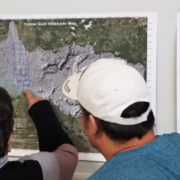
Link to: Award-winning New Tool Helping First Nations Adapt their Infrastructure to Climate Change Link to: Award-winning New Tool Helping First Nations Adapt their Infrastructure to Climate Change Award-winning New Tool Helping First Nations Adapt their Infrastructure to Climate... Link to: Preparing for the Future – How Yellow Quill First Nation is using Indigenous knowledge and Science to Mitigate the Risk of Flooding Link to: Preparing for the Future – How Yellow Quill First Nation is using Indigenous knowledge and Science to Mitigate the Risk of Flooding Researchers and Community looking at maps of flooding eventsYellow Quill First NationPreparing for the Future – How Yellow Quill First Nation is using Indigenous...
Scroll to top Scroll to top Scroll to top