• Link to X
  • Link to Facebook
  • Link to Instagram
  • Link to Rss this site
Indigenous Climate Hub
  • Home
    • About Us
  • Climate Action Programs
    • First Nation Adapt Program
      • Indigenous Climate Change Adaptation Gatherings
    • Indigenous Community-Based Climate Monitoring Program
    • Climate Change and Health Adaptation Program
    • Climate Change Preparedness in the North
    • Environment and Climate Change Canada
  • Funding
  • Resources
    • Climate Change Directory
    • Resource Library
    • Community Adaptation Projects
  • Events
  • Podcast
  • Blog
  • Contact/FAQs
  • Click to open the search input field Click to open the search input field Search
  • Menu Menu

The Three Sisters as Indigenous Sustainable Agricultural Practice
Blog

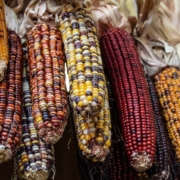
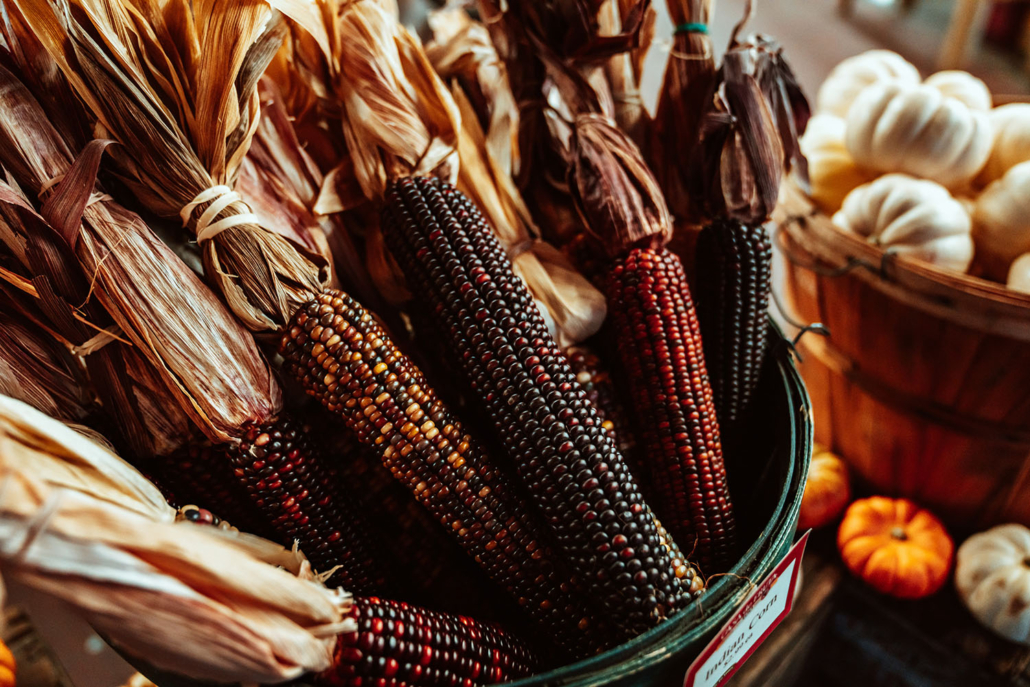
The Three Sisters—corn, beans, and squash—is a form of Indigenous sustainable agriculture that involves the practice of intercropping or companion planting, where plants are grown next to each other for mutual benefit. This Indigenous sustainable agricultural practice invites environmental stewardship, increases the quality of life of Indigenous Peoples, and helps communities to achieve food sovereignty.

Environmental stewardship is a key component to Indigenous sustainable agriculture; it involves the “responsible use and protection of the environment,” which includes “ limiting the harvest of natural resources.” The Three Sisters is a form of environmental stewardship because they “support growth without requiring fertilizers, pesticides, equipment or intense irrigation.” The plants support each other in unique ways. The corn stalks provide support to the beans, and the plants exchange nitrogen with the soil to facilitate growth. The squash, planted between the beans and corn, and their leaves, cover and protect the soil, to stop weeds from propagating. It is reported that the Three Sisters thrive better together than if each of the corn, beans, and squash were planted on their own. Together, they also deter pests. EcoWatch provides instructions for how to grow a Three Sisters Garden.

The quality of life of Indigenous Peoples is improved through the Three Sisters. Once used heavily by Indigenous Peoples in the Great Lakes region of North America, the Three Sisters, as a model of sustainable agriculture, holds the potential to offer business opportunities and a sustainable food source for Indigenous communities in ways that connect these communities to their own cultural traditions. In addition, the Three Sisters are rich in minerals and vitamins to “support community health and quality of life.” Currently, Indigenous communities are working with researchers from Agriculture and Agri-Food Canada (AAFC) to explore how and why the Three Sisters’ model is especially successful.

Promoting local food production is crucial to Indigenous food sovereignty and long-term food security. As a traditional form of intercropping, the Three Sisters also produces a high agricultural food yield (i.e., average energy measured in kCal and grams of protein per unit of farmland per year). According to research conducted by Dr. Jane Mt. Pleasant (Cornell University, College of Agriculture and Life Sciences), “The Three Sisters yields more energy (12.25 x 10⁶ kcal/ha) and more protein (349 kg/ha) than any of the crop monocultures or mixtures of monocultures planted to the same area.”

Indigenous farmers could benefit from a network of peers who engage in indigenous sustainable farming and gardening year-round, through large-and-small-scale farms, community gardens, and greenhouses. The potential for such a network to facilitate information exchange, knowledge sharing, and advocacy to promote Indigenous agricultural practices is one that is worth exploring. The Three Sisters is just one example of Indigenous sustainable agriculture, rooted in regional knowledge, Indigenous traditions, and cultural experiences. Other examples of Indigenous sustainable agricultural practices across Turtle Island could be explored to build a stronger shared understanding of Indigenous approaches to sustainability.


By Leela Viswanathan


Photo Credit: Meritt Thomas, Unsplash
June 15, 2023/by IndigenousClimateHub
Tags: Agriculture, Beans, Corn, Food Sovereignty, Squash, Three Sisters
Share this entry
  • Share on Facebook
  • Share on X
  • Share on WhatsApp
  • Share on Pinterest
  • Share on LinkedIn
  • Share on Tumblr
  • Share on Reddit
  • Share by Mail
https://indigenousclimatehub.ca/wp-content/uploads/2023/06/meritt-thomas-unsplash.jpg 1001 1500 IndigenousClimateHub https://indigenousclimatehub.ca/wp-content/uploads/2020/10/logo-horiz-clr-01-small-300x88.png IndigenousClimateHub2023-06-15 13:58:212023-06-21 14:12:39The Three Sisters as Indigenous Sustainable Agricultural Practice
You might also like
Bart Heird (Unsplash) The Indigenous Food Sovereignty Movement: Helping in the fight against food insecurity
Climate Change Adaptation in Kanaka Bar
Food Sovereignty Indicators for the Health of Indigenous Communities
RaspberriesChristian Wiediger, Unsplash Small Berries, Big Lessons: A Reflection on Nature’s Wisdom and the Impacts of Climate Change
How Indigenous Sustainable Farming Practices Mitigate the Impacts of Climate Change
Bonnie Kittle (Unsplash) Gardens and Climate Change – How Growing a Resilient Garden Helps Fight Global Warming
X Logo X Logo Followon X RSS Feed Logo RSS Feed Logo Subscribeto RSS Feed

Subscribe to Our Blog

This field is required.

Check your inbox or spam folder to confirm your subscription.

Recent Posts

  • Water Is a Relative, Not a Resource
  • The River Is Telling Us Something: Indigenous-Led Water Monitoring as Canada’s Climate Early Warning System
  • Night Skies and Shifting Stars: How Indigenous Celestial Knowledge Tracks a Changing Climate
  • From Ownership to Relationship: Reclaiming Our Responsibilities to Land
  • Human Foolishness in Floodplains

Archives

  • June 2026
  • May 2026
  • April 2026
  • March 2026
  • February 2026
  • January 2026
  • December 2025
  • November 2025
  • October 2025
  • September 2025
  • August 2025
  • July 2025
  • June 2025
  • May 2025
  • April 2025
  • March 2025
  • February 2025
  • January 2025
  • December 2024
  • November 2024
  • October 2024
  • September 2024
  • August 2024
  • July 2024
  • June 2024
  • May 2024
  • April 2024
  • March 2024
  • February 2024
  • January 2024
  • December 2023
  • November 2023
  • October 2023
  • September 2023
  • August 2023
  • July 2023
  • June 2023
  • May 2023
  • April 2023
  • March 2023
  • February 2023
  • January 2023
  • December 2022
  • November 2022
  • October 2022
  • September 2022
  • August 2022
  • July 2022
  • June 2022
  • May 2022
  • April 2022
  • March 2022
  • February 2022
  • January 2022
  • December 2021
  • November 2021
  • October 2021
  • September 2021
  • August 2021
  • July 2021
  • June 2021
  • May 2021
  • April 2021
  • March 2021
  • February 2021
  • January 2021
  • December 2020
  • November 2020
  • October 2020
  • September 2020
  • August 2020
  • July 2020
  • June 2020
  • February 2020
  • October 2019
  • August 2019
  • July 2019
  • June 2019
  • May 2019
  • April 2019
  • March 2019

Categories

  • Adaptation
  • Alberta
  • Announcements
  • Arctic
  • Atlantic/NB
  • Awards
  • Blog
  • British Columbia
  • Climate Change
  • Climate Change Adaptation
  • Climate Change Education
  • Climate Change News
  • Climate Change Project
  • Climate Crisis
  • Climate Monitoring
  • Community Engagement
  • Community-Based Environmental Monitoring
  • Documentaries
  • Documentary
  • Events
  • Flooding
  • Food
  • Food Security
  • Food Sovereignty
  • Forest Fires
  • Funding Opportunity
  • ICCAG 2019
  • Indigenous Perspectives
  • Manitoba
  • Media
  • Métis
  • Métis Settlement
  • News
  • Op-Ed
  • Quebec
  • Saskatchewan
  • Technology
  • Video
  • Water
  • Webinars

Tags

Alberta Arctic Arctic Resilience Forum British Columbia Carbon Sequestration Caribou Caribou Recovery CIRNAC Climate Adaptation Climate Change Climate Change Adaptation Climate Resilience Community Engagement Education Environmental Stewardship Environment and Climate Change Canada (ECCC) First Nations Flooding Food Security Food Sovereignty Global Warming Indigenous Indigenous Guardians Toolkit Indigenous Knowledge Indigenous Stewardship Infrastructure Inuit landscape Mental Health Paris Agreement Policy Renewable Energy Research Resilience Science Traditional Ecological Knowledge Traditional Ecological Knowledge (TEK) Traditional Knowledge UNDRIP United Nations United Nations (UN) Webinar Wildfires WWF-Canada Youth
Contact

About Us

The Indigenous Climate Hub is a unique online community of Indigenous climate change leaders that have come together to share their stories and climate change adaptation experiences. The website is the result of the recommendations brought forward by Indigenous peoples at the Indigenous Climate Change Adaptation Gathering in 2018.

Indigenous Climate Hub Podcast

Be a part of the Indigenous Climate Hub Podcast. We are looking for unique perspectives and experiences in environmental stewardship, Indigenous ecological and traditional knowledge, and resource management offer valuable knowledge and teachings that can benefit Indigenous communities across Turtle Island and beyond.

Indigenous-led Initiatives

Are you a program or organization that funds or supports Indigenous Peoples  working on climate change initiatives?  If you would like to provide information to potential recipients here, please reach out to Okwaho so that we can work with you to highlight your program.

© Copyright - Indigenous Climate Hub, 2025-2026
  • Terms of Service
  • Privacy Policy
Link to: Upholding Indigenous Data Sovereignty in Research Link to: Upholding Indigenous Data Sovereignty in Research Upholding Indigenous Data Sovereignty in Research Link to: First Nations Fire Protection Strategy 2023-2028 Link to: First Nations Fire Protection Strategy 2023-2028 John TownerFirst Nations Fire Protection Strategy 2023-2028
Scroll to top Scroll to top Scroll to top