Posts

The unprecedented shifts brought on by climate change ripple far beyond rising temperatures and extreme weather; they reach deep into the minds and hearts of all living beings. Anxiety, grief, and a profound sense of loss now shadow our collective experience. This climate-related mental distress is not only felt by people but also echoed in the land, waters, plants, and animals to which we are inseparably connected. As ecosystems unravel, the mental health of humans and non-human relatives becomes a shared story of vulnerability and resilience. 

Climate Change and Rising Anxiety

The reality of climate change is no longer a distant worry; it is a present and palpable force shaping the mental landscapes of countless individuals. Across ages and cultures, climate anxiety, sometimes called eco-anxiety, has emerged as a defining psychological response to the accelerating devastation of the natural world. This anxiety is not simply fear of future disasters but an existential reaction to loss, uncertainty, and powerlessness. 

 Signs of Climate Anxiety

People experiencing climate anxiety often report:  

  • Persistent worry, rumination, or panic about environmental catastrophe. 
  • Feelings of helplessness, hopelessness, or grief, often described as “climate grief.” 
  • Disturbed sleep, including insomnia or nightmares, can be linked to climate crises. 
  • Physical symptoms may include an elevated heart rate, stomach upset, or fatigue. 
  • Social withdrawal, or conversely, sudden bursts of activism. 
  • Existential questioning about the future, meaning, and humanity’s role in planetary degradation. 
  • Heightened sensitivity to environmental news and changes, sometimes leading to overwhelm or burnout. 

 How Climate Anxiety Shapes Worldviews

Climate anxiety is shifting how people relate to themselves and the world:  

  • A fractured sense of security: The predictability of seasons and natural resources, as well as the scaffolding of cultural and personal identity, is disrupted. 
  • Heightened interdependence: For some, anxiety strengthens awareness of interconnectedness, prompting a search for meaning beyond individualism and consumerism. 
  • Urgency for change: Anxiety can fuel activism and demands for systemic transformation. 
  • Collective trauma and grief: Climate change becomes a shared mourning for lost species, landscapes, and lifeways. 
  • Shifts in values: Many are turning away from materialism toward ecological stewardship, simplicity, and relationality. 

 Climate Anxiety in the Indigenous Context

For Indigenous peoples, climate anxiety is layered with cultural grief, the loss of land, language, ceremony, and traditional livelihoods. This grief is deepened by colonial histories that severed people’s relationships with ancestral territories and more-than-human kin. 

 Yet, Indigenous worldviews also carry profound resilience. Seeing humans as part of a web of life provides a relational refuge, a framework for navigating climate anxiety through connection, ceremony, and stewardship. Unlike dominant Western approaches that often treat mental health in isolation, Indigenous perspectives integrate ecological realities into healing. 

 Supporting Mental Well-Being Amidst Climate Anxiety

Meeting climate anxiety as both a personal and collective challenge requires approaches that nurture resilience: 

Land-based healing and connection: Spending time on the land, engaging in cultural practices, and restoring bonds with ecosystems. 

  • Community support and dialogue: Safe spaces to share fears and grief, build solidarity, and mobilize collective hope. 
  • Eco-literacy and empowerment: Education in climate science, Indigenous land stewardship, and practical action to counter helplessness. 
  • Mindfulness and grounding practices: Techniques to calm and regulate overwhelming emotions. 
  • Centering Indigenous knowledge: Teachings of balance, renewal, and reciprocity enrich mental health frameworks with holistic approaches. 

 Indigenous Ways of Knowing: Medicine for Mind, Heart, and Spirit

Indigenous worldviews offer vital teachings for healing and well-being. Central among these is interconnectedness,the recognition that humans, earth, waters, animals, plants, and ancestors form one living web. This understanding fosters a holistic approach to mental health that weaves together mind, heart, body, and spirit. 

 Ceremonies, storytelling, land-based practices, and seasonal cycles cultivate balance and harmony, offering medicine for both individual and collective resilience. Reconnecting with Mother Earth is a profound step toward healing, inviting us to listen deeply to the rustle of leaves, the flow of rivers, the flight of birds and, in that listening to rediscover grounding, purpose, and hope. 

 Empathy for More-Than-Human Relations

Climate change also affects our non-human relatives. Plants wither, animals migrate or perish, and waters warm and recede. Indigenous teachings remind us that these beings hold life, spirit, and memory. They, too, suffer displacement and loss. Cultivating empathy for them expands our circle of care and underscores that mental and environmental health are inextricably linked. 

When we engage with land, waters, and wildlife not as resources but as relatives, fractured relationships begin to heal. This relational awareness lays the foundation of stewardship rooted in respect and reciprocity, integrating the need to confront climate change. 

Reconnecting with the Land

Reconnection is both sacred and practical. Land-based healing, traditional ecological knowledge, and Indigenous ceremonies are increasingly recognized within Indigenous communities and beyond as powerful supports for mental health. 

Spending time on the land harvesting plants, participating in a ceremony, or simply observing seasonal rhythms nurtures awareness, patience, and resilience. It roots us in the present, affirms belonging, and reminds us that we are part of a living community. Through this reconnection, humans can find strength in relationships, solace in shared struggle, and hope in reciprocal care. 

Moving Forward Together

The climate crisis compels us to rethink mental health in relational terms, recognizing that human well-being is inseparable from the well-being of the land and all its beings. Indigenous knowledge offers enduring wisdom for this path. By honouring interconnectedness, embracing land-based healing, and nurturing empathy for all relations, we can cultivate mind, heart, and spirit medicines essential for resilience. 

 Together, human and more-than-human kin can walk toward healing, balance, and renewed hope grounded in the living teachings of the earth we call home. 


Blog by Rye Karonhiowanen Barberstock

(Image Credit: Ahmed Hossam, Unsplash)
Climate change effects are significantly reducing the catch of salmon worldwide. Indigenous communities are taking various actions to protect salmon as a crucial food source, and not simply as a commercial and economic resource.

Salmon need cold water streams; however, with warming waters, a harmful effect of climate change, salmon become more prone to disease. Shifts in weather patterns can also wash away salmon spawning beds, while lower pH levels in the oceans (i.e., ocean acidification) reduces overall fish stocks.

Indigenous communities in British Columbia (BC) and Washington State are using climate change adaptation practices in order to protect salmon runs along the Skagit River, by creating spawning beds, and by planting shady trees in order to cool down the river. In addition, Indigenous communities in BC are calling for more emergency conservation measures to protect salmon along the Fraser River. Most recently, the First Nation Leadership Council declared the collapse of sockeye salmon stock, calling for the emergency closure of all sockeye salmon fisheries along the Fraser River and an end to all open-net salmon farming. These extreme actions are being taken by BC First Nations, alongside collaborative approaches to facilitate fisheries management and to ensure the conservation of Pacific wild salmon and their habitat.

Ultimately, Indigenous communities are taking adaptive, emergency, and legislative actions to protect salmon habitats from the harmful effects of climate change and to sustain a valuable food source for their communities.


By Leela Viswanathan

Indigenous-led watershed planning is crucial for Indigenous communities to adapt to the fast pace of climate change. A watershed is a physical area that absorbs rain and snow into underground sources of water, such as, rivers, creeks, and streams, and catches the elements in lakes, oceans, and other bodies of water that are all aboveground. Watershed planning involves the decisions that people make to determine what happens to water in an entire physical region, as well as what happens to it at the local community level.

Target 15 of the 2020 Biodiversity Goals and Targets for Canada states: “By 2020, Aboriginal traditional knowledge is respected, promoted and, where made available by Aboriginal peoples, regularly, meaningfully and effectively informing biodiversity conservation and management decision-making.” Although Indigenous inclusion in state-driven biodiversity planning, such as planning for watersheds, is important, it is not at the heart of Indigenous-led watershed planning.

Values behind Indigenous-led watershed planning, which can include interconnectedness, self-determination, education, and resilience, among others, are what make Indigenous-led watershed planning different from dominating non-Indigenous watershed planning practices. For example, water is a sacred life-source and holds cultural significance for Indigenous peoples. As noted in the First Nations Integrated Watershed Planning guidebook, created by the Centre for Indigenous Environmental Resources (CIER), First Nation-led watershed planning asks different questions than non-Indigenous-led watershed planning – questions such as: “if water is alive and represents life – if we are all connected and embody an ethic of reciprocity in our decisions and daily lives – what would be the different outcomes of a watershed planning process?”

Stewardship is integral to Indigenous-led watershed planning. The National Indigenous Guardians Network (NIGN) is an Indigenous-led and Canadian federally-funded pilot project – a network of Indigenous stewards of the land, water, and ice. Inspired by a similar network of Indigenous environmental stewardship in Australia, the NGIN has engaged in watershed planning projects across Canada. Furthermore, Indigenous communities, on their own, or in partnership with universities, are creating climate adaptation plans that include watershed planning. For example, the Karuk Tribe has created its own Climate Adaptation Plan which includes practices to protect rivers and riverbeds (i.e., riparian practices). Furthermore, the Tribal Climate Tool, a partnership among Indigenous communities, including the Swinomish, and the Climate Impacts Group at the University of Washington, provides data to help Indigenous communities make their own climate adaptation decisions, by including measurements, such as rain fall and temperature.

Indigenous-led watershed planning can strike a balance among diverse cultural values, as well as needs of the natural environment, and of Indigenous communities. Some communities may consider including economic development priorities in their watershed plans too, such as energy conservation and generation projects, while protecting Traditional Ecological Knowledge (TEK). Climate adaptation plans that are rooted in both present needs and values and future aspirations, enable Indigenous communities to adapt to environmental changes as they happen, and hold the potential to enable Indigenous people to adapt to climate change better than ever before.


By Leela Viswanathan

The Indigenous food sovereignty movement promotes access to healthy food, and helps to fight food insecurity, made worse by droughts, severe floods, and other adverse weather events, which are impacts of climate change.

A key goal of Indigenous food sovereignty is to reduce the dependency of Indigenous communities on processed foods that are created by the industrial food system. By bringing together small-scale food producers and farmers, and Indigenous people who fish and hunt traditionally, the Indigenous food sovereignty movement facilitates the world-wide exchange of diverse, thousands-of-years-old practices in seed saving; catching, growing, harvesting, and storing food; and raising livestock, just to name a few. According to the Indigenous Food Systems Network, Indigenous food sovereignty is grounded in four key principles:

  1. Food is sacred and sovereign, and should not be constrained by colonial laws and practices. Human beings need to learn how to appreciate their connection to the land, plants, and animals, which are also different sources of food.
  2. Indigenous food sovereignty is action-oriented and encourages the participation of individuals, families, and communities in culturally-based day-to-day harvesting activities and strategies that can be adapted for future generations.
  3. Indigenous self-determination and food sovereignty inspire Indigenous peoples to make their own decisions about: food choices, food sources, and how much food is grown and consumed.
  4. Policy reform is central to Indigenous food sovereignty and may involve reconciling colonial economies with the values of diverse Indigenous communities.


By Leela Viswanathan

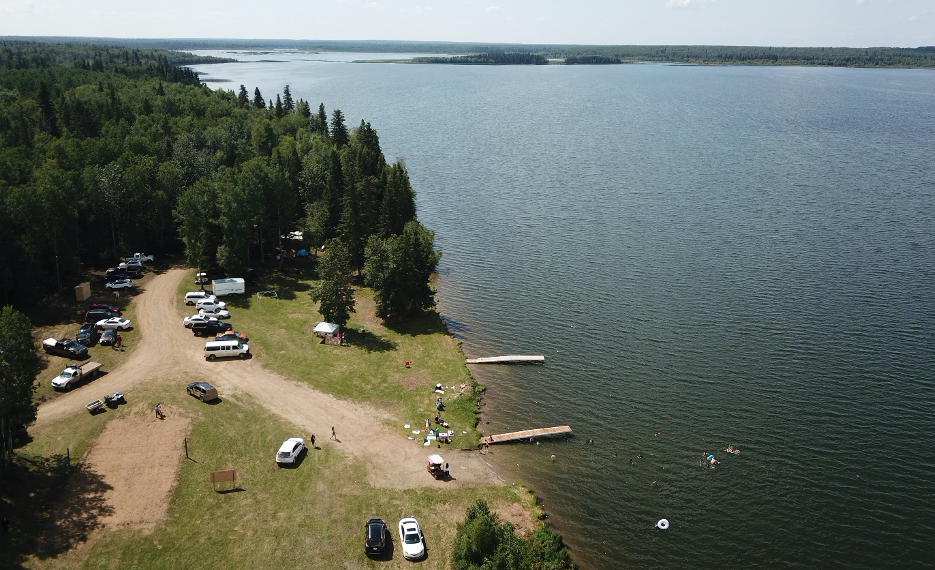
Beginning in October of 2018, two members of the Gift Lake Métis Settlement began training as Environmental Monitors through a partnership between the Indigenous Community-Based Climate Monitoring Program and the Gift Lake Métis Settlement. Gift Lake is a small Métis community located roughly 400 km northwest of Edmonton, Alberta and sits in the heart of the boreal forest. It is surrounded by rich vegetation, forests and many water bodies left behind by ancient glacial meltdown. Once the Gift Lake Environmental Guardianship Program began, we focused on the primary concerns of the people within the community. This started with one-on-one interaction with elders through interviews and surveys filled with questions relating to the similarities and changes in the environment and climate of Gift Lake over the years. Through this communication it was clear what our goals would be: educating ourselves and the community, while maintaining a balance between a scientific approach to research and a sense of community through human interaction and methodology.

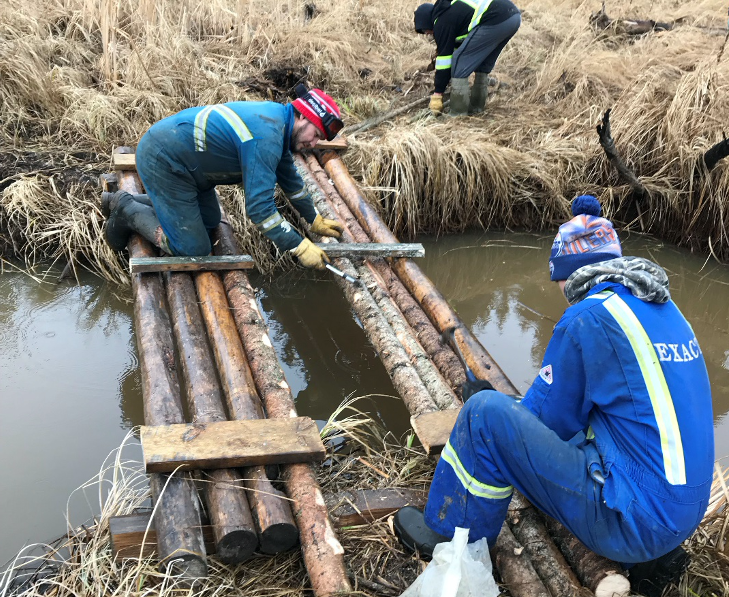
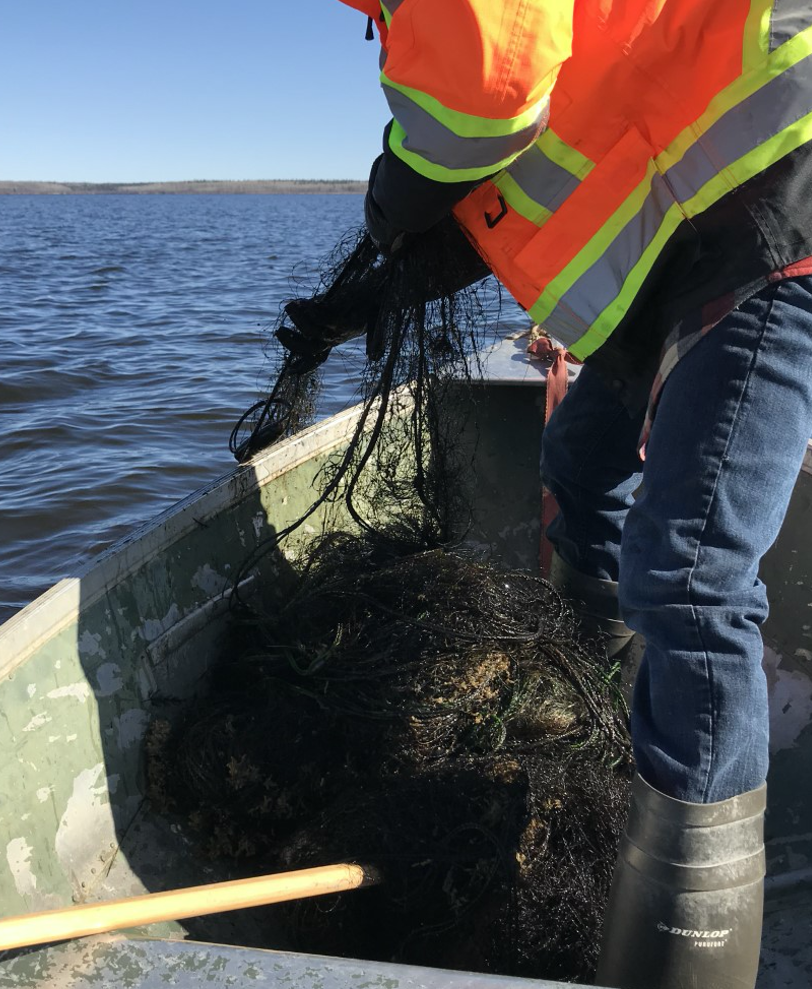
An elder in the community said, “nothing connects us more to our culture than the land.” She was right. Indigenous people have had a very close tie to the environment for millennia. Now we can tie culture, science and education to protect our culture through the protection of our invaluable environment. We immediately enrolled in Environmental Education programs and soon we were out in the field daily. Our efforts were split into 6 categories: air, weather, water, vegetation, traditional plants and wildlife while making sure to continually have an active presence and relationship with the community. Weather monitoring stations were installed on the north and south ends of the community and the data is collected daily in the effort to fill a data gap that has existed in the area until now. A water monitoring project was initiated through field level testing. Our main goal for the water monitoring efforts is to note any major or alarming trends that could affect quality of the water which would affect the quality of life for all living things. From our tests, three initiatives were born: bridge building for ATV stream crossings, ongoing lake sweeps for abandoned nets and waste, and the continual monitoring of the water levels in our three largest lakes.

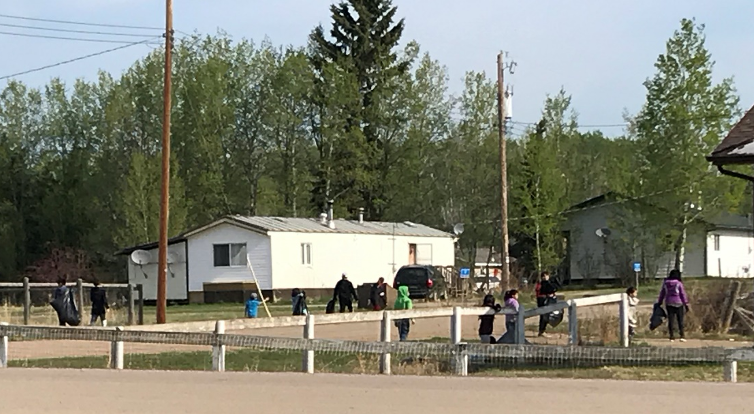
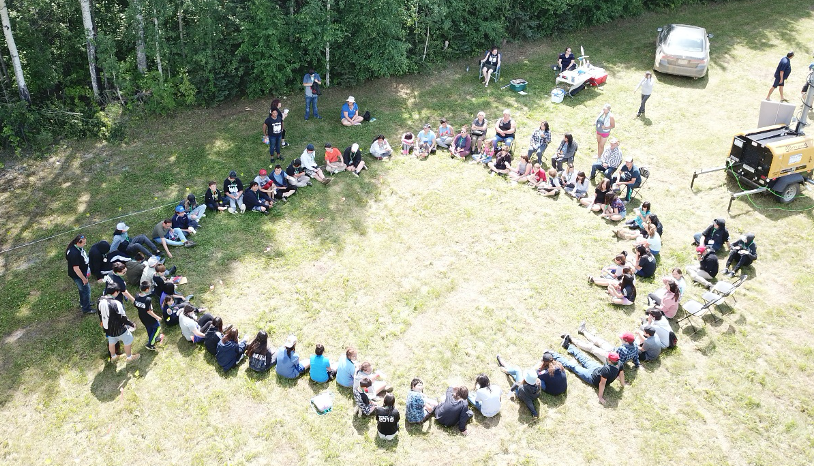
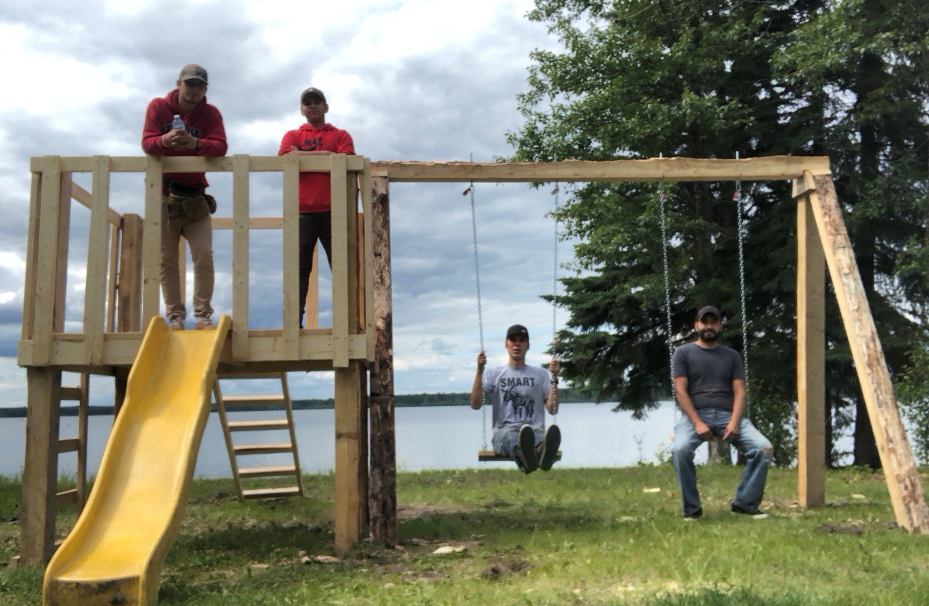
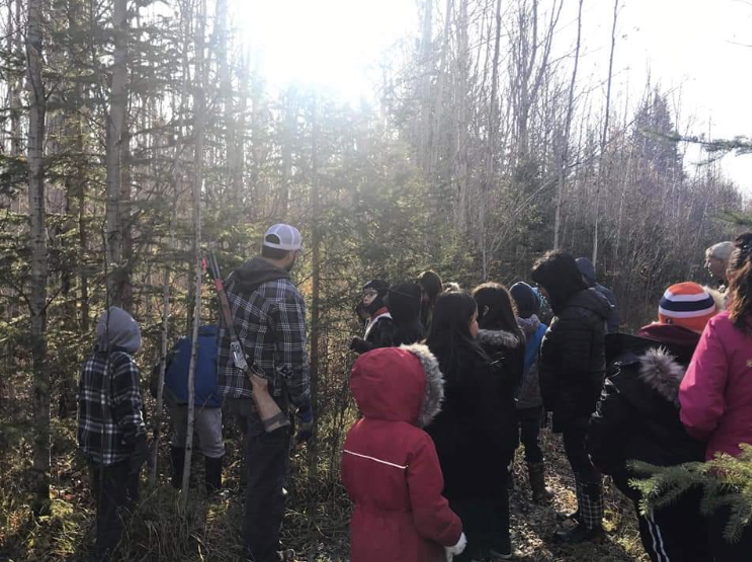
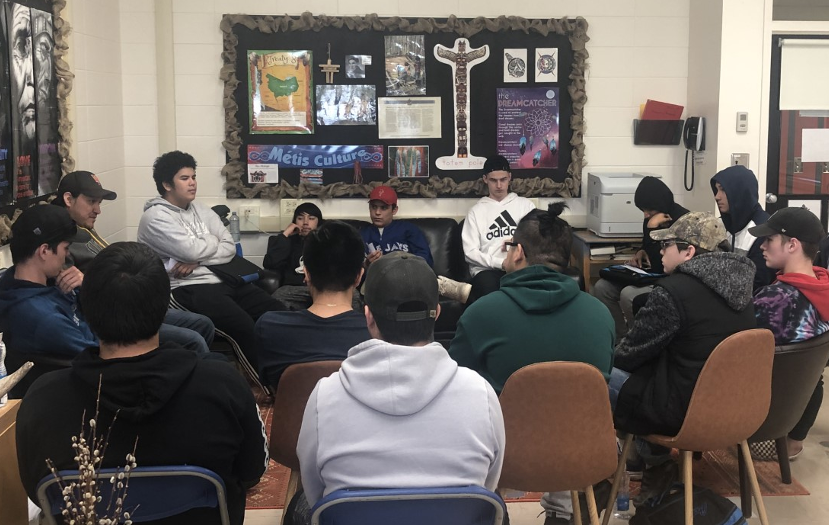
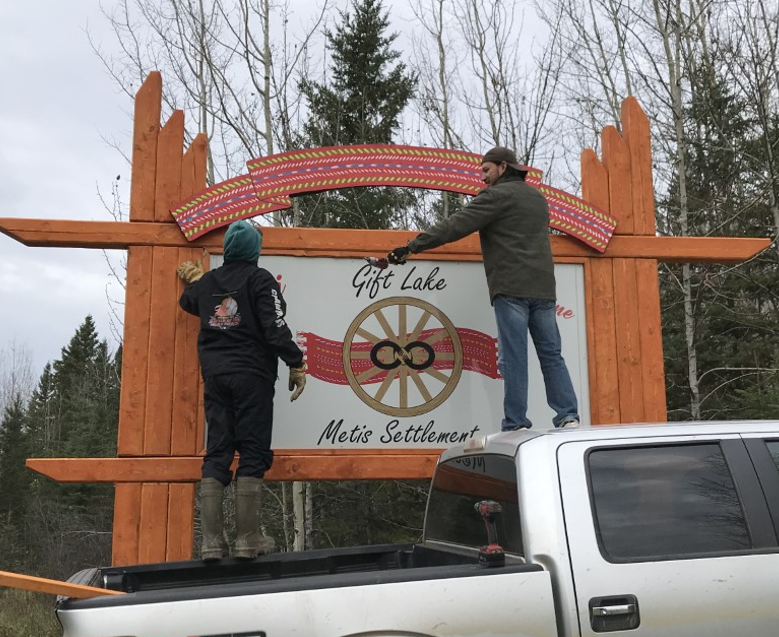
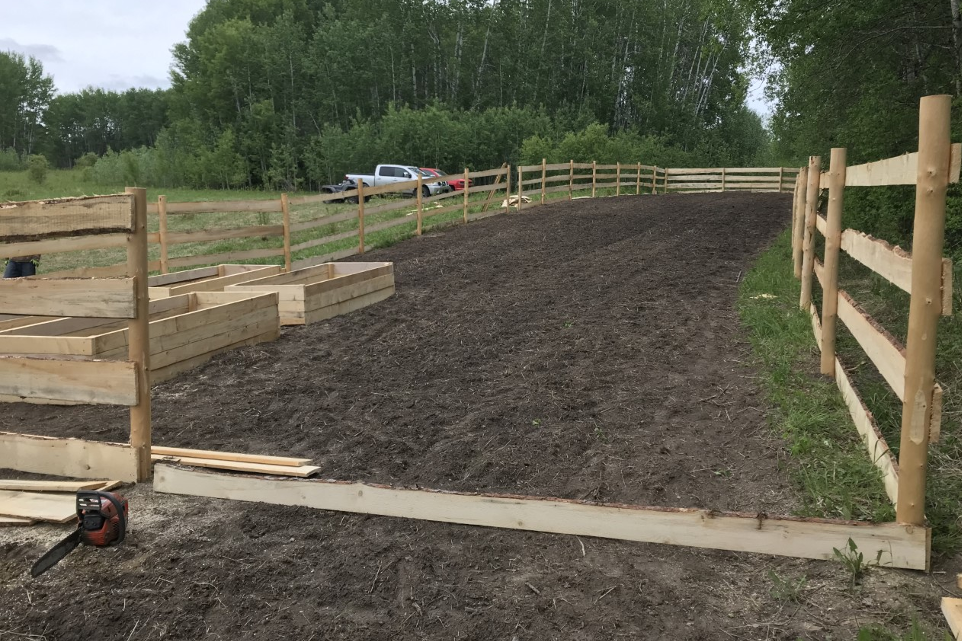
On top of taking a scientific initiative to learn about the land and climate, we also wanted to bring awareness to the community. We have taken the opportunity to be part of land-based learning activities at the K-9 school through facilitating workshops on topics including dendrochronology, climate change, drone flying, rabbit snaring, traditional herbs and even gun safety. A High School in High Prairie, Alberta also invited us to speak to students and introduce the prospect of being employed in the environmental field. We would speak on issues regarding climate change and relate on a more personal level including our successes, struggles and overall experiences growing up in a small Indigenous community and moving into adulthood. In the spring of 2019 two high school students were hired as trainees and included in all our environmental, climate action and community engagement activities. We did this not only to teach, but to instill the importance of the environment by introducing them to the beauty of their surroundings and the amount of gratification and confidence that comes from protecting our lifeline. The youth have taken part in dendrochronology (tree aging), bridge building, water testing, weather monitoring, wildlife monitoring, well-site reclamation, tree planting, marking traditional herb GPS waypoints, facilitating a large cultural camp with 7 other communities and numerous community engagement events. They have also been given the opportunity to take part in community-based projects such as designing and building the community two new welcome signs, starting a community garden, building a children’s park and initiating a garbage clean-up with elementary school children; allowing them to play a mentorship role as well. Since returning to school both youths have contacted us expressing how much they loved the program and how they hope to come back next summer. This is the level of interest and environmental responsibility we wish to instill within the entire community.

The struggle to succeed does weigh heavy on us at times and we understand the differences in everyone’s views about climate change and environmental protection. We have seen failures, but they are over-shadowed by successes. Our environmental and climate change programs are only in their beginning stages and programs like this are extremely new to everyone around us. We welcome the challenge and treat our roles as a major responsibility to act as champions for the land. We believe there is only one possible way to achieve that: to be role models among the people.


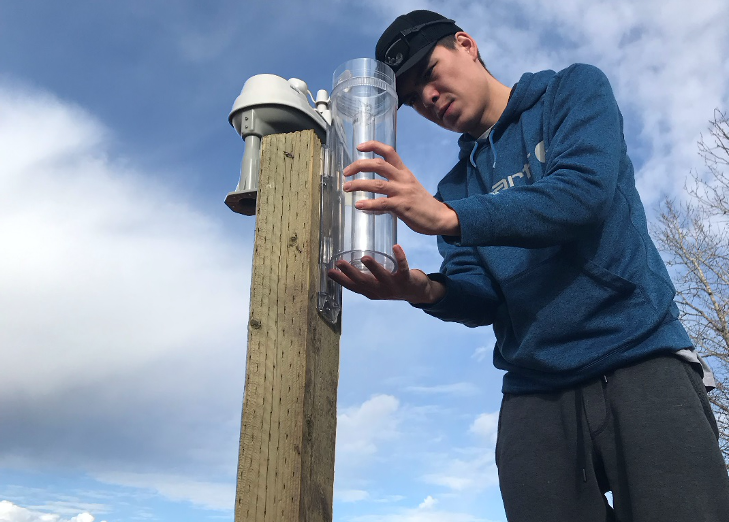
Installation of north end weather monitor

Installation of north end weather monitor


Building ATV crossing on a fish bearing stream


Community garbage clean-up

Community garbage clean-up


Climate change workshop during Gift Lake Culture Camp

Climate change workshop during Gift Lake Culture Camp


Gift Lake Culture Camp

Gift Lake Culture Camp


Youth trainees on left after completing the construction of a small playground

Youth trainees on left after completing the construction of a small playground


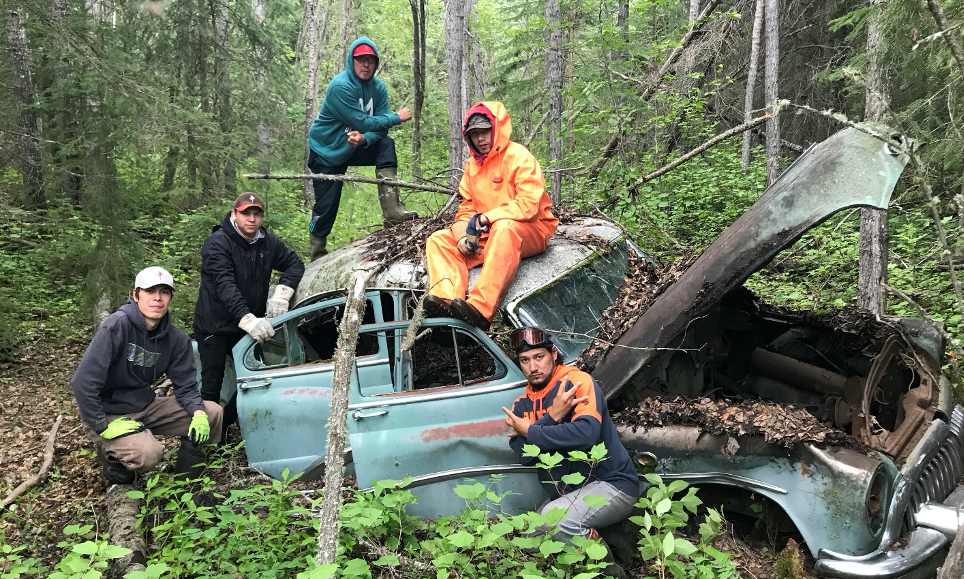
Youth trainees after finding a 1950 Buick Riviera while marking waypoints on historical trails

Youth trainees after finding a 1950 Buick Riviera while marking waypoints on historical trails


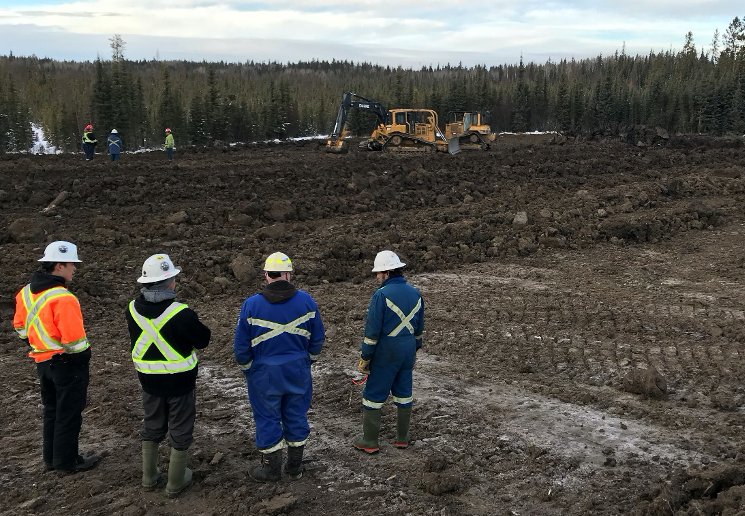
Mentorship during reclamation project on abandoned well-site

Mentorship during reclamation project on abandoned well-site


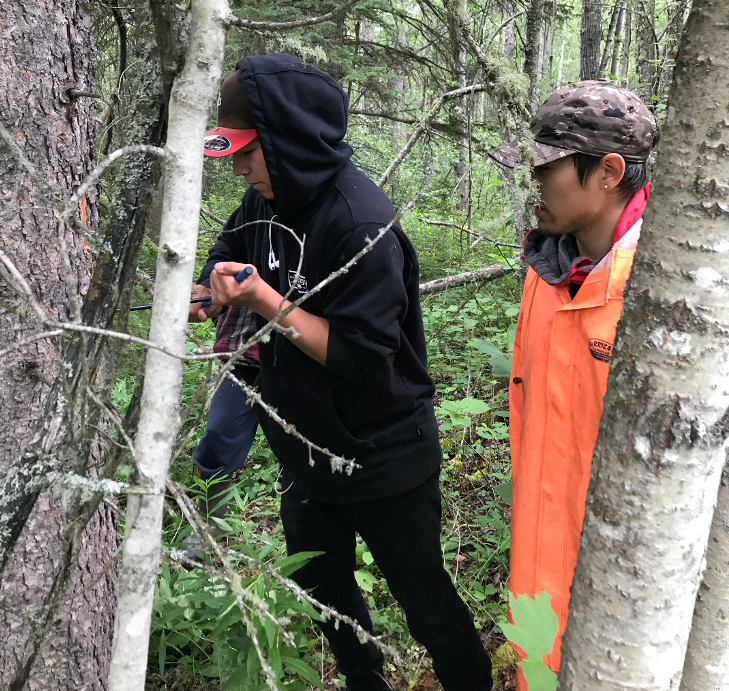
Youth use an increment borer to find the age of a tree

Youth use an increment borer to find the age of a tree


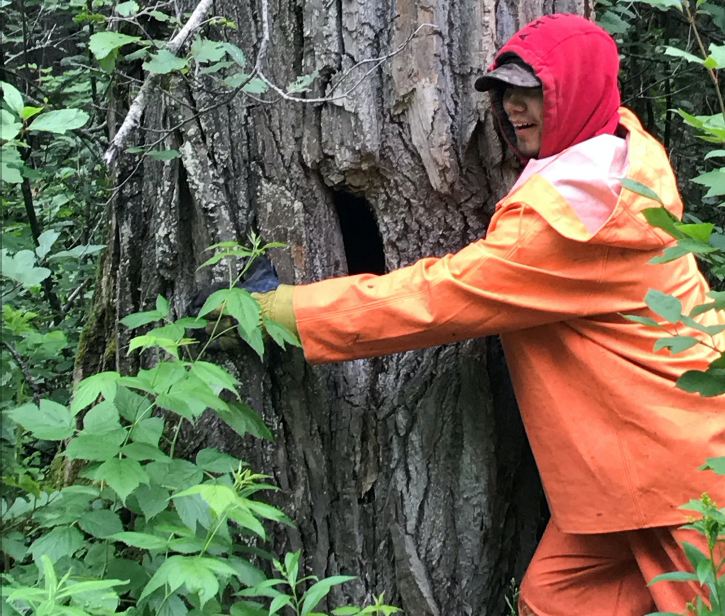
Youth expresses his love for a 150-year-old tree

Youth expresses his love for a 150-year-old tree


Youth pulls abandoned gill net from Utikumasis Lake during lake sweep

Youth pulls abandoned gill net from Utikumasis Lake during lake sweep


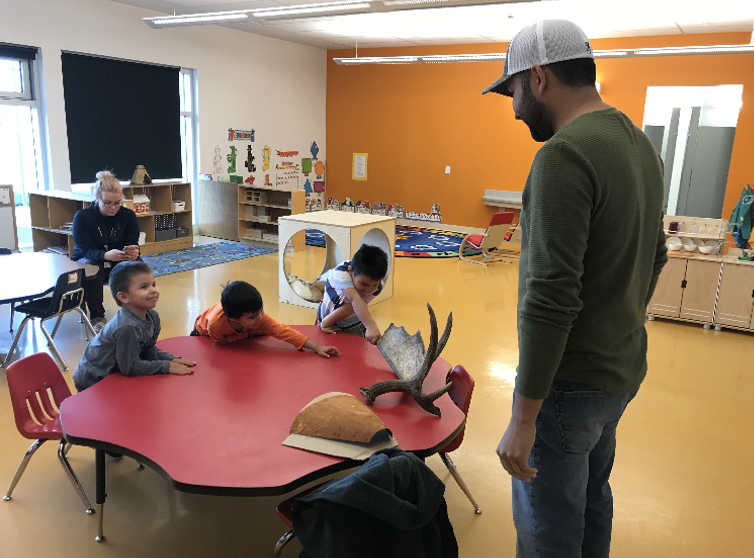
Pre-school session on the importance of moose. Included making birch bark callers

Pre-school session on the importance of moose. Included making birch bark callers


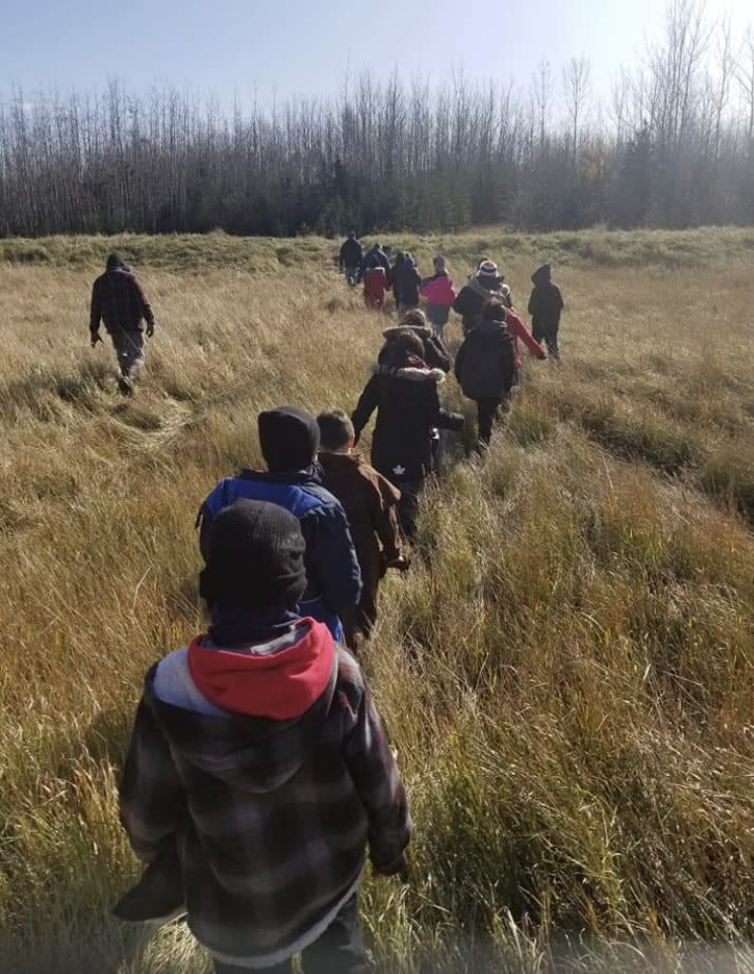
Grade 3 and 4 nature walk. Session on the role of rabbits in the environment and traditional snaring activity

Grade 3 and 4 nature walk. Session on the role of rabbits in the environment and traditional snaring activity

Grade 3 and 4 nature walk with information session

Grade 3 and 4 nature walk with information session


High School presentation and information session

High School presentation and information session


One of two signs designed and installed by Gift Lake Youth

One of two signs designed and installed by Gift Lake Youth


New community garden

New community garden


Author: Gift Lake Métis Settlement

Events

Nothing Found

Sorry, no posts matched your criteria