• Link to X
  • Link to Facebook
  • Link to Instagram
  • Link to Rss this site
Indigenous Climate Hub
  • Home
    • About Us
  • Climate Action Programs
    • First Nation Adapt Program
      • Indigenous Climate Change Adaptation Gatherings
    • Indigenous Community-Based Climate Monitoring Program
    • Climate Change and Health Adaptation Program
    • Climate Change Preparedness in the North
    • Environment and Climate Change Canada
  • Funding
  • Resources
    • Climate Change Directory
    • Resource Library
    • Community Adaptation Projects
  • Events
  • Podcast
  • Blog
  • Contact/FAQs
  • Click to open the search input field Click to open the search input field Search
  • Menu Menu

Adapting to Climate Change through Indigenous-led Watershed Planning
Blog, Climate Change
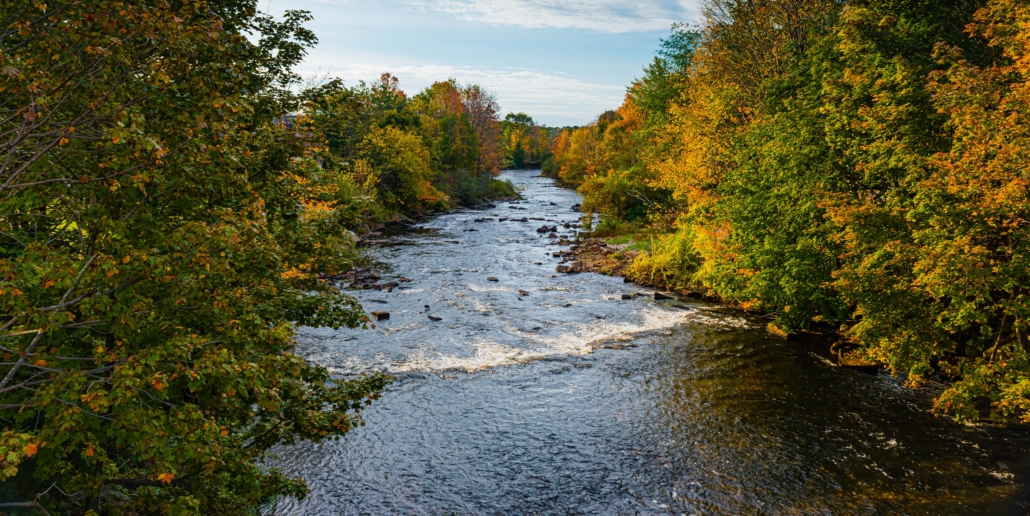
Stephen Walker (Unsplash)

Indigenous-led watershed planning is crucial for Indigenous communities to adapt to the fast pace of climate change. A watershed is a physical area that absorbs rain and snow into underground sources of water, such as, rivers, creeks, and streams, and catches the elements in lakes, oceans, and other bodies of water that are all aboveground. Watershed planning involves the decisions that people make to determine what happens to water in an entire physical region, as well as what happens to it at the local community level.

Target 15 of the 2020 Biodiversity Goals and Targets for Canada states: “By 2020, Aboriginal traditional knowledge is respected, promoted and, where made available by Aboriginal peoples, regularly, meaningfully and effectively informing biodiversity conservation and management decision-making.” Although Indigenous inclusion in state-driven biodiversity planning, such as planning for watersheds, is important, it is not at the heart of Indigenous-led watershed planning.

Values behind Indigenous-led watershed planning, which can include interconnectedness, self-determination, education, and resilience, among others, are what make Indigenous-led watershed planning different from dominating non-Indigenous watershed planning practices. For example, water is a sacred life-source and holds cultural significance for Indigenous peoples. As noted in the First Nations Integrated Watershed Planning guidebook, created by the Centre for Indigenous Environmental Resources (CIER), First Nation-led watershed planning asks different questions than non-Indigenous-led watershed planning – questions such as: “if water is alive and represents life – if we are all connected and embody an ethic of reciprocity in our decisions and daily lives – what would be the different outcomes of a watershed planning process?”

Stewardship is integral to Indigenous-led watershed planning. The National Indigenous Guardians Network (NIGN) is an Indigenous-led and Canadian federally-funded pilot project – a network of Indigenous stewards of the land, water, and ice. Inspired by a similar network of Indigenous environmental stewardship in Australia, the NGIN has engaged in watershed planning projects across Canada. Furthermore, Indigenous communities, on their own, or in partnership with universities, are creating climate adaptation plans that include watershed planning. For example, the Karuk Tribe has created its own Climate Adaptation Plan which includes practices to protect rivers and riverbeds (i.e., riparian practices). Furthermore, the Tribal Climate Tool, a partnership among Indigenous communities, including the Swinomish, and the Climate Impacts Group at the University of Washington, provides data to help Indigenous communities make their own climate adaptation decisions, by including measurements, such as rain fall and temperature.

Indigenous-led watershed planning can strike a balance among diverse cultural values, as well as needs of the natural environment, and of Indigenous communities. Some communities may consider including economic development priorities in their watershed plans too, such as energy conservation and generation projects, while protecting Traditional Ecological Knowledge (TEK). Climate adaptation plans that are rooted in both present needs and values and future aspirations, enable Indigenous communities to adapt to environmental changes as they happen, and hold the potential to enable Indigenous people to adapt to climate change better than ever before.


By Leela Viswanathan

August 15, 2020/by IndigenousClimateHub
Tags: CIER, First Nations, Indigenous, National Indigenous Guardians Network, Traditional Ecological Knowledge, Watershed, Watershed Planning
Share this entry
  • Share on Facebook
  • Share on X
  • Share on WhatsApp
  • Share on Pinterest
  • Share on LinkedIn
  • Share on Tumblr
  • Share on Reddit
  • Share by Mail
https://indigenousclimatehub.ca/wp-content/uploads/2020/08/Watershed3_stephen-walker-zHi_Hq2yR1k-unsplash-scaled.jpg 1282 2560 IndigenousClimateHub https://indigenousclimatehub.ca/wp-content/uploads/2020/10/logo-horiz-clr-01-small-300x88.png IndigenousClimateHub2020-08-15 07:00:132020-08-07 19:52:10Adapting to Climate Change through Indigenous-led Watershed Planning
You might also like
Indigenous-led Conservation of Caribou
Tawny Stowe Change is Constant
Installation of north end weather monitorGift Lake Métis Settlement Education Through Interaction: A Community-Based Approach to Environmental Monitoring and Climate Change
CIER Launches New Climate Change Planning Toolkit for Indigenous Communities
Photo Credit Ahmed-Hossam-Unsplash Healing in the Time of Climate Change: Indigenous Ways of Knowing for Mental Health and the More-Than-Human World
forestEnvato Elements (Licensed) Documentary Launch – A Different Kind of Gathering: We are One. Hishuk’ish Tsawalk – Everything is One
X Logo X Logo Followon X RSS Feed Logo RSS Feed Logo Subscribeto RSS Feed

Subscribe to Our Blog

This field is required.

Check your inbox or spam folder to confirm your subscription.

Recent Posts

  • Water Is a Relative, Not a Resource
  • The River Is Telling Us Something: Indigenous-Led Water Monitoring as Canada’s Climate Early Warning System
  • Night Skies and Shifting Stars: How Indigenous Celestial Knowledge Tracks a Changing Climate
  • From Ownership to Relationship: Reclaiming Our Responsibilities to Land
  • Human Foolishness in Floodplains

Archives

  • June 2026
  • May 2026
  • April 2026
  • March 2026
  • February 2026
  • January 2026
  • December 2025
  • November 2025
  • October 2025
  • September 2025
  • August 2025
  • July 2025
  • June 2025
  • May 2025
  • April 2025
  • March 2025
  • February 2025
  • January 2025
  • December 2024
  • November 2024
  • October 2024
  • September 2024
  • August 2024
  • July 2024
  • June 2024
  • May 2024
  • April 2024
  • March 2024
  • February 2024
  • January 2024
  • December 2023
  • November 2023
  • October 2023
  • September 2023
  • August 2023
  • July 2023
  • June 2023
  • May 2023
  • April 2023
  • March 2023
  • February 2023
  • January 2023
  • December 2022
  • November 2022
  • October 2022
  • September 2022
  • August 2022
  • July 2022
  • June 2022
  • May 2022
  • April 2022
  • March 2022
  • February 2022
  • January 2022
  • December 2021
  • November 2021
  • October 2021
  • September 2021
  • August 2021
  • July 2021
  • June 2021
  • May 2021
  • April 2021
  • March 2021
  • February 2021
  • January 2021
  • December 2020
  • November 2020
  • October 2020
  • September 2020
  • August 2020
  • July 2020
  • June 2020
  • February 2020
  • October 2019
  • August 2019
  • July 2019
  • June 2019
  • May 2019
  • April 2019
  • March 2019

Categories

  • Adaptation
  • Alberta
  • Announcements
  • Arctic
  • Atlantic/NB
  • Awards
  • Blog
  • British Columbia
  • Climate Change
  • Climate Change Adaptation
  • Climate Change Education
  • Climate Change News
  • Climate Change Project
  • Climate Crisis
  • Climate Monitoring
  • Community Engagement
  • Community-Based Environmental Monitoring
  • Documentaries
  • Documentary
  • Events
  • Flooding
  • Food
  • Food Security
  • Food Sovereignty
  • Forest Fires
  • Funding Opportunity
  • ICCAG 2019
  • Indigenous Perspectives
  • Manitoba
  • Media
  • Métis
  • Métis Settlement
  • News
  • Op-Ed
  • Quebec
  • Saskatchewan
  • Technology
  • Video
  • Water
  • Webinars

Tags

Alberta Arctic Arctic Resilience Forum British Columbia Carbon Sequestration Caribou Caribou Recovery CIRNAC Climate Adaptation Climate Change Climate Change Adaptation Climate Resilience Community Engagement Education Environmental Stewardship Environment and Climate Change Canada (ECCC) First Nations Flooding Food Security Food Sovereignty Global Warming Indigenous Indigenous Guardians Toolkit Indigenous Knowledge Indigenous Stewardship Infrastructure Inuit landscape Mental Health Paris Agreement Policy Renewable Energy Research Resilience Science Traditional Ecological Knowledge Traditional Ecological Knowledge (TEK) Traditional Knowledge UNDRIP United Nations United Nations (UN) Webinar Wildfires WWF-Canada Youth
Contact

About Us

The Indigenous Climate Hub is a unique online community of Indigenous climate change leaders that have come together to share their stories and climate change adaptation experiences. The website is the result of the recommendations brought forward by Indigenous peoples at the Indigenous Climate Change Adaptation Gathering in 2018.

Indigenous Climate Hub Podcast

Be a part of the Indigenous Climate Hub Podcast. We are looking for unique perspectives and experiences in environmental stewardship, Indigenous ecological and traditional knowledge, and resource management offer valuable knowledge and teachings that can benefit Indigenous communities across Turtle Island and beyond.

Indigenous-led Initiatives

Are you a program or organization that funds or supports Indigenous Peoples  working on climate change initiatives?  If you would like to provide information to potential recipients here, please reach out to Okwaho so that we can work with you to highlight your program.

© Copyright - Indigenous Climate Hub, 2025-2026
  • Terms of Service
  • Privacy Policy
Link to: The Indigenous Food Sovereignty Movement: Helping in the fight against food insecurity Link to: The Indigenous Food Sovereignty Movement: Helping in the fight against food insecurity The Indigenous Food Sovereignty Movement: Helping in the fight against food...Bart Heird (Unsplash) Link to: Saddle Lake Cree Nation Water Vulnerability Assessment Project and Documentary Link to: Saddle Lake Cree Nation Water Vulnerability Assessment Project and Documentary Saddle Lake Water Treatment PlantSaddle Lake Cree NationSaddle Lake Cree Nation Water Vulnerability Assessment Project and Document...
Scroll to top Scroll to top Scroll to top