Climate Education as Stewardship, Part 1: Why Every Student in Canada Should Learn to Build a Livable Future
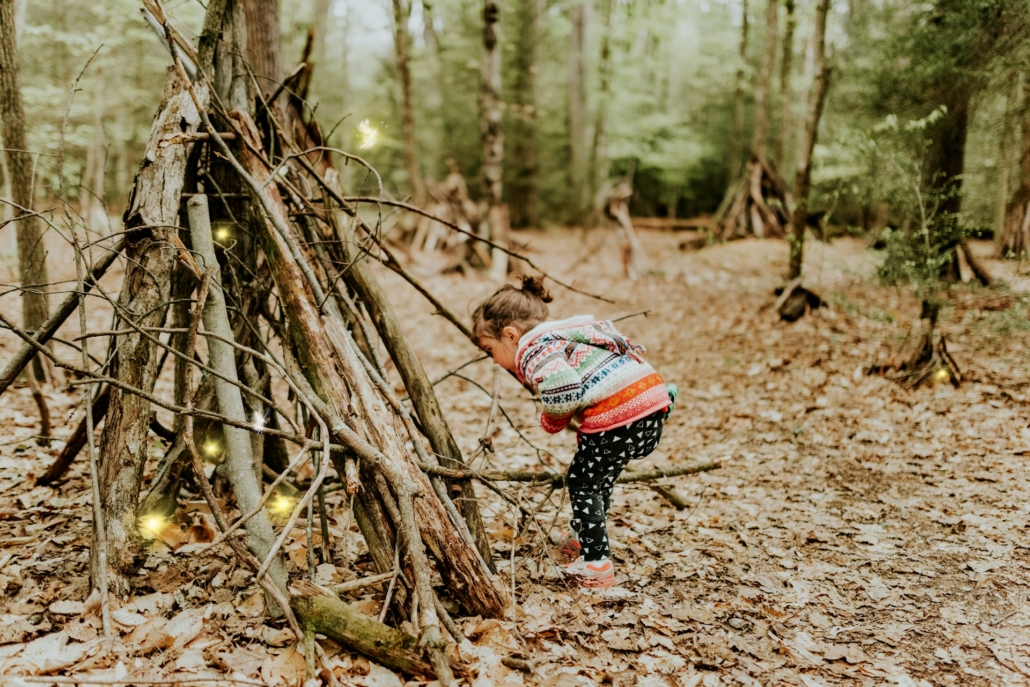
Canadian students are already living through climate change.
For many, it is becoming part of everyday life: summer skies coloured by wildfire smoke, heat warnings, floods that disrupt communities, and familiar places changing in ways their parents and grandparents did not experience. Climate change is part of the world young people are inheriting, not simply a distant scientific projection.
Canadian schools are not starting from zero. Climate change and environmental learning already appear in provincial and territorial curricula, including required subjects. Ontario’s elementary science and technology curriculum and Grade 9 science course, for example, include explicit learning about environmental systems, climate change, and its impacts.
The challenge is that the depth, sequencing, and placement of climate learning vary across the country. Opportunities for more specialized study may also depend on students choosing particular senior-secondary electives. Required curriculum expectations establish an important foundation, but they are not the same thing as a consistent pathway that connects scientific understanding, practical skills, governance, community responsibility, and future livelihoods.
The next step should be to strengthen and connect that learning—not dismiss the work schools and educators are already doing.
Every student should graduate with a meaningful understanding of climate, environment, and ecological responsibility. Not because children and youth should be expected to solve a crisis created by previous generations, but because they deserve the knowledge, relationships, practical skills, and confidence to help shape the world ahead.
Done well, a strengthened climate curriculum would connect what is already in a crowded school day rather than simply add to it: science, local history, Indigenous governance, food, water, health, work, business, technology, and community responsibility.
Its organizing idea would be stewardship: learning how living systems work, understanding our responsibilities within them, and developing the capacity to care for the places and communities that sustain us.
This post, the first of two, makes the case for a sustained progression of required learning, explains why Indigenous leadership must shape it from the start, and describes where that learning should begin.
Climate literacy is now basic literacy
We already recognize that students need literacy in reading, mathematics, technology, and citizenship. Climate literacy deserves comparable attention.
Students should be able to understand climate evidence, distinguish weather from climate, recognize risks, assess proposed solutions, and participate thoughtfully in decisions about their communities. They should also understand the difference between mitigation—reducing the causes of climate change—and adaptation—preparing for and responding to its effects.
Existing curricula provide foundations to build on. Ontario’s Grade 9 science course, for example, requires students to assess climate change’s effects on ecosystem sustainability and on communities, including First Nations, Métis, and Inuit communities. Related environmental and climate learning also appears in the elementary science curriculum.
The question is how to connect those foundations into a sustained progression from elementary school to graduation.
Provinces and territories should strengthen climate and environmental learning throughout elementary and secondary school and establish a required senior-secondary credit before graduation. Curriculum and graduation requirements would need to be developed through the authorities responsible for those education systems, rather than imposed through a single federal school curriculum.
This work should be developed with First Nations, Inuit, and Métis governments, educators, and education authorities, respecting their distinct jurisdictions, institutions, and priorities.
The goal would not be a generation of climate scientists. It would be graduates who can understand evidence, recognize risks, evaluate choices, and contribute to a future that is more resilient, fair, and life-sustaining.
More than a course about carbon
A climate curriculum informed by Indigenous leadership should not reduce climate change to carbon emissions, technological fixes, or individual consumer choices.
It should also make room for questions about relationships with land, water, animals, plants, ancestors, and future generations. It should examine the responsibilities that sustain those relationships and the conditions Indigenous Nations need to exercise jurisdiction, protect territories, maintain cultural practices, and define their own futures.
That requires more than inserting an Indigenous perspective into an otherwise unchanged environmental-science course. It means making space for a different organizing question:
What responsibilities do we hold to the lands, waters, communities, and future generations that make our lives possible?
Asking that question well means recognizing that Indigenous Peoples are not a single, homogeneous source of environmental wisdom. First Nations, Inuit, and Métis Peoples have distinct governments, laws, languages, territories, histories, and priorities.
Students should encounter Indigenous Peoples as contemporary rights-holders, governments, educators, and decision-makers—not simply as voices from the past or sources of teachings to supplement someone else’s curriculum.
A course should invite students to examine Nation-led approaches to stewardship, conservation, energy, food systems, water protection, emergency preparedness, and economic development. The purpose would be to understand who is leading, what responsibilities and authorities guide their work, and how communities define their own priorities.
Indigenous leadership cannot be an afterthought
A strengthened climate curriculum should not ask Indigenous People to provide a few stories, a guest presentation, or a ceremonial opening while the underlying structure remains unchanged.
It should be co-developed through meaningful relationships with First Nations, Inuit, and Métis governments, educators, Elders, Knowledge Holders, youth, and community organizations.
It should also be connected to place. A student in Nunavut, northern Manitoba, downtown Toronto, Mi’kma’ki, the Okanagan, Treaty 6 territory, or coastal British Columbia should encounter learning grounded in the living realities and relationships of that place.
That does not mean designing one Indigenous “module” and placing it in every classroom. It means building the relationships necessary to determine what learning is appropriate, who should guide it, and how it should be shared.
Schools should:
- Support long-term relationships with local Nations and Indigenous education authorities.
- Compensate people for their time and expertise.
- Respect Indigenous intellectual property, data sovereignty, and knowledge-sharing protocols.
- Seek guidance from the relevant knowledge holders and authorities about what may be shared.
- Avoid treating public access to a teaching as permission to reproduce or adapt it without consideration of context.
Respecting Indigenous knowledge also means refusing a simplistic choice between Indigenous knowledge and science.
Students need strong climate science. They should also learn to engage respectfully with distinct Indigenous knowledge systems, without assuming those systems are interchangeable with one another or valuable only when they confirm scientific findings.
The aim should be responsible learning grounded in evidence, humility, relationships, and respect for different knowledge systems and authorities.
Start with relationship in elementary school
At the elementary level, climate education should begin with place rather than catastrophe.
Children need honest, age-appropriate explanations of environmental change. They also need opportunities to know the living systems around them and develop the curiosity, observation skills, and confidence that make environmental care practical and shared.
That learning can start close to home: where drinking water comes from, where rainwater goes after a storm, what lives in a nearby wetland or ravine, how food reaches the table, and how seasons shape the lives of people, animals, and plants.
Existing elementary curricula already offer opportunities for these connections. Ontario students, for example, encounter environmental systems, biodiversity, human impacts, and related scientific concepts through required learning.
The opportunity is to make those connections more explicit and sustained: a progression that brings them together around relationship, responsibility, and ecological interdependence.
Depending on local circumstances, that learning could include:
- Seasonal observation journals tracking weather, daylight, plants, animals, and water.
- Neighbourhood mapping of shade, trees, gardens, transit, and areas exposed to heat or flooding.
- School gardens, native-plant projects, pollinator habitat, composting, and food-growing initiatives.
- Watershed learning that follows water through a community.
- Community walks with local educators, land stewards, or invited Knowledge Holders.
- Projects to reduce waste, conserve energy, support biodiversity, or improve school preparedness.
- Storytelling, art, local history, language learning, and oral-history projects connecting students to place.
These activities should not depend entirely on a school’s fundraising capacity or access to distant field trips. Local observation and community inquiry can be valuable, while equitable funding should support the materials, transportation, accessibility measures, and partnerships needed for fuller participation.
By the end of elementary school, students should have a growing understanding that ecosystems are interconnected, environmental changes affect communities differently, and caring for land and water involves shared responsibilities.
They should also have experienced themselves as capable participants in that care.
Next: a high-school course for the world ahead
Elementary school builds foundations through observation, relationship, and practical learning. Secondary school can deepen the science and introduce more complex questions about governance, justice, technology, work, and economic change.
Part 2 proposes a required senior-secondary credit that builds on existing learning rather than replacing it. It brings together climate evidence, Indigenous jurisdiction, the assessment of proposed solutions, and the careers and enterprises a changing world will need.
The purpose is to help students move from awareness to understanding—and from uncertainty about the future to the capacity to participate in shaping it.
By Rye Karonhiowanen Barberstock
 Unsplash (Licensed)
 Unsplash Community, Licensed
 Ries Bosch, Unsplash
 Image Credit-Yunus Tug-Unsplash
 Envato Elements (Licensed)