• Link to X
  • Link to Facebook
  • Link to Instagram
  • Link to Rss this site
Indigenous Climate Hub
  • Home
    • About Us
  • Climate Action Programs
    • First Nation Adapt Program
      • Indigenous Climate Change Adaptation Gatherings
    • Indigenous Community-Based Climate Monitoring Program
    • Climate Change and Health Adaptation Program
    • Climate Change Preparedness in the North
    • Environment and Climate Change Canada
  • Funding
  • Resources
    • Climate Change Directory
    • Resource Library
    • Community Adaptation Projects
  • Events
  • Podcast
  • Blog
  • Contact/FAQs
  • Click to open the search input field Click to open the search input field Search
  • Menu Menu

Naming, Knowing, and Listening: Deepening Our Understanding of Personhood in Place and Space
Blog, Op-Ed
James Shook

In many Indigenous cultures, the natural world is not simply a resource or a backdrop to human existence—it is a network of living relations. Mountains, rivers, lakes, and forests are Ancestors, Teachers, and Knowledge Holders. They are conscious, interconnected beings with roles, responsibilities, and ways of knowing. They exist with agency, autonomy, and spirit.

In recent years, we have seen essential movements led by Indigenous Peoples to protect these living relations through the legal concept of personhood. While this concept reflects strategic and visionary leadership, it also invites us to reflect on how legal systems can evolve to honour natural law and relational responsibilities fully.

Personhood as Protection: Reclaiming Relationship in Law

Indigenous Nations have led efforts to grant legal personhood to places and spaces to reassert relationships with lands and waters through recognition, stewardship, and care.

Here are three well-known examples:

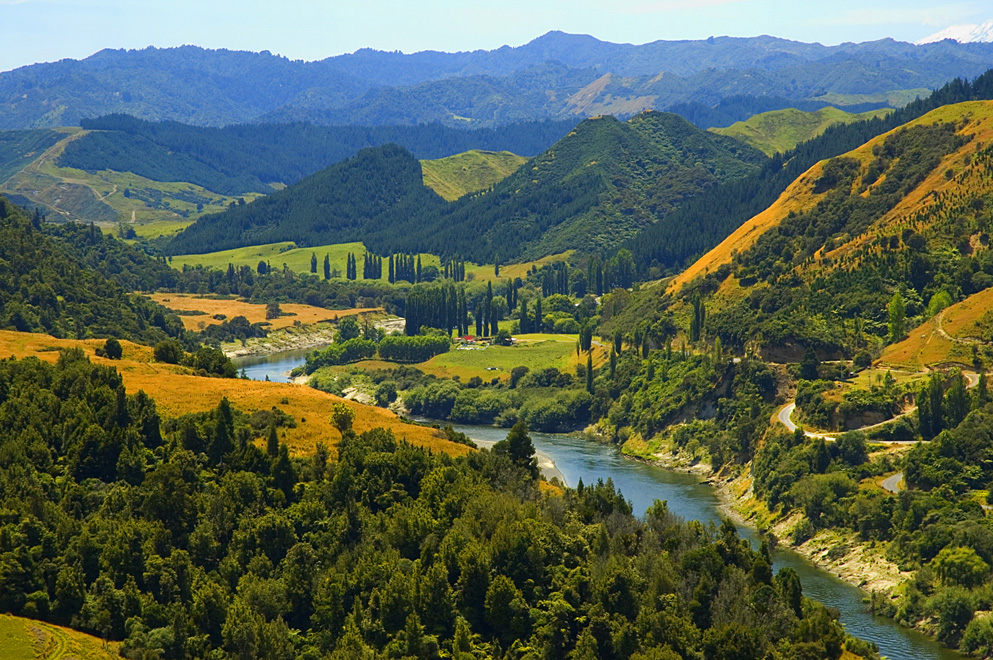
  1. The Whanganui River, Aotearoa (New Zealand). In 2017, the river was granted legal personhood through the Te Awa Tupua Act, affirming its identity as a living and indivisible being. Whanganui iwi (tribes) had long maintained the relationship expressed in the phrase “Ko au te awa, ko te awa ko au”—I am the river, and the river is me.
  2. The Magpie River (Muteshekau-shipu), Quebec, Canada. In 2021, the Innu Council of Ekuanitshit and the Municipality of Minganie recognized the Magpie River as a legal person, granting it the right to flow freely and maintain its biodiversity. This step blended Innu relational values with legal innovation.
  3. Te Urewera, Aotearoa (New Zealand). Once a national park, Te Urewera is now recognized as its own legal entity. No longer owned by the Crown, it is governed by a board rooted in Tūhoe knowledge and law. The act marked a return to Indigenous stewardship based on belonging, not ownership.

These examples show how personhood can shift power, reassert Indigenous relationships to land, and reframe governance. They are not about control—they are about honouring the relational nature of land.

Expanding the Conversation: Are There Other Ways to Relate?


While personhood is a valuable and strategic legal tool, some Indigenous thinkers and Knowledge Holders are asking more profound questions: Is personhood the only or best way to express the agency and autonomy of land, water, and ecosystems? Or is it simply one way—among many—that humans are trying to re-learn how to live in a relationship with the natural world?

Legal personhood is rooted in human systems of law. It translates nature’s being into a framework designed for humans to understand and work with. In doing so, it can unintentionally reinforce anthropocentric norms—even as it tries to disrupt them. It can create situations where humans still speak for the land, even when the intent is to honour it.

So perhaps the question isn’t whether personhood is “right” or “wrong,” but how we continue to evolve our systems from recognition to relationship, from ownership to responsibility, and from control to care.

Listening to the Land: Mother Earth as the Decision-Maker


In Indigenous philosophies, Mother Earth is not passive. She is the ultimate knowledge holder and discretionary decision-maker. Her movements—through storms, regeneration, and seasonal shifts—demonstrate her agency. She knows how to maintain balance. Sometimes, that balance comes with fire, drought, or flood.

We risk forgetting this truth when humanity positions itself as the sole decision-maker. We must remember that we are not the stewards of nature; we are part of nature. Good stewardship is not about imposing control—it’s about listening, learning, and following the laws already in place.

Relational Governance: Beyond Legal Recognition

The future of protecting land and water may lie in legal personhood and the resurgence of relational governance—governance guided by natural law and responsibilities, not just rights.

This means:

  • Protocols of consent and relationship-building with land, not just legal agreements.
  • Ceremonial and cultural practices that connect us to place and teach humility.
  • Indigenous place names that encode ecological knowledge and spirit.
  • Community economies that work within the capacity of the land are not in opposition to it.

These frameworks honour the land as a relation—not as an entity to be interpreted through legal terms alone.

Speaking With, Not For


Indigenous-led personhood efforts are potent steps in reclaiming the relationship between land and law. But we must also remain mindful that speaking for land—even with good intentions—can sometimes reproduce colonial habits of thought.

Let us instead learn to speak with the land, remembering that the land has always spoken—our role is to listen, support, and respond kindly. When we move from human-centred protection to land-centred relationships, we begin to embody what it truly means to live in good relations.

Mother Earth is not ours to define. She is our relation to honour.


By Rye Karonhiowanen Barberstock

(Image Credit: James Shook, “Whanganui River,” Wikimedia Commons)

April 15, 2025/by IndigenousClimateHub
Tags: Aotearoa, Autonomy of ecosystems, Autonomy of land, Autonomy of water, Canada, Ecosystems, Legal Recognition, Magpie River, Muteshekau-shipu, New Zealand, Ownership, Personhood, Protocols of Consent, Quebec, Recognition, Relational Governance, Relationship, Responsibility, Te Urewera, Whanganui River
Share this entry
  • Share on Facebook
  • Share on X
  • Share on WhatsApp
  • Share on Pinterest
  • Share on LinkedIn
  • Share on Tumblr
  • Share on Reddit
  • Share by Mail
https://indigenousclimatehub.ca/wp-content/uploads/2025/04/Whanganui_River.jpg 660 993 IndigenousClimateHub https://indigenousclimatehub.ca/wp-content/uploads/2020/10/logo-horiz-clr-01-small-300x88.png IndigenousClimateHub2025-04-15 16:14:082025-04-10 16:38:06Naming, Knowing, and Listening: Deepening Our Understanding of Personhood in Place and Space
You might also like
Climate Resilience and Indigenous Values
Documentary – Keepers of the Coast
X Logo X Logo Followon X RSS Feed Logo RSS Feed Logo Subscribeto RSS Feed

Subscribe to Our Blog

This field is required.

Check your inbox or spam folder to confirm your subscription.

Recent Posts

  • Water Is a Relative, Not a Resource
  • The River Is Telling Us Something: Indigenous-Led Water Monitoring as Canada’s Climate Early Warning System
  • Night Skies and Shifting Stars: How Indigenous Celestial Knowledge Tracks a Changing Climate
  • From Ownership to Relationship: Reclaiming Our Responsibilities to Land
  • Human Foolishness in Floodplains

Archives

  • June 2026
  • May 2026
  • April 2026
  • March 2026
  • February 2026
  • January 2026
  • December 2025
  • November 2025
  • October 2025
  • September 2025
  • August 2025
  • July 2025
  • June 2025
  • May 2025
  • April 2025
  • March 2025
  • February 2025
  • January 2025
  • December 2024
  • November 2024
  • October 2024
  • September 2024
  • August 2024
  • July 2024
  • June 2024
  • May 2024
  • April 2024
  • March 2024
  • February 2024
  • January 2024
  • December 2023
  • November 2023
  • October 2023
  • September 2023
  • August 2023
  • July 2023
  • June 2023
  • May 2023
  • April 2023
  • March 2023
  • February 2023
  • January 2023
  • December 2022
  • November 2022
  • October 2022
  • September 2022
  • August 2022
  • July 2022
  • June 2022
  • May 2022
  • April 2022
  • March 2022
  • February 2022
  • January 2022
  • December 2021
  • November 2021
  • October 2021
  • September 2021
  • August 2021
  • July 2021
  • June 2021
  • May 2021
  • April 2021
  • March 2021
  • February 2021
  • January 2021
  • December 2020
  • November 2020
  • October 2020
  • September 2020
  • August 2020
  • July 2020
  • June 2020
  • February 2020
  • October 2019
  • August 2019
  • July 2019
  • June 2019
  • May 2019
  • April 2019
  • March 2019

Categories

  • Adaptation
  • Alberta
  • Announcements
  • Arctic
  • Atlantic/NB
  • Awards
  • Blog
  • British Columbia
  • Climate Change
  • Climate Change Adaptation
  • Climate Change Education
  • Climate Change News
  • Climate Change Project
  • Climate Crisis
  • Climate Monitoring
  • Community Engagement
  • Community-Based Environmental Monitoring
  • Documentaries
  • Documentary
  • Events
  • Flooding
  • Food
  • Food Security
  • Food Sovereignty
  • Forest Fires
  • Funding Opportunity
  • ICCAG 2019
  • Indigenous Perspectives
  • Manitoba
  • Media
  • Métis
  • Métis Settlement
  • News
  • Op-Ed
  • Quebec
  • Saskatchewan
  • Technology
  • Video
  • Water
  • Webinars

Tags

Alberta Arctic Arctic Resilience Forum British Columbia Carbon Sequestration Caribou Caribou Recovery CIRNAC Climate Adaptation Climate Change Climate Change Adaptation Climate Resilience Community Engagement Education Environmental Stewardship Environment and Climate Change Canada (ECCC) First Nations Flooding Food Security Food Sovereignty Global Warming Indigenous Indigenous Guardians Toolkit Indigenous Knowledge Indigenous Stewardship Infrastructure Inuit landscape Mental Health Paris Agreement Policy Renewable Energy Research Resilience Science Traditional Ecological Knowledge Traditional Ecological Knowledge (TEK) Traditional Knowledge UNDRIP United Nations United Nations (UN) Webinar Wildfires WWF-Canada Youth
Contact

About Us

The Indigenous Climate Hub is a unique online community of Indigenous climate change leaders that have come together to share their stories and climate change adaptation experiences. The website is the result of the recommendations brought forward by Indigenous peoples at the Indigenous Climate Change Adaptation Gathering in 2018.

Indigenous Climate Hub Podcast

Be a part of the Indigenous Climate Hub Podcast. We are looking for unique perspectives and experiences in environmental stewardship, Indigenous ecological and traditional knowledge, and resource management offer valuable knowledge and teachings that can benefit Indigenous communities across Turtle Island and beyond.

Indigenous-led Initiatives

Are you a program or organization that funds or supports Indigenous Peoples  working on climate change initiatives?  If you would like to provide information to potential recipients here, please reach out to Okwaho so that we can work with you to highlight your program.

© Copyright - Indigenous Climate Hub, 2025-2026
  • Terms of Service
  • Privacy Policy
Link to: Reimagining Our Relationship with Natural Resources: A Path Toward Climate Resilience through Natural Law and Decommodification Link to: Reimagining Our Relationship with Natural Resources: A Path Toward Climate Resilience through Natural Law and Decommodification Reimagining Our Relationship with Natural Resources: A Path Toward Climate Resilience...Fellipe Ditadi, Unsplash+ Link to: Climate Colonialism: Unpacking the Global Systems Impacting Indigenous Territories Link to: Climate Colonialism: Unpacking the Global Systems Impacting Indigenous Territories Casey Horner, UnsplashClimate Colonialism: Unpacking the Global Systems Impacting Indigenous Terr...
Scroll to top Scroll to top Scroll to top