
• Link to X
  • Link to Facebook
  • Link to Instagram
  • Link to Rss this site
Indigenous Climate Hub
  • Home
    • About Us
  • Climate Action Programs
    • First Nation Adapt Program
      • Indigenous Climate Change Adaptation Gatherings
    • Indigenous Community-Based Climate Monitoring Program
    • Climate Change and Health Adaptation Program
    • Climate Change Preparedness in the North
    • Environment and Climate Change Canada
  • Funding
  • Resources
    • Climate Change Directory
    • Resource Library
    • Community Adaptation Projects
  • Events
  • Podcast
  • Blog
  • Contact/FAQs
  • Click to open the search input field Click to open the search input field Search
  • Menu Menu

Community Social Networks and Indigenous Resilience to Climate Change
Blog, Climate Change Adaptation
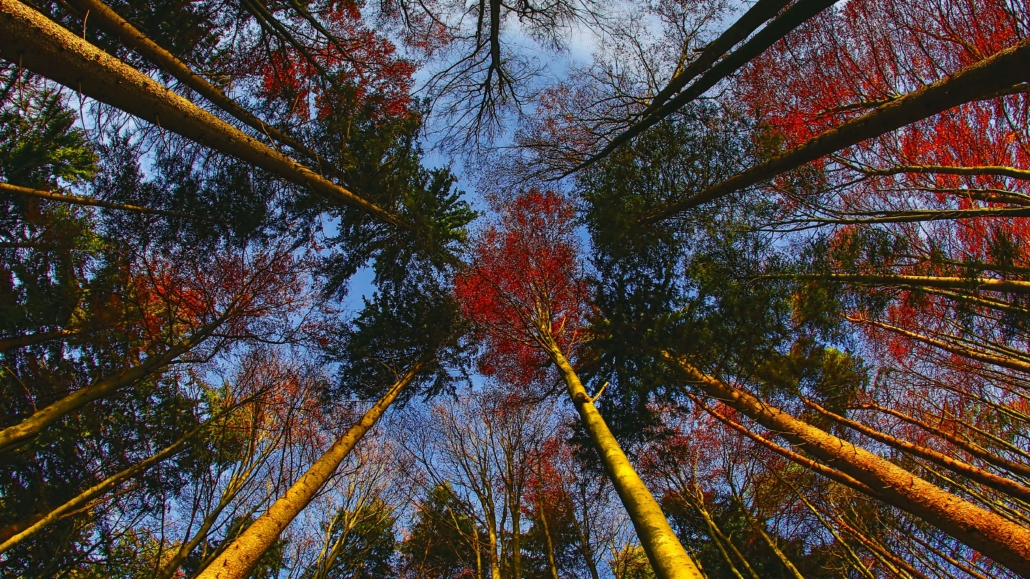
Trees

Strong social networks play an important role in sustaining an Indigenous community’s resilience to climate change. The term social capital  is used to explain the ties that connect a community together through common identity, like kinship ties (i.e., bonding), and the ways in which one community builds a connection with another, beyond shared identity (i.e., bridging). Social capital is characterized by “levels of trust” and by how people are able to secure and transfer resources and benefits of social capital through their engagement with each other’s different social connections.

Social capital is enhanced by community resilience and is threatened by community vulnerabilities. However, communities experience both resilience and vulnerability to climate and environmental changes, simultaneously.  Vulnerability among Indigenous communities is created by processes that undermine Indigenous knowledge systems, that promote landscape fragmentation and land dispossession, and that threaten Indigenous rights and sovereignty, on top of the rapid pace of environmental change. In some Indigenous pastoral environments, as in arid and semi-arid regions in Kenya, gender, age, education, disability, are contributing factors to climate change vulnerability. Resilience is enhanced through connecting and learning from the land and exchanging knowledge about the land through social networks, especially in smaller communities.

As documented among Canada’s Northern Indigenous communities, when social networks are strong, there is less dependence on government policies and on infrastructure, to deal with the various “environmental stressors” associated with climate change. A criticism of Canadian policy is that it does not recognize differences between how Indigenous communities in Northern regions adapt to climate change compared to those communities located in Southern regions. Geographically isolated communities in Northern Canada depend heavily on social networks and traditional knowledge. Currently, social capital is not included in Canada’s overall policy approach to climate change adaptation. Government policy on climate change should incorporate factors like food security and resource distribution, which are key benefits of social networks.

Indigenous communities benefit from social capital through collective action to fight climate change. Collective action and is supported through acts of solidarity and practices of sharing and reciprocity. Sharing can include exchanges of food, offering shelter, different kinds of social support, and labour; it can also involve the sharing of risks. The impact of collective action varies in relation to power differences among group members or across different communities that work together. Collective action is affected by power relations in decision making, and so it may not always lead to community resilience. Ideally, collective action promotes flexibility, shared leadership, and exchanges of innovative adaptations to climate change.

How Indigenous communities draw from social networks to address the immediate impacts of climate change on their communities, and to adapt to climate change over time, needs further exploration. Ultimately, social capital is a crucial component to Indigenous climate change adaptation and it should be taken more seriously by climate change policy makers, in order to better understand and address, the vulnerability and the overall resilience of Indigenous communities to climate change.

By Leela Viswanathan


(Photo Credit: Ricardo Gomez Angel)
November 16, 2020/by IndigenousClimateHub
Tags: Collective Action, Community Resilience, Kenya, Northern Indigenous Communities, Social Capital
Share this entry
  • Share on Facebook
  • Share on X
  • Share on WhatsApp
  • Share on Pinterest
  • Share on LinkedIn
  • Share on Tumblr
  • Share on Reddit
  • Share by Mail
https://indigenousclimatehub.ca/wp-content/uploads/2020/11/ricardo-gomez-angel-QEDbmngXzvE-unsplash-scaled.jpg 1440 2560 IndigenousClimateHub https://indigenousclimatehub.ca/wp-content/uploads/2020/10/logo-horiz-clr-01-small-300x88.png IndigenousClimateHub2020-11-16 19:05:032020-11-18 19:05:36Community Social Networks and Indigenous Resilience to Climate Change
You might also like
The Role of Elders in Guiding Climate Change Mitigation: Wisdom from Canada’s First Nations
X Logo X Logo Followon X RSS Feed Logo RSS Feed Logo Subscribeto RSS Feed

Subscribe to Our Blog

This field is required.

Check your inbox or spam folder to confirm your subscription.

Recent Posts

  • Water Is a Relative, Not a Resource
  • The River Is Telling Us Something: Indigenous-Led Water Monitoring as Canada’s Climate Early Warning System
  • Night Skies and Shifting Stars: How Indigenous Celestial Knowledge Tracks a Changing Climate
  • From Ownership to Relationship: Reclaiming Our Responsibilities to Land
  • Human Foolishness in Floodplains

Archives

  • June 2026
  • May 2026
  • April 2026
  • March 2026
  • February 2026
  • January 2026
  • December 2025
  • November 2025
  • October 2025
  • September 2025
  • August 2025
  • July 2025
  • June 2025
  • May 2025
  • April 2025
  • March 2025
  • February 2025
  • January 2025
  • December 2024
  • November 2024
  • October 2024
  • September 2024
  • August 2024
  • July 2024
  • June 2024
  • May 2024
  • April 2024
  • March 2024
  • February 2024
  • January 2024
  • December 2023
  • November 2023
  • October 2023
  • September 2023
  • August 2023
  • July 2023
  • June 2023
  • May 2023
  • April 2023
  • March 2023
  • February 2023
  • January 2023
  • December 2022
  • November 2022
  • October 2022
  • September 2022
  • August 2022
  • July 2022
  • June 2022
  • May 2022
  • April 2022
  • March 2022
  • February 2022
  • January 2022
  • December 2021
  • November 2021
  • October 2021
  • September 2021
  • August 2021
  • July 2021
  • June 2021
  • May 2021
  • April 2021
  • March 2021
  • February 2021
  • January 2021
  • December 2020
  • November 2020
  • October 2020
  • September 2020
  • August 2020
  • July 2020
  • June 2020
  • February 2020
  • October 2019
  • August 2019
  • July 2019
  • June 2019
  • May 2019
  • April 2019
  • March 2019

Categories

  • Adaptation
  • Alberta
  • Announcements
  • Arctic
  • Atlantic/NB
  • Awards
  • Blog
  • British Columbia
  • Climate Change
  • Climate Change Adaptation
  • Climate Change Education
  • Climate Change News
  • Climate Change Project
  • Climate Crisis
  • Climate Monitoring
  • Community Engagement
  • Community-Based Environmental Monitoring
  • Documentaries
  • Documentary
  • Events
  • Flooding
  • Food
  • Food Security
  • Food Sovereignty
  • Forest Fires
  • Funding Opportunity
  • ICCAG 2019
  • Indigenous Perspectives
  • Manitoba
  • Media
  • Métis
  • Métis Settlement
  • News
  • Op-Ed
  • Quebec
  • Saskatchewan
  • Technology
  • Video
  • Water
  • Webinars

Tags

Alberta Arctic Arctic Resilience Forum British Columbia Carbon Sequestration Caribou Caribou Recovery CIRNAC Climate Adaptation Climate Change Climate Change Adaptation Climate Resilience Community Engagement Education Environmental Stewardship Environment and Climate Change Canada (ECCC) First Nations Flooding Food Security Food Sovereignty Global Warming Indigenous Indigenous Guardians Toolkit Indigenous Knowledge Indigenous Stewardship Infrastructure Inuit landscape Mental Health Paris Agreement Policy Renewable Energy Research Resilience Science Traditional Ecological Knowledge Traditional Ecological Knowledge (TEK) Traditional Knowledge UNDRIP United Nations United Nations (UN) Webinar Wildfires WWF-Canada Youth
Contact

About Us

The Indigenous Climate Hub is a unique online community of Indigenous climate change leaders that have come together to share their stories and climate change adaptation experiences. The website is the result of the recommendations brought forward by Indigenous peoples at the Indigenous Climate Change Adaptation Gathering in 2018.

Indigenous Climate Hub Podcast

Be a part of the Indigenous Climate Hub Podcast. We are looking for unique perspectives and experiences in environmental stewardship, Indigenous ecological and traditional knowledge, and resource management offer valuable knowledge and teachings that can benefit Indigenous communities across Turtle Island and beyond.

Indigenous-led Initiatives

Are you a program or organization that funds or supports Indigenous Peoples  working on climate change initiatives?  If you would like to provide information to potential recipients here, please reach out to Okwaho so that we can work with you to highlight your program.

© Copyright - Indigenous Climate Hub, 2025-2026
  • Terms of Service
  • Privacy Policy
Link to: Climate Resilience and Indigenous Values Link to: Climate Resilience and Indigenous Values Climate Resilience and Indigenous Values Link to: The United Nations SDG 13: Meeting the Global Challenge of Climate Action Link to: The United Nations SDG 13: Meeting the Global Challenge of Climate Action The United Nations SDG 13: Meeting the Global Challenge of Climate Action
Scroll to top Scroll to top Scroll to top