
• Link to X
  • Link to Facebook
  • Link to Instagram
  • Link to Rss this site
Indigenous Climate Hub
  • Home
    • About Us
  • Climate Action Programs
    • First Nation Adapt Program
      • Indigenous Climate Change Adaptation Gatherings
    • Indigenous Community-Based Climate Monitoring Program
    • Climate Change and Health Adaptation Program
    • Climate Change Preparedness in the North
    • Environment and Climate Change Canada
  • Funding
  • Resources
    • Climate Change Directory
    • Resource Library
    • Community Adaptation Projects
  • Events
  • Podcast
  • Blog
  • Contact/FAQs
  • Click to open the search input field Click to open the search input field Search
  • Menu Menu

Creating Synergies Between Indigenous Traditional and Modern Weather Forecasting to Facilitate Climate Adaptation
Blog, Climate Change Adaptation

Indigenous weather and climate forecasting indicators offer important information to facilitate adaptation to climate and weather variability. Dynamic processes involved with linking modern meteorological climate and weather forecasting with traditional Indigenous approaches, point to opportunities for the co-production of knowledge.

Among farmers and pastoralists in Eastern Africa, Indigenous weather forecasting indicators are varied and can incorporate meteorological and astrological components. Forecasting seasonal climate change at the local level is crucial for farmers and pastoralists, and Indigenous “traditional weather and climate forecasting remains the most accessible and affordable source of weather and climate information.” For example, the Afar pastoralists from the Horn of Africa predict climate and weather changes by observing behaviours and indicators from trees, insects, animals, birds, and livestock and triangulate this traditional information with scientific information from modern sources. Afar pastoralists use a system of three different traditional approaches to “collect, share and analyse” climate and weather information gathered from both scientific and traditional sources. The system consists of information gathered from traditional scouts on rangelands (the Edo); a traditional network for secure and reliable information sharing and exchange (the Dagu); and the traditional Afar governance system (the Adda) to facilitate information analysis prior to community decision making.

Creating synergies between Local Indigenous Knowledge on weather forecasting and modern scientific meteorological methods can meet the short-term and long-term climate information needs of local Indigenous farmers to support their decision making to adapt to climate change.


By Leela Viswanathan


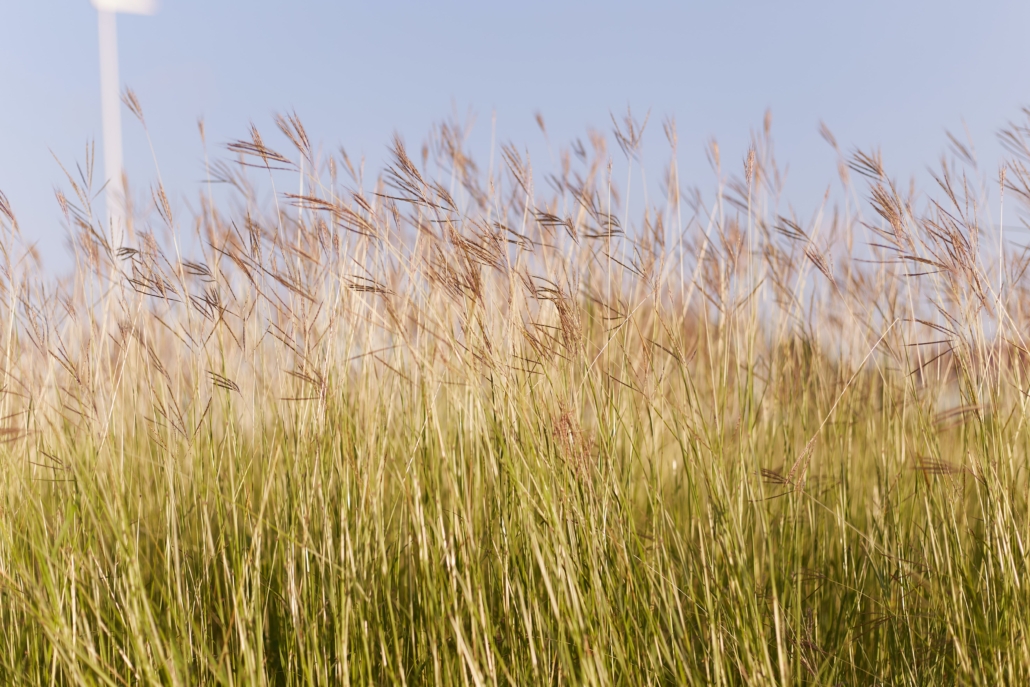
(Image Credit: Alfred Quartey, Unsplash)

May 3, 2021/by IndigenousClimateHub
Tags: Asfar pastoralists, astrological, Eastern Africa, Indigenous farmers, Indigenous Traditional Weather Forecasting, meteorological, modern weather forecasting, pastoralists, weather forecasting
Share this entry
  • Share on Facebook
  • Share on X
  • Share on WhatsApp
  • Share on Pinterest
  • Share on LinkedIn
  • Share on Tumblr
  • Share on Reddit
  • Share by Mail
https://indigenousclimatehub.ca/wp-content/uploads/2021/05/alfred-quartey-nwCXIvjTdVM-unsplash-scaled.jpg 1707 2560 IndigenousClimateHub https://indigenousclimatehub.ca/wp-content/uploads/2020/10/logo-horiz-clr-01-small-300x88.png IndigenousClimateHub2021-05-03 14:50:582021-05-03 14:52:48Creating Synergies Between Indigenous Traditional and Modern Weather Forecasting to Facilitate Climate Adaptation
X Logo X Logo Followon X RSS Feed Logo RSS Feed Logo Subscribeto RSS Feed

Subscribe to Our Blog

This field is required.

Check your inbox or spam folder to confirm your subscription.

Recent Posts

  • Water Is a Relative, Not a Resource
  • The River Is Telling Us Something: Indigenous-Led Water Monitoring as Canada’s Climate Early Warning System
  • Night Skies and Shifting Stars: How Indigenous Celestial Knowledge Tracks a Changing Climate
  • From Ownership to Relationship: Reclaiming Our Responsibilities to Land
  • Human Foolishness in Floodplains

Archives

  • June 2026
  • May 2026
  • April 2026
  • March 2026
  • February 2026
  • January 2026
  • December 2025
  • November 2025
  • October 2025
  • September 2025
  • August 2025
  • July 2025
  • June 2025
  • May 2025
  • April 2025
  • March 2025
  • February 2025
  • January 2025
  • December 2024
  • November 2024
  • October 2024
  • September 2024
  • August 2024
  • July 2024
  • June 2024
  • May 2024
  • April 2024
  • March 2024
  • February 2024
  • January 2024
  • December 2023
  • November 2023
  • October 2023
  • September 2023
  • August 2023
  • July 2023
  • June 2023
  • May 2023
  • April 2023
  • March 2023
  • February 2023
  • January 2023
  • December 2022
  • November 2022
  • October 2022
  • September 2022
  • August 2022
  • July 2022
  • June 2022
  • May 2022
  • April 2022
  • March 2022
  • February 2022
  • January 2022
  • December 2021
  • November 2021
  • October 2021
  • September 2021
  • August 2021
  • July 2021
  • June 2021
  • May 2021
  • April 2021
  • March 2021
  • February 2021
  • January 2021
  • December 2020
  • November 2020
  • October 2020
  • September 2020
  • August 2020
  • July 2020
  • June 2020
  • February 2020
  • October 2019
  • August 2019
  • July 2019
  • June 2019
  • May 2019
  • April 2019
  • March 2019

Categories

  • Adaptation
  • Alberta
  • Announcements
  • Arctic
  • Atlantic/NB
  • Awards
  • Blog
  • British Columbia
  • Climate Change
  • Climate Change Adaptation
  • Climate Change Education
  • Climate Change News
  • Climate Change Project
  • Climate Crisis
  • Climate Monitoring
  • Community Engagement
  • Community-Based Environmental Monitoring
  • Documentaries
  • Documentary
  • Events
  • Flooding
  • Food
  • Food Security
  • Food Sovereignty
  • Forest Fires
  • Funding Opportunity
  • ICCAG 2019
  • Indigenous Perspectives
  • Manitoba
  • Media
  • Métis
  • Métis Settlement
  • News
  • Op-Ed
  • Quebec
  • Saskatchewan
  • Technology
  • Video
  • Water
  • Webinars

Tags

Alberta Arctic Arctic Resilience Forum British Columbia Carbon Sequestration Caribou Caribou Recovery CIRNAC Climate Adaptation Climate Change Climate Change Adaptation Climate Resilience Community Engagement Education Environmental Stewardship Environment and Climate Change Canada (ECCC) First Nations Flooding Food Security Food Sovereignty Global Warming Indigenous Indigenous Guardians Toolkit Indigenous Knowledge Indigenous Stewardship Infrastructure Inuit landscape Mental Health Paris Agreement Policy Renewable Energy Research Resilience Science Traditional Ecological Knowledge Traditional Ecological Knowledge (TEK) Traditional Knowledge UNDRIP United Nations United Nations (UN) Webinar Wildfires WWF-Canada Youth
Contact

About Us

The Indigenous Climate Hub is a unique online community of Indigenous climate change leaders that have come together to share their stories and climate change adaptation experiences. The website is the result of the recommendations brought forward by Indigenous peoples at the Indigenous Climate Change Adaptation Gathering in 2018.

Indigenous Climate Hub Podcast

Be a part of the Indigenous Climate Hub Podcast. We are looking for unique perspectives and experiences in environmental stewardship, Indigenous ecological and traditional knowledge, and resource management offer valuable knowledge and teachings that can benefit Indigenous communities across Turtle Island and beyond.

Indigenous-led Initiatives

Are you a program or organization that funds or supports Indigenous Peoples  working on climate change initiatives?  If you would like to provide information to potential recipients here, please reach out to Okwaho so that we can work with you to highlight your program.

© Copyright - Indigenous Climate Hub, 2025-2026
  • Terms of Service
  • Privacy Policy
Link to: Indigenous Peoples Are Crucial to Protecting Global Biodiversity but Are Excluded From Decision Making Link to: Indigenous Peoples Are Crucial to Protecting Global Biodiversity but Are Excluded From Decision Making Indigenous Peoples Are Crucial to Protecting Global Biodiversity but Are Excluded... Link to: Indigenous Protected and Conserved Areas Help Fight Climate Change Through Indigenous Stewardship Link to: Indigenous Protected and Conserved Areas Help Fight Climate Change Through Indigenous Stewardship Indigenous Protected and Conserved Areas Help Fight Climate Change Through Indigenous...
Scroll to top Scroll to top Scroll to top