
• Link to X
  • Link to Facebook
  • Link to Instagram
  • Link to Rss this site
Indigenous Climate Hub
  • Home
    • About Us
  • Climate Action Programs
    • First Nation Adapt Program
      • Indigenous Climate Change Adaptation Gatherings
    • Indigenous Community-Based Climate Monitoring Program
    • Climate Change and Health Adaptation Program
    • Climate Change Preparedness in the North
    • Environment and Climate Change Canada
  • Funding
  • Resources
    • Climate Change Directory
    • Resource Library
    • Community Adaptation Projects
  • Events
  • Podcast
  • Blog
  • Contact/FAQs
  • Click to open the search input field Click to open the search input field Search
  • Menu Menu

Indigenous Peoples Are Crucial to Protecting Global Biodiversity but Are Excluded From Decision Making
Blog, Climate Change

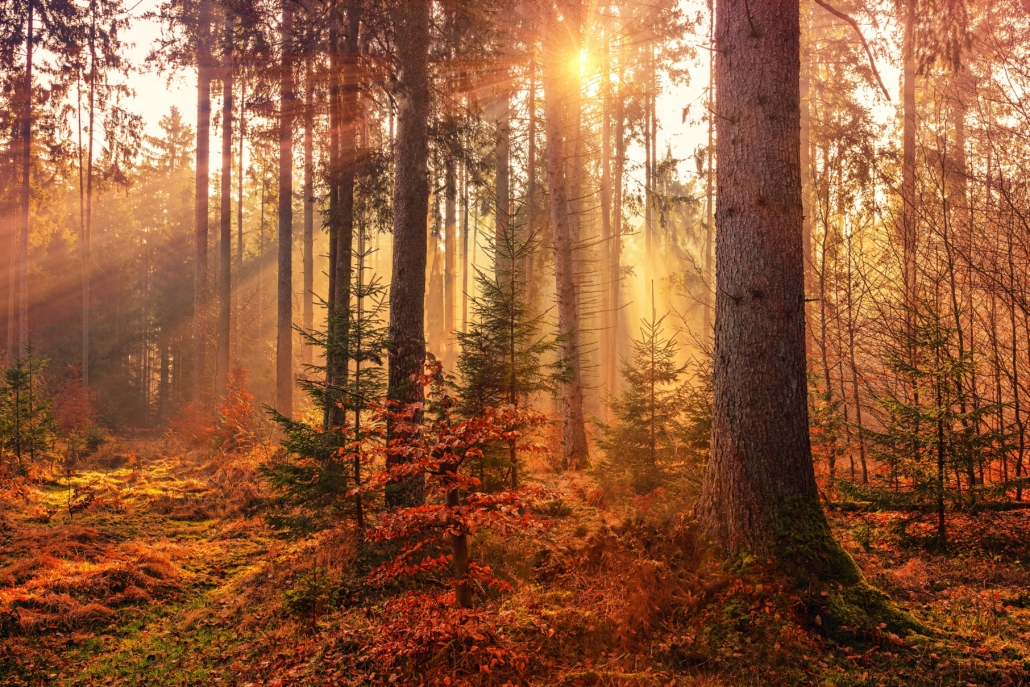
Indigenous people show how to nurture, defend, and protect biodiversity while living off the land. Their efforts are crucial to the Convention on Biological Diversity signed by 150 countries in Rio de Janeiro in 1992 to implement the principles of Agenda 21 (the Rio Declaration on Environment and Development, and the Statement principles for the Sustainable Management of Forests) and the current push to protect 30% of the Earth’s land and water by 2030. However, a coalition of Indigenous groups are calling for an increase of the target to 50%, and they have not been invited to participate in the United Nations’ (UN) Biodiversity Conference scheduled for Kunming, China in October 2021. What is global biodiversity and how are Indigenous peoples crucial to protecting Earth’s habitat?

Biodiversity has been described as the “library of life”; it reflects ecosystem diversity, species diversity, genetic diversity. Many ecosystems are vulnerable and require protection from overuse, and imbalances between “sharing and protecting activities”. Increasing the interconnection among these elements strengthens the resiliency of biodiversity in the world.

Current news stories are highlighting the contributions of Indigenous peoples in “leading the way” in nature conservation; this includes protecting the web of humans, animals, insects and plants on Earth, in the context of global warming, overharvesting of forests, overconsumption of land for food, and overfishing. As regions of high biodiversity, some UN Biosphere Reserves offer good examples of protected territories, where scientists have engaged in partnerships with Indigenous communities in land management and biodiversity conservation; one example is the Maya Biosphere Reserve in Guatemala. In Canada, biosphere reserves continue to work on how to build meaningful relationships with Indigenous peoples as partners in biodiversity protection and to practice truth and reconciliation.

Research studies have shown “that overall, Indigenous-managed lands and existing protected areas host similar levels of vertebrate biodiversity in Brazil, Canada, and Australia.” There is a strong relationship between building partnerships with Indigenous communities to enhance their land tenure and protecting land for “biodiversity conservation using a mix of conventional protected areas and Indigenous-managed lands.”

Protecting biodiversity goes together with sustainable development and meeting UN Sustainable Development Goals (SDGs) will be impossible without Indigenous ecological understanding. Indigenous peoples make up “less than 5% of the population but manage more than one-quarter of the world’s land surface.”  As noted by UNESCO, Indigenous people need to be extricated from the singular category of land manager or resource user and from associated perceptions of what those roles entail, and instead, be recognized as essential partners in protecting biodiversity.

We, as humans, are running out of time to combat the destructive impacts of climate change. It is unconscionable that Indigenous people are being excluded from crucial UN talks about biodiversity. It makes no sense that while the contributions of Indigenous people to the protection of global biodiversity are recognized internationally, that Indigenous groups would be excluded from global policy discussions meant to protect planet Earth.

By Leela Viswanathan

(Image credit: Johannes Pleno, Unsplash)
April 13, 2021/by IndigenousClimateHub
Tags: Agenda 21, Biodiversity, Convention on Biological Diversity, UN Sustainable Development Goals (SDGs), Unated Nations' (UN) Biodiversity Conference, UNESCO
Share this entry
  • Share on Facebook
  • Share on X
  • Share on WhatsApp
  • Share on Pinterest
  • Share on LinkedIn
  • Share on Tumblr
  • Share on Reddit
  • Share by Mail
https://indigenousclimatehub.ca/wp-content/uploads/2021/04/johannes-plenio-RwHv7LgeC7s-unsplash-scaled.jpg 1707 2560 IndigenousClimateHub https://indigenousclimatehub.ca/wp-content/uploads/2020/10/logo-horiz-clr-01-small-300x88.png IndigenousClimateHub2021-04-13 07:06:002021-04-13 19:22:22Indigenous Peoples Are Crucial to Protecting Global Biodiversity but Are Excluded From Decision Making
X Logo X Logo Followon X RSS Feed Logo RSS Feed Logo Subscribeto RSS Feed

Subscribe to Our Blog

This field is required.

Check your inbox or spam folder to confirm your subscription.

Recent Posts

  • Water Is a Relative, Not a Resource
  • The River Is Telling Us Something: Indigenous-Led Water Monitoring as Canada’s Climate Early Warning System
  • Night Skies and Shifting Stars: How Indigenous Celestial Knowledge Tracks a Changing Climate
  • From Ownership to Relationship: Reclaiming Our Responsibilities to Land
  • Human Foolishness in Floodplains

Archives

  • June 2026
  • May 2026
  • April 2026
  • March 2026
  • February 2026
  • January 2026
  • December 2025
  • November 2025
  • October 2025
  • September 2025
  • August 2025
  • July 2025
  • June 2025
  • May 2025
  • April 2025
  • March 2025
  • February 2025
  • January 2025
  • December 2024
  • November 2024
  • October 2024
  • September 2024
  • August 2024
  • July 2024
  • June 2024
  • May 2024
  • April 2024
  • March 2024
  • February 2024
  • January 2024
  • December 2023
  • November 2023
  • October 2023
  • September 2023
  • August 2023
  • July 2023
  • June 2023
  • May 2023
  • April 2023
  • March 2023
  • February 2023
  • January 2023
  • December 2022
  • November 2022
  • October 2022
  • September 2022
  • August 2022
  • July 2022
  • June 2022
  • May 2022
  • April 2022
  • March 2022
  • February 2022
  • January 2022
  • December 2021
  • November 2021
  • October 2021
  • September 2021
  • August 2021
  • July 2021
  • June 2021
  • May 2021
  • April 2021
  • March 2021
  • February 2021
  • January 2021
  • December 2020
  • November 2020
  • October 2020
  • September 2020
  • August 2020
  • July 2020
  • June 2020
  • February 2020
  • October 2019
  • August 2019
  • July 2019
  • June 2019
  • May 2019
  • April 2019
  • March 2019

Categories

  • Adaptation
  • Alberta
  • Announcements
  • Arctic
  • Atlantic/NB
  • Awards
  • Blog
  • British Columbia
  • Climate Change
  • Climate Change Adaptation
  • Climate Change Education
  • Climate Change News
  • Climate Change Project
  • Climate Crisis
  • Climate Monitoring
  • Community Engagement
  • Community-Based Environmental Monitoring
  • Documentaries
  • Documentary
  • Events
  • Flooding
  • Food
  • Food Security
  • Food Sovereignty
  • Forest Fires
  • Funding Opportunity
  • ICCAG 2019
  • Indigenous Perspectives
  • Manitoba
  • Media
  • Métis
  • Métis Settlement
  • News
  • Op-Ed
  • Quebec
  • Saskatchewan
  • Technology
  • Video
  • Water
  • Webinars

Tags

Alberta Arctic Arctic Resilience Forum British Columbia Carbon Sequestration Caribou Caribou Recovery CIRNAC Climate Adaptation Climate Change Climate Change Adaptation Climate Resilience Community Engagement Education Environmental Stewardship Environment and Climate Change Canada (ECCC) First Nations Flooding Food Security Food Sovereignty Global Warming Indigenous Indigenous Guardians Toolkit Indigenous Knowledge Indigenous Stewardship Infrastructure Inuit landscape Mental Health Paris Agreement Policy Renewable Energy Research Resilience Science Traditional Ecological Knowledge Traditional Ecological Knowledge (TEK) Traditional Knowledge UNDRIP United Nations United Nations (UN) Webinar Wildfires WWF-Canada Youth
Contact

About Us

The Indigenous Climate Hub is a unique online community of Indigenous climate change leaders that have come together to share their stories and climate change adaptation experiences. The website is the result of the recommendations brought forward by Indigenous peoples at the Indigenous Climate Change Adaptation Gathering in 2018.

Indigenous Climate Hub Podcast

Be a part of the Indigenous Climate Hub Podcast. We are looking for unique perspectives and experiences in environmental stewardship, Indigenous ecological and traditional knowledge, and resource management offer valuable knowledge and teachings that can benefit Indigenous communities across Turtle Island and beyond.

Indigenous-led Initiatives

Are you a program or organization that funds or supports Indigenous Peoples  working on climate change initiatives?  If you would like to provide information to potential recipients here, please reach out to Okwaho so that we can work with you to highlight your program.

© Copyright - Indigenous Climate Hub, 2025-2026
  • Terms of Service
  • Privacy Policy
Link to: Big Data Climate Research Needs Indigenous Expertise for Meaningful Social Impact Link to: Big Data Climate Research Needs Indigenous Expertise for Meaningful Social Impact Big Data Climate Research Needs Indigenous Expertise for Meaningful Social ... Link to: Creating Synergies Between Indigenous Traditional and Modern Weather Forecasting to Facilitate Climate Adaptation Link to: Creating Synergies Between Indigenous Traditional and Modern Weather Forecasting to Facilitate Climate Adaptation Creating Synergies Between Indigenous Traditional and Modern Weather Forecasting...
Scroll to top Scroll to top Scroll to top