
Human Foolishness in Floodplains
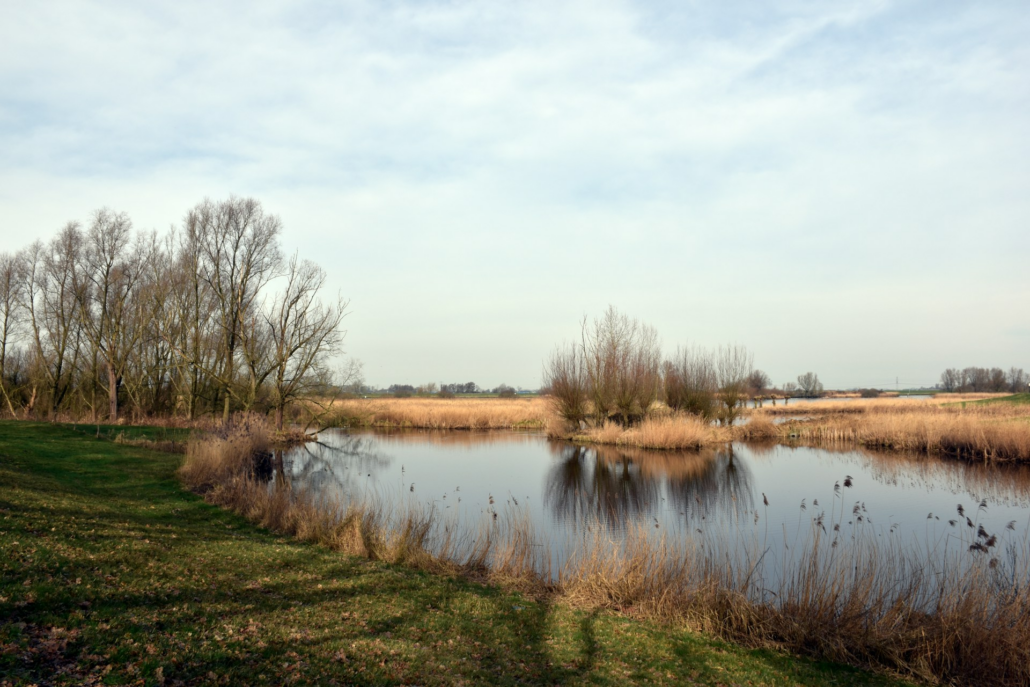 Image Credit: Ries Bosch, Unsplash
Across the planet, human settlements have been built as if rivers, oceans, and forests were mere backdrops to human stories rather than powerful forces with their own laws and rhythms. Building in flood zones and reshaping rivers for convenience are among the clearest examples of this folly. The land has been forced to serve human needs, instead of humans learning to live within the land’s limits and patterns.
Floodplains are not “vacant land.”
Floodplains exist because rivers regularly rise, spread, and deposit sediment, renewing soils and supporting rich ecosystems. When development paves, drains, and walls off these areas, two things happen at once: the land loses its capacity to absorb and slow water, and the people who move in inherit predictable risk. Subdivisions, highways, and industrial sites on floodplains in British Columbia and elsewhere have repeatedly suffered catastrophic damage during extreme rainfall and snowmelt, drowning farmlands, homes, and critical infrastructure.
Each socalled “natural disaster” becomes an expensive lesson paid in insurance claims, disaster assistance, and rebuilding costs, even though the river did what floodplains are meant to do: spread, move, and reclaim space. When homes and farms in interior B.C. flood, or when subway tunnels in Toronto fill with water during intense storms, it is not simply climate change striking at random; it is climate change colliding with decades of landuse decisions that pretended water had no right of way.
Dams and the broken lives of rivers
Dams are often framed as engineering triumphs, providing flood control, hydropower, and water storage. Yet every dam interrupts a river’s life systems: sediment transport, fish migration, nutrient flows, and seasonal flooding of wetlands and floodplains. Large dams have submerged valleys and Indigenous homelands, altered fish populations, and changed downstream flow regimes, undermining food security and cultural practices.
Their economic “benefits” frequently ignore these losses, as well as the costs of maintenance, aging infrastructure, and climatedriven changes in flows that can reduce power generation and increase safety risks. When dams fail or when extreme events exceed their design standards, the damage can be enormous: lives lost, communities evacuated, ecosystems damaged, and public funds poured into emergency response and repair. Each failure is a reminder that rivers have their own energies and attempts to control them permanently will always carry risk.
The planet is already saying “no.”
The future of infrastructure is being negotiated now, not only in boardrooms and design studios, but also in floodwaters, wildfires, coastal erosion, and heat waves. Coastal erosion and storm surge are claiming homes built too close to retreating shorelines, with houses collapsing into the sea in Atlantic Canada and other coastal regions. Increased wildfire frequency and intensity have led to devastating townlevel burns in communities like Lytton, B.C., and Jasper, AB, revealing how forestinterface development and fire suppression have amplified risk.
Urban flooding in cities like Toronto, where underpasses and transit systems are routinely overwhelmed, shows that stormwater systems designed for a gentler climate are no match for today’s extremes. In all of these cases, the planet is effectively setting new terms: specific forms of development, placement, and density are no longer viable. Engineering can delay consequences, but cannot cancel the underlying reality that water, fire, and wind will seek their own paths.
Responsive and adaptive infrastructure
The built environment of the future must move away from bruteforce control toward responsive, adaptive relationships with natural systems. Key shifts include:
Building with, not against, landforms
- Avoiding new development in highrisk floodplains, steep fireprone slopes, eroding coasts, and other hazard zones, while prioritizing retreat, relocation, and restoration.
- Using green infrastructure such as wetlands, permeable surfaces, and urban forests to absorb water, reduce heat, and buffer storms instead of relying solely on concrete and pipes.
Allowing rivers and coasts to move
- Restoring floodplains and riparian zones so rivers can expand safely during high flows, reducing downstream damage.
- Reconsidering and, where possible, removing or reoperating dams to restore ecological function while meeting human needs in less damaging ways.
Designing for failure and change
- Accepting that some infrastructure will be overtopped, burned, or inundated, and designing systems that fail safely with clear recovery pathways.
- Regularly updating risk assessments and landuse plans as climate patterns shift, rather than assuming static baselines.
These approaches require money, time, and political will, but rebuilding in the same vulnerable places again and again also carries immense financial and human costs.
Honouring land instead of abusing it
At the heart of this shift is a change in how land is understood:
- Not as an object of ownership and control, but as a place with its own history, rights, and patterns to be respected.
- Not as a blank slate for any project, but as a living system that will answer attempts at domination with erosion, flooding, fire, and instability.
For Indigenous Nations, this perspective is not new. Land, rivers, and other beings are understood as relatives with agency, not passive surfaces. Planning and building within this framework means asking whether a place can safely host a particular kind of development, not just whether it is technically feasible, and designing structures and communities that can adapt as conditions change instead of locking in rigid forms that will become liabilities.
A call to new generations
This is a moment for younger generations of planners, engineers, architects, and community leaders to refuse the old arrogance that assumed the land would adapt to human projects. The new work is to create infrastructure and communities that adapt to evolving land and climate realities. That means learning to read landscapes, waters, and fire histories as carefully as any technical manual; challenging developments that place people and ecosystems in predictable harm’s way; and innovating in ways that honour place, minimize disruption, and embrace reversible, flexible, ecologically grounded design.
The foolishness of building in flood zones and of damming rivers without regard for human life has been exposed by climate change. The question now is whether humanity will continue to abuse land as if it were inert or finally treat it with the dignity it has always deserved, recognizing that the planet will always have the final word.
Blog by Rye Karonhiowanen Barberstock
Image Credit: Ries Bosch, Unsplash

 Image Credit: Hector John Periquin, Unsplash
 Image Credit: Davey Gravy, Unsplash