
• Link to X
  • Link to Facebook
  • Link to Instagram
  • Link to Rss this site
Indigenous Climate Hub
  • Home
    • About Us
  • Climate Action Programs
    • First Nation Adapt Program
      • Indigenous Climate Change Adaptation Gatherings
    • Indigenous Community-Based Climate Monitoring Program
    • Climate Change and Health Adaptation Program
    • Climate Change Preparedness in the North
    • Environment and Climate Change Canada
  • Funding
  • Resources
    • Climate Change Directory
    • Resource Library
    • Community Adaptation Projects
  • Events
  • Podcast
  • Blog
  • Contact/FAQs
  • Click to open the search input field Click to open the search input field Search
  • Menu Menu

Diverse Gardens Offer Examples of Local Small-Scale Climate Adaptation
Blog, Climate Change Adaptation

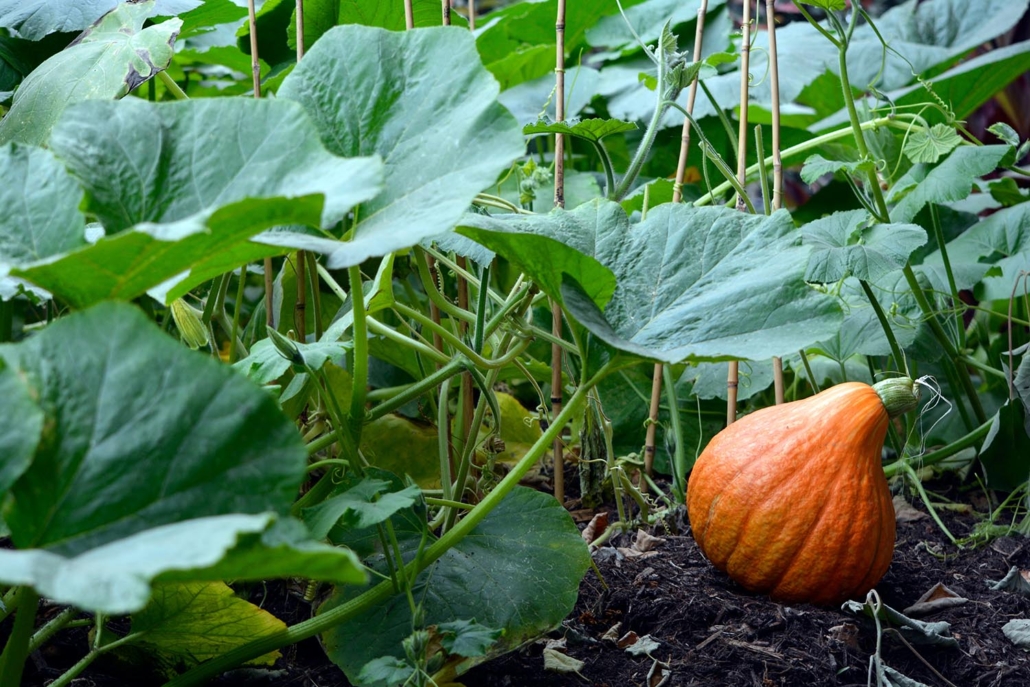
Individual gardens, grown in backyards, balconies, and containers; community gardens developed in public spaces; and Indigenous demonstration gardens developed collaboratively, all play a role in helping local small-scale climate adaptation. Gardeners can show how to practice agency in managing climate change, while Indigenous demonstration gardens can offer public education about, and promote traditional uses of, Indigenous plants.

Gardeners face many challenges of climate change effects such as fluctuating temperatures, erratic weather extremes, water shortages, droughts, and flooding from rainstorms. These challenges are on top of common hindrances of gardeners, including, weeds, insects and animal pests, and necessary watering restrictions imposed by governments. When gardeners recognize that they have agency as “both stewards and guardians of our environment,” then there are actions that they can take locally to adapt their gardening practices to climate change. These practices are noted by the National Wildlife Federation, and include:

  1. Using human-powered yard tools vs gasoline-powered tools to reduce energy consumption and minimize pollution.
  2. Growing diverse native species of plants to manage the impact of so-called “invasive species.”
  3. Learning about the connection among birds, bees, and other pollinators in order to appreciate how plants grow, and how gardens depend on symbiotic relationships with diverse insects.
  4. Reducing water consumption and protecting topsoil by using rain barrels and by practicing mulching.
  5. Composting both yard waste and kitchen waste. While this can be done with the support of municipal services, it is also important to consider how compost can be a source of soil nutrients and as work as a natural fertilizer for diverse community gardens.

Indigenous demonstration gardens, even in high-traffic urban areas, can highlight how to manage plants in the midst of climate change, while also promote traditional uses of Indigenous plants. For example, the Bickford Teaching Garden is a biodiverse garden with five plots: pollinator plants, Indigenous sacred medicinal plants, herbs, sun-friendly plants, and a plot for seed saving. The garden, one of several Indigenous gardens in downtown Tkaronto (Toronto, Ontario), was designed and installed by Miinikaan and is maintained by volunteers. The garden beds were developed using the sheet mulching method which regenerates soil without cutting into the ground.

Another Indigenous demonstration garden is the Na’tsa’maht Indigenous Plant Garden – a “living classroom” located on the traditional territories of the Lkwungen and Wsáneć peoples, on the lands of the Landsdowne Campus at Camosun College in Victoria, BC. In addition to supplying space for Indigenous-led education, it also offers opportunities for the study and practice of sustainability at the college. Na’tsa’maht is a Salish word that means “unity or working together as one” or “being of one mind, one spirit.”

All these examples of gardens offer local, human-scale examples of climate adaptation. Whether gardening in a community garden, backyard, or apartment balcony, or volunteering in an Indigenous demonstration garden, gardening can offer opportunities to take individual and collective action in the context of climate change.


By Leela Viswanathan


(Image Credit: Steffi Pereira, Unsplash)
July 15, 2022/by IndigenousClimateHub
Tags: Bickford Teaching Garden, Community Gardens, Gardening, Gardens, Indigenous Gardens
Share this entry
  • Share on Facebook
  • Share on X
  • Share on WhatsApp
  • Share on Pinterest
  • Share on LinkedIn
  • Share on Tumblr
  • Share on Reddit
  • Share by Mail
https://indigenousclimatehub.ca/wp-content/uploads/2022/07/steffi-pereira-unsplash.jpg 1000 1500 IndigenousClimateHub https://indigenousclimatehub.ca/wp-content/uploads/2020/10/logo-horiz-clr-01-small-300x88.png IndigenousClimateHub2022-07-15 19:53:412022-07-15 20:14:30Diverse Gardens Offer Examples of Local Small-Scale Climate Adaptation
You might also like
Bonnie Kittle (Unsplash) Gardens and Climate Change – How Growing a Resilient Garden Helps Fight Global Warming
X Logo X Logo Followon X RSS Feed Logo RSS Feed Logo Subscribeto RSS Feed

Subscribe to Our Blog

This field is required.

Check your inbox or spam folder to confirm your subscription.

Recent Posts

  • Water Is a Relative, Not a Resource
  • The River Is Telling Us Something: Indigenous-Led Water Monitoring as Canada’s Climate Early Warning System
  • Night Skies and Shifting Stars: How Indigenous Celestial Knowledge Tracks a Changing Climate
  • From Ownership to Relationship: Reclaiming Our Responsibilities to Land
  • Human Foolishness in Floodplains

Archives

  • June 2026
  • May 2026
  • April 2026
  • March 2026
  • February 2026
  • January 2026
  • December 2025
  • November 2025
  • October 2025
  • September 2025
  • August 2025
  • July 2025
  • June 2025
  • May 2025
  • April 2025
  • March 2025
  • February 2025
  • January 2025
  • December 2024
  • November 2024
  • October 2024
  • September 2024
  • August 2024
  • July 2024
  • June 2024
  • May 2024
  • April 2024
  • March 2024
  • February 2024
  • January 2024
  • December 2023
  • November 2023
  • October 2023
  • September 2023
  • August 2023
  • July 2023
  • June 2023
  • May 2023
  • April 2023
  • March 2023
  • February 2023
  • January 2023
  • December 2022
  • November 2022
  • October 2022
  • September 2022
  • August 2022
  • July 2022
  • June 2022
  • May 2022
  • April 2022
  • March 2022
  • February 2022
  • January 2022
  • December 2021
  • November 2021
  • October 2021
  • September 2021
  • August 2021
  • July 2021
  • June 2021
  • May 2021
  • April 2021
  • March 2021
  • February 2021
  • January 2021
  • December 2020
  • November 2020
  • October 2020
  • September 2020
  • August 2020
  • July 2020
  • June 2020
  • February 2020
  • October 2019
  • August 2019
  • July 2019
  • June 2019
  • May 2019
  • April 2019
  • March 2019

Categories

  • Adaptation
  • Alberta
  • Announcements
  • Arctic
  • Atlantic/NB
  • Awards
  • Blog
  • British Columbia
  • Climate Change
  • Climate Change Adaptation
  • Climate Change Education
  • Climate Change News
  • Climate Change Project
  • Climate Crisis
  • Climate Monitoring
  • Community Engagement
  • Community-Based Environmental Monitoring
  • Documentaries
  • Documentary
  • Events
  • Flooding
  • Food
  • Food Security
  • Food Sovereignty
  • Forest Fires
  • Funding Opportunity
  • ICCAG 2019
  • Indigenous Perspectives
  • Manitoba
  • Media
  • Métis
  • Métis Settlement
  • News
  • Op-Ed
  • Quebec
  • Saskatchewan
  • Technology
  • Video
  • Water
  • Webinars

Tags

Alberta Arctic Arctic Resilience Forum British Columbia Carbon Sequestration Caribou Caribou Recovery CIRNAC Climate Adaptation Climate Change Climate Change Adaptation Climate Resilience Community Engagement Education Environmental Stewardship Environment and Climate Change Canada (ECCC) First Nations Flooding Food Security Food Sovereignty Global Warming Indigenous Indigenous Guardians Toolkit Indigenous Knowledge Indigenous Stewardship Infrastructure Inuit landscape Mental Health Paris Agreement Policy Renewable Energy Research Resilience Science Traditional Ecological Knowledge Traditional Ecological Knowledge (TEK) Traditional Knowledge UNDRIP United Nations United Nations (UN) Webinar Wildfires WWF-Canada Youth
Contact

About Us

The Indigenous Climate Hub is a unique online community of Indigenous climate change leaders that have come together to share their stories and climate change adaptation experiences. The website is the result of the recommendations brought forward by Indigenous peoples at the Indigenous Climate Change Adaptation Gathering in 2018.

Indigenous Climate Hub Podcast

Be a part of the Indigenous Climate Hub Podcast. We are looking for unique perspectives and experiences in environmental stewardship, Indigenous ecological and traditional knowledge, and resource management offer valuable knowledge and teachings that can benefit Indigenous communities across Turtle Island and beyond.

Indigenous-led Initiatives

Are you a program or organization that funds or supports Indigenous Peoples  working on climate change initiatives?  If you would like to provide information to potential recipients here, please reach out to Okwaho so that we can work with you to highlight your program.

© Copyright - Indigenous Climate Hub, 2025-2026
  • Terms of Service
  • Privacy Policy
Link to: Indigenous Perspectives to Understanding Invasive Species Link to: Indigenous Perspectives to Understanding Invasive Species Indigenous Perspectives to Understanding Invasive Species Link to: Natural Hazards and Indigenous Health in a Changing Climate Link to: Natural Hazards and Indigenous Health in a Changing Climate Natural Hazards and Indigenous Health in a Changing Climate
Scroll to top Scroll to top Scroll to top