
• Link to X
  • Link to Facebook
  • Link to Instagram
  • Link to Rss this site
Indigenous Climate Hub
  • Home
    • About Us
  • Climate Action Programs
    • First Nation Adapt Program
      • Indigenous Climate Change Adaptation Gatherings
    • Indigenous Community-Based Climate Monitoring Program
    • Climate Change and Health Adaptation Program
    • Climate Change Preparedness in the North
    • Environment and Climate Change Canada
  • Funding
  • Resources
    • Climate Change Directory
    • Resource Library
    • Community Adaptation Projects
  • Events
  • Podcast
  • Blog
  • Contact/FAQs
  • Click to open the search input field Click to open the search input field Search
  • Menu Menu

Natural Hazards and Indigenous Health in a Changing Climate
Blog, Climate Change

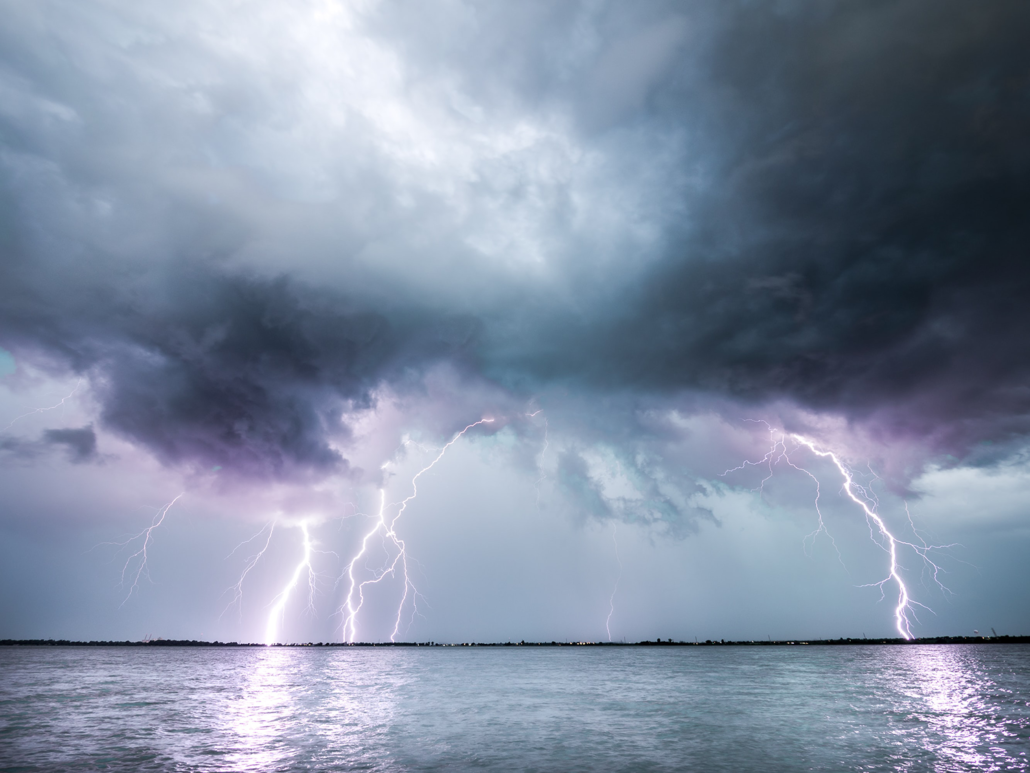
Natural hazards are one of the top seven climate change risks to Indigenous peoples’ health, as reported by Health Canada. According to the U.S. Federal Emergency Management Agency (FEMA), a natural hazard is not a human-made hazard; it is “an environmental phenomena that [has] the potential to impact societies and the human environment.” The Canadian Disaster Database offers an inventory of disasters affecting Canadians since 1900.

Natural hazards include:

  • Avalanches
  • Earthquakes
  • Floods
  • Hurricanes
  • Landslides
  • Severe storms
  • Storm surges
  • Tornadoes
  • Tsunamis
  • Wildfires

Natural hazards in the form of extreme weather and climate emergencies, like fires and floods, can cause land degradation, including permafrost degradation, and the destruction of spaces of cultural and environmental significance. These effects can increase the risk of human injury and fatalities as well as the loss of Indigenous traditional knowledge and skills about working with the land.

Indigenous peoples may become displaced from their traditional territories, as a result of natural hazards in a changing climate. Consequently, the emotional health of Indigenous peoples must also be considered in relation to climate-induced displacement. Much of the research in this area has focused on the lives of Inuit living in the Arctic, and more research is needed that involves other Indigenous communities.

Chapter 2 of the Health of Canadians in a Changing Climate: Advancing Our Knowledge for Action describes hazard mapping in Kashechewan First Nation and Peavin Métis Settlement’s FireSmart Program as ways of managing natural hazards and enhancing Indigenous health.


By Leela Viswanathan


(Image Credit: Raychel Sanner, Unsplash)
August 2, 2022/by IndigenousClimateHub
Tags: Climate Change Risks, Climate-induced Displacement, FireSmart Program, Health Canada, Natural Hazards
Share this entry
  • Share on Facebook
  • Share on X
  • Share on WhatsApp
  • Share on Pinterest
  • Share on LinkedIn
  • Share on Tumblr
  • Share on Reddit
  • Share by Mail
https://indigenousclimatehub.ca/wp-content/uploads/2022/08/raychel-sanner-unsplash.png 1125 1500 IndigenousClimateHub https://indigenousclimatehub.ca/wp-content/uploads/2020/10/logo-horiz-clr-01-small-300x88.png IndigenousClimateHub2022-08-02 16:00:412022-08-08 19:29:51Natural Hazards and Indigenous Health in a Changing Climate
You might also like
Top 7 Climate Change Risks to the Health of Indigenous Peoples
X Logo X Logo Followon X RSS Feed Logo RSS Feed Logo Subscribeto RSS Feed

Subscribe to Our Blog

This field is required.

Check your inbox or spam folder to confirm your subscription.

Recent Posts

  • Water Is a Relative, Not a Resource
  • The River Is Telling Us Something: Indigenous-Led Water Monitoring as Canada’s Climate Early Warning System
  • Night Skies and Shifting Stars: How Indigenous Celestial Knowledge Tracks a Changing Climate
  • From Ownership to Relationship: Reclaiming Our Responsibilities to Land
  • Human Foolishness in Floodplains

Archives

  • June 2026
  • May 2026
  • April 2026
  • March 2026
  • February 2026
  • January 2026
  • December 2025
  • November 2025
  • October 2025
  • September 2025
  • August 2025
  • July 2025
  • June 2025
  • May 2025
  • April 2025
  • March 2025
  • February 2025
  • January 2025
  • December 2024
  • November 2024
  • October 2024
  • September 2024
  • August 2024
  • July 2024
  • June 2024
  • May 2024
  • April 2024
  • March 2024
  • February 2024
  • January 2024
  • December 2023
  • November 2023
  • October 2023
  • September 2023
  • August 2023
  • July 2023
  • June 2023
  • May 2023
  • April 2023
  • March 2023
  • February 2023
  • January 2023
  • December 2022
  • November 2022
  • October 2022
  • September 2022
  • August 2022
  • July 2022
  • June 2022
  • May 2022
  • April 2022
  • March 2022
  • February 2022
  • January 2022
  • December 2021
  • November 2021
  • October 2021
  • September 2021
  • August 2021
  • July 2021
  • June 2021
  • May 2021
  • April 2021
  • March 2021
  • February 2021
  • January 2021
  • December 2020
  • November 2020
  • October 2020
  • September 2020
  • August 2020
  • July 2020
  • June 2020
  • February 2020
  • October 2019
  • August 2019
  • July 2019
  • June 2019
  • May 2019
  • April 2019
  • March 2019

Categories

  • Adaptation
  • Alberta
  • Announcements
  • Arctic
  • Atlantic/NB
  • Awards
  • Blog
  • British Columbia
  • Climate Change
  • Climate Change Adaptation
  • Climate Change Education
  • Climate Change News
  • Climate Change Project
  • Climate Crisis
  • Climate Monitoring
  • Community Engagement
  • Community-Based Environmental Monitoring
  • Documentaries
  • Documentary
  • Events
  • Flooding
  • Food
  • Food Security
  • Food Sovereignty
  • Forest Fires
  • Funding Opportunity
  • ICCAG 2019
  • Indigenous Perspectives
  • Manitoba
  • Media
  • Métis
  • Métis Settlement
  • News
  • Op-Ed
  • Quebec
  • Saskatchewan
  • Technology
  • Video
  • Water
  • Webinars

Tags

Alberta Arctic Arctic Resilience Forum British Columbia Carbon Sequestration Caribou Caribou Recovery CIRNAC Climate Adaptation Climate Change Climate Change Adaptation Climate Resilience Community Engagement Education Environmental Stewardship Environment and Climate Change Canada (ECCC) First Nations Flooding Food Security Food Sovereignty Global Warming Indigenous Indigenous Guardians Toolkit Indigenous Knowledge Indigenous Stewardship Infrastructure Inuit landscape Mental Health Paris Agreement Policy Renewable Energy Research Resilience Science Traditional Ecological Knowledge Traditional Ecological Knowledge (TEK) Traditional Knowledge UNDRIP United Nations United Nations (UN) Webinar Wildfires WWF-Canada Youth
Contact

About Us

The Indigenous Climate Hub is a unique online community of Indigenous climate change leaders that have come together to share their stories and climate change adaptation experiences. The website is the result of the recommendations brought forward by Indigenous peoples at the Indigenous Climate Change Adaptation Gathering in 2018.

Indigenous Climate Hub Podcast

Be a part of the Indigenous Climate Hub Podcast. We are looking for unique perspectives and experiences in environmental stewardship, Indigenous ecological and traditional knowledge, and resource management offer valuable knowledge and teachings that can benefit Indigenous communities across Turtle Island and beyond.

Indigenous-led Initiatives

Are you a program or organization that funds or supports Indigenous Peoples  working on climate change initiatives?  If you would like to provide information to potential recipients here, please reach out to Okwaho so that we can work with you to highlight your program.

© Copyright - Indigenous Climate Hub, 2025-2026
  • Terms of Service
  • Privacy Policy
Link to: Diverse Gardens Offer Examples of Local Small-Scale Climate Adaptation Link to: Diverse Gardens Offer Examples of Local Small-Scale Climate Adaptation Diverse Gardens Offer Examples of Local Small-Scale Climate Adaptation Link to: Addressing the challenges of solid waste management in Indigenous communities Link to: Addressing the challenges of solid waste management in Indigenous communities Addressing the challenges of solid waste management in Indigenous communiti...
Scroll to top Scroll to top Scroll to top