
• Link to X
  • Link to Facebook
  • Link to Instagram
  • Link to Rss this site
Indigenous Climate Hub
  • Home
    • About Us
  • Climate Action Programs
    • First Nation Adapt Program
      • Indigenous Climate Change Adaptation Gatherings
    • Indigenous Community-Based Climate Monitoring Program
    • Climate Change and Health Adaptation Program
    • Climate Change Preparedness in the North
    • Environment and Climate Change Canada
  • Funding
  • Resources
    • Climate Change Directory
    • Resource Library
    • Community Adaptation Projects
  • Events
  • Podcast
  • Blog
  • Contact/FAQs
  • Click to open the search input field Click to open the search input field Search
  • Menu Menu

Indigenous Climate Indicators: Reading the Land Beyond Western Metrics
Blog
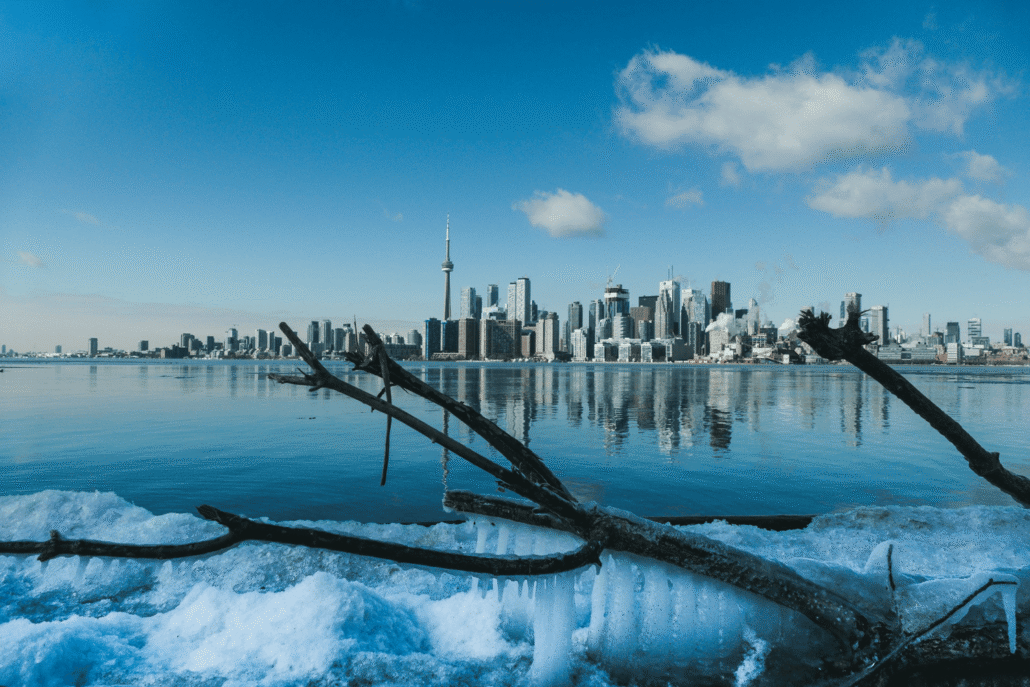
Teunard Droog, Unsplash

In the face of accelerating climate change, many scientific institutions rely on advanced technologies like satellite imagery, weather models, and big data to monitor environmental shifts. Yet, for thousands of years, Indigenous Peoples have observed and interpreted climate changes through finely tuned systems of relational knowledge, deeply embedded in land-based practices and generational memory.

These Indigenous climate indicators are not just data points—they are stories, teachings, and warnings, passed down through time and rooted in the interdependence of human and ecological systems. They reflect a worldview where the land, water, sky, and all beings above, among and below are living relatives—each communicating shifts in the Earth’s balance.  

What Are Indigenous Climate Indicators? 

Indigenous climate indicators are grounded in the seasonal and cyclical patterns Indigenous communities observe over millennia. These indicators are often place-based, holistic, and interdisciplinary, integrating physical, spiritual, and relational dimensions of environmental change.

Some examples include:

  • Inuit hunters observe ice thickness or quality changes, sometimes weeks before satellite images detect unsafe conditions. 
  • Unusual smells in freshwater bodies—an early sign of algal blooms or oxygen depletion. 
  • Mismatched seasonal events, like geese migrating before freeze-up, as reported by the Denesuline in the subarctic regions of Canada. 
  • The taste and texture of snow can indicate shifts in air composition or atmospheric pollution.

Unlike Western science, which often isolates variables, Indigenous knowledge systems understand change as part of a broader, interconnected ecological narrative, recognizing how a single disruption can cascade across entire ecosystems.

Language as Climate Memory

Indigenous languages are not only repositories of culture—they are also tools for reading the environment. For example:
 

  • The Inuit term “Uggianaqtuq” is used in Nunavut to describe weather that feels “strange” or “unusual.” It doesn’t translate directly into English, because it expresses more than just observation—it communicates concern, deviation from the norm, and emotional or spiritual dissonance. 
  • In Mi’kma’ki, Elder Albert Marshall introduced the concept of “Etuaptmumk” or “Two-Eyed Seeing,” which promotes the use of both Indigenous and Western lenses when approaching climate solutions, valuing each perspective as equally valid and necessary.  

These linguistic frameworks provide nuance and context that Western science often overlooks, particularly regarding early warnings and culturally appropriate responses to environmental change.

Why These Indicators Matter

Indigenous climate indicators often detect changes earlier than Western technologies, offering critical lead time to adapt or respond. For example:

  • Inuit hunters in the Arctic have long reported thinner, unpredictable sea ice—well before NASA satellites confirmed the shrinking ice cap. 
  • Anishinaabe harvesters have observed the decline of manoomin (wild rice) as water levels, fish patterns, and shoreline plants shift, signalling broader watershed changes not immediately visible in hydrological data.  

These indicators are also relational—they carry the weight of responsibility. When an Elder notices something “off” in the land, it is not merely recorded; it becomes a call to ceremony, action, or teaching.

Supporting the Integration of Knowledge Systems

Increasingly, collaborative climate initiatives are recognizing the power of Indigenous observation. Projects like the Indigenous Climate Change Observation Network (ICCON) and Two-Eyed Seeing research programs have begun to bridge knowledge systems through respectful partnerships.

However, more work remains to ensure that Indigenous Knowledge is incorporated and respected on its terms, with Indigenous data sovereignty, cultural protocols, and community ownership at the forefront.

Recommendations for Readers

  1. Advocate for Indigenous-Led Research 
  1. Support climate funding streams prioritizing Indigenous-led monitoring, research, and land-based education. Encourage governments and institutions to include Indigenous Knowledge Keepers in environmental decision-making bodies. 
  1. Promote Equitable Knowledge Partnerships 
  1. Encourage universities, climate organizations, and weather services to engage in ethical, co-designed research with Indigenous communities, where Indigenous Peoples define what is studied, how data is used, and how outcomes are shared. 
  1. Educate Yourself 
  1. Watch the CBC documentary on “Etuaptmumk: Two-Eyed Seeing” to understand how Indigenous and Western science can work in harmony. Explore additional resources through the Indigenous Climate Change Observation Network. 
  1. Respect Indigenous Data Sovereignty 
  1. Climate data shared by Indigenous Peoples must remain within their control. Advocate for policies and agreements that uphold Indigenous intellectual property rights and data stewardship protocols.

Blog by Rye Karonhiowanen Barberstock

(Image Credit : Teunard Droog, Unsplash)

July 1, 2025/by IndigenousClimateHub
Tags: decline of manoomin (wild rice), Indigenous Climate Indicators, Language as Climate Memory, Support climate funding streams, Supporting the Integration of Knowledge Systems
Share this entry
  • Share on Facebook
  • Share on X
  • Share on WhatsApp
  • Share on Pinterest
  • Share on LinkedIn
  • Share on Tumblr
  • Share on Reddit
  • Share by Mail
https://indigenousclimatehub.ca/wp-content/uploads/2025/07/teunard-droog-WUBMiNdbztY-unsplash.png 1000 1500 IndigenousClimateHub https://indigenousclimatehub.ca/wp-content/uploads/2020/10/logo-horiz-clr-01-small-300x88.png IndigenousClimateHub2025-07-01 17:50:052025-07-03 19:21:56Indigenous Climate Indicators: Reading the Land Beyond Western Metrics
X Logo X Logo Followon X RSS Feed Logo RSS Feed Logo Subscribeto RSS Feed

Subscribe to Our Blog

This field is required.

Check your inbox or spam folder to confirm your subscription.

Recent Posts

  • Water Is a Relative, Not a Resource
  • The River Is Telling Us Something: Indigenous-Led Water Monitoring as Canada’s Climate Early Warning System
  • Night Skies and Shifting Stars: How Indigenous Celestial Knowledge Tracks a Changing Climate
  • From Ownership to Relationship: Reclaiming Our Responsibilities to Land
  • Human Foolishness in Floodplains

Archives

  • June 2026
  • May 2026
  • April 2026
  • March 2026
  • February 2026
  • January 2026
  • December 2025
  • November 2025
  • October 2025
  • September 2025
  • August 2025
  • July 2025
  • June 2025
  • May 2025
  • April 2025
  • March 2025
  • February 2025
  • January 2025
  • December 2024
  • November 2024
  • October 2024
  • September 2024
  • August 2024
  • July 2024
  • June 2024
  • May 2024
  • April 2024
  • March 2024
  • February 2024
  • January 2024
  • December 2023
  • November 2023
  • October 2023
  • September 2023
  • August 2023
  • July 2023
  • June 2023
  • May 2023
  • April 2023
  • March 2023
  • February 2023
  • January 2023
  • December 2022
  • November 2022
  • October 2022
  • September 2022
  • August 2022
  • July 2022
  • June 2022
  • May 2022
  • April 2022
  • March 2022
  • February 2022
  • January 2022
  • December 2021
  • November 2021
  • October 2021
  • September 2021
  • August 2021
  • July 2021
  • June 2021
  • May 2021
  • April 2021
  • March 2021
  • February 2021
  • January 2021
  • December 2020
  • November 2020
  • October 2020
  • September 2020
  • August 2020
  • July 2020
  • June 2020
  • February 2020
  • October 2019
  • August 2019
  • July 2019
  • June 2019
  • May 2019
  • April 2019
  • March 2019

Categories

  • Adaptation
  • Alberta
  • Announcements
  • Arctic
  • Atlantic/NB
  • Awards
  • Blog
  • British Columbia
  • Climate Change
  • Climate Change Adaptation
  • Climate Change Education
  • Climate Change News
  • Climate Change Project
  • Climate Crisis
  • Climate Monitoring
  • Community Engagement
  • Community-Based Environmental Monitoring
  • Documentaries
  • Documentary
  • Events
  • Flooding
  • Food
  • Food Security
  • Food Sovereignty
  • Forest Fires
  • Funding Opportunity
  • ICCAG 2019
  • Indigenous Perspectives
  • Manitoba
  • Media
  • Métis
  • Métis Settlement
  • News
  • Op-Ed
  • Quebec
  • Saskatchewan
  • Technology
  • Video
  • Water
  • Webinars

Tags

Alberta Arctic Arctic Resilience Forum British Columbia Carbon Sequestration Caribou Caribou Recovery CIRNAC Climate Adaptation Climate Change Climate Change Adaptation Climate Resilience Community Engagement Education Environmental Stewardship Environment and Climate Change Canada (ECCC) First Nations Flooding Food Security Food Sovereignty Global Warming Indigenous Indigenous Guardians Toolkit Indigenous Knowledge Indigenous Stewardship Infrastructure Inuit landscape Mental Health Paris Agreement Policy Renewable Energy Research Resilience Science Traditional Ecological Knowledge Traditional Ecological Knowledge (TEK) Traditional Knowledge UNDRIP United Nations United Nations (UN) Webinar Wildfires WWF-Canada Youth
Contact

About Us

The Indigenous Climate Hub is a unique online community of Indigenous climate change leaders that have come together to share their stories and climate change adaptation experiences. The website is the result of the recommendations brought forward by Indigenous peoples at the Indigenous Climate Change Adaptation Gathering in 2018.

Indigenous Climate Hub Podcast

Be a part of the Indigenous Climate Hub Podcast. We are looking for unique perspectives and experiences in environmental stewardship, Indigenous ecological and traditional knowledge, and resource management offer valuable knowledge and teachings that can benefit Indigenous communities across Turtle Island and beyond.

Indigenous-led Initiatives

Are you a program or organization that funds or supports Indigenous Peoples  working on climate change initiatives?  If you would like to provide information to potential recipients here, please reach out to Okwaho so that we can work with you to highlight your program.

© Copyright - Indigenous Climate Hub, 2025-2026
  • Terms of Service
  • Privacy Policy
Link to: Youth on the Frontlines: Indigenous Youth Leading Climate Innovation Link to: Youth on the Frontlines: Indigenous Youth Leading Climate Innovation Youth on the Frontlines: Indigenous Youth Leading Climate InnovationAhmet Kurt, Unsplash Link to: The Language of the Land: Revitalizing Indigenous Languages for Ecological Understanding Link to: The Language of the Land: Revitalizing Indigenous Languages for Ecological Understanding Photo credit : Getty images, UnsplashThe Language of the Land: Revitalizing Indigenous Languages for Ecological ...
Scroll to top Scroll to top Scroll to top