
• Link to X
  • Link to Facebook
  • Link to Instagram
  • Link to Rss this site
Indigenous Climate Hub
  • Home
    • About Us
  • Climate Action Programs
    • First Nation Adapt Program
      • Indigenous Climate Change Adaptation Gatherings
    • Indigenous Community-Based Climate Monitoring Program
    • Climate Change and Health Adaptation Program
    • Climate Change Preparedness in the North
    • Environment and Climate Change Canada
  • Funding
  • Resources
    • Climate Change Directory
    • Resource Library
    • Community Adaptation Projects
  • Events
  • Podcast
  • Blog
  • Contact/FAQs
  • Click to open the search input field Click to open the search input field Search
  • Menu Menu

Indigenous Marine Protected Areas
Blog

Marine conservation that is led by or that involves Indigenous Peoples requires protecting vital community resources and traditional territories and strengthening broader conservation initiatives around the world. A Marine Protected Area (MPA) “is part of the ocean that is legally protected and managed to achieve the long-term conservation of nature.“ Indigenous Marine Protected Areas also connect marine conservation efforts with Indigenous cultural values and Indigenous self-determination.

Strategies undertaken by Indigenous communities to protect coastal waters and marine life include:

  • traditional resource management.
  • environmental conservation.
  • data collection and monitoring.
  • networking and collaboration with non-Indigenous supporters.
  • reinvestment into education and strengthening community building.

Indigenous Marine Protected Areas in Canada have involved co-management among First Nations’ and Canadian governments. For example, MPAs, that are a part of the Coastal First Nations Great Bear Initiative, are co-managed by the Council of the Haida Nation with the Government of Canada, according to what values the Indigenous communities want to be protected. Values may include supporting food security; protecting coastal areas and species; protecting coastal jobs; and keeping ecosystems productive and resilient.

Networks have enabled First Nations to effectively plan for the ongoing protection of marine areas by creating specific zones to limit activities for community use or halt all activities to prevent fishing. For example, The MPA Network of the BC Northern Shelf is a “collection of individual marine protected areas that operates cooperatively and synergistically, at various spatial scales, and with a range of protection levels, in order to fulfill ecological aims more effectively and comprehensively than individual sites could alone.” Network planning on the BC Northern Shelf began in 2011 with the National Framework for Canada’s Marine Protected Areas and it now involves a partnership of multiple First Nations, the BC Provincial government, and the Canadian government.

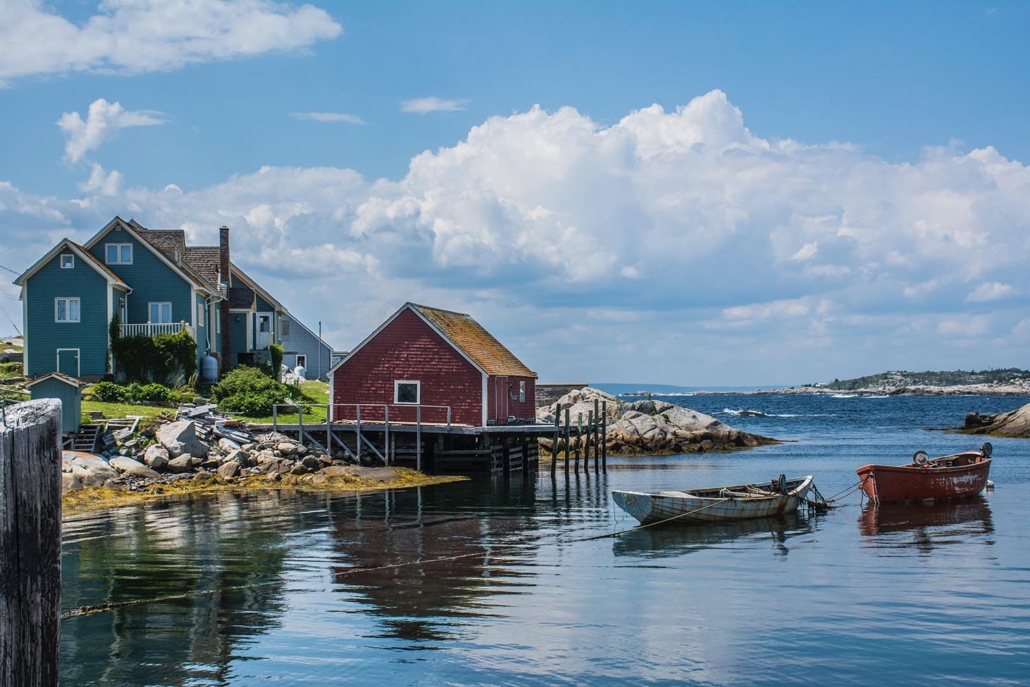
The Eastern Shore Islands (ESI) of Nova Scotia is “an area of interest for MPA establishment.” Mi’kmaq communities are seeking out ways that they can become more involved in the governance of MPAs in Atlantic Canada. However, the systemic barriers to enhancing the inclusion of Mi’kmaq Peoples alongside non-Mi’kmaq peoples involve “limited understanding of Mi’kmaq culture, governance, and rights.” In turn, the establishment of a Marine Protected Area in the Eastern Shore Islands is also linked to the resurgence of Mi’kmaq culture and Indigenous ways of knowing.

Canada’s Oceans Protection Plan was implemented in November 2016. As a $1.5 billion initiative, the Oceans Protection Plan is designed to provide protection to coastal regions and waterways and promote economic growth across Canada. In its first five years, the Oceans Protection Plan has funded various pilot projects, implemented in partnership with Indigenous Peoples to address marine safety, marine emergency response training, enhanced situational awareness through web-based platforms, environmental protection priorities, and create Indigenous-led Coast Guard Auxiliary Chapters.

While information available about Marine Protected Areas focuses heavily on co-management initiatives among Indigenous and local non-Indigenous communities, more examples are needed of marine protection initiatives that highlight Indigenous-led practices and that prioritize values of Indigenous Peoples.


By Leela Viswanathan


(Photo Credit: Sharissa Johnson, Unsplash)
April 15, 2023/by IndigenousClimateHub
Tags: Canada's Oceans Protection Plan, Coastal First Nations Great Bear Initiative, Eastern Shore Islands (ESI) of Nova Scotia, Indigenous Marine Protected Areas, Marine Protected Areas, MPA Network of the BC Northern Shelf, National Framework for Canada's Marine Protected Areas
Share this entry
  • Share on Facebook
  • Share on X
  • Share on WhatsApp
  • Share on Pinterest
  • Share on LinkedIn
  • Share on Tumblr
  • Share on Reddit
  • Share by Mail
https://indigenousclimatehub.ca/wp-content/uploads/2023/04/sharissa-johnson-unsplash.jpg 1000 1500 IndigenousClimateHub https://indigenousclimatehub.ca/wp-content/uploads/2020/10/logo-horiz-clr-01-small-300x88.png IndigenousClimateHub2023-04-15 17:47:162023-05-03 18:06:27Indigenous Marine Protected Areas
X Logo X Logo Followon X RSS Feed Logo RSS Feed Logo Subscribeto RSS Feed

Subscribe to Our Blog

This field is required.

Check your inbox or spam folder to confirm your subscription.

Recent Posts

  • Water Is a Relative, Not a Resource
  • The River Is Telling Us Something: Indigenous-Led Water Monitoring as Canada’s Climate Early Warning System
  • Night Skies and Shifting Stars: How Indigenous Celestial Knowledge Tracks a Changing Climate
  • From Ownership to Relationship: Reclaiming Our Responsibilities to Land
  • Human Foolishness in Floodplains

Archives

  • June 2026
  • May 2026
  • April 2026
  • March 2026
  • February 2026
  • January 2026
  • December 2025
  • November 2025
  • October 2025
  • September 2025
  • August 2025
  • July 2025
  • June 2025
  • May 2025
  • April 2025
  • March 2025
  • February 2025
  • January 2025
  • December 2024
  • November 2024
  • October 2024
  • September 2024
  • August 2024
  • July 2024
  • June 2024
  • May 2024
  • April 2024
  • March 2024
  • February 2024
  • January 2024
  • December 2023
  • November 2023
  • October 2023
  • September 2023
  • August 2023
  • July 2023
  • June 2023
  • May 2023
  • April 2023
  • March 2023
  • February 2023
  • January 2023
  • December 2022
  • November 2022
  • October 2022
  • September 2022
  • August 2022
  • July 2022
  • June 2022
  • May 2022
  • April 2022
  • March 2022
  • February 2022
  • January 2022
  • December 2021
  • November 2021
  • October 2021
  • September 2021
  • August 2021
  • July 2021
  • June 2021
  • May 2021
  • April 2021
  • March 2021
  • February 2021
  • January 2021
  • December 2020
  • November 2020
  • October 2020
  • September 2020
  • August 2020
  • July 2020
  • June 2020
  • February 2020
  • October 2019
  • August 2019
  • July 2019
  • June 2019
  • May 2019
  • April 2019
  • March 2019

Categories

  • Adaptation
  • Alberta
  • Announcements
  • Arctic
  • Atlantic/NB
  • Awards
  • Blog
  • British Columbia
  • Climate Change
  • Climate Change Adaptation
  • Climate Change Education
  • Climate Change News
  • Climate Change Project
  • Climate Crisis
  • Climate Monitoring
  • Community Engagement
  • Community-Based Environmental Monitoring
  • Documentaries
  • Documentary
  • Events
  • Flooding
  • Food
  • Food Security
  • Food Sovereignty
  • Forest Fires
  • Funding Opportunity
  • ICCAG 2019
  • Indigenous Perspectives
  • Manitoba
  • Media
  • Métis
  • Métis Settlement
  • News
  • Op-Ed
  • Quebec
  • Saskatchewan
  • Technology
  • Video
  • Water
  • Webinars

Tags

Alberta Arctic Arctic Resilience Forum British Columbia Carbon Sequestration Caribou Caribou Recovery CIRNAC Climate Adaptation Climate Change Climate Change Adaptation Climate Resilience Community Engagement Education Environmental Stewardship Environment and Climate Change Canada (ECCC) First Nations Flooding Food Security Food Sovereignty Global Warming Indigenous Indigenous Guardians Toolkit Indigenous Knowledge Indigenous Stewardship Infrastructure Inuit landscape Mental Health Paris Agreement Policy Renewable Energy Research Resilience Science Traditional Ecological Knowledge Traditional Ecological Knowledge (TEK) Traditional Knowledge UNDRIP United Nations United Nations (UN) Webinar Wildfires WWF-Canada Youth
Contact

About Us

The Indigenous Climate Hub is a unique online community of Indigenous climate change leaders that have come together to share their stories and climate change adaptation experiences. The website is the result of the recommendations brought forward by Indigenous peoples at the Indigenous Climate Change Adaptation Gathering in 2018.

Indigenous Climate Hub Podcast

Be a part of the Indigenous Climate Hub Podcast. We are looking for unique perspectives and experiences in environmental stewardship, Indigenous ecological and traditional knowledge, and resource management offer valuable knowledge and teachings that can benefit Indigenous communities across Turtle Island and beyond.

Indigenous-led Initiatives

Are you a program or organization that funds or supports Indigenous Peoples  working on climate change initiatives?  If you would like to provide information to potential recipients here, please reach out to Okwaho so that we can work with you to highlight your program.

© Copyright - Indigenous Climate Hub, 2025-2026
  • Terms of Service
  • Privacy Policy
Link to: Protecting the High Seas and Oceans Link to: Protecting the High Seas and Oceans Protecting the High Seas and OceansAbigail Lynn Link to: Free, Prior, and Informed Consent (FPIC) Link to: Free, Prior, and Informed Consent (FPIC) Free, Prior, and Informed Consent (FPIC)
Scroll to top Scroll to top Scroll to top