
• Link to X
  • Link to Facebook
  • Link to Instagram
  • Link to Rss this site
Indigenous Climate Hub
  • Home
    • About Us
  • Climate Action Programs
    • First Nation Adapt Program
      • Indigenous Climate Change Adaptation Gatherings
    • Indigenous Community-Based Climate Monitoring Program
    • Climate Change and Health Adaptation Program
    • Climate Change Preparedness in the North
    • Environment and Climate Change Canada
  • Funding
  • Resources
    • Climate Change Directory
    • Resource Library
    • Community Adaptation Projects
  • Events
  • Podcast
  • Blog
  • Contact/FAQs
  • Click to open the search input field Click to open the search input field Search
  • Menu Menu

The Waters Speak: Indigenous Knowledge and Climate Change in the Maritimes
Blog, Climate Change, Climate Change Education
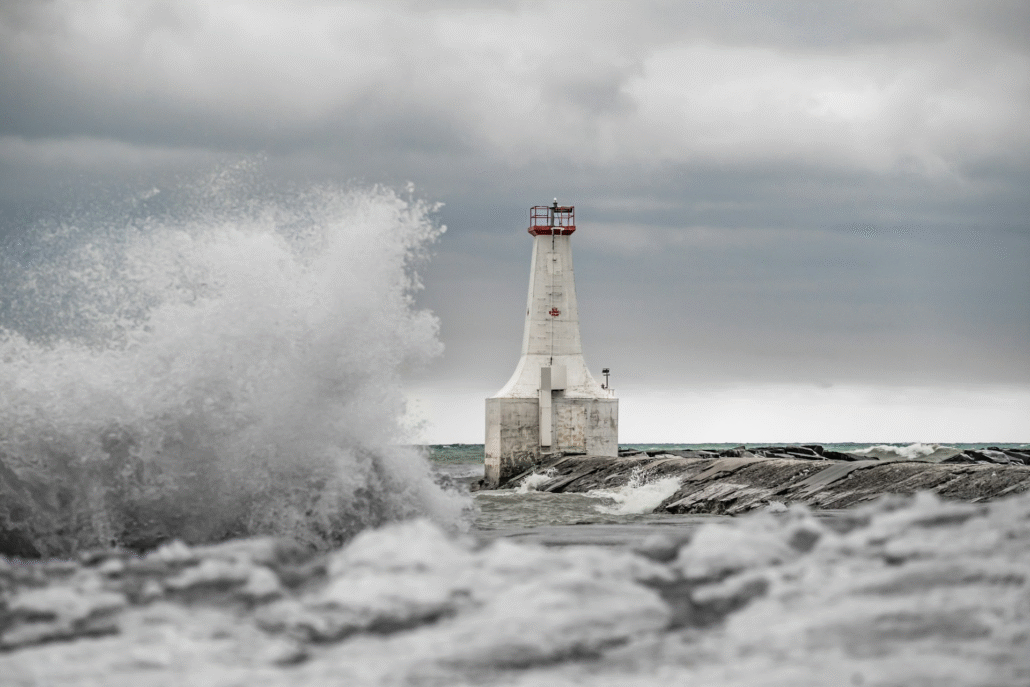
Photo Credit : Chris Robert, Unsplash

For the Indigenous Peoples of the Maritime provinces, the Mi’kmaq, Wolastoqiyik, Passamaquoddy, Maliseet, and Inuit, the oceans and waterways are living relatives, holding centuries of memory and wisdom. These waters are not simply geographic features; they are beings with spirit, elders who have witnessed the shifting balance of climate through generations. The rising of ocean levels, the warming of seas, and the increasing fury of storms are warnings that echo both ancient stories and contemporary experience. 

 Traditional Knowledge of Oceans and Climate: Past Lessons

Indigenous oral histories and knowledge systems possess a deep understanding of the rhythms and changes in the ocean and climate over time. Elders recount shifting shorelines, changing fish migrations, and the cyclical nature of storms and tides, knowledge gained through careful observation and a deep connection with the natural world. For millennia, these teachings guided communities in timing their harvests, moving settlements, and stewarding land and sea to maintain balance. 

 In Mi’kma’ki, for example, stories recount times when the waters rose and reshaped the coast, teaching that the ocean was both a giver and a taker. These ancient accounts help contextualize current changes as part of a long-standing relationship marked by respect and adaptation, rather than conquest or control. They remind us that climate is a force we live with, not simply a problem to be solved. 

The Present Reality: Changing Oceans and Rising Threats

Today, those long-held relationships are tested as the ocean warms and rises at unprecedented rates. Hurricanes and severe storms, once rare and cyclical, are growing in size, frequency, and intensity, driven by warmer sea surfaces and shifting atmospheric patterns. For Indigenous peoples of the Maritimes, these are not distant phenomena but lived realities, returning with growing impact. 

Hurricane Fiona in 2022 devastated coastal Mi’kmaw communities in Cape Breton and Ktaqmkuk, causing widespread erosion, damage to sacred sites, and threatening the continuity of food and cultural harvesting areas. Inland, communities have observed changes in river flows and wetland health, which impact freshwater fisheries and travel corridors. 

Sea level rise, compounded by coastal development and weakened natural barriers, is accelerating shoreline loss, flooding, and saltwater intrusion into freshwater systems, disrupting habitats and traditional harvest zones for shellfish, medicinal plants, and migratory birds. These changes undermine food sovereignty and community resilience if left unaddressed. 

Preparing for the Future: Combining Traditional Knowledge and Innovation

Indigenous communities across the Maritimes are leading innovative responses rooted in millennia of knowledge coupled with contemporary science and technology. Mi’kmaq leaders collaborate with coastal ecologists to restore salt marshes, eelgrass beds, and kelp forests —natural buffers that stabilize sediments, absorb storm surges, and sequester carbon. 

 On Epekwitk (Prince Edward Island), collaborative “living shoreline” projects integrate Mi’kmaw understanding of local ecosystems with natural materials, such as reed grasses and oyster reefs. These efforts reduce erosion while honouring the relationships between people, plants, and water. 

In Wolastoqey and Passamaquoddy territories, along the St. John River and Bay of Fundy, community monitors combine satellite data with Indigenous place-based observations to track shifting ice patterns, tides, and river flows, anticipating and preparing for future climate impacts. 

Some communities are also considering strategic relocation, recognizing that some ancestral sites may become too vulnerable to sustain habitation. These decisions are deeply guided by cultural protocols, emphasizing ceremony, respect, and reciprocity with the land, even as physical homes may shift.  

Climate Change as a Teaching and Call to Action

For Indigenous Peoples of the Maritimes, the climate crisis is more than a scientific challenge; it is a profound ethical and spiritual call. The ocean’s fury, the rising tides, and shifting weather patterns are reminders of broken relationships and imbalance. They teach humility, resilience, and the seriousness of respecting all beings.  

Adapting to this new reality requires more than just complex infrastructure; seawalls and barriers alone cannot restore the flow of life. True resilience grows from strengthening relationships with the ocean, with the lands, and among peoples and embracing stewardship guided by Indigenous laws and teachings.

Toward Resilient Coastal Futures

The seas that lap the shores of Mi’kma’ki, Wolastoqey, and Ktaqmkuk carry the memory of storms past and the promise of renewal. Indigenous Nations in the Maritimes stand at the forefront of a movement to restore coastal ecosystems and cultural connections, combining ancient knowledge and contemporary science to face a changing climate with strength. 

 By listening deeply to the waters and honouring our responsibilities as caretakers, we can respond not only to minimize harm but to rebuild balance. The ocean is more than a force of destruction; it is a relative offering that teaches and provides opportunities to walk forward in a respectful, reciprocal relationship. As we navigate this unfolding climate reality, Indigenous stewardship, leadership, and knowledge stand as beacons not only for the peoples of the Maritimes but for all who share this land and sea. 

Blog by Rye Karonhiowanen Barberstock

(Image Credit: Chris Robert, Unsplash)

October 15, 2025/by IndigenousClimateHub
Tags: Changing Oceans, Combining Traditional Knowledge and Innovation, profound ethical and spiritual call, Resilient Coastal Futures, Rising Threats
Share this entry
  • Share on Facebook
  • Share on X
  • Share on WhatsApp
  • Share on Pinterest
  • Share on LinkedIn
  • Share on Tumblr
  • Share on Reddit
  • Share by Mail
https://indigenousclimatehub.ca/wp-content/uploads/2025/10/Chris-Robert-Unsplash.png 1280 1920 IndigenousClimateHub https://indigenousclimatehub.ca/wp-content/uploads/2020/10/logo-horiz-clr-01-small-300x88.png IndigenousClimateHub2025-10-15 20:59:422025-10-15 21:26:36The Waters Speak: Indigenous Knowledge and Climate Change in the Maritimes
X Logo X Logo Followon X RSS Feed Logo RSS Feed Logo Subscribeto RSS Feed

Subscribe to Our Blog

This field is required.

Check your inbox or spam folder to confirm your subscription.

Recent Posts

  • Water Is a Relative, Not a Resource
  • The River Is Telling Us Something: Indigenous-Led Water Monitoring as Canada’s Climate Early Warning System
  • Night Skies and Shifting Stars: How Indigenous Celestial Knowledge Tracks a Changing Climate
  • From Ownership to Relationship: Reclaiming Our Responsibilities to Land
  • Human Foolishness in Floodplains

Archives

  • June 2026
  • May 2026
  • April 2026
  • March 2026
  • February 2026
  • January 2026
  • December 2025
  • November 2025
  • October 2025
  • September 2025
  • August 2025
  • July 2025
  • June 2025
  • May 2025
  • April 2025
  • March 2025
  • February 2025
  • January 2025
  • December 2024
  • November 2024
  • October 2024
  • September 2024
  • August 2024
  • July 2024
  • June 2024
  • May 2024
  • April 2024
  • March 2024
  • February 2024
  • January 2024
  • December 2023
  • November 2023
  • October 2023
  • September 2023
  • August 2023
  • July 2023
  • June 2023
  • May 2023
  • April 2023
  • March 2023
  • February 2023
  • January 2023
  • December 2022
  • November 2022
  • October 2022
  • September 2022
  • August 2022
  • July 2022
  • June 2022
  • May 2022
  • April 2022
  • March 2022
  • February 2022
  • January 2022
  • December 2021
  • November 2021
  • October 2021
  • September 2021
  • August 2021
  • July 2021
  • June 2021
  • May 2021
  • April 2021
  • March 2021
  • February 2021
  • January 2021
  • December 2020
  • November 2020
  • October 2020
  • September 2020
  • August 2020
  • July 2020
  • June 2020
  • February 2020
  • October 2019
  • August 2019
  • July 2019
  • June 2019
  • May 2019
  • April 2019
  • March 2019

Categories

  • Adaptation
  • Alberta
  • Announcements
  • Arctic
  • Atlantic/NB
  • Awards
  • Blog
  • British Columbia
  • Climate Change
  • Climate Change Adaptation
  • Climate Change Education
  • Climate Change News
  • Climate Change Project
  • Climate Crisis
  • Climate Monitoring
  • Community Engagement
  • Community-Based Environmental Monitoring
  • Documentaries
  • Documentary
  • Events
  • Flooding
  • Food
  • Food Security
  • Food Sovereignty
  • Forest Fires
  • Funding Opportunity
  • ICCAG 2019
  • Indigenous Perspectives
  • Manitoba
  • Media
  • Métis
  • Métis Settlement
  • News
  • Op-Ed
  • Quebec
  • Saskatchewan
  • Technology
  • Video
  • Water
  • Webinars

Tags

Alberta Arctic Arctic Resilience Forum British Columbia Carbon Sequestration Caribou Caribou Recovery CIRNAC Climate Adaptation Climate Change Climate Change Adaptation Climate Resilience Community Engagement Education Environmental Stewardship Environment and Climate Change Canada (ECCC) First Nations Flooding Food Security Food Sovereignty Global Warming Indigenous Indigenous Guardians Toolkit Indigenous Knowledge Indigenous Stewardship Infrastructure Inuit landscape Mental Health Paris Agreement Policy Renewable Energy Research Resilience Science Traditional Ecological Knowledge Traditional Ecological Knowledge (TEK) Traditional Knowledge UNDRIP United Nations United Nations (UN) Webinar Wildfires WWF-Canada Youth
Contact

About Us

The Indigenous Climate Hub is a unique online community of Indigenous climate change leaders that have come together to share their stories and climate change adaptation experiences. The website is the result of the recommendations brought forward by Indigenous peoples at the Indigenous Climate Change Adaptation Gathering in 2018.

Indigenous Climate Hub Podcast

Be a part of the Indigenous Climate Hub Podcast. We are looking for unique perspectives and experiences in environmental stewardship, Indigenous ecological and traditional knowledge, and resource management offer valuable knowledge and teachings that can benefit Indigenous communities across Turtle Island and beyond.

Indigenous-led Initiatives

Are you a program or organization that funds or supports Indigenous Peoples  working on climate change initiatives?  If you would like to provide information to potential recipients here, please reach out to Okwaho so that we can work with you to highlight your program.

© Copyright - Indigenous Climate Hub, 2025-2026
  • Terms of Service
  • Privacy Policy
Link to: Re-Constituting Indigenous Food Economies: The Promise of Plant-Based Regeneration Link to: Re-Constituting Indigenous Food Economies: The Promise of Plant-Based Regeneration Re-Constituting Indigenous Food Economies: The Promise of Plant-Based Regen...Photo Credit : Diego-Marin, Unsplash Link to: Indigenous Climate Governance: Reclaiming Ecological Sovereignty and Redefining Climate Justice Link to: Indigenous Climate Governance: Reclaiming Ecological Sovereignty and Redefining Climate Justice Image Credit: Igor Kyryliuk and Tetiana Kravchenko-UnsplashIndigenous Climate Governance: Reclaiming Ecological Sovereignty and Redefining...
Scroll to top Scroll to top Scroll to top