A quick search of terms like stewardship, climate adaptation, and climate resiliency yields a wealth of information. Yet, so much remains disconnected from the more profound human responsibility of protecting and nurturing the spaces we call home. These spaces—our homelands or homescapes—are not just abstract environmental concepts; they define our identity, relationships, and responsibilities to the world around us. They are shaped and sustained through the ecological knowledge and stewardship practices of those who inhabit them. And yet, a critical question arises: How do we, as human beings, truly honour and protect the sacred—the life we live, the land that sustains us, and the interdependent ecosystems that define our very existence?

Too often, humanity perceives climate as a background force, something we attempt to control rather than something we must adapt to. The imbalance we now face—climate change, biodiversity loss, soil degradation—stems from a fundamental misunderstanding: nature does not depend on us; instead, we rely on nature. The climate is not ours to dictate; it follows its natural laws, sustaining life for millions of years before human intervention. So where does this disconnect between people, environment, and climate originate? The answer, in part, lies in the absence of grounded ecological knowledge in our education systems.

Bioregionalism: Grounding Learning in Space and Place

Bioregionalism is a vital concept in addressing this disconnect—a way of understanding the world through ecological and cultural relationships within a given region. Bioregionalism teaches us to see land, water, plants, and animals not as separate entities but as interwoven elements of a living system, where human and non-human lives are interconnected. This framework shifts the focus from political boundaries to natural ones, encouraging stewardship practices that align with the unique characteristics of each region.

Bioregionalism, at its core, is about living in accordance with a place’s natural rhythms. It is about recognizing that every region has its ecological wisdom stored within the landscapes and carried forward by the people who have lived in harmony with it for generations. By integrating bioregional thinking into education, we can teach students to read the land, understand the waters, and observe the interdependence of life forms within their local environments.

Education as a Pathway to Ecological Literacy

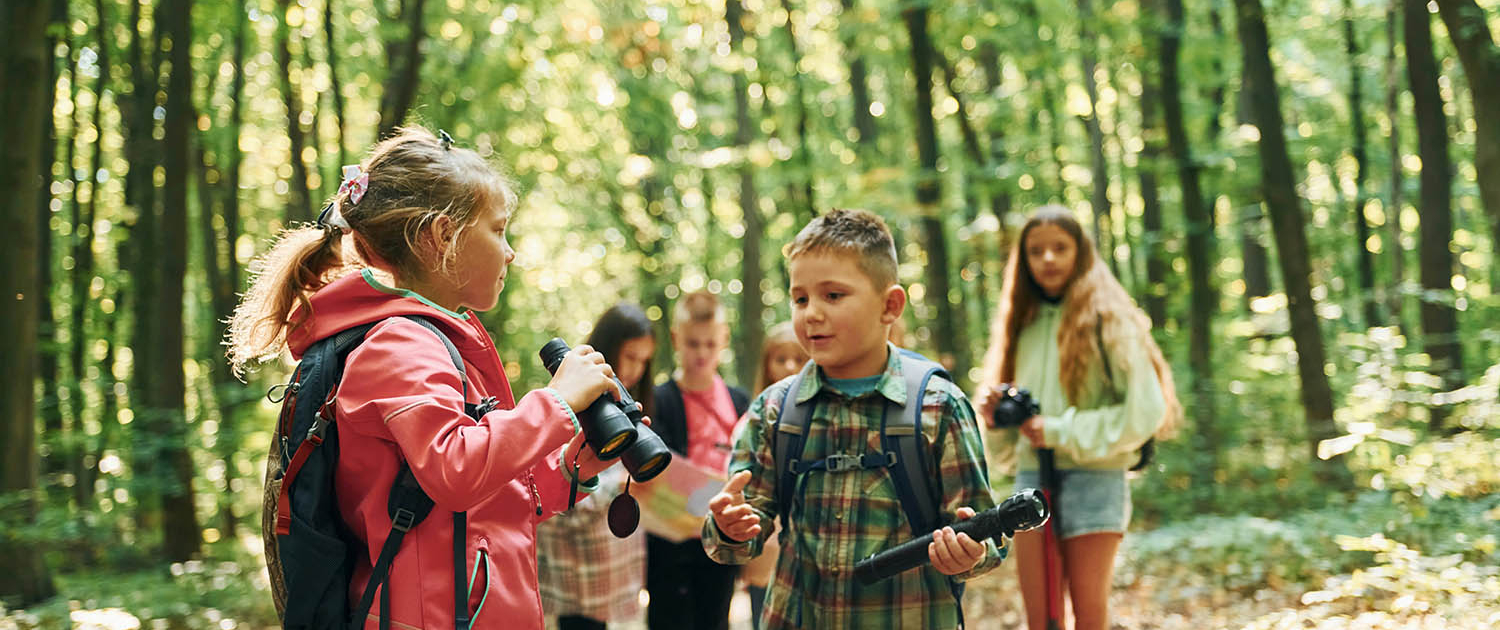
Imagine an education system where learning extends beyond textbooks and classrooms, where students are introduced to the knowledge systems embedded in the life of plants, animals, and ecosystems. What if science classes involved studying the wisdom of the forests—learning how trees communicate, how soil regenerates, and how plant and animal communities sustain each other? What if geography lessons were rooted in the concept of homescapes, teaching students to see the land not just as a resource but as a living entity with agency and autonomy?

This is not a radical idea; it is an ancient one. Indigenous knowledge systems have long recognized the agency of nature, acknowledging that every tree, plant, and animal is part of a vast and intricate network of reciprocal relationships. The idea of stewardship is not about controlling nature but respecting it and understanding that every action has consequences that ripple through the ecosystem.

Source: Getty Images (Licenced, Unsplash+)

A Call to Action: Integrating Stewardship in Everyday Learning

To address climate change and environmental degradation, we must move beyond temporary solutions—tree-planting initiatives, carbon offsets, and green technologies—toward a fundamental shift in how we relate to the Earth. That shift begins with education. Stewardship must be embedded in early childhood education and carried through to post-secondary learning.

We must cultivate an education system that teaches children to observe the land with curiosity and care. Instead of asking, “How can we use this forest?” we should ask, “How does this forest sustain itself, and what role do we play in its survival?” Rather than teaching sustainability as a separate discipline, we should weave it into every subject—science, mathematics, history, and the arts—ensuring that students understand the ecological and cultural context.

Reconciliation with the Land: A Future Rooted in Resilience

As humanity faces the irreversible effects of climate change—rising sea levels, extreme weather patterns, ecosystem collapse—the urgency of reconciling our relationship with the land has never been greater. While some environmental changes may no longer be reversible, our approach to the future can be transformed. The path forward is not simply about mitigating damage; it is about reconstituting and reconciling our environment to restore balance.

This means supporting regenerative agriculture, restoring degraded landscapes, and fostering a profound cultural shift toward bioregional stewardship. It means moving away from extractive economies and toward caretaking economies, where the land is not seen as a commodity but as a community to which we belong.

By embracing bioregionalism, we shift our mindset from exploitation to reciprocity, from short-term gains to long-term resilience. When we look down at the soil rather than up at the sky for solutions, we begin to understand that climate adaptation is not about technological fixes but about reconnecting with the original knowledge systems that have always existed—knowledge that reminds us that the Earth does not belong to us; we belong to the Earth.

A Future Where Life Thrives, Not Just Survives

The urgency of climate change calls for more than reactive measures; it calls for a profound, structural transformation in how we live, learn, and govern our relationship with the land. Bioregionalism guides this transformation, grounding climate adaptation efforts in place-based knowledge and ecological wisdom. It reminds us that the solutions to climate change are not found in isolated policy decisions or technological interventions but in how we educate the next generation to see, respect, and care for the world around them.

Let’s take up the challenge of integrating ecological literacy and bioregional thinking into our education systems. We can create a future where humans act as stewards, not dominators—where forests, rivers, and lands are seen not as resources to be consumed but as relatives to be cared for.

This is not just an environmental imperative but a moral one; it is the work of our time and the legacy we will leave behind. Will we choose to thrive alongside the land, or will we merely fight to survive? The choice is ours, and the time to act is now.


–  By Rye Karonhiowanen Barberstock


(Header Image Credit: Arnaud Measureur, Unsplash)

I am reminded of a surprising and cherished memory of a gift that arrived at my office door one July afternoon—four tiny raspberries. As I sat at my desk, deeply immersed in writing, Shyra, my partner in life and business, returned from a short walk. In her hand, she held these delicate ruby-coloured gems, her face alight with excitement and curiosity as she asked, “Are these wild raspberries?”

My affirmation brought a look of elation to her face, but I could see the question forming in her eyes. Why were these berries so much smaller than the ones we typically see in stores? This simple question transported me back to a cherished memory, a lesson from my grandmother that has stayed with me for years.

The Sacred Role of Berries in Nature and Community

I remember clearly the day my grandmother and I walked along the east side of a large hill she lived on. With a subtle gesture—a point of her chin—she directed my attention to a patch of raspberry bushes. “These are raspberries,” she said. “They have been here for many years. There is just enough for us to enjoy their sweetness.”

Curious about their diminutive size, I asked her why they were so small. Her response was simple and profound: “I believe they are tiny because they serve a purpose: to create more raspberries.” She explained that raspberries are keepers of their seeds, designed to be eaten so humans, birds, and animals can disperse them. This natural process ensures the growth of new raspberry plants, perpetuating their life cycle and maintaining the balance of nature.

Her teachings revealed a sacred truth: these berries are not merely food but an essential part of the ecosystem, holding a sacred role in sustaining biodiversity of creating sacred spaces. The small size of wild raspberries isn’t a flaw but a feature that ensures their purpose is fulfilled. Every berry, every seed, every bite connects humans, animals, and the land in a cycle of interdependence.

Climate Change and the Balance of Nature

This delicate balance, however, is increasingly under threat from climate change. Rising temperatures, unpredictable weather patterns, and habitat destruction significantly impact the growth, health, and distribution of wild berries, including raspberries. Warmer winters disrupt dormancy cycles, leading to poor fruit production, while more frequent droughts stress plants and reduce yields. Unseasonal frosts can damage early blooms, and shifting climate zones are forcing plants to adapt to conditions they may not survive.

Other native berries in Ontario, such as blackberries, blueberries, serviceberries, elderberries, and strawberries, are also experiencing similar challenges. These plants, which once thrived in harmony with the local environment, are now vulnerable to changing precipitation patterns, invasive species, and soil degradation. This impacts the plants and the entire ecosystem that relies on them, from pollinators to humans.

For Indigenous communities, these berries are more than sustenance—they are integral to cultural identity and practices, traditional medicines, and food sovereignty. They symbolize the reciprocal relationship between humans and nature, which is strained by environmental degradation and climate change. The loss of these berries would represent an ecological crisis and a profound cultural loss.

Berries as a Foundation of Food Sovereignty

Berries like raspberries hold a sacred role in food sustainability and sovereignty. Their abundance supports a diverse food web, providing nutrition to countless species, including humans. In Indigenous food systems, berries are central to seasonal diets, ceremonial practices, and economic sustainability. Harvesting wild berries fosters a connection to the land, reinforcing the principle that food is a gift from Mother Earth to be shared responsibly.

The role of berries in the local food economy is also significant. Wild and cultivated berries contribute to community-based economies, supporting local growers and Indigenous harvesters. These plants embody the principles of balance and reciprocity, teaching us that sustainable food systems depend on healthy ecosystems. When climate change disrupts this balance, the consequences ripple through the food economy, threatening food security and sovereignty.

A Call to Protect the Sacred Role of Berries

Climate change is a threat to the environment and a challenge to the sacred relationships that sustain life. Berries like raspberries remind us of the interconnectedness of all living things and the importance of preserving these relationships. Protecting these plants means addressing the root causes of climate change, restoring habitats, and respecting Traditional Ecological Knowledge (TEK) that has long guided sustainable stewardship of the land.

We must recognize the sacred role of berries as decision-makers in the health and well-being of people, plants, and animals. They are not mere commodities but vital participants in the dance of life, shaping ecosystems and supporting the cycles that sustain us all. Safeguarding their future is a moral and ecological imperative.

Honouring the Lessons of the Raspberry

As I savoured the sweet-tart flavour of the raspberries Shyra had found, I was grateful for her thoughtful gesture, the spirit of the berry, and the enduring wisdom of my grandmother’s teachings. These tiny berries, with their significant purpose, remind us of the beauty and fragility of the natural world. They teach us that food is not just sustenance but a sacred gift, a testament to the balance and wisdom of nature.

These lessons are more critical than ever in our modern world, where food systems are often disconnected from the land. The impacts of climate change compel us to reexamine our relationship with food, the environment, and each other. By protecting berries and the ecosystems they support, we honour the sacred balance of life and ensure a future where food sovereignty and sustainability are possible.

Let us walk gently on this Earth, remembering that even the smallest berry carries the wisdom of the land and the power to nourish life. By protecting these treasures, we uphold our responsibility to future generations and the sacred cycles that sustain us all.


By Rye Karonhiowanen Barberstock


(Image Credit: Christian Wiediger, Unsplash)

Water is more than a chemical compound of hydrogen and oxygen; it is the essence of life itself. Indigenous cultures worldwide, especially those residing along the interior rivers, bays, lakes and coastal regions, have long recognized water as a living entity imbued with spirit, agency, and autonomy. This understanding transcends metaphor—it is rooted in an intimate observation of nature and a profound respect for water’s role as the life-giver and decision-maker for all beings on Mother Earth.

The Electrical Pulse of Life

At the heart of water’s life-sustaining power is its electrical nature. As water flows over rocks, streams, and across shorelines, it absorbs an electrical charge, which Indigenous teachings often describe as part of water’s spiritual essence. This charge is essential: it allows water to act as a carrier of nutrients and minerals, fueling the cycles of life. Water’s electrical energy flows into every living organism it touches, connecting and sustaining all forms of life.

In its journey, water transitions between states—flowing rivers, evaporating clouds, nourishing rain—maintaining its electrical and spiritual essence. Each raindrop carries this charge, a gift from the sky that nourishes the land below. In Indigenous perspectives, this cycle is sacred, a manifestation of the interdependence of the Earth, water, and all living beings.

Climate Change and the Spirit of Water

The impacts of climate change on water systems extend beyond physical and chemical changes; they also compromise the spirit and autonomy of water. Rising global temperatures, pollution, and habitat destruction are alarmingly altering water composition. Ocean acidification, freshwater contamination, and the disruption of natural water cycles reduce water’s ability to carry its life-sustaining charge. These changes undermine its agency and autonomy, threatening Earth’s ecosystems, human health, and life balance.

For example, increased carbon dioxide levels in the atmosphere are changing water’s pH levels, affecting its conductivity and capacity to carry nutrients. Pollutants and microplastics interfere with water’s electrical charge, diminishing its ability to nourish plants, animals, and humans. If water’s natural composition is compromised, the intricate symphony of life it orchestrates falters, leading to cascading effects across ecosystems.

Implications for Humanity and Nature

The loss of water’s natural electrical charge and integrity disrupts the interconnected cycles of life. For humans, this could manifest as reduced agricultural productivity, a decline in freshwater biodiversity, and weakened immune systems due to poor-quality drinking water. For nature, it means the destabilization of ecosystems, loss of aquatic species, and further disruptions to the delicate balance of life.

Indigenous teachings remind us that water is not a resource to be owned or exploited—it is a living being with agency, autonomy, and rights. When water is polluted or its flow is restricted, its freedom to move, nourish, and sustain life is violated. Recognizing water’s rights means acknowledging its role as a decision-maker for life on Earth. This understanding calls for policies and practices that respect water’s autonomy and ensure its protection for future generations.

The Agency of Water: A Living Being

Indigenous perspectives emphasize that water, like all beings, has its spirit, purpose, and agency. Water’s movements, whether gentle streams, mighty rivers, or crashing waves, are decisions guided by their natural rhythms and relationships with the Earth. It chooses paths, creates connections, and sustains life. As a living being, water has freedoms and rights that humanity must recognize and uphold.

Viewing water as a sentient being changes our relationship with it. It demands that we move beyond seeing it as a commodity to be managed and instead honour it as a relative to be respected and protected. This shift in perspective is critical as climate change intensifies and water systems face increasing threats.

A Call to Protect the Waters

The phrase “Water is Life” is not merely a slogan—it is a declaration of the sacred responsibility we hold as caretakers of the waters. Protecting water means preserving its autonomy, ensuring its freedom to flow, and fulfilling its life-giving role. It means combating climate change, reducing pollution, and restoring the natural cycles that support water’s spirit and electrical essence.

Indigenous-led water protection initiatives offer valuable guidance, blending traditional ecological knowledge with modern science to safeguard this sacred resource. These efforts often emphasize collaboration, reciprocity, and long-term thinking, reflecting the principles of harmony and balance that water itself embodies.

Honouring the Spirit of Water

Water connects all life in an intricate, electrical symphony. It holds the memory of its journeys and the power to sustain every being it touches. Recognizing water’s spirit, autonomy, and agency inspires us to treat it with the reverence it deserves. It challenges us to align our actions with the natural laws that have governed this planet for millennia.

As we face the growing challenges of climate change, let us remember that water is not separate from us—it is within us, around us, and part of every heartbeat on Earth. By protecting water, we honour its role as a decision-maker for life and ensure the survival of all beings who rely on its sacred gifts.


By Rye Karonhiowanen Barberstock


(Image Credit: Jong Marshes, Unsplash)

In the rich cultures of Indigenous Peoples across the Great Lakes basin, the turtle holds a place of profound significance. For the Haudenosaunee and Anishinaabe peoples, the turtle is far more than an animal; it is a sacred being, a symbol of creation, and an influential teacher of balance, patience, and interconnectedness. Yet, as climate change accelerates, turtles in the Great Lakes region face increasing threats, bringing their survival—and the health of our shared environment—into sharp focus.

Turtles of the Great Lakes Region: Sacred Beings and Environmental Indicators

 The Great Lakes basin is home to several species of turtles, including the painted turtle, snapping turtle, Blanding’s turtle, wood turtle, spotted turtle, musk turtle, and map turtle. These species play a vital role in maintaining ecosystem health, functioning as scavengers, seed dispersers, and contributors to aquatic food webs. However, they are increasingly at risk from habitat loss, pollution, invasive species, and the profound effects of climate change.

Turtles are sensitive to environmental changes, making them key indicators of ecological health. Rising temperatures, erratic weather patterns, and altered water levels disrupt their nesting cycles, hatchling success rates, and sex ratios. Since the nest’s temperature determines a turtle’s sex during incubation, warming climates produce disproportionately more females, threatening population stability. These disruptions are not just a concern for turtles; they provide a stark warning about the broader impacts of climate change on the ecosystems we depend on.

Creation Stories and Sacred Roles: Turtle as Teacher

The Haudenosaunee and Anishinaabe creation stories place the turtle at the center of the land’s formation. For the Haudenosaunee, the turtle’s back became the foundation of Turtle Island when Sky Woman fell from the Sky World, assisted by water animals like the muskrat. Similarly, in the Anishinaabe tradition, Nanabozho orchestrated the creation of land on a turtle’s back with the help of the muskrat’s selfless sacrifice. These stories reflect profound ecological truths: cooperation, resilience, and the interdependence of all life.

Turtle Island

Turtle Island (AI-generated image)

Turtles are sacred to both cultures. The Haudenosaunee see the 13 large scales on a turtle’s shell as a representation of the 13 lunar cycles, emphasizing time’s sacred rhythm and the wisdom of patience. The Anishinaabe view the turtle’s shell as a symbol of protection and interconnectedness, embodying the Earth. As clans, turtles often hold leadership roles, guiding communities with steadiness and wisdom.

Climate Change Through an Indigenous Lens

For the Haudenosaunee and Anishinaabe, the natural world is a network of relationships in which every being has a role and agency. Turtles, as sacred beings and environmental sentinels, teach us about the health of our ecosystems and the urgent need for action. The Haudenosaunee’s Seven Generations principle implores us to consider the long-term consequences of our actions, particularly as we witness climate change’s accelerating impacts.

The Anishinaabe teaching of Mino-Bimaadiziwin (“the Good Life”) emphasizes harmony and reciprocity with nature. This includes understanding that the turtle’s survival is not separate from our own—it reflects the broader state of the natural world. As caretakers, our shared duty is to protect turtles, their habitats, and the delicate ecosystems they sustain.

A Call to Action: Honouring the Turtle and Addressing Climate Change

Protecting turtles in the Great Lakes region requires immediate, collaborative action. This includes safeguarding wetlands, preventing pollution, addressing invasive species, and mitigating climate change’s effects. Indigenous Traditional Ecological Knowledge (TEK) offers powerful guidance for these efforts, grounded in a worldview that sees humans as interconnected with all beings rather than dominant over them.

Practical steps include supporting conservation programs that protect turtle habitats and ensure sustainable ecosystems. For example, Indigenous-led initiatives emphasize the importance of wetlands—key nesting and feeding areas for turtles—which also help buffer against climate change by sequestering carbon and reducing flooding. Incorporating Indigenous teachings into broader environmental strategies can amplify their effectiveness and foster a deeper respect for the natural world.

Learning from the Turtle: A Sacred Responsibility

The turtle teaches us patience, resilience, and the interconnectedness of life. As climate change threatens their survival, their plight reminds us of the urgent need for collective action to protect the Earth. By embracing the wisdom of the Haudenosaunee, Anishinaabe, and other Indigenous Peoples, we can learn to walk more gently on Turtle Island, honouring our responsibility to the land and its sacred beings.

Humanity must steadfastly carry this responsibility, much like the turtle carries the world. By doing so, we ensure the survival of these ancient beings and the health of the ecosystems that sustain us all. Together, we can create a future that reflects the turtle’s balance, perseverance, and wisdom—an enduring symbol of our sacred connection to Mother Earth.


By Rye Karonhiowanen Barberstock


(Header Image Credit: Matt Bango, Licensed under Unsplash+)