• Link to X
  • Link to Facebook
  • Link to Instagram
  • Link to Rss this site
Indigenous Climate Hub
  • Home
    • About Us
  • Climate Action Programs
    • First Nation Adapt Program
      • Indigenous Climate Change Adaptation Gatherings
    • Indigenous Community-Based Climate Monitoring Program
    • Climate Change and Health Adaptation Program
    • Climate Change Preparedness in the North
    • Environment and Climate Change Canada
  • Funding
  • Resources
    • Climate Change Directory
    • Resource Library
    • Community Adaptation Projects
  • Events
  • Podcast
  • Blog
  • Contact/FAQs
  • Click to open the search input field Click to open the search input field Search
  • Menu Menu

Connecting Climate Justice and Social Justice
Blog

Climate justice and social justice are inextricably linked. Climate justice recognizes how climate change has impacts on communities already made vulnerable by social, economic, health and other impacts, and who have contributed the least to climate change. In turn, climate change worsens existing social injustices. The connections between climate justice and social justice are drawn more clearly by those working on gender-based and youth-based climate justice initiatives and through projects that also shed light on the impacts of climate change on low-income countries.

Climate justice advocates call for a “gender transformative approach” when undertaking initiatives that address the impacts of climate change. For example, according to CARE International, climate justice initiatives should put effort into addressing  gender and power differences and vulnerabilities that emerge in efforts, including:

  • projects aimed at increasing climate resilience.
  • efforts that enhance men and women’s engagement in household practices of nutrition and health care.
  • conversations with traditional, religious, and elected leaders regarding the impacts of climate change.

Weather shocks, such as floods, droughts and historical fluctuations in temperature, heighten climate injustices when also considering age and gender. A recent study shows “[g]irls and women are particularly vulnerable to the social responses triggered by weather shocks, especially in places where they face restrictive gender norms.” Young boys in agriculture-based economies may be taken out of school to work, and adult males may be forced to choose to leave their households to migrate to places where they can find alternative sources of income due to the impacts of weather shocks.

According to UNICEF, youth define climate justice relationally. That is, youth consider climate actions to be intricately associated with other actions, including human rights, sustainable development, and addressing numerous injustices, such as social injustice, gender injustice, economic injustice, intergenerational injustice and environmental injustice. In order to address climate injustices, youth call for  “people-centered” efforts that address climate change, knowing that “not everyone has contributed to climate change in the same way.” To facilitate climate justice, youth call for:

  • skills development to enable youth and children to contribute to decision making.
  • consistent and reliable financing for youth activists to undertake projects and actions that enable them to implement their collective vision to address climate justice.
  • non-monetary forms of support in the form of partnerships to assist with climate justice action initiatives.

According to the World Climate Risk Index 2020, between 1999 to 2018, among the top countries most affected by extreme weather events, “seven were developing countries in the low income or lower-middle income country group, two were classified as upper-middle income countries (Thailand and Dominica) and one was an advanced economy generating high income (Puerto Rico).” Puerto Rico, Myanmar and Haiti ranked highest among the countries most affected by extreme weather events. Poor families are paying the most when it comes to the effects of climate change.

Achieving climate justice requires ensuring the protection of human rights and inclusion in decision making by those made most vulnerable to the effects of climate change.


By Leela Viswanathan


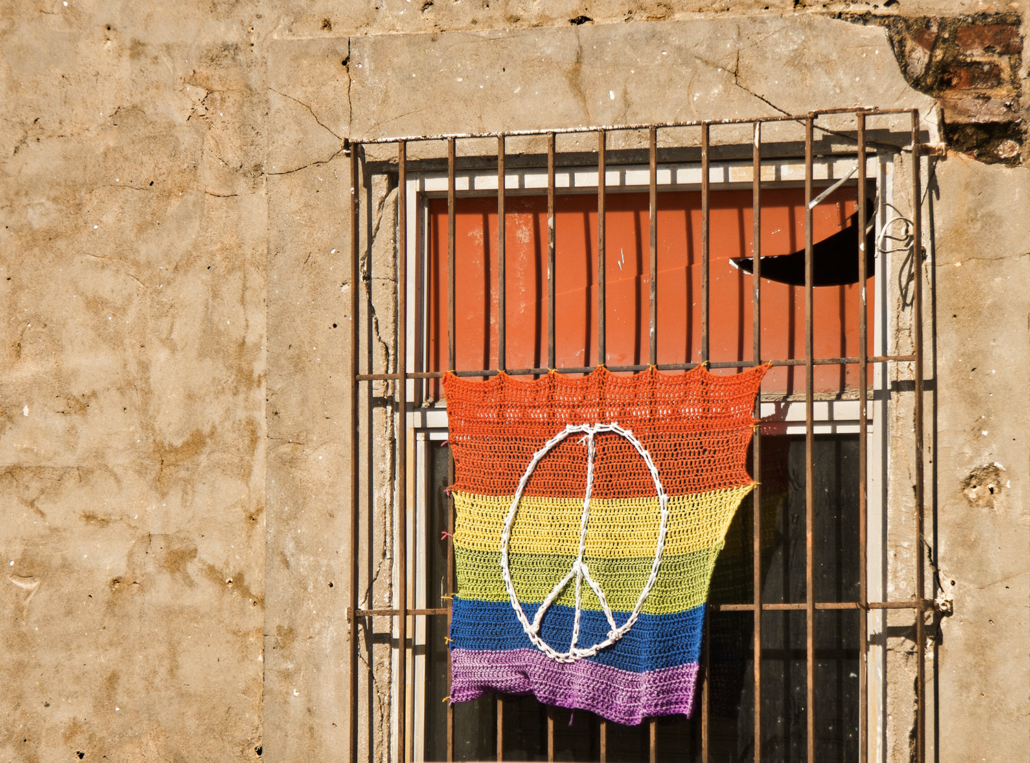
(Image Credit: Chela B., Unsplash)

November 15, 2023/by IndigenousClimateHub
Tags: Climate Justice, Climate Resilience, Resilience, Social Justice, World Climate Risk Index 2020, Youth Activists
Share this entry
  • Share on Facebook
  • Share on X
  • Share on WhatsApp
  • Share on Pinterest
  • Share on LinkedIn
  • Share on Tumblr
  • Share on Reddit
  • Share by Mail
https://indigenousclimatehub.ca/wp-content/uploads/2023/11/chela-b-unsplash.png 1111 1500 IndigenousClimateHub https://indigenousclimatehub.ca/wp-content/uploads/2020/10/logo-horiz-clr-01-small-300x88.png IndigenousClimateHub2023-11-15 20:32:232023-11-15 21:09:59Connecting Climate Justice and Social Justice
You might also like
Climate Resilience and Indigenous Values
Unsplash Community, Licensed Arctic Resilience: Inuit Communities at the Forefront of Climate Change Adaptation
Fellipe Ditadi, Unsplash+ Reimagining Our Relationship with Natural Resources: A Path Toward Climate Resilience through Natural Law and Decommodification
Beth MacDonald Climate Justice
Meechim Project – Food Sovereignty in Northern Manitoba (Video)
Climate Change Adaptation in Kanaka Bar
X Logo X Logo Followon X RSS Feed Logo RSS Feed Logo Subscribeto RSS Feed

Subscribe to Our Blog

This field is required.

Check your inbox or spam folder to confirm your subscription.

Recent Posts

  • Water Is a Relative, Not a Resource
  • The River Is Telling Us Something: Indigenous-Led Water Monitoring as Canada’s Climate Early Warning System
  • Night Skies and Shifting Stars: How Indigenous Celestial Knowledge Tracks a Changing Climate
  • From Ownership to Relationship: Reclaiming Our Responsibilities to Land
  • Human Foolishness in Floodplains

Archives

  • June 2026
  • May 2026
  • April 2026
  • March 2026
  • February 2026
  • January 2026
  • December 2025
  • November 2025
  • October 2025
  • September 2025
  • August 2025
  • July 2025
  • June 2025
  • May 2025
  • April 2025
  • March 2025
  • February 2025
  • January 2025
  • December 2024
  • November 2024
  • October 2024
  • September 2024
  • August 2024
  • July 2024
  • June 2024
  • May 2024
  • April 2024
  • March 2024
  • February 2024
  • January 2024
  • December 2023
  • November 2023
  • October 2023
  • September 2023
  • August 2023
  • July 2023
  • June 2023
  • May 2023
  • April 2023
  • March 2023
  • February 2023
  • January 2023
  • December 2022
  • November 2022
  • October 2022
  • September 2022
  • August 2022
  • July 2022
  • June 2022
  • May 2022
  • April 2022
  • March 2022
  • February 2022
  • January 2022
  • December 2021
  • November 2021
  • October 2021
  • September 2021
  • August 2021
  • July 2021
  • June 2021
  • May 2021
  • April 2021
  • March 2021
  • February 2021
  • January 2021
  • December 2020
  • November 2020
  • October 2020
  • September 2020
  • August 2020
  • July 2020
  • June 2020
  • February 2020
  • October 2019
  • August 2019
  • July 2019
  • June 2019
  • May 2019
  • April 2019
  • March 2019

Categories

  • Adaptation
  • Alberta
  • Announcements
  • Arctic
  • Atlantic/NB
  • Awards
  • Blog
  • British Columbia
  • Climate Change
  • Climate Change Adaptation
  • Climate Change Education
  • Climate Change News
  • Climate Change Project
  • Climate Crisis
  • Climate Monitoring
  • Community Engagement
  • Community-Based Environmental Monitoring
  • Documentaries
  • Documentary
  • Events
  • Flooding
  • Food
  • Food Security
  • Food Sovereignty
  • Forest Fires
  • Funding Opportunity
  • ICCAG 2019
  • Indigenous Perspectives
  • Manitoba
  • Media
  • Métis
  • Métis Settlement
  • News
  • Op-Ed
  • Quebec
  • Saskatchewan
  • Technology
  • Video
  • Water
  • Webinars

Tags

Alberta Arctic Arctic Resilience Forum British Columbia Carbon Sequestration Caribou Caribou Recovery CIRNAC Climate Adaptation Climate Change Climate Change Adaptation Climate Resilience Community Engagement Education Environmental Stewardship Environment and Climate Change Canada (ECCC) First Nations Flooding Food Security Food Sovereignty Global Warming Indigenous Indigenous Guardians Toolkit Indigenous Knowledge Indigenous Stewardship Infrastructure Inuit landscape Mental Health Paris Agreement Policy Renewable Energy Research Resilience Science Traditional Ecological Knowledge Traditional Ecological Knowledge (TEK) Traditional Knowledge UNDRIP United Nations United Nations (UN) Webinar Wildfires WWF-Canada Youth
Contact

About Us

The Indigenous Climate Hub is a unique online community of Indigenous climate change leaders that have come together to share their stories and climate change adaptation experiences. The website is the result of the recommendations brought forward by Indigenous peoples at the Indigenous Climate Change Adaptation Gathering in 2018.

Indigenous Climate Hub Podcast

Be a part of the Indigenous Climate Hub Podcast. We are looking for unique perspectives and experiences in environmental stewardship, Indigenous ecological and traditional knowledge, and resource management offer valuable knowledge and teachings that can benefit Indigenous communities across Turtle Island and beyond.

Indigenous-led Initiatives

Are you a program or organization that funds or supports Indigenous Peoples  working on climate change initiatives?  If you would like to provide information to potential recipients here, please reach out to Okwaho so that we can work with you to highlight your program.

© Copyright - Indigenous Climate Hub, 2025-2026
  • Terms of Service
  • Privacy Policy
Link to: Climate Justice Link to: Climate Justice Climate JusticeBeth MacDonald Link to: COP28 and Indigenous Peoples Link to: COP28 and Indigenous Peoples COP28 and Indigenous Peoples
Scroll to top Scroll to top Scroll to top